Published: 10 October 2026. The English Chronicle Desk. The English Chronicle Online.
Australia has rejected the prospect of importing Russian fuel despite a new agreement announced by US President Donald Trump to purchase diesel from Russia, as global energy markets face growing uncertainty amid conflict in the Middle East and continuing tensions over the war in Ukraine.
Australian Energy and Climate Change Minister Chris Bowen said Canberra had no need or desire to buy Russian fuel and would maintain its existing arrangements with international trading partners to prevent Russian supplies from entering the Australian market. His comments highlighted a sharp contrast between Australia’s position and Washington’s latest move, which has drawn criticism from political figures concerned that the agreement could provide Moscow with additional revenue while its war against Ukraine continues.
The announcement has also exposed differences within Australia’s political debate over how governments should respond when energy shortages and rising fuel prices place pressure on consumers, businesses and national economies.

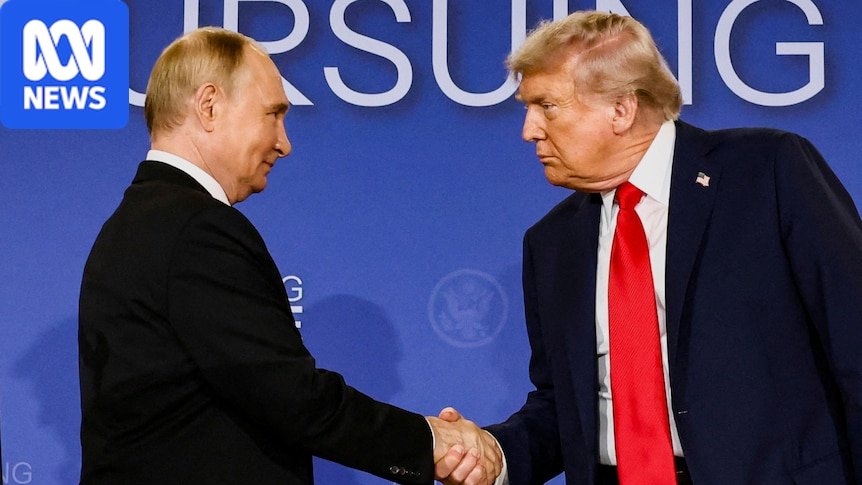
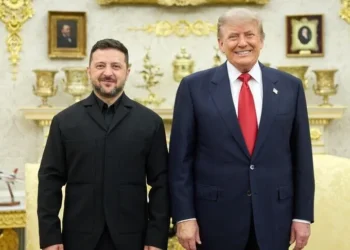
Trump announced on social media on Saturday that Russia had agreed to begin supplying diesel to the United States and international markets following what he described as a successful discussion with Russian President Vladimir Putin. According to Trump’s announcement, the initial delivery would amount to 300,000 tonnes of diesel, followed by a further 500,000 tonnes in November. Supplies could subsequently rise to three million tonnes, depending on the operating condition of Russian diesel refineries.
The proposed arrangement comes at a politically sensitive moment for the US administration. High diesel prices have increased pressure on Trump ahead of the November midterm elections, when economic conditions and the cost of living are expected to be important issues for voters. Securing additional fuel supplies could help address immediate concerns about availability and prices, although the eventual impact will depend on the quantity delivered, market conditions and the implementation of the agreement.
However, the deal has prompted criticism from Democrats and some Republicans, while Ukrainian President Volodymyr Zelenskyy strongly objected to the prospect of Russia benefiting from additional energy sales. Zelenskyy argued that the agreement could strengthen Moscow’s ability to sustain its military campaign and undermine efforts to hold Russia accountable for the invasion of Ukraine.
The disagreement reflects a wider challenge facing governments that depend on international energy markets. Securing affordable supplies is essential for economic stability, but purchasing fuel from a country involved in a major international conflict can carry significant diplomatic and strategic consequences.
Bowen made Australia’s position clear during a regular press conference on Saturday, where he also provided an update on the country’s fuel reserves. He said Russia should not be rewarded for what he described as its illegal and immoral invasion of Ukraine, adding that Australia would not change its approach because of decisions made by the United States.
The minister said Australia had arrangements in place with trading partners intended to prevent Russian fuel from entering the country. He stressed that Washington’s decisions were a matter for the United States, while Australia would continue to follow its own policy.
His remarks also connected the issue to the wider international energy crisis. With instability in the Middle East creating uncertainty over supplies, governments are under pressure to secure sufficient fuel while managing the political consequences of their purchasing decisions. Bowen maintained that Australia would continue working with established partners rather than changing course in response to the latest developments.
The Australian government’s position is significant because fuel security has become an increasingly prominent concern as international conflicts threaten supply routes, production facilities and energy prices. Diesel is particularly important for freight transport, agriculture, mining, construction and other industries that depend on reliable fuel deliveries. Any sustained disruption can affect operating costs, consumer prices and the wider economy.
Pauline Hanson, leader of Australia’s One Nation party, offered a different perspective on the question of whether the country should consider purchasing fuel from Russia if supplies became available. Speaking to journalists on the sidelines of the Conservative Political Action Conference in Brisbane, Hanson argued that governments should work with countries capable of providing resources needed to keep their economies functioning.
She said shortages could bring businesses to a standstill, force companies to close and increase costs for consumers. In her view, governments should consider the practical need to deliver oil and other essential resources when countries face supply difficulties.
Hanson did not explicitly confirm that she would support buying Russian oil, however. When asked a follow-up question about whether her position included Russian supplies, she did not provide a direct answer. Her comments therefore indicated support for a pragmatic approach to securing fuel but did not amount to an unequivocal endorsement of the specific US-Russia agreement.
During her address at the conference, Hanson also called for Australia to produce more of its own fuel, arguing that domestic production would become increasingly important as international conditions grew more dangerous.
Her position reflects a broader debate over Australia’s energy resilience. Greater domestic refining and fuel-production capacity could help reduce exposure to overseas disruptions, although building and maintaining that capacity requires investment, infrastructure, reliable supplies of crude oil and a commercially sustainable operating environment. Domestic production alone would not necessarily remove Australia’s dependence on international energy markets.
Bowen, meanwhile, sought to reassure Australians that the country continued to have substantial fuel supplies available or on the way. He said Australia held the equivalent of 43 days of petrol and 31 days of diesel, figures consistent with recent government updates.
He also reported that 51 ships carrying fuel were heading to Australia and that 3.2 billion litres of various fuel types had been secured under contracts for delivery over the following four weeks. These figures offered an indication of the government’s supply position, although the availability of fuel at individual locations can also depend on delivery schedules, distribution capacity and changing demand.
The minister acknowledged that the international situation remained difficult. Conflict and instability in the Middle East have created additional uncertainty for energy markets, making it more challenging for governments and suppliers to predict how conditions may develop. Disruptions affecting major producers or transport routes can influence global prices even in countries that do not import fuel directly from the areas experiencing conflict.
Bowen said Australia would continue cooperating closely with trading partners in Southeast Asia and beyond, including India and Saudi Arabia. He also emphasised the importance of maintaining domestic refining operations and staying in regular contact with the chief executives of Australia’s refineries.
The minister said he had met senior Saudi Arabian representatives during a meeting in Fiji connected with preparations for the next United Nations climate negotiations in Turkey. Referring to continuing attacks in Saudi Arabia, he expressed confidence that the Saudi government was taking steps to keep fuel flowing as effectively as possible.
Saudi Arabia remains an important participant in international energy markets, meaning developments affecting its production and infrastructure can have consequences well beyond the region. Australia’s efforts to maintain relationships with established suppliers reflect the importance of diversifying commercial partnerships and preserving access to fuel during periods of instability.
The situation also illustrates the difficult choices governments face when immediate economic needs conflict with foreign-policy objectives. A country experiencing fuel shortages may seek additional supplies wherever they are available, but such decisions can have implications for diplomatic relationships, sanctions policies and international efforts to discourage military aggression.
For Australia, Bowen’s statement signals that the government intends to maintain its existing approach towards Russian fuel despite the US announcement. Hanson, by contrast, has placed greater emphasis on securing resources and preventing economic disruption, while also advocating increased domestic production.
Whether Trump’s agreement results in substantial deliveries remains dependent on the condition and output of Russian refineries and the arrangements required to move the fuel to buyers. Its wider implications will also depend on how international markets, political leaders and other governments respond.

For Australian households and businesses, the immediate concern is whether fuel remains available at manageable prices. The government has pointed to existing reserves, contracted deliveries and cooperation with trading partners as safeguards against disruption. Nevertheless, continued instability in the Middle East means that supply security and energy costs are likely to remain important issues.
The emerging debate is therefore about more than a single fuel agreement. It raises questions about the balance between affordability and international accountability, the vulnerability of countries dependent on imported energy, and the extent to which domestic production can protect consumers from global shocks. Australia’s decision to reject Russian fuel places it on a different course from Washington, while the continuing crisis ensures that pressure to secure dependable and affordable energy will remain a central challenge for policymakers.
Related News:
 Capitalism ‘Suicidal’, Warns Petro at Climate Summit
 Norway Doubles Down on Oil and Gas for Europe Energy Security
 Trump announces major US oil deal with Venezuela
 Saudi Arabia Shuts Oil Pipeline After Drone Attack
 NSW Leader Downplays Impact of Landmark Coal Ruling
 Hanson Attacks Taylor as Australian Conservatives Clash
 Canada Passes Carney’s First Budget in Tight Parliamentary Vote
 India’s Labour Law Overhaul Sparks Fierce Debate
 Carney’s Alberta Pipeline Deal Sparks Immediate Pushback
 Mark Carney Walks Diplomatic Tightrope on China Visit
 Andrew Hastie Emerges as Leadership Rival to Ley
 Philippines energy emergency sparks coal power surge
 Trump to Deploy “God Squad” Over Gulf Wildlife Protections
 Trump Slams UK Ties and Threatens To Rewrite Trade Deal
 Athens Mayor Moves to Tackle Overtourism Crisis
 Southeast Asia Turns to Russia Amid Energy Crisis
 US Calls Australia Media Law “Foreign Extortion”
 Oil Prices Surge Above $120 Amid Iran Blockade Fears
 Trump approval plunges amid Iran war fears
 Trump Threatens UN Budget Cuts as US Pushes ‘Trade Over Aid’ Agenda
 Doomsday Clock Nears Midnight Amid Global Crises
 US Awaits Iran Reply on New Ceasefire Proposal
 One Nation Stuns Australia With Historic Farrer Win
 Beijing Becomes Centerstage for Global Diplomatic Ballet
 Hormuz Talks Near Critical Stage
 UK Pushes for New EU Goods Trade Deal
 Reeves Fights to Keep Treasury Role Amid Labour Turmoil
 Germany Summons Chinese Envoy Over Russian Troop Training
 Europe Weighs Hormuz Navigation Fee Plan
 Ukraine Creates Long-Range Strike Command
 Venezuela Quake Death Toll Surpasses 4,000
 Burnham unveils £65m drought aid for farmers
 Turkmenistan Begins Fixing Major Methane Mega-Leaks
 Trump Hardens Canada Trade Stance as Talks Stall
 Green Leader Targets Starmer’s Former Seat
 Trump Calls Iran War ‘Small Potatoes’ Despite US Deaths
 Swedish Mining Push Puts Sami Land Rights Under Pressure
 Argentina to file criminal charges over Falklands oil drilling
 UK plans tougher Israel stance with settlement trade ban
 Trump Pledges $5,000 if Republicans Win Midterms
 North Sea Firms Urge Early End to Windfall Tax
 Fugitive Developer Rants at NSW Corruption Inquiry
 South Korea Rules Out Military Role in Iran War
 Macron and Carney deepen France-Canada ties
 Australia Renewables Reach Record 80% Grid Demand
 Trump Eyes Major Belarus Fertiliser Deal Amid Canada Trade Dispute
 Burnham Leaves Door Open to Future Brexit Reversal
 Iran Rejects Claims of Shift in US Talks
 Tony Blair Calls for Britain to Rejoin EU Within a Decade
 Xi urges Trump to avoid US-China military conflict
 Lula accuses Trump of seeking control over Brazil
 Saudi intercepts Houthi missiles as oil fears grow
 Australia Weighs New Laws After OpenAI Medicare Breach
 Iran Awaits Trump Response on Seven-Day Hormuz Plan
 Economic growth and political strain reshape Benin
 Trump Ads Trigger Fight Over Taxpayer Money
 Burnham Opens Door to Possible UK Return to EU
 UK Diesel Reaches £2 as Inflation Surges Across Europe
 Minister Rejects Fears of UK Diesel Shortage
 Spain Sets Snap Election as Housing Crisis Deepens
 Pacific Climate Summit Draws Limited Global Leaders
 Argentina Protesters Resist Milei’s Land Sale Drive
 Drax Datacentre Faces Major Carbon Emissions Concerns
 EU-China Talks Target Surge in Hybrid Car Imports
 Tanker Attacked Near Qatar as Hormuz Tensions Escalate
 South Korea Probes Fuel Shipments to Russia
 Report Urges UK to Rethink Overseas Military Spending
 France Urges UK to Consider Returning to EU
 Ministers Push ATO to Reconsider Credit Card Ban
 Oil Shock Sends Markets Lower as Middle East Risks Grow
 Houthi Missile Claim Sparks Riyadh Airport Disruption
 Australia Delays Tax Credit Card Payment Ban After Backlash
 Sydney Town Square Plans Face New Planning Hurdle
 Turkey Rules Out Troops in Saudi Arabia’s Houthi Conflict
 Trader Wins Unfair Dismissal Case After Overseas Work
 Trump’s Russian Diesel Deal Sparks Ukraine Fury
 France Faces Debt Crisis as Protests and Markets Clash
 Shadow Fleet at Sea: Europe’s Battle Against Illicit Oil Shipping
 Starmer Says Labour’s Economic Plan Needs Years to Deliver
 Trump Faces Backlash Over $2bn Earnings Since Return