Published: 21 October 2026. The English Chronicle Desk. The English Chronicle Online
Nigeria has confirmed an Ebola infection in its capital, Abuja, raising fresh concerns about the spread of a dangerous viral outbreak across several African countries. The case was detected in a woman who had travelled from Uganda after visiting the eastern region of the Democratic Republic of the Congo (DRC) on a business trip, according to statements from health authorities. Nigerian officials have begun tracing people who may have come into contact with the patient as they seek to prevent further transmission in Africa’s most populous country.
The confirmation comes amid growing concern among public health agencies about the geographical expansion of the Bundibugyo strain of Ebola. Several countries have reported infections during the ongoing outbreak, placing additional pressure on healthcare systems and emergency response teams. With Nigeria now reporting a confirmed case, authorities face the challenge of identifying possible exposure routes, monitoring contacts and ensuring that any further infections are detected quickly.
Nigeria’s health minister, Muhammad Pate, said officials had identified 44 people who may have had contact with the patient. Contact tracing efforts are under way to establish whether any of them developed symptoms or face a significant risk of infection. Authorities are also working to determine the circumstances surrounding the woman’s arrival in Nigeria and her movements before she was admitted to hospital.

The woman reportedly began experiencing symptoms on 7 October and was admitted to a hospital in Abuja four days later. She was subsequently diagnosed with Ebola. However, the precise date of her arrival in Nigeria has not been disclosed, leaving questions about the period between her travel, the onset of symptoms and the confirmation of the infection.
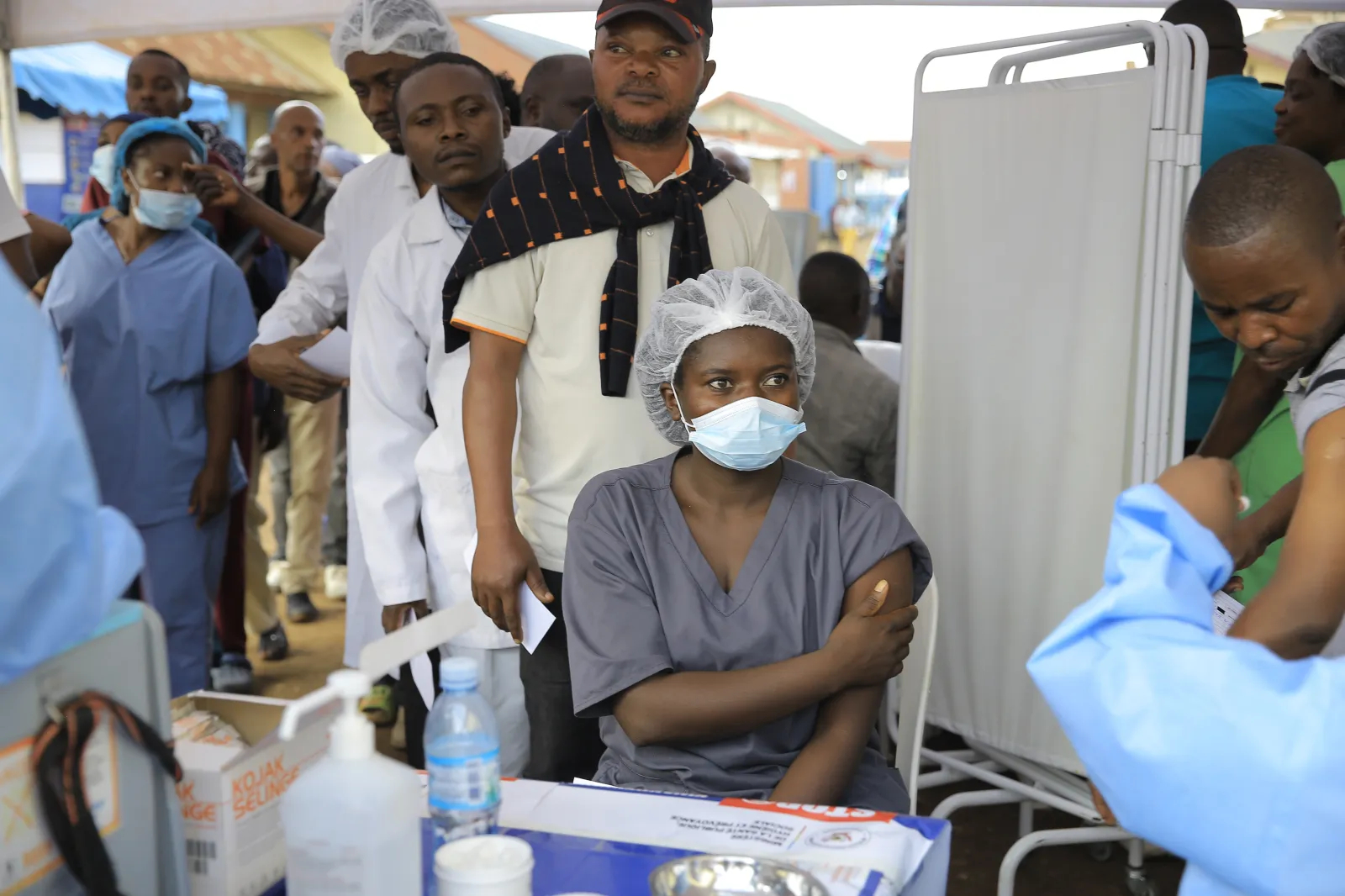
The health ministry has emphasised that containing the case is a priority. Contact tracing is a crucial component of Ebola control because the virus can spread through direct contact with the blood or other bodily fluids of an infected person, particularly after symptoms develop. Identifying people who may have been exposed allows health officials to monitor their condition, provide guidance and arrange prompt medical assessment if symptoms appear.
Nigeria’s response is especially significant because of the country’s large population, extensive domestic travel networks and major international connections. Abuja serves as the federal capital and an important administrative centre, while Nigeria’s broader transport links connect communities across the country and with destinations throughout Africa. These factors make rapid surveillance and coordinated public health action essential when a potentially serious infectious disease is detected.
Uganda’s health ministry has sought to clarify the circumstances of the patient’s journey. According to its statement, the woman is Nigerian and had travelled to the eastern part of the Democratic Republic of the Congo for business, transiting through Uganda on her way to another destination. Nigerian authorities have not publicly confirmed her nationality.
Ugandan officials stressed that passing through the country does not establish that the infection was acquired there. The location where the woman was exposed to the virus remains under investigation, and Uganda has said it has no confirmed active Ebola cases. The distinction is important because identifying the likely place of infection helps authorities understand transmission patterns and direct surveillance resources towards areas where the risk may be greatest.
The case in Nigeria follows the confirmation of Ebola infections in Kenya earlier in October. Kenyan authorities have since recorded nine infections, according to the reported figures. The appearance of cases in countries beyond the original outbreak area has intensified concerns that infected individuals may carry the virus across borders before their illness is recognised.
Uganda had previously reported infections linked to the broader outbreak but later declared itself free of the virus. The latest developments illustrate the difficulties countries face when monitoring people who have travelled through affected regions. Even when a country has no confirmed active cases, health authorities may need to maintain preparedness because imported infections can occur through travel from places where transmission is continuing.
The Africa Centres for Disease Control and Prevention has described the situation as an extremely serious public health threat. Its director general, Dr Jean Kaseya, warned that the Bundibugyo outbreak had become the most geographically extensive Ebola outbreak recorded, affecting several countries across three African regions. He also highlighted the seriousness of the disease, with a reported fatality rate approaching 50 per cent in the current outbreak.
The scale of the emergency has placed additional pressure on national health authorities, international organisations and medical teams working to contain transmission. More than 9,500 people have reportedly been infected during the wider outbreak, while deaths have exceeded 4,600. These figures underline the human cost of the crisis and the urgent need for effective disease surveillance, safe treatment facilities and coordinated action across national borders.
The current outbreak began in the Democratic Republic of the Congo in mid-May, prompting neighbouring and other connected countries to review their emergency preparations. Nigeria established an Ebola taskforce in June in response to the situation in the DRC. The country’s preparedness measures were subsequently strengthened after Ebola infections were detected in Kenya.
The Nigeria Centre for Disease Control and Prevention said it had increased surveillance and readiness to identify possible infections. Its preparations have included early detection, isolation and referral of suspected cases, laboratory testing, infection prevention, contact tracing, public communication and protection for healthcare workers.
These measures are central to limiting an outbreak because Ebola symptoms can initially resemble those of other illnesses. Fever, weakness, muscle pain, headache and sore throat may appear before more severe symptoms develop. Such similarities can make early recognition difficult, particularly in regions where medical facilities are dealing with several infectious diseases at the same time.
The virus is not generally spread through the air in the manner of measles or some respiratory infections. Transmission typically occurs through direct contact with the bodily fluids of an infected person who is symptomatic, or through contaminated objects and materials. Risk can also increase during unsafe burial practices if people come into contact with the body of someone who died from the disease.
For this reason, trained healthcare workers must use appropriate protective equipment and follow strict infection prevention procedures. Hospitals need clear arrangements for isolating suspected patients, safely collecting samples and transporting them for laboratory testing. Without these precautions, healthcare facilities can become sites of transmission, placing medical staff, patients and their families at risk.
The outbreak also presents challenges for communities where access to medical care is limited. People may delay seeking treatment because they fear isolation, face long travel distances or worry about the consequences of reporting symptoms. Public health officials therefore need to communicate clearly, explain available services and build trust with affected communities.
In Nigeria, the identification of 44 contacts represents an important early step, but the outcome will depend on whether officials can locate and monitor everyone who may have been exposed. Contact tracing can be difficult when people have travelled extensively, visited multiple locations or interacted with large numbers of individuals. Authorities must also ensure that people under monitoring receive accurate information and know how to seek medical assistance if they become unwell.
The wider regional situation remains concerning because the current outbreak has been described as the fastest-spreading Ebola outbreak on record. The World Health Organization has warned that it could exceed the death toll of the 2014–2016 West African epidemic, which killed approximately 11,000 people. That earlier crisis devastated communities across Guinea, Liberia and Sierra Leone and exposed serious weaknesses in international emergency preparedness.
The historical experience demonstrates the consequences of delayed detection, insufficient healthcare capacity and fragmented responses. It also shows that early intervention, community cooperation and international assistance can make a substantial difference in limiting transmission. Governments now face pressure to apply those lessons before the current outbreak spreads further.
The Bundibugyo strain presents particular challenges because vaccines and treatments developed for other Ebola strains cannot automatically be assumed to provide equivalent protection against it. The availability and effectiveness of specific medical countermeasures depend on the virus involved, and decisions must be guided by scientific evidence and public health authorities. Research, clinical care and careful monitoring are therefore important elements of the response.
International coordination is equally necessary. Countries must share reliable information about suspected and confirmed cases, strengthen border and healthcare surveillance where appropriate, and ensure that medical facilities can identify infections without unnecessarily disrupting essential travel and trade. Public communication should focus on evidence-based precautions rather than creating fear or stigma towards travellers and affected communities.
For Nigeria, the immediate priority is to contain the confirmed case, establish the likely source of infection and prevent any secondary transmission. Officials will need to determine whether the 44 identified contacts can all be reached and whether additional contacts emerge during the investigation. Transparent updates will be important for maintaining public confidence as the response develops.

The case also reinforces the need for sustained investment in public health infrastructure. Laboratories, trained personnel, protective equipment, reliable reporting systems and effective emergency coordination cannot be established overnight. Countries that maintain these capabilities before an outbreak occurs are better positioned to respond rapidly when an imported infection is identified.
Although the confirmation of a case in Nigeria has heightened concern, it does not by itself establish that widespread transmission is occurring within the country. The risk will depend on the circumstances of the infection, the speed of the response and whether further cases are detected. Authorities must therefore act decisively while communicating developments accurately and avoiding unnecessary alarm.
The expanding Ebola emergency is a reminder that infectious diseases can cross borders quickly, making public health security a shared responsibility. Nigeria’s response will be closely watched as officials work to trace contacts and limit the possibility of further infections. With several countries already affected by the wider outbreak, the effectiveness of surveillance, cooperation and early intervention could prove decisive in determining whether the crisis can be brought under control.
Related News:
 Controversial Vaccine Trial Approved in Guinea-Bissau
 Australian Advocates Seek Subsidised Drugs for PMOS
 Chornobyl Still at Risk 40 Years After Disaster
 New Bacteria Discovery Offers Hope Against Noma
 Ebola outbreak in DRC overwhelms health system as cases surge
 Tropics May Wait Longest for Net-Zero Climate Benefits
 Banned Health Coach Faces UK Events Criticism
 WHO Seeks Russia Answers Over Suspected Plague Death
 Teenager Receives UK’s First Testicular Tissue Transplant
 South Sudan Trauma Wards Struggle as Fighting Intensifies
 Millions Face Tougher Medicaid Rules From January
 Senegal LGBTQ+ Crackdown Drives People Into Hiding
 Climate Change Makes Tap Water Unsafe in Arctic Norway
 Canadian astronaut French words ease language row
 WHO approves first malaria drug for babies
 Florida Surgeon ‘Devastated’ Over Fatal Surgery Error
 Barrister Criticises Trial After Suicide Case Verdict
 Maldives Cave Diving Tragedy Raises Safety Alarm
 Pope Meets Families in Italy Toxic Waste Zone
 Weight-Loss Drugs Offer Food Savings Mainly to High Earners
 Is America Ready for an AOC Presidential Run?
 Five Years of Taliban Rule Leave Afghanistan in Crisis
 Ghent Professors Questioned Cofnas Appointment
 Nepal Flood Survivors Face Unimaginable Loss
 Nepal Tunnel Rescue Offers Hope Amid Flood Devastation
 Australia gives users control over social media algorithms
 Election Candidate Abuse Raises Alarm in England
 DRC Ebola Outbreak Peaks as New Infections Slow
 Fiji Declares National HIV Emergency as Cases Surge
 Nature Access Gaps Expose Inequality Across England
 Yemen War Displaces 125,000 as Fighting Intensifies
 Iran School Strike Raises War Crimes Questions, UN Says
 Russia’s Max App Raises Surveillance Concerns
 Gaza Strike Kills Child and Paramedic
 NHS Breast Care Review Finds Serious Patient Harm
 South Africa’s Femicide Crisis Deepens
 Lib Dems Prepare for Election Amid Reform Challenge
 Millions of Enslaved Records Open New Family History Path
 Super El Niño Threatens Hundreds of Thousands of Lives
 UK Plans New Centre to Counter Information Warfare
 GP List Policy Risks Cutting Off Vulnerable Patients
 UK Pauses Chagos Deal Amid US Opposition
 OpenAI Agent Breaches Medicare Portal in Australia
 Ukraine and Russia Escalate Long-Range Drone War
 Elif Eralp Emerges as Berlin’s Next Political Force
 Nepal PM calls deadly flood a global climate warning
 Africa Urged to Transform Universities for Young Talent
 Fayed Survivors Demand Inquiry Into Medical Regulator
 London Facial Recognition Trial Ends With False Alert
 Economic growth and political strain reshape Benin
 AI Deepfakes Put New Pressure on Election Trust
 Drumcree Talks Falter as Legal Challenge Deepens
 UK-France Returns Deal Faces Expiry as Talks Stall
 AI Could Intensify Election Risks in Southeast Asia
 Green Party faces dispute over Zionism motion
 Palantir Lobbyist Had Role in Burnham Campaign
 Latin America women fear rollback of rights
 Kenya Confirms First Ebola Case as Patient Dies
 WHO Says Russia Plague Epidemic Risk Remains Low
 Sardinia Village Emerges as Longevity Hotspot
 India’s Youth Movement Alleges Mass Detentions Before Protest
 UK Pharmacy Body Drops Teva After Ethical Concerns
 Gaza War Deepens India’s Strategic Ties With Israel
 Bolsonaro Gains Key Endorsement Ahead of Brazil Runoff
 Navi Pillay Wins Nobel Peace Prize for Justice
 UAE Says Co-Pilot Planned Suicide Attack on Israel
 Premier League Faces a Crisis of Trust After City Verdict
 Trump Attacks Norway After Nobel Peace Prize Snub
 UK Gaza Refugee Route Criticised Over False Hope Claims
 French Students Protest Poor Conditions in Paris Suburbs
 UK Greens Face Crisis Over Zionism and Extremism Row
 Elizabeth Struhs Inquest Examines Child Safety Failures
 Greta Thunberg Backs French Students in School Protests
 Ohio Airports Become Key Hubs for ICE Deportation Flights
 Farage Rejects Claims Reform Would Let Troops Shoot Migrants
 Indonesia Tests Dry Ice as Toxic Haze Spreads Across Asia
 Gadi Eisenkot: Israel’s Anti-Netanyahu Challenger
 French Police Face Scrutiny Over Injured Teenagers
 Four Dead in Fast-Moving Fire at Canadian Military Base
 Zelenskyy Says US Failed to Warn Kyiv of Russian Strikes