Published: 26 October 2026. The English Chronicle Desk. The English Chronicle Online
The UK is on course to miss its already reduced international aid spending target in 2027, with new calculations suggesting the government could fall hundreds of millions of pounds short of its commitment and face renewed criticism over the future of Britain’s role in global development.
Analysis by the Center for Global Development indicates that UK official development assistance could reach only 0.29% of national income by the end of next year, rather than the government’s target of 0.3%. Under the central forecast used by the researchers, the difference would amount to around £410m.
The potential shortfall could be even larger. The development research organisation said there was a strong possibility that UK aid spending could amount to only 0.28% of national income, leaving a gap of approximately £580m. Even the most conservative projection examined by the researchers pointed to a shortfall of about £250m.

The figures are significant because the government’s 0.3% target is itself a substantial reduction from the long-standing international development commitment of 0.7% of national income. Labour entered the last general election promising to restore aid spending to 0.7% when fiscal conditions allowed, but Prime Minister Keir Starmer subsequently reduced the target as the government sought to increase defence spending.
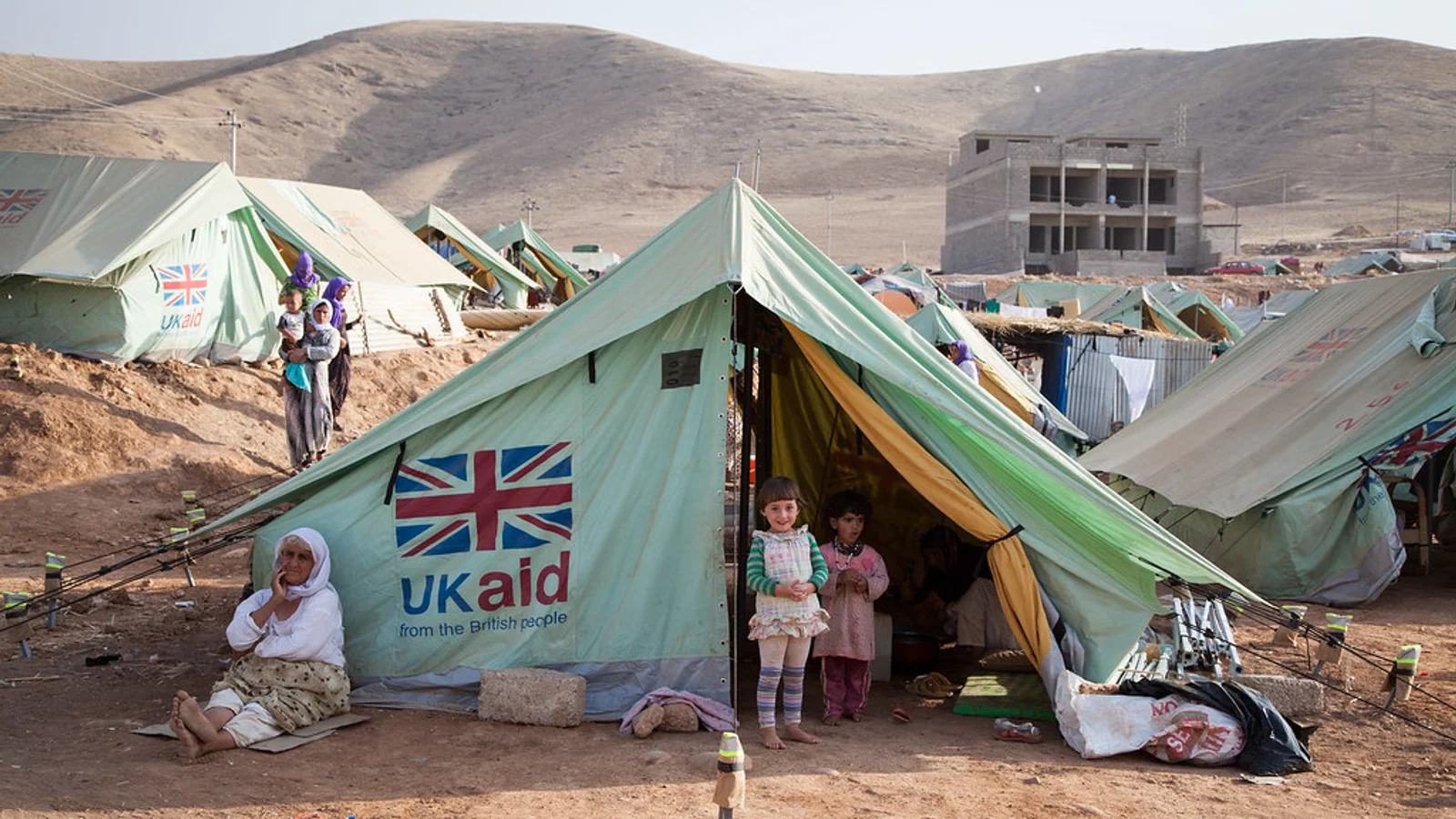
The prospect of missing even the lower target has prompted calls for ministers to use the upcoming budget to provide additional funding. Development advocates argue that the issue is not simply a matter of accounting but could directly affect programmes supporting health, education, food security, clean water and humanitarian relief in some of the world’s poorest countries.
Ian Mitchell, a senior fellow at the Center for Global Development and co-director of its Europe programme, described the projected gap as a material reduction in the spending power available to British aid programmes. He argued that providing additional funds could help reduce the impact of cuts that are already expected to affect vulnerable communities, particularly in Africa.
The scale of the projected shortfall is partly linked to changes in the economic assumptions underpinning the government’s spending plans. Higher-than-expected inflation means national income could be larger than was forecast when the government conducted its spending review. Because the aid target is calculated as a percentage of national income, an increase in the underlying income figure can require additional spending to maintain the same percentage.
Researchers also attributed part of the expected gap to a policy change made in 2025 concerning the budget of the Foreign, Commonwealth and Development Office. The combination of these factors has created a situation in which a fixed level of spending could fall below the government’s stated percentage target.
The Center for Global Development has urged ministers to consider allocating additional money to international development in this week’s budget. Such a move would allow the government to meet the 0.3% target and could help prevent further political criticism over Britain’s declining aid contribution.
Fleur Anderson, a former government minister who now sits on the foreign affairs select committee, said she wanted ministers to go further by eventually reversing the reductions in aid spending. At a minimum, however, she argued that the government should meet the lower target it has already established.
The debate comes as charities and development organisations continue to warn that reductions in British aid are affecting programmes in some of the world’s poorest countries. They have raised particular concerns about the impact on children’s education, healthcare, vaccination programmes and efforts to prevent disease.
Recent figures from the Foreign, Commonwealth and Development Office showed that aid to the least-developed and low-income countries had fallen by 6.7%, representing a reduction of £118m. The figures suggested that poorer countries were experiencing some of the most significant reductions while the share of British assistance going to higher-income countries had increased.
The overall UK official development assistance budget also fell in 2025. Aid spending declined to 0.44% of gross national income, compared with 0.5% in 2024. In cash terms, the reduction amounted to approximately £987m.
The decline reflects a broader shift in the government’s priorities. Britain has sought to concentrate its development spending through large multilateral organisations and major international programmes, including the World Bank’s development arm and the global vaccine initiative Gavi. Humanitarian assistance has also remained an important part of the UK’s international aid programme.
Supporters of the government’s approach argue that focusing resources on major multilateral institutions can provide greater stability and allow British funding to have a wider international impact. The government has also argued that establishing a more predictable multi-year funding system can help aid organisations plan programmes and deliver assistance more effectively.
But critics say the reduction in the overall budget has consequences that cannot easily be offset through changes in how the money is allocated. They warn that cuts to development programmes can translate into fewer vaccines, reduced access to education, weaker health systems and less support for communities affected by conflict or natural disasters.
The political environment surrounding the aid debate is also becoming increasingly contentious. Conservative and Reform UK politicians have proposed much deeper reductions in international development spending. Their plans would reportedly reduce the UK aid budget from roughly £9bn a year to around £1bn.
Such a reduction would represent a dramatic change in Britain’s approach to international development and could leave the government unable to maintain some of its existing international commitments, including contributions to major institutions such as the United Nations and the World Bank.
The competing political positions illustrate the difficult choices facing the government. Ministers must balance pressure to increase spending on defence, domestic public services and economic priorities against international commitments and humanitarian responsibilities.
The aid target is particularly sensitive because Britain has historically presented itself as a major international development donor. Successive governments have used foreign assistance to support poverty reduction, disease prevention, humanitarian relief and economic development while also seeking diplomatic influence in developing countries.
A sustained reduction in aid could therefore have implications beyond individual programmes. Development groups have warned that cuts could weaken Britain’s international influence and reduce its ability to respond to crises, while critics of higher aid spending argue that public money should be focused more heavily on domestic priorities.
The government has defended its current funding framework. A spokesperson for the Foreign, Commonwealth and Development Office said multi-year official development assistance allocations published in March 2026 were based on gross national income assumptions made during the 2025 spending review.
The department also argued that moving towards a fixed budget provides greater stability by reducing fluctuations and allowing high-impact aid programmes to be planned over several years.
That approach, however, creates a tension with a target expressed as a percentage of national income. If the economy grows faster than anticipated, a fixed cash allocation can represent a smaller share of national income. The government could therefore technically maintain its planned spending while still falling below the percentage commitment it has publicly set.
The issue is expected to receive renewed attention as ministers prepare the upcoming budget. The decision over whether to provide additional aid funding could become an important test of the government’s stated commitment to Britain’s international role.
For organisations working in developing countries, the difference between 0.29% and 0.3% may appear small when expressed as a percentage. In monetary terms, however, the gap could represent hundreds of millions of pounds that might otherwise support health, education, humanitarian assistance and development programmes.
The wider question is whether Britain intends to treat the 0.3% figure as a firm spending commitment or as a broad guide within a fixed aid budget. Missing the target would provide political opponents and development organisations with fresh grounds to argue that the government is retreating further from its international development commitments.

At the same time, the government faces competing demands at home and abroad. Defence spending, public services, economic pressures and fiscal constraints all limit the room available for additional expenditure.
The coming budget may therefore determine whether ministers are prepared to spend more to meet their reduced aid target or accept a shortfall created by changing economic forecasts and existing funding arrangements.
Whatever decision is made, the debate is likely to extend beyond the immediate budget. Britain’s aid policy has become a broader question about the country’s place in the world, its obligations towards poorer nations and the balance between domestic priorities and international responsibility.
With the 0.7% commitment already significantly reduced, the possibility of missing the 0.3% target adds another layer of uncertainty to the future of British development assistance. For charities and aid organisations, the concern is that another reduction in spending could translate into fewer resources for communities already facing poverty, conflict, disease and limited access to essential services.
Related News:
 Green Leader Targets Starmer’s Former Seat
 Burnham Opens Door to Possible UK Return to EU
 Athens Mayor Moves to Tackle Overtourism Crisis
 Reform UK funding: mystery billionaire revealed
 UK Pushes for New EU Goods Trade Deal
 Reeves Fights to Keep Treasury Role Amid Labour Turmoil
 Farage and Reform UK Reshape British Politics
 Starmer Leadership Under Pressure After Setbacks
 Burnham unveils £65m drought aid for farmers
 Masked Protesters Bring Dover Port Traffic to Standstill
 Argentina to file criminal charges over Falklands oil drilling
 UK plans tougher Israel stance with settlement trade ban
 Slave-Trade Wealth Embedded in Britain’s Financial System
 Lib Dems Prepare for Election Amid Reform Challenge
 Burnham Leaves Door Open to Future Brexit Reversal
 King Refers Jamaica Slavery Petition to Privy Council
 Thinktank Calls for Abolition of UK State Pension
 UK Pauses Chagos Deal Amid US Opposition
 Elif Eralp Emerges as Berlin’s Next Political Force
 Tony Blair Calls for Britain to Rejoin EU Within a Decade
 Three Die in Channel Crossing Attempt Near France
 Dale Vince Plans New London-Wide News Operation
 Economic growth and political strain reshape Benin
 Drumcree Talks Falter as Legal Challenge Deepens
 UK-France Returns Deal Faces Expiry as Talks Stall
 Green Party faces dispute over Zionism motion
 Badenoch Raises Prospect of 2027 UK Election
 Spain Sets Snap Election as Housing Crisis Deepens
 Report Urges UK to Rethink Overseas Military Spending
 Holborn and St Pancras Vote Tests Labour and Greens
 France Urges UK to Consider Returning to EU
 Labour Wins Key London By-election as Greens Fall Short
 Turkey Rules Out Troops in Saudi Arabia’s Houthi Conflict
 Burnham Rises as Farage and Polanski Face Setbacks
 Labour Beats Greens in Crucial London By-election
 Labour MP Urges Billions for Affordable Homes
 Navi Pillay Wins Nobel Peace Prize for Justice
 Jewish Greens Leader Calls for Polanski to Quit
 Controversial Vaccine Trial Approved in Guinea-Bissau
 France Faces Debt Crisis as Protests and Markets Clash
 Milburn Proposes Pre-Apprenticeship Route for Young People
 UK Gaza Refugee Route Criticised Over False Hope Claims
 Labour Fears Budget Will Fail to Lift Living Standards
 UK Greens Face Crisis Over Zionism and Extremism Row
 Millions Face Tougher Medicaid Rules From January
 Farage Rejects Claims Reform Would Let Troops Shoot Migrants
 UK Urges Interpol to Reject Argentina’s Falklands Arrest Requests
 UK Rejects EU Pressure to Impose Tariffs on China
 Brazil Cuts Working Week to 40 Hours in Lula Election Boost
 UK Could Rejoin EU Through a Switzerland Plus Deal
 Cormann Warns Australia Against Populist Migration Caps
 Brexit Debate Returns as UK Voters Reconsider EU Exit
 Alberta Referendum Exposes Deep Divisions Over Independence
 Milan Luxury Stores Shut as Italy Plans Troop Deployment
 Alberta Voters Reject Push for Canadian Independence
 Bradford Rail Hub Promises Faster Northern Connections
 Middleton Revitalisation Blueprint for UK Towns
 France to Deploy 70,000 Police Amid Unrest Fears
 Older Worker Training Plan Faces Business Backlash
 Trump’s UK Ambassador Urges North Sea Drilling to Strengthen US Ties
 Millionaires group urge Reeves to introduce wealth tax to ‘lift kids out of poverty’
 Starmer Says Labour’s Economic Plan Needs Years to Deliver
 Gordon Brown urges court for crimes against children
 Rising Costs Force Families to Rethink Days Out
 Relationship with Trump may be beyond repair, Starmer warned
 Silent Tracks: Rail Line Without Passengers
 Unions Warn Labour Over Zero-Hours Contract Reforms
 Bayeux Tapestry Revives Franco-British Ties
 Trump Threatens EU With Tariffs Over Canada Proposal
 Tom Watson Takes Senior Role at Palantir
 UK Rent Gap Puts Low-Income Families Under Pressure
 The Tests Awaiting Andy Burnham After Labour Conference
 UK University Strikes Spread as Financial Pressure Grows
 Healey urged to act as UK energy bills rise 4%
 South Korea Probes Fuel Shipments to Russia
 South Africa Withdraws Directive on Asylum Applications
 Trump’s Russian Diesel Deal Sparks Ukraine Fury
 Trump Names Katie Zachariah as Next White House Press Secretary
 UK Visa Refusal Threatens Baby’s Family Christmas
 Lula Supporters Make Final Push Ahead of Brazil Runoff