Published: 26 October 2026. The English Chronicle Desk. The English Chronicle Online
Prime Minister Andy Burnham has said Britain’s post-Brexit arrangements have failed to deliver the benefits promised during the referendum campaign, arguing that the country ended up with a harder form of Brexit than many voters were led to expect. He also warned that the existing deal with the European Union is not good enough for Britain, although he ruled out any attempt by his government to seek EU membership during the current parliamentary term.
Burnham’s remarks represent one of the clearest assessments yet from the Labour government of the consequences of leaving the European Union. While stopping well short of proposing that Britain reverse Brexit, the prime minister said the country needed to take practical steps to improve its relationship with the EU and reduce some of the economic and administrative difficulties created by the current arrangement.
Speaking on Monday, Burnham said he would ultimately like to see Britain return to the European Union during his lifetime, but stressed that he would not attempt to impose his personal view on the public. He argued that any major future decision about the country’s relationship with Europe must be determined by British voters rather than by politicians acting according to their own preferences.

“I’ve said I’m going to be honest and say in my lifetime I would like to see that happen, but I am not going to move ahead of the public,” Burnham said. He added that British citizens must remain “the bosses” when it comes to the country’s future relationship with Europe.
The prime minister’s comments come at a politically sensitive moment for Labour. Although his government has ruled out reopening the original Brexit referendum, the issue remains highly divisive, particularly in constituencies across northern England and the Midlands where a substantial proportion of voters supported leaving the EU.
In Makerfield, where Burnham’s constituency has a strong Leave vote, about 65% of voters backed Brexit in the 2016 referendum. The prime minister acknowledged the political reality of representing an electorate that voted decisively to leave, saying that he had no intention of attempting to rerun the referendum.
Instead, Burnham said his government should concentrate on making the existing arrangements function more effectively. He maintained that practical improvements to Britain’s relationship with the EU could be pursued without reopening the fundamental question of whether the country should remain outside the bloc.
The prime minister’s criticism of Brexit was particularly striking because immigration was one of the central issues during the referendum campaign. Supporters of leaving the EU had argued that Brexit would allow Britain to regain greater control over its borders and establish an immigration system independent of European rules.
Burnham now argues that the outcome has not delivered that expected control. He pointed to the continuing small boats crisis, saying Britain’s ability to return people arriving through irregular routes had been weakened because the country no longer has the same arrangements with European partners that existed before Brexit.
“I think we’ve got weaker control now,” he said, arguing that the inability to return people in the same way as before had contributed to the continuing crisis.
His comments come as the Labour government prepares to introduce tougher immigration policies. Burnham said he supported the principle behind Home Secretary Shabana Mahmood’s proposal to require some foreign workers to wait as long as 15 years before becoming eligible for permanent residency.
He endorsed the argument that permanent settlement should be something that migrants earn rather than something automatically granted. The position reflects Labour’s broader attempt to demonstrate that criticism of Brexit does not necessarily mean support for unrestricted immigration or the removal of national border controls.
For Burnham, the central issue is therefore not simply whether Britain should have left the EU, but whether the current post-Brexit settlement is delivering practical benefits for the country. He argued that the existing agreement had imposed economic costs while failing to resolve some of the problems that Brexit supporters had hoped it would address.
The economic consequences remain particularly important for British businesses that depend on trade with European markets. Since Brexit, companies have faced new administrative requirements, customs procedures and other barriers when moving goods between Britain and the EU.
Burnham said he hoped the forthcoming UK-EU summit on 20 November could produce agreements that would help sectors particularly affected by the new trading arrangements. He highlighted British food manufacturers, saying the industry had been hit hard by the consequences of Brexit.
The food sector has faced significant challenges because many businesses depend on rapid movement of perishable products and relatively straightforward access to European markets. Additional border procedures and regulatory requirements can increase costs and complicate supply chains, making closer practical cooperation with the EU an important issue for manufacturers and exporters.
The government’s approach is likely to involve seeking improvements within the existing framework rather than attempting to negotiate a return to the single market or customs union during the current parliament. Burnham made clear that he would not abandon Labour’s existing manifesto commitments or cross the political red lines established by the government.
“I’m not proposing rejoining the EU in this parliament,” he said, emphasising that such a move was far from the government’s immediate agenda. Instead, he called for practical measures that could make the present relationship work better.
That distinction is politically significant. Any suggestion of reversing Brexit could provoke resistance among Labour MPs representing Leave-supporting communities and potentially provide an opportunity for Reform UK, which has built much of its political identity around Brexit and immigration.
Labour therefore faces a delicate balancing act. The government wants to acknowledge economic problems associated with Brexit and seek closer cooperation with European countries, while avoiding the impression that it is attempting to overturn the referendum result.
Burnham’s comments also come against the backdrop of speculation about Labour’s political prospects. Recent polling has suggested that the prime minister has benefited from what some commentators have described as a “Burnham bounce”. However, he dismissed suggestions that he might call an early general election.
“There is no election coming anytime soon,” Burnham said, urging people to put such speculation out of their minds.
Instead, the government is focusing on economic pressures and the upcoming budget. Burnham said the budget would provide people and businesses with some much-needed “breathing space” and suggested that it could offer a sense of optimism after a difficult period for the British economy.
The prime minister’s comments on Brexit therefore form part of a broader political message. He is attempting to present Labour as willing to confront the shortcomings of the current European relationship while remaining cautious about making dramatic constitutional or foreign-policy changes.
For voters, the debate is increasingly focused on the practical consequences of Brexit rather than the original arguments of the 2016 referendum. Questions about trade, economic growth, immigration, border arrangements and relations with European neighbours continue to shape public discussion.
Burnham’s position suggests that the Labour government believes Britain can improve its relationship with the EU without immediately seeking to reverse Brexit. His admission that the current deal is not good enough, however, indicates that the government is prepared to acknowledge shortcomings in the settlement and explore ways to address them.
The coming UK-EU summit could provide an early test of that approach. If Britain succeeds in securing new arrangements that reduce trade barriers or improve cooperation, the government could argue that a more constructive relationship with Europe is possible without returning to EU membership.

At the same time, any attempt to deepen ties with Brussels will face political scrutiny from both sides. Brexit supporters are likely to resist measures they believe could gradually pull Britain back towards the EU, while pro-European voters and businesses may argue that only substantially closer integration can resolve the problems created by the current arrangement.
Burnham’s remarks leave that larger question deliberately open. He has acknowledged his personal preference for Britain eventually returning to the European Union, but insists that the public must determine whether such a step should ever be taken.
For now, his government is concentrating on practical changes rather than a fundamental reversal of Brexit. The challenge will be to demonstrate that those changes can improve Britain’s economy, strengthen cooperation with European neighbours and address concerns over immigration without reigniting the political divisions that surrounded the country’s departure from the EU.
Related News:
 Burnham Opens Door to Possible UK Return to EU
 UK Pushes for New EU Goods Trade Deal
 Reeves Fights to Keep Treasury Role Amid Labour Turmoil
 Green Leader Targets Starmer’s Former Seat
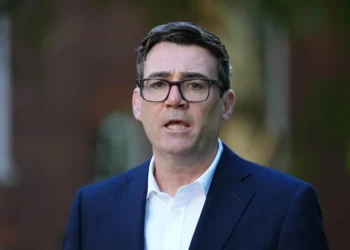 Burnham Leaves Door Open to Future Brexit Reversal
 Thinktank Calls for Abolition of UK State Pension
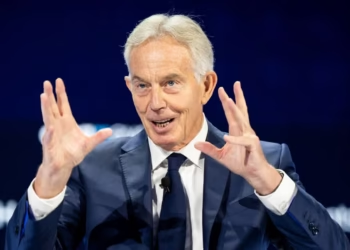 Tony Blair Calls for Britain to Rejoin EU Within a Decade
 Badenoch Raises Prospect of 2027 UK Election
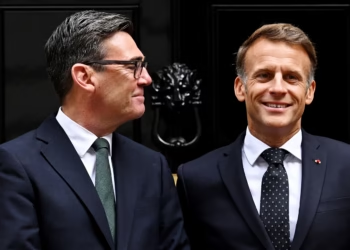 France Urges UK to Consider Returning to EU
 Labour MP Urges Billions for Affordable Homes
 France Faces Debt Crisis as Protests and Markets Clash
 Labour Fears Budget Will Fail to Lift Living Standards
 UK Could Rejoin EU Through a Switzerland Plus Deal
 Cormann Warns Australia Against Populist Migration Caps
 UK Aid Set to Fall Short of Reduced 2027 Target
 UK Doubles Steel Tariffs to 50% to Protect Domestic Plants
 Reform UK funding: mystery billionaire revealed
 BBC News Faces Deep Cuts in 2,000 Job Plan
 Farage and Reform UK Reshape British Politics
 Starmer Leadership Under Pressure After Setbacks
 Labour MPs Urge Burnham to Revive UK Aid Target
 Burnham unveils £65m drought aid for farmers
 Europe Faces Winter Gas Supply Anxiety
 UK Households Could Save £173 on Fixed Energy Deals
 Burnham Faces Mounting Budget Challenges
 Trump Hardens Canada Trade Stance as Talks Stall
 Masked Protesters Bring Dover Port Traffic to Standstill
 Swedish Mining Push Puts Sami Land Rights Under Pressure
 UK House Prices Fall as Mortgage Rates Rise
 UK plans tougher Israel stance with settlement trade ban
 Oil nears $100 as Saudi attacks shake markets
 Thames Water Revises Oxfordshire Mega-Reservoir Plan
 UK Pay Growth Slows to 3.9% as Rate Decision Nears
 Bank Urged to Slow Bond Sales as UK Costs Rise
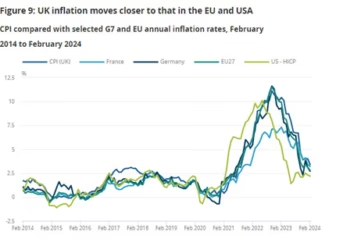 UK Inflation Hits 3.1% as Household Pressure Grows
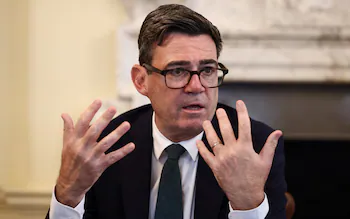 Mayors Could Gain Greater Powers Over Water Firms
 Trump Threatens EU With Tariffs Over Canada Proposal
 Trump Threatens EU Over Canada Partnership Proposal
 UK Rent Gap Puts Low-Income Families Under Pressure
 Lib Dems Prepare for Election Amid Reform Challenge
 Labour Apprenticeship Scheme Faces Slow Start
 Trump Eyes Major Belarus Fertiliser Deal Amid Canada Trade Dispute
 King Refers Jamaica Slavery Petition to Privy Council
 MPs Defend UK Economic Watchdog Against Critics
 Iran Rejects Claims of Shift in US Talks
 Elif Eralp Emerges as Berlin’s Next Political Force
 Saudi intercepts Houthi missiles as oil fears grow
 Three Die in Channel Crossing Attempt Near France
 Madrid Tent Camp Grows as Spain Housing Crisis Deepens
 Burnham Opens Debate on Pension Triple Lock for Care
 Poundland Rescue Bid Could Protect 11,000 Jobs
 Drumcree Talks Falter as Legal Challenge Deepens
 UK-France Returns Deal Faces Expiry as Talks Stall
 Healey urged to act as UK energy bills rise 4%
 Green Party faces dispute over Zionism motion
 UK Diesel Reaches £2 as Inflation Surges Across Europe
 Minister Rejects Fears of UK Diesel Shortage
 Spain Sets Snap Election as Housing Crisis Deepens
 Informa Agrees £2.24bn Deal to Buy Clarion
 EU-China Talks Target Surge in Hybrid Car Imports
 Labour Wins Key London By-election as Greens Fall Short
 Turkey Rules Out Troops in Saudi Arabia’s Houthi Conflict
 Burnham Rises as Farage and Polanski Face Setbacks
 Labour Beats Greens in Crucial London By-election
 Milburn Proposes Pre-Apprenticeship Route for Young People
 UK Gaza Refugee Route Criticised Over False Hope Claims
 UK Greens Face Crisis Over Zionism and Extremism Row
 IFS Warns UK Budget Faces £35bn Spending Gap
 IMF Warns Global Economy Is Nearing Its Limits
 Millions Face Tougher Medicaid Rules From January
IMF Raises UK Growth Forecast Ahead of Healey’s Budget
 Farage Rejects Claims Reform Would Let Troops Shoot Migrants
 Brazil Cuts Working Week to 40 Hours in Lula Election Boost
 Brexit Debate Returns as UK Voters Reconsider EU Exit
 UK Plans Higher Training Costs for Older Apprentices
 Milan Luxury Stores Shut as Italy Plans Troop Deployment
UK Borrowing Hits £24.5bn Ahead of Healey’s Budget
 Middleton Revitalisation Blueprint for UK Towns
 Tax Online Sales to Save High Street, Burnham Urged
 Older Worker Training Plan Faces Business Backlash