Published: 03 November 2026. The English Chronicle Desk. The English Chronicle Online.
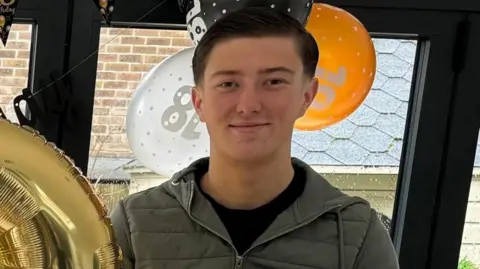
Henry Nowak’s family has spoken out against the political controversy that followed his killing in Southampton, saying the teenager “would have hated” the riots and protests that emerged in his name and accusing politicians of turning his death into part of a wider political argument.
Nowak was fatally stabbed by Vickrum Digwa last year in an incident that has since become the subject of intense public debate, political campaigning and scrutiny of the police response. His family has now made clear that they do not believe their son’s character or values were reflected in the political reaction that followed his death.
In an interview for an ITV documentary, Dear Henry: Our Fight for Justice, members of the family described their determination to keep politics away from the tragedy. They said their focus remained on understanding what happened to Henry, why he was treated as he lay dying and whether the authorities missed opportunities to protect him.

The family’s comments come after protests were held in Southampton in the weeks following the teenager’s death. The demonstrations attracted people associated with a number of political groups and were promoted through social media. The case also became a focus of arguments about policing, race and political claims of unequal treatment by law enforcement.
Henry’s mother, Lucy Ross, said she believed some politicians had attempted to connect her son’s death with broader political disputes. She rejected that approach, saying the family had no interest in allowing the tragedy to become part of a political contest.
Ross said her priority was understanding why her son was lying on the ground and why, in her view, he was treated differently from another family involved in the incident. Her comments reflected the continuing pain and frustration of a mother seeking answers about the circumstances surrounding her son’s final moments.
The controversy intensified after Henry was reportedly handcuffed by police while he was dying. His attacker had falsely accused him of racial abuse, adding another deeply troubling element to an already traumatic incident.
The circumstances were subsequently seized upon by Reform UK leader Nigel Farage, who delivered an emergency address following the killing. Farage called on members of the public to respond with what he described as “pure cold rage” and used the case to demand an end to what he called “two-tier policing”.
The political response helped turn the case into a national controversy, with demonstrations taking place in Southampton. Supporters of different political movements attended events after calls for protests circulated online.
For the Nowak family, however, the political mobilisation surrounding Henry’s death has been deeply uncomfortable. His father, Mark Nowak, said his son was not a divisive person and that the political response did not reflect the values Henry held or those of his family.
The family’s position is significant because it separates their search for justice from the political campaigns that developed around the case. Rather than seeking political confrontation, they have repeatedly focused on accountability, the conduct of authorities and an explanation of what happened to their son.
The police response remains an important part of those questions. The Independent Office for Police Conduct has been examining potential failures in the handling of the stabbing and is expected to conclude its investigation early next year.
In a letter sent to the family in April, the watchdog said that after reviewing the available evidence it had initially found no basis for officers to be subjected to a conduct or criminal investigation. It said no concerns had been identified regarding officers’ actions or decisions that would have been sufficiently serious to justify disciplinary proceedings if the concerns were subsequently proven or admitted.
The watchdog also stated that its decision not to investigate attending officers would remain under review during the life of the case.
That position subsequently changed. In July, the police watchdog announced that two officers were under investigation for potential gross misconduct. The development added another layer to a case that had already generated significant public and political attention.
The differing stages of the police watchdog’s investigation have contributed to continuing uncertainty for the family. While the authorities have maintained that decisions are being assessed through established procedures, Henry’s relatives continue to seek a clear account of what happened in the moments surrounding his death.
The government has also intervened. Home Secretary Shabana Mahmood commissioned an independent review of the case, including the involvement of the police watchdog. The review is being led by former lord chancellor Alex Chalk and is intended to examine whether there were any missed opportunities to intervene.
The independent review could therefore become an important part of the family’s search for answers. Its remit extends beyond individual actions and is expected to consider whether there were failures in the wider response to the incident.
Mahmood told ITV that she had been moved by the family’s dignity in dealing with what she described as an unimaginable situation. She said the family deserved answers and that she had committed herself to ensuring those answers were pursued.
For the family, the issue is ultimately much more personal than the political debate that has developed around Henry’s death. They have lost a son and brother, while the public controversy has continued to grow around the circumstances of his killing.
Mark Nowak’s description of his son as a non-divisive person offers a picture of the teenager that the family wants to preserve. Their comments suggest they fear that the political arguments surrounding the case risk overshadowing the person Henry was and the grief experienced by those closest to him.
Lucy Ross has also made clear that she does not believe Henry’s death should be treated as a convenient symbol in a wider political dispute. Her criticism reflects a broader concern sometimes expressed by families of victims when individual tragedies become heavily politicised.
The situation also demonstrates how cases involving violent deaths can quickly become intertwined with wider debates about race, policing and political identity. Once a case becomes part of a national argument, the family’s own voice can risk being overshadowed by competing political narratives.
In Henry’s case, that tension has been particularly pronounced because the circumstances involved both an alleged false accusation of racial abuse and questions over how police officers treated him while he was critically injured. Those elements made the incident especially vulnerable to political exploitation.
Yet the family’s message remains focused on accountability rather than confrontation. They want to understand the decisions made by authorities, whether anything could have been done differently and whether lessons can be learned from what happened.
The forthcoming findings of the police investigation and the independent review may provide some of those answers. They could also help establish whether there were shortcomings in the official response and whether opportunities existed to intervene before the situation became fatal.

Until those processes are complete, many questions surrounding Henry’s final moments remain unresolved. The family is therefore continuing to wait for formal findings while trying to protect the memory of a teenager they say did not represent the division that emerged after his death.
Their rejection of the political response is ultimately a plea to keep Henry at the centre of the story as a person rather than a political symbol. For his parents and sister, the tragedy is not an argument about political ideology or policing slogans. It is the loss of a young family member whose life was cut short and whose relatives now want a truthful account of what happened.
As investigations continue, the family’s call for answers is likely to remain central to the case. Their insistence that Henry “would have hated” the riots and division that followed his death serves as a reminder that behind the political controversy is a grieving family still trying to understand how and why their son died.
Related News:
 Patriot Platform Raises Concern Across Britain
 Hundreds of UK prisoners released early amid overcrowding
 Drumcree Talks End Without Agreement Ahead of Appeal
 England and Wales Begin Second Wave of Early Prison Releases
 Undercover officer deceived women with ‘grotesque and cruel’ lies, spycops inquiry told
 Barrister Criticises Trial After Suicide Case Verdict
 Murder Probe Continues After Arrest Release
 Westminster Council Threatens Charing Cross Soup Kitchen
 BBC Warned About Missing Clothes of Murder Victim
 Cambridge Professor Jason Arday Found Dead at Home
 Ministers Condemn Far-Right Unrest in Portsmouth
 Councils spend £125m on illegal children’s care
 Reform UK Receives Record £36m Donation From Crypto Billionaire
 Election Candidate Abuse Raises Alarm in England
 Piddington Votes for Symbolic Independence Over Asylum Plan
 Mahmood Warns Far Right Over Asylum Protests
 UK Reviews Hague Child Abduction Cases Involving Abuse
 Democrat Says ICE Restricted Detention Camp Oversight
 King Refers Jamaica Slavery Petition to Privy Council
 Far-Right Activist Arrested After Channel Dinghy Incident
 Portadown protest ends after tense Orange Order standoff
 Free Speech Emerges as Key UK Election Issue
 Fayed Survivors Demand Inquiry Into Medical Regulator
 London Facial Recognition Trial Ends With False Alert
 Drumcree Talks Falter as Legal Challenge Deepens
 UK-France Returns Deal Faces Expiry as Talks Stall
 Almost Half of Fayed Accusers May Be Trafficking Victims
 Badenoch Raises Prospect of 2027 UK Election
 Latin America women fear rollback of rights
 Gosport Protesters Clash With Police Over Migrant Rescue
 Royal Navy Sailor Charged With Alleged Spying
 Luton Residents Reject Claims of ‘No-Go Zones’
 NSW Police Bid Delays Inquiry Into Sydney Protest
 ICE Agent Shoots Man in New York as Child Escapes Harm
 Recruitment Boss Accused of Leading Doxxing Campaign
 British Military School Abuse Victims Denied Justice
 Farage Rejects Claims Reform Would Let Troops Shoot Migrants
 Camera Discovery Triggers Navy Ship Investigation
 UK Bill Faces Warning Over Fayed Trafficking Victims
 Jenrick Defends Farage Amid Fresh Reform Racism Claims
 Jess Phillips Urges Supreme Court to Reverse Abuse Ruling
 Serbia’s Student Victory Sparks a ‘Smell of Freedom’
 Trump’s Midterm Campaign Faces Racism and Political Backlash
 Ministers Clash Over Mahmood’s Migration Reforms
 Russell Brand Trial Enters Crucial Week of Evidence
 Domestic Abuse Survivor Fears Attacker Without Tag
 CPS Prosecutor Cites Fictitious Case in High Court
 French Taxi Driver Cleared in David Lammy Theft Case After Fare Dispute
 Immigration Judges Fear Pressure in Trump Era
 RAF Barnham Protests Fuel Tensions in Norfolk Town
 Internal Exclusions Surge in England’s Schools
 Israel Accused of Undermining Palestinian Life
 Texas Charges Seven Noncitizens in Voting Crackdown
 Disabled Travellers Seek Fairer UK Care Rules
 Harrods Faces Dispute Over Fayed Abuse Compensation
 Lib Dems Prepare for Election Amid Reform Challenge
 Cornell Fraternity Assault Investigation Reopened
 UK University Strikes Spread as Financial Pressure Grows
 Burnham Opens Door to Possible UK Return to EU
 Green Party faces dispute over Zionism motion
 French School Protests Escalate as 400 Schools Close
 New Prosecutor Takes Over Cornell Assault Case
 Andrew Mountbatten-Windsor Challenges Police Raids
 Palace Rejects Funding Andrew’s Police Legal Challenge
 Police accused of failing abuse victims
 Sri Lanka Ex-First Lady Arrested Over Donation Probe
 South Africa Withdraws Directive on Asylum Applications
 Delhi Tightens Security Ahead of Election Protest
 US Execution Livestream Plan Sparks Global Outrage
 Elizabeth Struhs Inquest Examines Child Safety Failures
 Farage Calls for Prosecution of Asylum Seeker Charities
 Senegal LGBTQ+ Crackdown Drives People Into Hiding
 Gadi Eisenkot: Israel’s Anti-Netanyahu Challenger
 UK Pledges Stronger Protections for Disabled Air Passengers
 US Military Failed to Notify UK Police Over Airman Crime
 Former RAAF Pilot Accused of Murdering Wife
 UK Land Registry Plan Faces Opposition From Landowners
 Erin Patterson Faces Life in Prison After Appeal Loss
 King Charles Faces Reparations Protests at Antigua Summit
 Alan Jones Trial Paused for Melbourne Cup Viewing