Victoria’s governing Labor Party is facing growing uncertainty ahead of the state’s November 28 election after a new opinion poll placed it behind both the Coalition and Pauline Hanson’s One Nation, recording its lowest primary vote in the survey’s history. The findings have triggered concern and frustration among Labor MPs, with questions emerging over the government’s campaign strategy and Premier Ben Carroll’s leadership as the election approaches.
The DemosAU/PremierNational poll, first published by the Herald Sun on Monday, put Labor’s primary vote at just 18%, a seven-point decline since September. The Coalition secured 33%, while One Nation reached 21%, placing the right-wing populist party ahead of the governing Labor government. The Greens also recorded an improvement, rising three points to 17%.
The figures represent a significant challenge for Labor, which has governed Victoria for several years and is seeking another term. The poll suggests that voter dissatisfaction may be spreading beyond the traditional contest between Labor and the Coalition, with One Nation attracting support from people who might previously have considered other political options.

The Coalition’s advantage becomes even more striking when preferences are distributed. According to the survey, the opposition leads Labor by 56% to 44% on a two-party-preferred basis, widening its advantage from 52% to 48% in September. If the figures were reflected in the election result, Labor could face substantial losses across the state.
George Hasanakos, head of research at DemosAU, described the result as extraordinary but said he had repeatedly checked the figures. The survey involved 1,562 respondents, with an effective sample of 818 and a margin of error of 3.4%. Hasanakos said the organisation had deliberately used a larger sample and stood by the findings.
He warned that if the polling pattern continued through election day, many contests could become battles between Liberal or National candidates and One Nation representatives. Such a development could produce a clear Coalition majority, particularly because preferences from Labor and Greens voters would be expected to flow towards Liberal candidates in many of those contests.
Hasanakos also suggested that One Nation would need to perform exceptionally well to win individual seats under such circumstances. The party’s strong primary vote does not automatically translate into electoral victories, as the distribution of preferences can substantially change the outcome in Australia’s preferential voting system.
The Victorian Electoral Commission plans to conduct a two-candidate-preferred count on election night. This process estimates which two candidates are likely to finish strongest after preferences are distributed. The commission is selecting indicative counts for individual seats using polling, previous election results and analysis of preference flows. It will not release those indicative figures before election day, in order to avoid influencing voters.
For Labor, however, the immediate concern is not only the possibility of losing government but also the apparent fragmentation of its traditional support. One Nation’s position ahead of Labor suggests that the governing party may be struggling to retain voters who are dissatisfied with issues such as crime, the cost of living and the broader direction of state politics.
Premier Ben Carroll declined repeatedly to say whether he was worried about the poll when questioned during a press conference in South Melbourne on Monday. Instead, he sought to redirect attention towards his government’s promises to working people and its claim to represent the interests of ordinary Victorians.
Carroll said his focus was on ensuring that voters understood his government’s commitment to protecting workers and supporting communities. He argued that a government led by the Liberal Party with One Nation’s support would damage the economy, risk recession and make life more difficult for residents.
His comments reflected Labor’s emerging campaign strategy of presenting the election as a choice between a government that supports working people and an opposition arrangement that could threaten economic stability. However, the message has not reassured all members of his own party.
Several Labor MPs, speaking anonymously, expressed serious concern about the party’s position and questioned the direction of the campaign. Some were sceptical that Labor’s primary vote had fallen as low as 18%, pointing to other publicly available surveys that placed its support in the 20s. At the party’s campaign headquarters, the latest result was reportedly being treated as an outlier rather than a definitive indication of election-day voting intentions.
Despite those reservations, the poll has intensified internal criticism. Some MPs believe the party’s campaign has failed to establish a convincing message and that recent decisions have done little to address the issues most important to voters.
One Labor MP described the caucus as angry and demoralised, arguing that the party’s difficulties were linked to Carroll’s leadership. The MP said that even if Labor’s primary vote recovered above 20%, the campaign’s current direction had been unsuccessful and could deteriorate further.
Another MP criticised the government’s recent emphasis on crime, describing it as a deeply misguided strategy. The criticism centred on the argument that Labor had been in government for years and had sufficient time to respond to public concerns about crime and community safety. The MP questioned why the government was now making the issue a central feature of its election campaign.
Crime has traditionally been an area of political strength for the Coalition, which has sought to portray Labor as insufficiently tough on offenders. In recent days, Carroll has attempted to challenge that perception by announcing substantial spending commitments focused on youth justice and policing.
On Sunday, the premier announced a A$204 million plan to allow judges to sentence low- and mid-level youth offenders to a new rehabilitation detention programme. The proposal is intended to combine accountability with rehabilitation, although its effectiveness and implementation are likely to become important subjects of debate during the campaign.
The following day, Carroll announced a further A$70 million commitment to recruit 200 additional police reservists. The plan would support the reopening of police stations and the construction or upgrading of facilities across Victoria.
The announcements suggest that Labor is attempting to respond directly to public anxiety about crime while preventing the Coalition from dominating the debate on law and order. However, the criticism from within the party indicates that some MPs believe the government is reacting to the opposition’s agenda rather than presenting its own broader vision for Victoria.
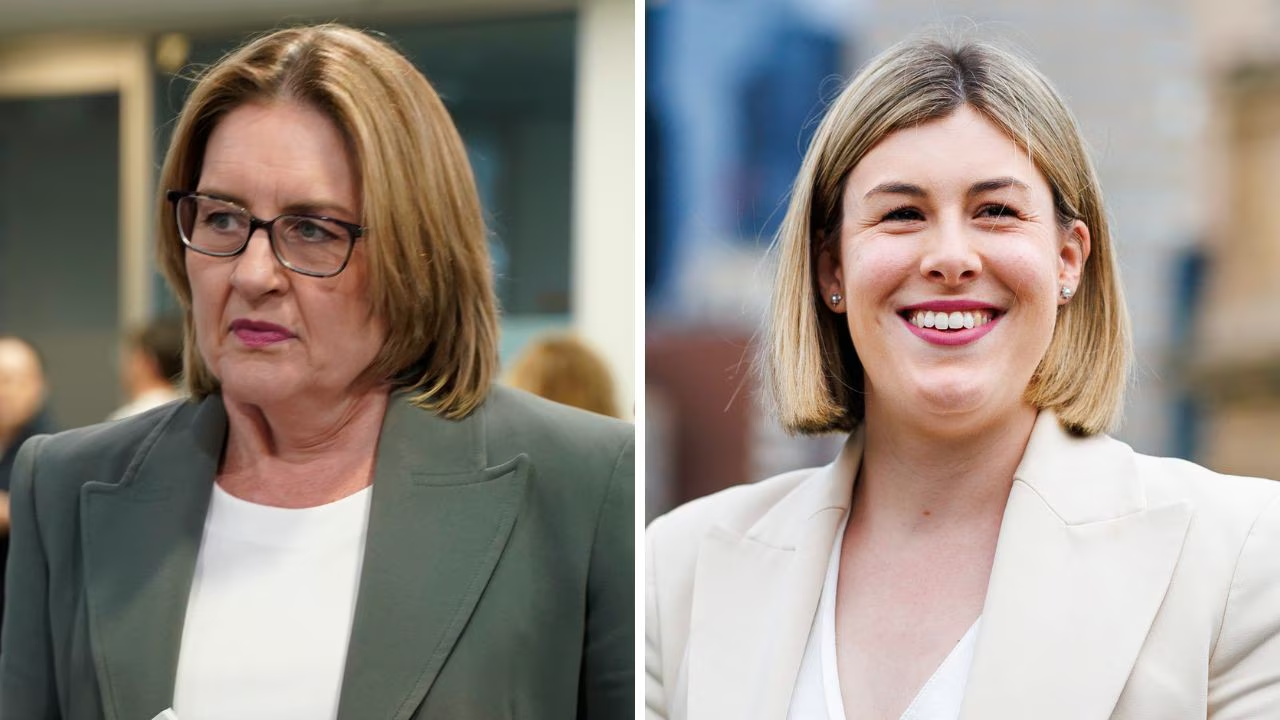
Opposition leader Jess Wilson has continued to make public safety a central element of the Coalition’s campaign. On Monday, she highlighted her party’s commitment to tougher sentencing and proposed Aidan’s Law, named after 22-year-old Aidan Becker.
Becker was fatally stabbed at Mernda railway station after reportedly intervening to protect a 14-year-old during an alleged violent robbery. The proposed law would strengthen sentencing for attacks against people who step in to protect others. The case has become an emotionally significant issue in the election debate, placing public safety and the protection of bystanders at the centre of competing political promises.
Carroll quickly matched Wilson’s commitment to introduce the proposed law, demonstrating how crime policy is becoming an increasingly competitive issue between the major parties. The political contest over the proposal also illustrates the pressure Labor faces to show that it can respond decisively to public concerns.
Meanwhile, One Nation has been dealing with controversy surrounding its former national campaign director, Sean Black. Reports by The Age and the television programme 60 Minutes alleged that Black continued to work secretly for the party in Victoria after being dismissed earlier in the year.
Black was jailed for rape in 2018 and subsequently lost an appeal against his conviction. After serving his sentence, he was rehired by One Nation in 2020 as a campaign director. Hanson later dismissed him following political pressure earlier this year.
Hanson rejected the reports suggesting that he remained involved in the party’s Victorian operations. Speaking to the Australian Financial Review on Monday, she insisted that Black’s employment ended on the day she dismissed him. The allegations have added another controversy to One Nation’s growing presence in the state’s election campaign.
The party’s rise to 21% in the latest poll places additional pressure on both Labor and the Coalition. Its support could reshape the political landscape, particularly in electorates where traditional party loyalties are weakening. Nevertheless, the extent to which its primary vote will translate into parliamentary representation remains uncertain because of preference arrangements and the distribution of support across individual seats.

With the November 28 election approaching, Labor faces the difficult task of rebuilding confidence among its supporters while convincing undecided voters that it remains capable of governing effectively. The Coalition will seek to turn its polling advantage into a parliamentary majority, while One Nation will attempt to convert its growing support into electoral influence.
The latest survey is only one measure of public opinion and cannot determine the final result. Its significance, however, lies in the scale of Labor’s reported decline and the political uncertainty it has created within the governing party. The coming weeks will test Carroll’s ability to unite his caucus, defend his government’s record and persuade voters that Labor still deserves another term in office.
Related News:
 Cormann Warns Australia Against Populist Migration Caps
 Athens Mayor Moves to Tackle Overtourism Crisis
 Green Leader Targets Starmer’s Former Seat
 Burnham Opens Door to Possible UK Return to EU
 Spain Sets Snap Election as Housing Crisis Deepens
 Sydney Town Square Plans Face New Planning Hurdle
 Turkey Rules Out Troops in Saudi Arabia’s Houthi Conflict
 Trader Wins Unfair Dismissal Case After Overseas Work
 France Faces Debt Crisis as Protests and Markets Clash
 Hanson Attacks Taylor as Australian Conservatives Clash
 Australia Rejects Russian Fuel as Trump Strikes Deal
 Millions Face Tougher Medicaid Rules From January
 Brazil Cuts Working Week to 40 Hours in Lula Election Boost
 One Nation Pledges $2,000 Baby Subsidy in Victoria
 Australian Mortgages Now Cheaper Than Rent in Some Suburbs
 Alberta Referendum Exposes Deep Divisions Over Independence
 Milan Luxury Stores Shut as Italy Plans Troop Deployment
 Alberta Voters Reject Push for Canadian Independence
 Helen Haines Loses Both Legs After Alleged Attack
 Jim Chalmers Navigates Hard Economic Choices as Inflation
 Greens Face Leadership Test as Jordon Steele-John Misconduct Claims Leave Party in Limbo
 Taylor Faces Backlash Over Response to Haines Attack
 UK Aid Set to Fall Short of Reduced 2027 Target
 Brexit Deal Not Good Enough for Britain, Burnham Says
 McKenzie Warns MP Safety Fears Could Weaken Democracy
 Campbell Urges Australia to Defend Democratic Politics
 Denmark Seeks EU-Wide Ban on Fast-Growing Turbo Chickens
 Australia Raises Interest Rates to 18-Year High
 Australia Reviews UK Visa Rules Amid Worker Influx
 Inquiry Calls for Australia to Scrap AUKUS Submarine Deal
 UK Parliament Faces Risk of Notre Dame-Style Fire
 Hanson Takes Racial Discrimination Case to High Court
 New Zealand’s Opportunity Party Challenges Populist Politics
 Pope Leo Rebukes Milei Over Argentina’s Austerity Policies
 Canada Passes Carney’s First Budget in Tight Parliamentary Vote
 Trump to Deploy “God Squad” Over Gulf Wildlife Protections
 Oil Prices Surge Above $120 Amid Iran Blockade Fears
 Trump approval plunges amid Iran war fears
 US Awaits Iran Reply on New Ceasefire Proposal
 Farage and Reform UK Reshape British Politics
 Starmer Leadership Under Pressure After Setbacks
 Ukraine Creates Long-Range Strike Command
 Burnham unveils £65m drought aid for farmers
 Trump Hardens Canada Trade Stance as Talks Stall
 Trump Calls Iran War ‘Small Potatoes’ Despite US Deaths
 Swedish Mining Push Puts Sami Land Rights Under Pressure
 UK plans tougher Israel stance with settlement trade ban
 Lib Dems Prepare for Election Amid Reform Challenge
 Xi urges Trump to avoid US-China military conflict
 Lula accuses Trump of seeking control over Brazil
 Madrid Tent Camp Grows as Spain Housing Crisis Deepens
 Badenoch Raises Prospect of 2027 UK Election
 French School Protests Escalate as 400 Schools Close
 Families Await USS Abraham Lincoln Homecoming
 South Korea Probes Fuel Shipments to Russia
 Ministers Push ATO to Reconsider Credit Card Ban
 Houthi Missile Claim Sparks Riyadh Airport Disruption
 UK Pharmacy Body Drops Teva After Ethical Concerns
 Trump’s Russian Diesel Deal Sparks Ukraine Fury
 Australian Advocates Seek Subsidised Drugs for PMOS
 Trump Names Katie Zachariah as Next White House Press Secretary
 French Students Protest Poor Conditions in Paris Suburbs
 Brazil Court Scandal Threatens Lula as Bolsonaros Rise
 Greta Thunberg Backs French Students in School Protests
 Gadi Eisenkot: Israel’s Anti-Netanyahu Challenger
 UK Could Rejoin EU Through a Switzerland Plus Deal
 Brexit Debate Returns as UK Voters Reconsider EU Exit
 Zelenskyy Says US Failed to Warn Kyiv of Russian Strikes
 Middleton Revitalisation Blueprint for UK Towns
 Lula Supporters Make Final Push Ahead of Brazil Runoff
 UK Land Registry Plan Faces Opposition From Landowners
 Albanese Faces Labor Pressure as Inflation Hits 4.3%
 Trump’s Global Policies Put Republicans at Risk
 King Charles Faces Reparations Protests at Antigua Summit
 Alan Jones Trial Paused for Melbourne Cup Viewing
 James Talarico Makes History with Texas Senate Victory
 Canada Joins Boycott of Russian Ice Hockey Teams
 Paraguay President Quits After Major Bank Collapse
 UK Employers to Be Forced to Publish Job Salaries
 EU Citizens Sue Home Office Over UK Residency Rights