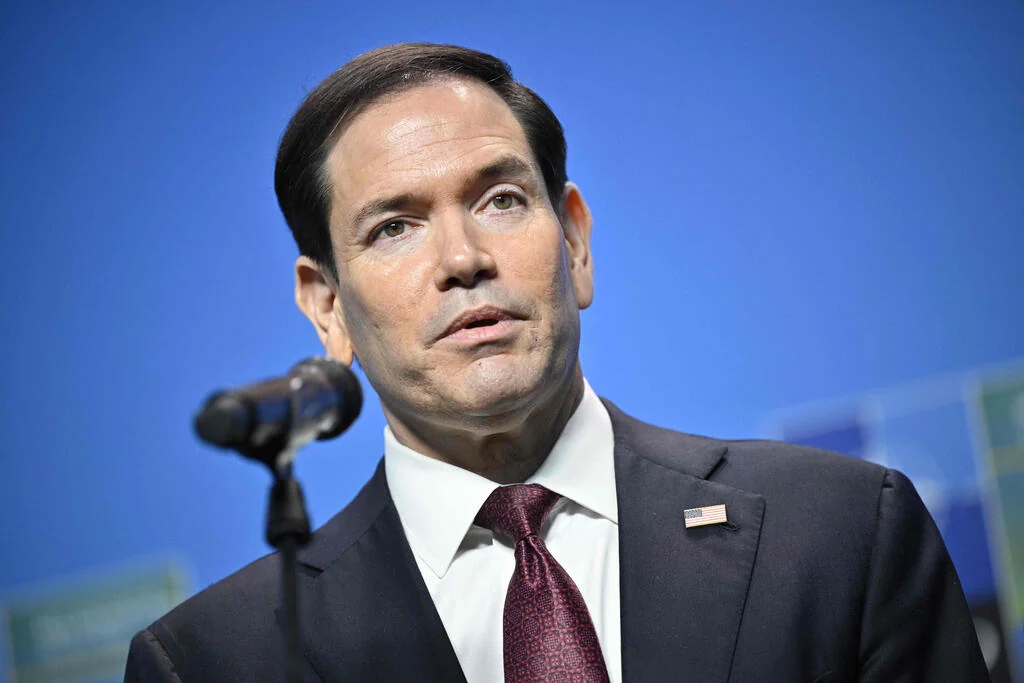
US Secretary of State Marco Rubio has sought to reassure Americans that a series of major technology and communication disruptions affecting government agencies, financial institutions, airlines and technology companies in recent days are not believed to be connected or the result of a coordinated cyberattack. His comments come amid growing public concern over the reliability of critical American infrastructure after successive technical failures disrupted essential services across the country.
The incidents have affected millions of people, leaving workers unable to access important digital tools, customers struggling to use banking services, passengers facing widespread flight delays and government agencies experiencing interruptions to classified communications. The concentration of these failures within a relatively short period has raised questions about whether the United States is facing a broader technological vulnerability or an emerging national security threat.

However, Rubio said the government had found no evidence suggesting that the incidents were connected to malicious activities, foreign interference or organised cyber operations. Speaking to reporters while travelling with President Donald Trump, he emphasised that investigators had no reason to believe that a hostile government, criminal organisation or other malicious actor was responsible for the disruptions.
“We have zero evidence or any reason to believe that any of these isolated or individual instances have anything to do with nefarious actors, with cyber hackers, with criminals, with another nation state, with a malign actor of any kind,” Rubio said.
His remarks were intended to calm concerns surrounding the incidents, particularly because several affected organisations operate systems that are essential to the functioning of the American economy and national security. Nevertheless, the repeated failures have placed pressure on the Trump administration to provide a clearer explanation of what happened, how the disruptions occurred and whether sufficient safeguards are in place to prevent similar incidents.
The sequence of outages began on Thursday, when Microsoft’s email services and other digital tools experienced a major disruption. The failure affected millions of employees and organisations that depend on the company’s technology for workplace communication, document management and daily business operations.
Microsoft subsequently attributed the incident to an earlier network capacity upgrade. The explanation indicated that changes intended to improve the company’s infrastructure had instead contributed to a disruption in services. For businesses and employees relying on Microsoft’s digital ecosystem, the incident highlighted how technical changes within a major technology provider can have consequences across numerous sectors.
The following day, the aviation industry experienced another serious disruption when flights across the United States were grounded. The Federal Aviation Administration ordered a nationwide ground stop, creating significant difficulties for airlines and passengers. The disruption was described as the longest nationwide ground stop since the September 11 attacks.
The FAA attributed the problem to a router upgrade. Although flight operations gradually resumed, the incident demonstrated how technical problems involving relatively specialised infrastructure can affect an entire national transportation network.
Air travel in the United States depends on complex communication systems connecting airports, aircraft operators, air traffic controllers and federal aviation authorities. Any significant interruption to these systems can create operational uncertainty, requiring authorities to delay or suspend flights until safety and communication capabilities are restored.
Thousands of passengers faced inconvenience as departures were delayed, travel arrangements were disrupted and airlines worked to manage the resulting operational difficulties. The incident also raised concerns about the resilience of aviation technology and the need for careful testing before infrastructure upgrades are introduced into critical systems.
The financial sector experienced its own disruption on Monday, when customers at several major American banks reported difficulties accessing online accounts and digital banking services. The money transfer platform Zelle was also affected, creating additional frustration among customers who depend on electronic transactions for everyday payments.
The problems were associated with a technical issue at JPMorgan Chase, one of the country’s largest financial institutions. Chase later explained that a software bug was responsible and stressed that the incident was not related to a cyberattack.
Although the disruption was not presented as a security breach, difficulties accessing banking services raised concerns about the growing dependence on digital financial infrastructure. Millions of Americans now use mobile applications and online platforms to transfer money, pay bills, monitor accounts and conduct business transactions. Even a temporary interruption can therefore create considerable difficulties for individuals and companies.
United Airlines also reported an internal system outage on Monday, although the company subsequently confirmed that the problem had been resolved. The disruption contributed to delays involving departing flights, adding to the difficulties already experienced by the American aviation industry following the earlier nationwide ground stop.
Another significant incident emerged on Tuesday when an internal network used by the National Security Agency to communicate classified information became unavailable. The agency attributed the interruption to routine maintenance.
The incident attracted particular attention because of the NSA’s central role in American intelligence and national security operations. The agency handles highly sensitive information and supports intelligence activities that require secure and reliable communication systems. Although the disruption was attributed to maintenance rather than malicious interference, the incident added to questions about the reliability of essential government technology.
The simultaneous appearance of problems across several major sectors created an atmosphere of uncertainty, particularly because the affected organisations included some of the most important institutions in the United States. Technology companies, airlines, banks and intelligence agencies operate different systems, but their growing dependence on digital infrastructure has made technical reliability a shared national concern.
President Trump, however, appeared relatively unconcerned when questioned about the disruptions during his visit to Manila on Tuesday. Dismissing suggestions that the incidents represented an extraordinary threat, he described them as an ordinary part of operating large and powerful organisations.
“It’s life. When you’re big and powerful and you have all the money, things like that happen. It’s fine,” Trump said.
His response came as the administration faced increasing demands to explain the circumstances surrounding the outages. Critics argued that the public deserved more detailed information, particularly when disruptions affected transportation, financial services and classified government communications.
Karoline Leavitt, Trump’s former press secretary, also stressed the importance of transparency from the White House. Speaking on Fox News, she said the administration needed to provide clearer explanations to the American public.
“What I would say to the White House is: transparency is key,” Leavitt said.
She later praised the administration for allowing Director of National Intelligence Jay Clayton to discuss the situation in an interview with Fox Business Network. Clayton said government officials had been examining the incidents carefully and had not identified evidence suggesting that they were connected to a cyberattack.
He explained that the available information pointed towards technical difficulties involving security upgrades, some of which had taken longer than expected or encountered unforeseen problems during implementation.
His assessment reinforced the administration’s position that the incidents were not the result of a coordinated hostile operation. Nevertheless, investigators and technical specialists will need to continue examining the failures to establish precisely why the different systems experienced problems within such a short period.
Democratic Senator Mark Warner, chairman of the Senate Intelligence Committee, also echoed the assessment that there was no indication of a coordinated cyberattack or foreign interference. He suggested that the increasing pace of technological development, particularly the growing influence of artificial intelligence, could be contributing to new pressures on digital infrastructure.
Warner explained that artificial intelligence is making it possible to identify vulnerabilities across enormous numbers of computer systems much more quickly than before. As organisations become aware of potential security weaknesses, they face pressure to introduce software updates and protective measures without delay.
While such upgrades are essential for protecting sensitive information and preventing cyberattacks, implementing numerous changes within a short period can create additional pressure on systems that were not originally designed to accommodate such rapid modifications.
He argued that the evidence available so far suggested that the disruptions were associated with legitimate efforts to improve system security rather than malicious activity.
The explanation highlights a growing challenge for governments and private companies. As cyber threats become more sophisticated, organisations must continuously update their technology, strengthen security arrangements and identify vulnerabilities. However, even well-intentioned improvements can create unexpected complications when systems are interconnected and depend on complex networks.
Artificial intelligence could make this challenge more significant by accelerating the discovery of vulnerabilities and increasing the urgency of security updates. Companies may feel compelled to introduce changes quickly to protect their infrastructure, but insufficient testing or unexpected compatibility problems can result in service interruptions.
For the United States, the recent incidents have therefore raised a broader question about balancing cybersecurity improvements with operational stability. A secure system must not only protect information against external threats but also remain sufficiently reliable to support essential services during maintenance, upgrades and unexpected technical failures.
The incidents have also demonstrated how deeply modern American society depends on interconnected digital infrastructure. An outage involving a major technology provider can affect workplace productivity, while failures in aviation or financial systems can quickly create consequences for millions of ordinary people.
Although Rubio and other officials have rejected suggestions of a coordinated malicious campaign, the repeated disruptions are likely to intensify discussions about infrastructure investment, technical oversight and emergency preparedness. Government agencies and private companies may face increasing pressure to review their maintenance procedures, improve backup systems and strengthen communication with the public when services become unavailable.

As the investigation and technical assessments continue, the administration’s immediate challenge will be maintaining public confidence while ensuring that critical systems remain dependable. The absence of evidence of a cyberattack may offer reassurance, but it does not remove the need to understand why so many important services experienced difficulties within a matter of days.
Ultimately, the latest wave of outages serves as a reminder that even technologically advanced nations remain vulnerable to operational failures. Ensuring the stability of digital infrastructure will require careful planning, effective security upgrades and stronger cooperation between government institutions and private technology providers.
Related News:
 Xi urges Trump to avoid US-China military conflict
 Meta Faces Election Bias Claims Ahead of Brazil Runoff
 Elon Musk’s $446m Midterm Gamble Ends in Defeat
 Australia Faces Political Risks After US Midterm Shift
 Nvidia Scandal Fuels US-China Security Crisis
 Reform UK funding: mystery billionaire revealed
 Why AI Doomsday Warnings Failed to Slow the Race
 Tom Watson Takes Senior Role at Palantir
 AI Takes Centre Stage in Trump-Xi Talks
 Trump gives Xi red-carpet welcome as trade truce extends
 AI Deepfakes Put New Pressure on Election Trust
 Food Industry Mobilises Against the MAHA Movement
 Brown Targets Ohio Data Centers in Senate Comeback
 UK Must Build Its Own AI to Protect National Security
 US Bans BYD Vehicles at Japan Military Base
 Anthropic IPO Reveals AI Boom’s Huge Costs and Risks
 Global Crises Test Diplomacy as Trump’s Policies Face Scrutiny
 Big Tech Faces a New Political Reckoning in America
 UK Warned Over Dangerous Dependence on China for Minerals
 Zelenskyy Seeks Urgent Help as Russia Hits Ukraine’s Power Grid
 Nvidia and Jensen Huang Face Shareholder Lawsuit
 Elon Musk Leads 165,000 Calls to Reinstate Nvidia CEO
 Trump Defends Lutnick Amid Nvidia Chip Export Controversy
 Government Unveils Northern Powerhouse Rail Plans
 Trump Fed bid heads to Supreme Court
 Can Congress Stop US Sports Teams From Moving Cities?
 Iron Worker Challenges Trump Loyalist in Ohio
 Trump approval plunges amid Iran war fears
 Trump Threatens UN Budget Cuts as US Pushes ‘Trade Over Aid’ Agenda
 US Awaits Iran Reply on New Ceasefire Proposal
 Kevin Warsh sworn in as Fed chair amid economic backlash
 Hormuz Talks Near Critical Stage
 Trump Faces Backlash Over $2bn Earnings Since Return
 Trump Refuses to Sign Housing Bill, But Law Takes Effect
 UK Risks Falling Behind in AI Race
 London Launches First Self-Driving Taxis
 Trump Hardens Canada Trade Stance as Talks Stall
 Trump Calls Iran War ‘Small Potatoes’ Despite US Deaths
 New Mexico Takes Facebook to Trial Over Data Scandal
 AI CEOs Call for Slower Development
 Trump’s Washington Projects Face Architectural Criticism
 Trump Faces Congress Push for AI Guardrails
 Trump and Mamdani Hold Cordial Gracie Mansion Meeting
 Trump Eyes Major Belarus Fertiliser Deal Amid Canada Trade Dispute
 UK Unveils Centre to Counter Foreign Disinformation
 UK Plans New Centre to Counter Information Warfare
 Lula accuses Trump of seeking control over Brazil
 Australia Weighs New Laws After OpenAI Medicare Breach
 Trump backs voluntary AI safety pact with tech giants
 Sheikh Tahnoon and the UAE’s AI Ambitions
 Trump Immigration Policy Faces New Legal Tests
 Jessica Watkins Leads Record-Breaking SpaceX Flight
 Musk’s DOGE Sparks Turmoil Inside US Government
 US Man Arrested Over Canada School Shooting Plot
 IMF Warns Governments Over Rising Debt Burdens
 Doubts Grow Over Trump’s $15bn Iowa Steel Plant
 Trump’s Russian Diesel Deal Sparks Ukraine Fury
 Brazil Court Scandal Threatens Lula as Bolsonaros Rise
 Millions Face Tougher Medicaid Rules From January
 Trump Rallies GOP as Senate Democrats Boost Key Races
 Serbia Leader Linked to Controversial Trump Tower Plan
 Trump Halts New Russia Sanctions Amid Ukraine Rift
 NHS Trusts Reject Palantir’s £330m Patient Data Platform
 UN Warns World Must Cut Emissions by 18% by 2030
 Spain Deepfake Ad Sparks Election Outrage
 Healey Pledges Major AI Investment for UK Security
 China’s AI Ambitions Hit $2.4 Trillion Market Setback
 Fed Expected to Hold Rates Steady Ahead of US Midterms
 Trump’s Global Policies Put Republicans at Risk
 North Korea Linked to Record $6.3bn Binance Crypto Heist
 Haley Stevens Backs Republican Rival in Michigan Senate Race
 James Talarico Makes History with Texas Senate Victory
 Paraguay President Quits After Major Bank Collapse
 Democrats Expand House Majority in Major Midterm Victory
 Paraguay President Impeached and Arrested After Banking Crisis
 US Treasury Chief Moves to Military Base Over Iran Threat
 UK Civil Service Chief Vows Radical Whitehall Reform
 Megaspeed Mystery Deepens After Nvidia CEO Resigns
 Microsoft Outage Sparks Billion-Dollar Fears in Australia
 UN Climate Talks Renew Push for Carbon Removal Technology