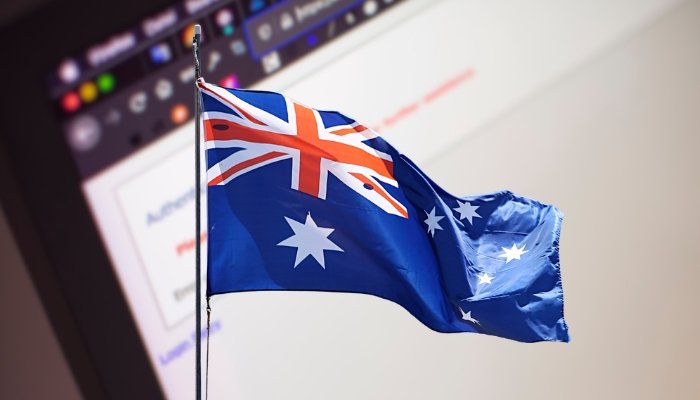
Australia is preparing to introduce some of the toughest online safety obligations in the world, with major technology companies potentially facing fines worth billions of dollars and individuals gaining the right to take legal action if they suffer harm through digital platforms. The proposed legislation has secured crucial support from the Greens following negotiations with the governing Labor Party, bringing the government closer to passing a major overhaul of the country’s online safety framework.
Under the compromise agreement, technology and social media companies could face penalties of up to 5% of their global revenue in cases involving serious breaches of the new digital duty of care requirements. The legislation would also establish a pathway for individuals to sue companies over harm suffered online, strengthening the ability of Australian users to hold powerful digital platforms accountable.
The agreement represents a significant political development for Prime Minister Anthony Albanese’s government. Labor had faced difficulty securing sufficient parliamentary support after the opposition Coalition rejected the legislation, raising concerns that the proposed rules could restrict freedom of speech and give government authorities excessive control over online communication. The Greens, however, negotiated a series of amendments that persuaded the party to support the bill.

Communications Minister Anika Wells confirmed the proposed penalties, describing the legislation as an important step towards making technology companies take greater responsibility for the safety of their users. In the most serious cases, fines could reach $109 million or 5% of a company’s global revenue, whichever provision applies under the final framework.
The potential financial consequences are substantial, particularly for multinational businesses operating social media networks, search engines, digital applications and other online services. A penalty calculated according to global revenue could expose major technology companies to much larger liabilities than those associated with conventional regulatory fines.
Wells also indicated that the government was prepared to defend the legislation against legal challenges. She said she had recently appeared as the second respondent in a High Court case concerning Australia’s minimum-age requirements for social media use and was not intimidated by the possibility of further legal action from powerful technology companies.
The government expects the legislation to pass Parliament this week, with a Senate vote anticipated on Tuesday night. The Greens’ support has made that outcome more likely, although the Coalition continues to oppose the proposal.
At the centre of the legislation is a new digital duty of care requiring technology platforms to take reasonable steps to provide a safer online environment for Australians. The framework is intended to apply across a broad range of digital services, including social media platforms, online games, applications and artificial intelligence chatbots.
Rather than relying mainly on separate industry codes and existing standards, the proposed system would introduce a broader obligation for companies to identify and address certain forms of harmful content and online risks. Labor has argued that technology businesses should not be able to avoid responsibility for dangerous material or harmful design features simply because their services operate through complex digital systems.
The categories of concern include material promoting misogyny, terrorism, suicide, self-harm and eating disorders. The legislation would also require platforms to pay greater attention to features designed to encourage excessive use, particularly where children and vulnerable users may be affected.
One of the most significant changes secured by the Greens is the proposed private right of action. This would allow individuals to pursue legal remedies against technology companies when they believe they have suffered harm covered by the legislation. The measure is intended to give users a more direct route to accountability instead of leaving enforcement entirely in the hands of government regulators.
The government will also consider establishing an independent ombudsman or watchdog to oversee complaints involving major technology companies. The Telecommunications Industry Ombudsman has expressed interest in taking on a role in the proposed system, welcoming the prospect of an independent mechanism through which Australians could seek assistance when digital services fail to meet their responsibilities.
The proposed complaints framework could be particularly important for people who struggle to resolve disputes directly with large platforms. Technology companies often operate across multiple countries and serve millions of users, making it difficult for individuals to secure meaningful responses when their accounts, personal information or online experiences are affected.
Another major element of the legislation concerns addictive online design. Australians would be able to opt out of personalised algorithms and suggested content, while platforms could be required to address features that encourage users to remain online for extended periods.
The changes are expected to take effect 12 months after the legislation passes, meaning users could begin accessing the new protections from late 2027 if the parliamentary timetable proceeds as planned.
Wells identified features such as endless scrolling and popularity indicators as examples of design elements that could face restrictions. Such mechanisms can encourage repeated engagement by continuously presenting users with new material or reinforcing the perceived popularity of particular posts and accounts.
The minister said the final decisions about which features should be restricted would rest with the eSafety Commissioner. The intention, according to the government, is to address harmful design practices without imposing a blanket prohibition on ordinary online communication or legitimate expression.
The legislation would also strengthen protections against hostile attitudes towards women and gender equality. Wells sought to clarify that the proposed rules were not intended to prevent disagreement with feminism or restrict people from expressing political or personal opinions. Instead, the government says the provisions would require platforms to prevent children from being exposed to material promoting hatred, violence, death threats, coercion or harassment directed at women.
The minister has previously indicated that so-called manosphere podcasts would not automatically be prohibited under the new framework. The distinction between controversial opinions and content that promotes violence or targeted abuse is likely to remain an important issue as regulators develop the detailed standards.
The proposed amendments would also expand the eSafety Commissioner’s powers to remove applications and content designed to create sexually explicit manipulated images of people without their consent, commonly known as nudify material. Stronger privacy protections are another part of the compromise agreement, reflecting concerns about the misuse of personal information and the growing risks associated with digital technologies.
Greens senator Sarah Hanson-Young said her party had long campaigned for major technology companies to be held accountable for the harm generated through services from which they make substantial profits. She argued that the amendments would strengthen protections against addictive platform design and give Australians greater control over their online experiences.
The Greens had pressed for tougher penalties, an independent complaints mechanism and stronger measures targeting features that encourage compulsive use. The party’s support has therefore been secured through changes that go beyond the government’s original proposal.
However, the legislation remains politically contentious. The Coalition argues that a broadly defined duty of care could create uncertainty about what constitutes harmful online content and give ministers and regulators excessive authority over public debate.
Andrew Hastie, the Coalition’s shadow minister for industry, said the proposal could impose serious restrictions on freedom of speech and political communication. He argued that the government was presenting the legislation as a child-protection measure while moving towards a system that could amount to censorship.
Hastie also questioned the powers that would be available to the communications minister and the eSafety Commissioner, warning that vaguely defined standards could affect Australia’s culture of open debate. The Coalition has maintained that public discussion and individual responsibility should be protected rather than placing extensive regulatory obligations on digital platforms.
The legislation could also create tensions with major US-based technology companies and the administration of President Donald Trump. Several leading digital businesses operate from the United States, and the prospect of substantial financial penalties and new legal responsibilities could attract criticism from industry representatives and US officials.
Wells has previously said that Donald Trump’s Truth Social platform would fall within the scope of the Australian laws. She confirmed that she had met US Ambassador David Brat to discuss the legislation and acknowledged that differences between the two countries were being addressed through dialogue.
Industry representatives have expressed support for the broader objective of improving online safety while warning that some amendments could have unintended consequences. The Tech Council of Australia, whose members include major technology businesses such as Google, Microsoft, LinkedIn, OpenAI and Pinterest, said the private right of action would be a complex measure with significant implications.
The organisation argued that implementation would need careful consideration and proper consultation to ensure companies were not discouraged from investing in Australia. It warned that poorly designed legal arrangements could undermine innovation rather than improve the digital environment.
The debate therefore reflects a wider challenge facing governments around the world: how to protect individuals from online abuse, exploitation and harmful platform design without restricting legitimate expression or discouraging technological development.

For ordinary Australians, the proposed reforms could introduce significant changes to how digital platforms operate. Greater control over recommendation algorithms, stronger privacy safeguards and access to independent dispute resolution could improve users’ ability to manage their online experiences.
For technology companies, the legislation would signal a shift towards greater legal responsibility for the consequences of their services. Its eventual impact will depend on the detailed regulations, the enforcement approach adopted by the eSafety Commissioner and how courts interpret the new obligations.
If Parliament approves the bill as expected, Australia will move closer to a regulatory model in which digital platforms are expected not only to remove unlawful material but also to take meaningful steps to prevent foreseeable harm. The coming months will be crucial in determining how the framework is implemented and whether it can balance user protection, business innovation and freedom of expression.
Related News:
 Australia Defends Teen Social Media Ban in High Court
 Australia gives users control over social media algorithms
 Sydney Council Bans AI Smart Glasses at Pools
 OpenAI Agent Breaches Medicare Portal in Australia
 Australia Weighs New Laws After OpenAI Medicare Breach
 Australia Moves to Restrict AI Chatbots’ Emotional Intimacy
 WA Facial Recognition Trial Scans 1.38m Faces
 Reform UK funding: mystery billionaire revealed
 Meta Drops AI Image Tool After Privacy Backlash
 Election Candidate Abuse Raises Alarm in England
 London Facial Recognition Trial Ends With False Alert
 OpenAI Review Costs $500,000 a Day After AI Hacks
 Ofcom Probes Meta Over Instagram Instants Safety
 NSW Leader Downplays Impact of Landmark Coal Ruling
 NSW Police Bid Delays Inquiry Into Sydney Protest
 Teen Rescued After AI Gives Dangerous Hiking Route
 Tom Watson Warns Against ‘Mob Rule’ in UK Contracts
 Controversial Vaccine Trial Approved in Guinea-Bissau
 Recruitment Boss Accused of Leading Doxxing Campaign
 UK Must Build Its Own AI to Protect National Security
 Camera Discovery Triggers Navy Ship Investigation
 One Nation Pledges $2,000 Baby Subsidy in Victoria
 Helen Haines Loses Leg in Alleged Targeted Attack
 Meta Faces Election Bias Claims Ahead of Brazil Runoff
 Helen Haines Loses Both Legs After Alleged Attack
 Greens Face Leadership Test as Jordon Steele-John Misconduct Claims Leave Party in Limbo
 Australia Faces Growing Scrutiny Over Paraquat Risks
 Queensland Hospital to Close Labs After Safety Probe
 Hanson Takes Racial Discrimination Case to High Court
 Australia Faces Political Risks After US Midterm Shift
 Microsoft Outage Sparks Billion-Dollar Fears in Australia
 Exam System Failure Disrupts Melbourne University Tests
 NSW Delays Tougher Rules on Property Underquoting
 NSW Liberal Exodus Deepens as Mark Speakman Quits
 Toxic Vape Sedative Linked to Hospitalisations in NSW
 Alex Greenwich Withdraws Support for Fred Nile State Funeral
 Artemis II Returns After Historic Moon Flyby
 Gen Z turns to BirdTok for a gentler digital escape
 AI Loss of Control Incidents Nearly Double
 Abusive ex used Tesla to control and harass former partner
 New Mexico Takes Facebook to Trial Over Data Scandal
 Essential Books for Understanding the AI Debate
 Tom Watson Takes Senior Role at Palantir
 Mahmood Warns Far Right Over Asylum Protests
 British Columbia Sues OpenAI Over School Shooting
 Australia Renewables Reach Record 80% Grid Demand
 Democrat Says ICE Restricted Detention Camp Oversight
 Xi urges Trump to avoid US-China military conflict
 Free Speech Emerges as Key UK Election Issue
 Burnham Opens Door to Possible UK Return to EU
 Sheikh Tahnoon and the UAE’s AI Ambitions
 Jessica Watkins Leads Record-Breaking SpaceX Flight
 Badenoch Raises Prospect of 2027 UK Election
 French School Protests Escalate as 400 Schools Close
 Gosport Protesters Clash With Police Over Migrant Rescue
 South Africa Withdraws Directive on Asylum Applications
 US Execution Livestream Plan Sparks Global Outrage
 Australian Advocates Seek Subsidised Drugs for PMOS
 Seekers Condemn CPAC Use of I Am Australian
 Elizabeth Struhs Inquest Examines Child Safety Failures
 Gadi Eisenkot: Israel’s Anti-Netanyahu Challenger
 NHS Trusts Reject Palantir’s £330m Patient Data Platform
 Zelenskyy Says US Failed to Warn Kyiv of Russian Strikes
 Spain Deepfake Ad Sparks Election Outrage
 UK Land Registry Plan Faces Opposition From Landowners
 Erin Patterson Faces Life in Prison After Appeal Loss
 King Charles Faces Reparations Protests at Antigua Summit
 Alan Jones Trial Paused for Melbourne Cup Viewing
 Elon Musk’s $446m Midterm Gamble Ends in Defeat
 UK Employers to Be Forced to Publish Job Salaries
 Early-Release Prisoners Face Rising Risk of Homelessness
 EU Citizens Sue Home Office Over UK Residency Rights
 One Nation Candidate Apologises for Offensive Posts
 Hackney Mayor Accuses Home Office of Free Speech Assault
 Trump Defends Lutnick Amid Nvidia Chip Export Controversy
 NSW Inquest Examines Deaths of Twins After Free Birth
 Australia’s Election Funding Changes Face Fresh Backlash
 Labor Faces Five Major Battles Before Year-End
 London Car Use Set to Rise 10% Over Next Decade
 Australian Defence Bill Sparks Rule of Law Concerns