Published: 30 September 2026. The English Chronicle Desk. The English Chronicle Online
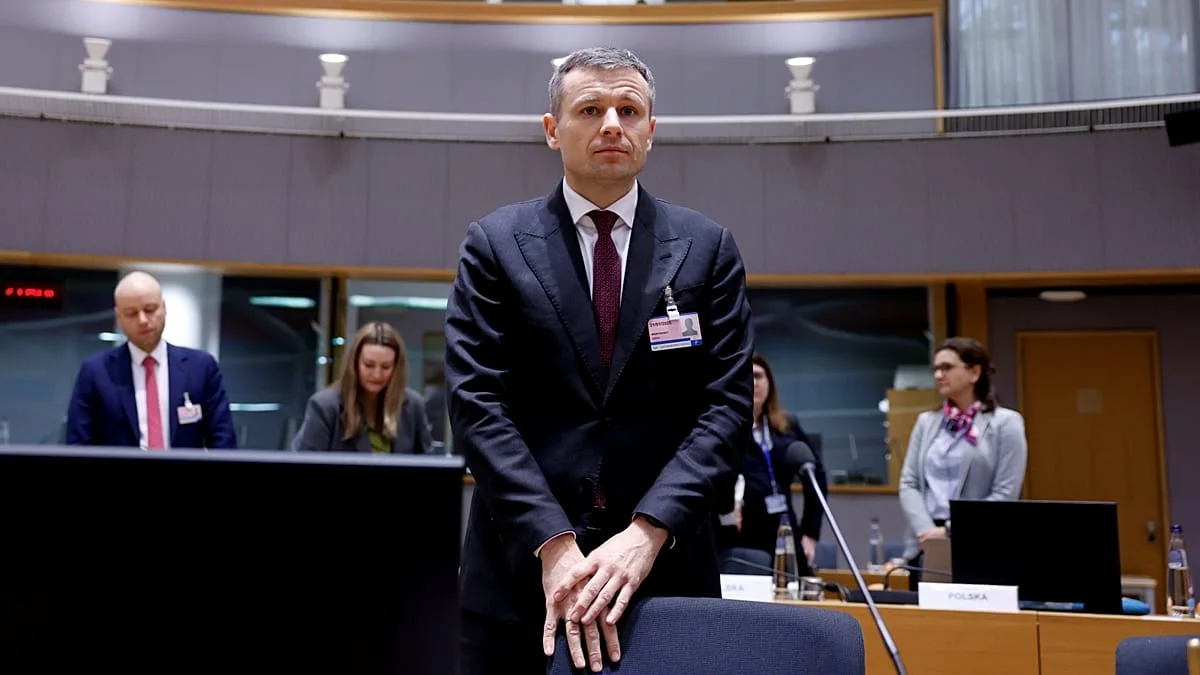
Ukraine is facing an estimated economic loss of $45 million for every hour in which missile warnings force businesses to stop operating, according to the country’s economy and environment minister, as Russian strikes increasingly disrupt the infrastructure, energy systems and workplaces needed to keep the wartime economy functioning.
Oleksandr Kravchenko, who joined the Ukrainian government during the summer, said repeated air raid alerts were creating major economic consequences because workers were required to leave their workplaces and move into shelters. In some parts of the country, warning sirens have continued for many hours, leaving businesses unable to operate normally.
“If people are in a bunker, business stops,” Kravchenko said while speaking from a heavily protected government building in Kyiv.
The economic disruption comes as Russia continues to target infrastructure supporting Ukraine’s industrial and commercial activity. Industrial facilities, warehouses, logistics centres and data centres have increasingly come under attack, while damage to transport and energy infrastructure has created additional difficulties for businesses already operating under wartime conditions.

Kravchenko said Russia’s campaign appeared increasingly focused on weakening the foundations of the Ukrainian economy. He pointed to the development and deployment of new jet-powered drones, which have been used in attacks on targets across the country, including Kyiv.
The Ukrainian government has responded by attempting to distinguish between different levels of aerial threat. A recently introduced two-tier warning system separates missile alerts from warnings involving drones.
Under the system, a red alert indicates a missile threat and requires people to seek shelter. A yellow warning is used for drone threats and allows many businesses to continue operating where authorities consider the risk manageable.
Kravchenko said more than half of businesses were continuing to operate during yellow alerts. The arrangement is intended to reduce the economic losses caused by prolonged interruptions while still providing stronger protective measures when a missile attack is considered imminent.
However, the system carries an unavoidable risk. A yellow warning does not mean that an area is completely safe, and a recent attack in central Kyiv demonstrated the difficulty of balancing economic activity with personal safety.
During a yellow alert on Monday, a Russian jet-powered drone struck the National Academy of Sciences in Kyiv. Two people were killed while staff were still inside the building. The incident highlighted the uncertainty faced by businesses and institutions when deciding whether to remain open during lower-level warnings.
For Ukraine’s government, the challenge is therefore not simply maintaining economic output. It is determining how much normal activity can continue without exposing workers to unacceptable risks.
The economic consequences of the attacks are already substantial. Kravchenko estimated that Russian strikes had caused approximately $10 billion in damage to fixed assets during 2026 alone. Steel plants, warehouses, logistics infrastructure and digital facilities have all been affected.
The damage to data centres has added another concern because Ukraine’s economy has become increasingly dependent on digital infrastructure. Disruptions to internet services, data storage and communications can affect companies far beyond the physical location of an attack.
Ukraine’s trade infrastructure has also faced major pressure. Russian restrictions and attacks have severely limited the country’s ability to use Black Sea ports, which previously handled a large share of its exports. Businesses have consequently had to depend on alternative routes and logistics arrangements, often at greater cost and with additional delays.
Despite these difficulties, the government believes it is better prepared for the coming winter than it was during earlier stages of the war. Kravchenko warned, however, that the country could still face one of the most difficult winters of the conflict, particularly if Russian forces intensify attacks on energy supplies and infrastructure.
The government is therefore examining additional ways to strengthen protection for businesses. One proposal involves allowing more private companies to purchase or acquire access to air-defence systems. Kravchenko acknowledged that private businesses cannot fully protect themselves from missiles and drones, but argued that additional defensive capacity could help reduce disruption.
The financial cost of maintaining the economy has become another major concern. Ukraine is simultaneously financing military operations, repairing damaged infrastructure, supporting essential public services and attempting to keep businesses operating.
President Volodymyr Zelenskyy has previously estimated the country’s remaining budget shortfall for 2026 at approximately $27 billion. Kravchenko said the government had subsequently reduced that gap to around $20 billion through spending reductions and by identifying additional domestic reserves.
The government is now seeking further financial assistance from international partners, including the European Union, Japan, Canada and the United Kingdom. Kyiv is also considering whether some financial support originally planned for 2027 can be brought forward to address immediate needs.
The financial pressure extends beyond the current year. According to Kravchenko, Ukraine’s external financing requirements for 2027 are estimated at $52.6 billion, while only about $20 billion has so far been secured. Further tax increases and reductions in government spending are reportedly being considered as officials attempt to close the remaining gap.
Kravchenko rejected suggestions that the current financial difficulties were primarily the result of government mismanagement or corruption. He attributed the shortfall largely to weaker-than-expected state revenues and the increasing cost of the war.
He also rejected suggestions that excessive spending under former defence minister Mykhailo Fedorov had created the financial problem. Fedorov had been associated with efforts to modernise military procurement and expand Ukraine’s drone capabilities before being dismissed in July, a move that was followed by street protests.
The minister nevertheless acknowledged that corruption remains a serious concern for Ukraine. High-profile allegations involving people close to the president have placed additional pressure on the government and complicated efforts to maintain public confidence.
A recent survey by the Kyiv International Institute of Sociology found that corruption in government was the most frequently cited concern among respondents, with 50% identifying it as a major issue. Missile and drone attacks were cited by 40%.
The same survey found that 72% of respondents believed Zelenskyy bore personal responsibility for corrupt actions by people around him. The finding illustrates the political pressure facing the Ukrainian government at a time when it is simultaneously seeking additional financial and military assistance from international partners.
Kravchenko acknowledged that Ukraine faces both actual corruption and concerns about how corruption is perceived domestically and internationally. He said European pressure for institutional reforms was important and that the government needed to demonstrate continued progress.
The issue is particularly significant because Ukraine remains heavily dependent on external assistance. International donors are being asked to provide billions of dollars while also being expected to maintain confidence in the country’s institutions and financial management.
Another uncertainty concerns the durability of European support. Political parties sceptical of continued assistance to Ukraine have gained attention in several European countries, raising questions about whether governments will continue providing the same level of financial and military backing.
Asked whether growing political fatigue in countries such as France and Germany could affect European support, Kravchenko acknowledged the concern.
“The overall fatigue is increasing in Europe,” he said.
That concern comes as Ukraine enters another winter of war with an economy under extraordinary pressure. Every prolonged air raid alert can interrupt production, transport, retail activity and services, while direct strikes can destroy the physical infrastructure on which those activities depend.
The government’s new warning system represents an attempt to find a difficult middle ground: allowing businesses to continue functioning when officials assess the threat as lower while requiring people to seek shelter during more serious missile alerts.
For Ukrainian workers and businesses, however, the distinction between economic necessity and physical safety remains difficult. A decision to remain open can protect incomes and keep essential services functioning, but an unexpected strike can turn an ordinary working day into a life-threatening situation.

The economic challenge facing Kyiv is therefore inseparable from the broader consequences of the war. Maintaining production requires functioning infrastructure, functioning infrastructure requires protection, and protection requires resources at a time when the state is already facing a large financing gap.
As Russia continues its campaign against Ukraine’s industrial, logistical and digital infrastructure, Kyiv is attempting to preserve as much normal economic life as possible. The $45 million hourly estimate illustrates the scale of the problem: even when missiles do not destroy a factory or office, the warning that sends workers into shelters can itself carry a substantial economic cost.
Ukraine’s immediate task is to keep people safe while preventing the economy from being brought to a standstill. Achieving that balance will depend not only on domestic measures but also on continued international financial support, stronger air defence and the ability of Ukrainian businesses and institutions to adapt to an increasingly prolonged war.
Related News:
 Dutch Bank Moves 86 Tonnes of Gold to London
 Oil nears $100 as Saudi attacks shake markets
 Japan Raises Rates to 31-Year High
 Saudi intercepts Houthi missiles as oil fears grow
 UK Wage Growth Slows as Jobs Market Holds Firm
 Reeves Fights to Keep Treasury Role Amid Labour Turmoil
 Severn Trent CEO Reward Package Doubled Despite Public Anger
 Canada to Match Trump’s 50% Tariffs Dollar for Dollar
 Firms on both sides fear damage from US-Canada trade war
 Europe Faces Winter Gas Supply Anxiety
 Trump Hardens Canada Trade Stance as Talks Stall
 Reform Faces Fresh Financial Controversy
 UK House Prices Fall as Mortgage Rates Rise
 Oil Prices Surge as Saudi Pipeline Closure Deepens Crisis
 Thames Water Revises Oxfordshire Mega-Reservoir Plan
 UK Retail Sales Rebound as Consumers Spend More
 Trump Eyes Major Belarus Fertiliser Deal Amid Canada Trade Dispute
 UK Borrowing Hits £18.3bn Ahead of Budget
 Thinktank Calls for Abolition of UK State Pension
 MPs Defend UK Economic Watchdog Against Critics
 Iran Rejects Claims of Shift in US Talks
 Chinese Hybrid Car Surge Raises EU Auto Industry Concerns
 Tony Blair Calls for Britain to Rejoin EU Within a Decade
 UK Trade Losses Grow Without EU Product Deal
 Should Savers Lock Into 5.25% Fixed Rates?
 Why Americans Feel Ripped Off by Rising Prices
 UK Diesel Prices Hit Record High Amid Iran Conflict
 Global markets face turmoil as Hormuz crisis deepens
 Wealthy Britons Flee Gulf War but Avoid UK Taxes
 UniCredit’s Bold Move to Reshape European Banking
 Albanese Rejects Gas Export Tax Push
 $13bn World Cup Set to Break All Revenue Records
 BBC News Faces Deep Cuts in 2,000 Job Plan
 Spirit Airlines shuts down after 34 years amid crisis
 Norway Doubles Down on Oil and Gas for Europe Energy Security
 US Awaits Iran Reply on New Ceasefire Proposal
 UK Pushes for New EU Goods Trade Deal
 UK rejects EV charging VAT cut amid Treasury clash
 Hungary Targets Oligarchs with Proposed Landmark Wealth Tax
 Europe Weighs Hormuz Navigation Fee Plan
 Weight-Loss Drugs Transform Fashion Shopping Habits
 Labour MPs Urge Burnham to Revive UK Aid Target
 EasyJet Takeover Sparks Fears Over Passengers’ Future
 Shein targets $27bn valuation in Hong Kong debut
 US CEOs Earn 614 Times More Than Workers
 UK Households Could Save £173 on Fixed Energy Deals
 Burnham Faces Mounting Budget Challenges
 Ukraine Villagers Demand Answers After Deadly Arms Depot Strike
 Trump Calls Iran War ‘Small Potatoes’ Despite US Deaths
 UK Cost Squeeze Deepens as Mortgages and Gas Rise
 Swedish Mining Push Puts Sami Land Rights Under Pressure
 Billionaire Chris Rokos poised to leave UK
 Europe’s democracies face a growing far-right threat
 Trump Pledges $5,000 if Republicans Win Midterms
 JPMorgan Boss Warns Against UK Bank Tax Rise
 John Lewis Losses Widen to £124m as Confidence Falls
 Saudi Arabia Shuts Oil Pipeline After Drone Attack
 UK State Pension Set to Rise 3.9% as Triple Lock Holds
 UK Parents Cut School Uniform Costs as Prices Rise
 UK Pay Growth Slows to 3.9% as Rate Decision Nears
 Bank Urged to Slow Bond Sales as UK Costs Rise
 UK Inflation Hits 3.1% as Household Pressure Grows
 Slave-Trade Wealth Embedded in Britain’s Financial System
 Trump Threatens EU With Tariffs Over Canada Proposal
 UK Productivity Improves as Bank Weighs Interest Rates
 Trump Threatens EU Over Canada Partnership Proposal
 US House Passes Russia Sanctions Bill Amid Debate
 US Sanctions Open New Battle for Cuba Assets
 UK Rent Gap Puts Low-Income Families Under Pressure
 Macron and Carney deepen France-Canada ties
 Calls Grow to Expand UK National Wealth Fund
 Burnham Leaves Door Open to Future Brexit Reversal
 Trump gives Xi red-carpet welcome as trade truce extends
 Elif Eralp Emerges as Berlin’s Next Political Force
 AO Acquires Jessops in Camera Retail Expansion
 Lula accuses Trump of seeking control over Brazil
 Beaverbrooks Boss Calls for Relief on Business Costs
 Madrid Tent Camp Grows as Spain Housing Crisis Deepens
 New UK Homes in Flood Zones Face Insurance Risk
 Economic growth and political strain reshape Benin