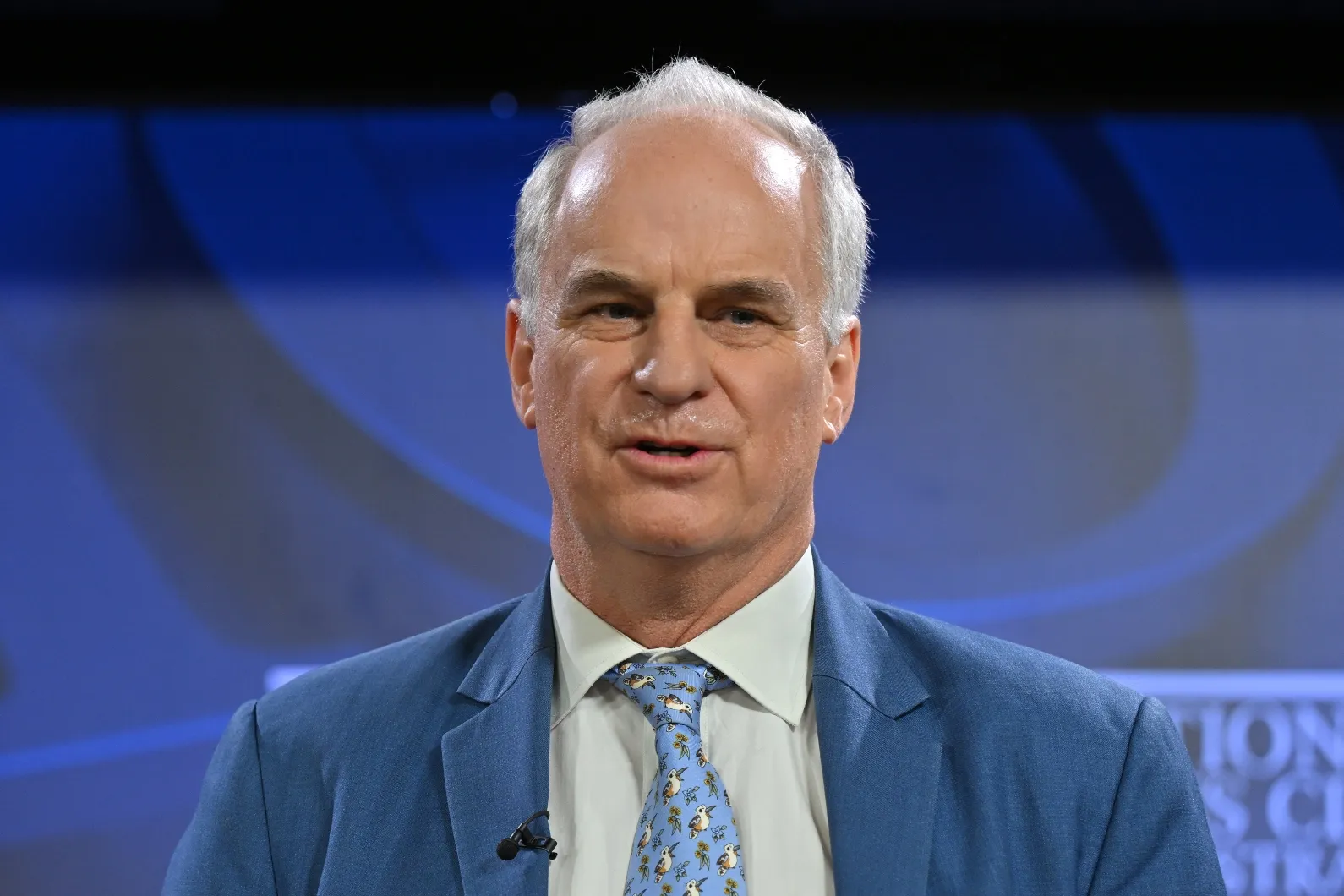
Campbell, a prominent political commentator and co-host of the podcast The Rest Is Politics, said Britain’s experience following attacks on politicians demonstrated that expressions of shock and calls for unity rarely produce lasting cultural change without sustained action. He argued that politicians, journalists and the wider public must reconsider how they speak about political opponents and address the conditions that allow hostility to become normalised.
Haines was allegedly targeted more than a week before Campbell’s comments and reportedly lost both legs as a result of the incident. A 43-year-old man has been charged in connection with the alleged attack, and police investigations remain ongoing.
The incident has prompted renewed discussion about the personal risks faced by elected representatives and the broader consequences of increasingly aggressive political debate. Campbell believes Haines’ eventual return to parliamentary life could help sustain public attention on the issue and encourage a more serious discussion about political responsibility.

Speaking to the Guardian’s Australian Politics podcast on Wednesday, Campbell said Australia must “re-win the argument for democratic politics” at a time when democratic institutions face mounting pressure from polarisation, economic dissatisfaction and the international rise of populist movements.
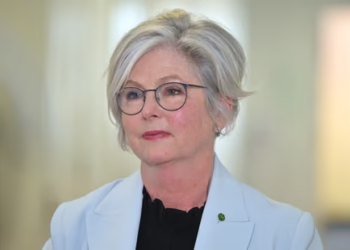
The alleged attack on Haines has brought the issue of political violence into sharp focus in Australia. The independent MP represents her electorate in northern Victoria and has been a participant in the country’s parliamentary debate.
According to the supplied report, the attack occurred outside her electorate office and left her with life-changing injuries. The incident remains under police investigation, and the allegations against the charged man must be considered through the legal process.
The case has nevertheless prompted questions about how political disagreement is expressed and whether the language used in public debate can contribute to an environment in which elected representatives face increased hostility.
Political violence can have consequences that extend well beyond its immediate victims. When politicians are attacked or threatened, the effects may extend to their families, staff, constituents and others who participate in public life.
Electorate offices are important points of contact between representatives and the communities they serve. If people working in these offices face threats or fear for their safety, the relationship between citizens and elected officials can become more difficult to maintain.
Campbell has argued that the response to Haines’ experience should not be limited to expressions of sympathy. Instead, he believes the incident should prompt a sustained examination of political culture and the standards expected of public figures.
Her continued presence in political life could also serve as a reminder of the human consequences of political violence, rather than allowing public attention to move quickly to the next controversy.
The case highlights the importance of protecting democratic participation while ensuring that allegations of criminal conduct are investigated fairly and thoroughly.
Campbell referred to attacks on British politicians, including the murders of Labour MP Jo Cox and Conservative MP David Amess, to illustrate how quickly political culture can return to familiar patterns after moments of national shock.
Cox was murdered in 2016, while Amess was killed in 2021. Both deaths prompted widespread condemnation and renewed calls for politicians and the public to reject hatred and intimidation.
Campbell said such incidents were followed by declarations that political debate needed to change, with particular attention given to online abuse, polarisation and the increasingly personal nature of political disagreement.
However, he argued that these commitments did not produce the lasting transformation many had hoped for.
According to Campbell, political debate soon returned to an atmosphere in which opponents were frequently treated as enemies rather than people with different views about how society should be governed.
His warning is that expressions of unity after a tragedy are insufficient unless they lead to changes in everyday political behaviour.
That may require political leaders to avoid language that encourages hostility, media organisations to examine how they present political disagreements and online platforms to consider how abusive material spreads.
It also requires citizens to recognise that democratic disagreement is legitimate and necessary, while threats and violence against political opponents undermine the foundations of representative government.
Campbell’s argument is not that political debate should become free from criticism or confrontation. Rather, he believes disagreement must remain within boundaries that recognise the rights and dignity of those taking part.
Campbell said political institutions and the media should reflect on why they have become poorly trusted by sections of the public.
Confidence in democratic institutions depends partly on whether people believe elected representatives listen to their concerns, respond to their needs and operate within a system that treats citizens fairly.
When people feel ignored or believe established institutions serve powerful interests rather than ordinary communities, frustration can develop into broader political dissatisfaction.
Campbell argued that the challenge is particularly difficult in an international environment where Donald Trump dominates political discussion in the United States and represents a style of politics that Campbell believes has intensified division.
The former adviser suggested that political leaders should consider how their language shapes public attitudes and whether constant confrontation makes it harder to maintain democratic norms.
Democracy depends on more than elections. It also relies on public confidence in institutions, the peaceful transfer of power, the protection of political freedoms and a willingness to accept legitimate outcomes even when they are disappointing.
When political debate becomes dominated by accusations, personal hostility and claims that opponents are illegitimate, those principles can come under pressure.
Campbell believes the response must involve a genuine effort to demonstrate why democratic politics remains valuable and how it can deliver meaningful improvements in people’s lives.
For Australia, the challenge is to ensure that political disagreement remains vigorous without becoming a justification for intimidation or violence.
Campbell also connected the growth of populist politics to unresolved economic problems following the 2008 global financial crisis.
He argued that many communities continue to feel the consequences of a crisis in which financial institutions received substantial support while ordinary people experienced austerity, insecurity and difficulty improving their living standards.
In his assessment, the perception that banks were protected while households faced years of economic pressure contributed to distrust of established political parties and institutions.
Campbell suggested that the same underlying frustration can be seen in the rise of Trump in the United States, Brexit in Britain and protests across parts of Europe.
Although these political developments have different causes and histories, economic insecurity can create fertile ground for movements that promise to challenge established political arrangements.
People who struggle with housing costs, stagnant wages, insecure employment or limited opportunities may become increasingly sceptical of conventional political messages.
That dissatisfaction can be intensified when voters believe that economic growth is benefiting some groups far more than others.
Campbell argued that the public’s concern about affordability and the cost of living is closely connected to the sense that many people are unable to make progress despite working hard.
Addressing these concerns is therefore important not only for economic policy but also for the health of democratic institutions.
When political systems fail to convince people that their concerns are being heard, movements promising radical change may gain support by presenting themselves as alternatives to an establishment that has lost credibility.
However, economic hardship does not inevitably lead to political extremism. The response depends partly on whether democratic institutions can provide credible solutions, maintain accountability and demonstrate that ordinary citizens have a meaningful voice in decision-making.
Campbell’s intervention places responsibility on politicians and media organisations to consider how they contribute to the wider political environment.
Public figures have considerable influence over the tone of political debate. Their descriptions of opponents, their responses to controversy and their willingness to condemn intimidation can shape the standards that become accepted in public life.
When leaders consistently portray opponents as threats or enemies, their supporters may become more likely to view political disagreements through the same hostile lens.
The problem can become more pronounced online, where inflammatory messages may attract attention and circulate rapidly across social media platforms.
Campbell believes the response to political violence should therefore involve more than temporary appeals for civility. It should include sustained efforts to establish a healthier culture of disagreement.
That could mean challenging threatening language regardless of political affiliation, encouraging evidence-based debate and resisting attempts to portray all opponents as fundamentally illegitimate.
Media organisations also have a role in deciding how political conflict is presented. Strong scrutiny of politicians remains essential, but coverage that relies entirely on outrage and personal confrontation can make constructive debate more difficult.
At the same time, calls for better political language should not be used to silence legitimate criticism, protest or scrutiny of government decisions.
Democratic societies need open disagreement. The objective is to preserve that freedom while rejecting violence, intimidation and efforts to prevent political opponents from participating safely in public life.
Campbell believes Haines’ continued involvement in politics, if and when she is able to return, could help maintain attention on the consequences of the alleged attack.
He noted that public attention often shifts rapidly after a major incident, allowing the original commitments to reform political culture to fade.
Remembering what happened and maintaining a discussion about its wider implications could help prevent the incident from becoming another short-lived moment of concern.
Haines’ experience may also encourage parliamentarians to examine the practical protections available to elected representatives and their staff, alongside the broader question of how political hostility develops.
Such a response would need to respect Haines’ privacy and individual circumstances while recognising the importance of her right to participate in democratic life.
The wider issue is whether political institutions can respond to violence in ways that strengthen participation rather than encouraging fear or withdrawal.
A democracy becomes more resilient when representatives can perform their duties safely, citizens can express disagreement freely and political disputes are resolved through lawful institutions rather than threats.
The alleged attack therefore presents Australia with a challenge that extends beyond the immediate criminal investigation. It raises questions about the standards of public debate and the responsibilities shared by politicians, media organisations and citizens.
Campbell is due to visit Australia for a speaking tour next month. A former journalist, he has written more than 20 books, including diaries documenting his years working at 10 Downing Street during Tony Blair’s premiership.
He is also known for his political commentary and his work on The Rest Is Politics, which examines political developments in Britain and internationally.
His latest book, Persevilience: The Word the World Needs Now, has been published by Allen & Unwin.
During his discussion with the Guardian’s Australian Politics podcast, Campbell also revealed that he occasionally watches clips of Paul Keating’s parliamentary attacks from his time as Australia’s prime minister in the 1990s.
The reference highlights a distinction between forceful political debate and the broader concerns he has raised about hostility. Political leaders can challenge opponents sharply while still recognising the legitimacy of democratic institutions and the rights of those with different views.
Campbell’s central argument is that Australia and other democracies need to make a stronger case for democratic politics at a time when public trust is under pressure.
The alleged attack on Haines has given that argument renewed urgency. But lasting change will depend on whether the incident produces sustained action rather than a temporary period of condemnation.
Australia’s response to the Haines incident will be judged not only by the outcome of the criminal investigation but also by how political leaders address the broader concerns surrounding political safety and polarisation.
Campbell’s warning is that tragedies can provoke widespread promises of reform without fundamentally changing the behaviour that shapes political culture.
Rebuilding confidence requires political institutions to demonstrate that disagreement can be managed peacefully, public concerns are taken seriously and elected representatives can perform their duties without intimidation.
It also requires a response to the economic pressures that can contribute to public frustration and distrust, alongside a commitment to protecting open debate.

The task is not to remove conflict from politics. Democratic systems depend on competing ideas, strong criticism and the ability to challenge those in power.
The essential distinction is between robust disagreement and conduct that threatens the safety or participation of others.
For Campbell, the lesson from Britain is that political violence must not be allowed to become another news story that briefly shocks the public before being forgotten.
Australia now faces an opportunity to reflect on that warning and consider how its political culture can better protect democratic participation.
Ultimately, the strength of democracy will depend on whether politicians and citizens can preserve their ability to disagree while continuing to recognise one another as legitimate participants in public life.
Related News:
 Farage and Reform UK Reshape British Politics
 Starmer Leadership Under Pressure After Setbacks
 Green Leader Targets Starmer’s Former Seat
 Masked Protesters Bring Dover Port Traffic to Standstill
 Australia gives users control over social media algorithms
 Lib Dems Prepare for Election Amid Reform Challenge
 King Refers Jamaica Slavery Petition to Privy Council
 Elif Eralp Emerges as Berlin’s Next Political Force
 Three Die in Channel Crossing Attempt Near France
 Burnham Opens Door to Possible UK Return to EU
 Drumcree Talks Falter as Legal Challenge Deepens
 UK-France Returns Deal Faces Expiry as Talks Stall
 Green Party faces dispute over Zionism motion
 Holborn and St Pancras Vote Tests Labour and Greens
 Labour Wins Key London By-election as Greens Fall Short
 Burnham Rises as Farage and Polanski Face Setbacks
 Labour Beats Greens in Crucial London By-election
 Jewish Greens Leader Calls for Polanski to Quit
 UK Gaza Refugee Route Criticised Over False Hope Claims
 UK Greens Face Crisis Over Zionism and Extremism Row
 Farage Rejects Claims Reform Would Let Troops Shoot Migrants
 One Nation Pledges $2,000 Baby Subsidy in Victoria
 Cormann Warns Australia Against Populist Migration Caps
 Helen Haines Loses Both Legs After Alleged Attack
 Greens Face Leadership Test as Jordon Steele-John Misconduct Claims Leave Party in Limbo
 France to Deploy 70,000 Police Amid Unrest Fears
 Taylor Faces Backlash Over Response to Haines Attack
 UK Aid Set to Fall Short of Reduced 2027 Target
 Brexit Deal Not Good Enough for Britain, Burnham Says
 McKenzie Warns MP Safety Fears Could Weaken Democracy
 King Charles Faces Caribbean Slavery Apology Demands
 British Woman in Iran ‘Losing Hope’ Amid Ongoing Detention
 Starmer Condemns ‘Depraved’ Russian Strikes on Ukraine
 Trump Tariffs Threat Spark UK and EU Alarm
 Gordon Brown urges court for crimes against children
 Army Probes Apache Flyover at Kid Rock’s Nashville Estate
 Relationship with Trump may be beyond repair, Starmer warned
 Kezia Dugdale Warns of Possible Reversal of Equal Rights Gains
 UK Stands Firm on Falklands Amid US Rift
 New South Wales Premier Chris Minns Signals Tough Road Ahead for Labor
 Le Pen’s Popularity Holds Despite Conviction
 Burnham unveils £65m drought aid for farmers
 Former Diplomats Urge UK and France to Act on Palestine
 Ghent Professors Questioned Cofnas Appointment
 RAF Barnham Protests Fuel Tensions in Norfolk Town
 Bayeux Tapestry Revives Franco-British Ties
 UK plans tougher Israel stance with settlement trade ban
 Europe’s democracies face a growing far-right threat
 Mahmood Warns Far Right Over Asylum Protests
 Disabled Travellers Seek Fairer UK Care Rules
 UK Plans New Centre to Counter Information Warfare
 Greece Pushes for Parthenon Marbles Reunification
 Free Speech Emerges as Key UK Election Issue
 Madrid Tent Camp Grows as Spain Housing Crisis Deepens
 Badenoch Raises Prospect of 2027 UK Election
 French School Protests Escalate as 400 Schools Close
 Families Await USS Abraham Lincoln Homecoming
 Bosnia’s Young People Look Beyond Election Hope
 Gosport Protesters Clash With Police Over Migrant Rescue
 UK Mission in East Jerusalem to Remain Open
 USS Lincoln Ends Record 265-Day Deployment
 Gaza War Deepens India’s Strategic Ties With Israel
 Australian Advocates Seek Subsidised Drugs for PMOS
 Hanson Attacks Taylor as Australian Conservatives Clash
 Australia Rejects Russian Fuel as Trump Strikes Deal
 Trump Names Katie Zachariah as Next White House Press Secretary
 French Students Protest Poor Conditions in Paris Suburbs
 Greta Thunberg Backs French Students in School Protests
 Gadi Eisenkot: Israel’s Anti-Netanyahu Challenger
 UK Could Rejoin EU Through a Switzerland Plus Deal
 UK Visa Refusal Threatens Baby’s Family Christmas
 Brexit Debate Returns as UK Voters Reconsider EU Exit
 Up to 20 English Maternity Units Face Possible Closure
 UK Pledges Stronger Protections for Disabled Air Passengers
 Zelenskyy Says US Failed to Warn Kyiv of Russian Strikes
 Middleton Revitalisation Blueprint for UK Towns
 MoD Seeks Out-of-Court Resolution in LGBT Veterans Compensation Fight
 UK-EU Youth Mobility Scheme Delayed Over Fee Row
 Lula Supporters Make Final Push Ahead of Brazil Runoff
 UK Land Registry Plan Faces Opposition From Landowners