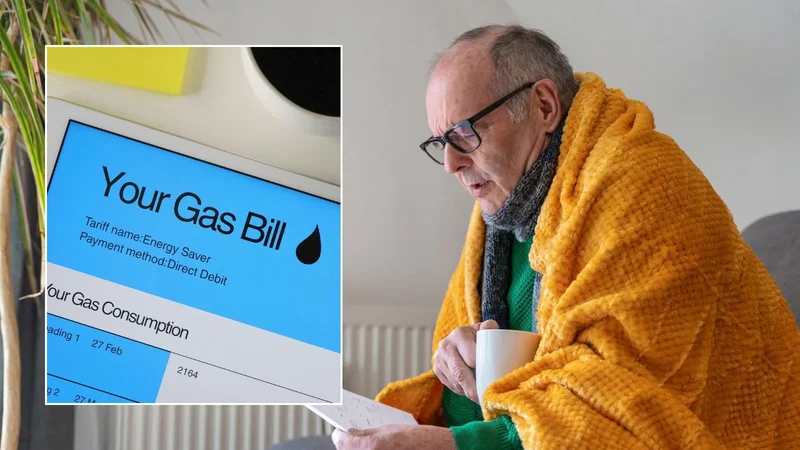
The UK government has urged the country’s biggest energy suppliers to take greater responsibility for helping struggling households manage unpaid electricity and gas bills this winter, as ministers prepare to introduce a multibillion-pound debt relief programme aimed at easing the financial pressure on millions of consumers. Energy companies have been warned that government assistance alone will not solve the problem unless suppliers improve how they identify vulnerable customers, provide payment support and prevent new arrears from accumulating.
Energy minister for consumers Polly Billington brought senior representatives from some of Great Britain’s largest energy suppliers together on Thursday to discuss the government’s plans. The meeting formed part of a wider strategy designed to reduce household energy debt, which has reached unprecedented levels following years of financial pressure on consumers.
The government is preparing to spend almost £2.5bn on a one-off scheme intended to help around 2.4 million of the most financially vulnerable households clear or reduce their outstanding energy debts. The initiative is a central part of a broader economic strategy described as a circuit-breaker, introduced by the chancellor in the annual budget statement last month.

The scale of the challenge is considerable. Household energy debt across Great Britain could reach £7bn by the end of the year, according to estimates discussed in the wider policy debate. The growing burden has become a major concern for policymakers, energy companies and consumer organisations, particularly as many households continue to struggle with the cost of essential services.
For families already facing high housing costs, food prices and other everyday expenses, unpaid energy bills can create a cycle of financial difficulty. Once a household falls behind, the outstanding amount can become increasingly difficult to repay, especially when additional charges and ongoing consumption continue to add to the balance.
Billington reportedly told energy company executives that suppliers would continue to play a crucial role in addressing long-term household debt, even after the government introduces its proposed financial support package. The meeting included representatives from major suppliers such as Octopus Energy, British Gas and EDF Energy, alongside industry organisations and consumer groups.
The minister’s message reflected the government’s position that energy suppliers must become more proactive in identifying customers who are experiencing financial difficulties. Companies are expected to recognise warning signs earlier and offer practical assistance before unpaid bills develop into serious and prolonged debt.
Such support could include flexible repayment arrangements, discussions about affordable payment levels and referrals to independent debt advice services. Consumer organisations have repeatedly argued that households need early intervention rather than waiting until their financial position has deteriorated to the point where they can no longer manage regular payments.
The government is also considering closer cooperation with energy companies to improve the identification of households that may qualify for additional assistance. Better information-sharing and more effective systems could help suppliers recognise customers who are at risk of falling behind and ensure that support reaches those who need it.
Modernising payment arrangements is another important part of the proposed approach. Ministers have supported the use of smart meters and smart prepayment meters, which can help households monitor their energy consumption and understand how much they are spending. These technologies may allow consumers to manage their budgets more effectively and identify unusual increases in usage before bills become unmanageable.
However, technology alone cannot resolve the financial pressures facing low-income households. Consumers may understand how much energy they are using but still struggle to afford the cost of heating and electricity. For that reason, the government faces pressure to ensure that its plans combine better payment systems with meaningful financial protection and accessible advice.
The Thursday meeting brought together senior representatives from the six largest energy suppliers, the industry trade association Energy UK, the fuel poverty charity National Energy Action and five consumer advice organisations, including Citizens Advice. The broad participation was intended to encourage cooperation between businesses, policymakers and groups representing households affected by energy poverty.
One participant said there was considerable ambition behind the government’s proposals and that Billington wanted suppliers and consumer organisations to work together to ensure the measures were delivered effectively. The challenge will now be turning policy commitments into practical improvements that consumers can experience during the coming winter and beyond.
In a statement following the meeting, Billington acknowledged the seriousness of the situation, saying energy debt weighed heavily on millions of families across the country. She also highlighted the wider consequences for consumers who continue to pay their bills on time.
Unpaid energy bills do not affect only the households that fall into arrears. Energy suppliers face costs when customers cannot pay, and some of those costs are ultimately reflected in the wider energy market. As a result, households that maintain their payments can also contribute towards the financial burden created by outstanding debts.
The average household currently pays approximately £50 a year through energy bills to cover the cost of unpaid debts across the market. Without effective measures to reduce the outstanding balance, that amount could increase as the debt problem becomes more severe.
The government believes its one-off debt relief programme, combined with measures designed to prevent future arrears, could save households an average of around £130 over the next 10 years. The projected benefit is intended to reflect the reduction in costs associated with unpaid bills across the energy market.
For consumers, the proposed savings could offer some relief at a time when household budgets remain under pressure. However, the effectiveness of the scheme will depend on how the support is distributed, which debts qualify and whether the measures prevent vulnerable customers from falling into arrears again.
Citizens Advice has stressed that the government must address both existing debt and the conditions that cause households to accumulate new unpaid bills. Gillian Cooper, the organisation’s director of energy, said the initiative needed to include protections that would prevent families from entering debt in the first place.
Her warning comes as typical annual energy bills are expected to rise again in January, creating further uncertainty for households already struggling to meet regular payments. A new increase could make it harder for consumers to maintain repayment arrangements, particularly those who have limited savings or irregular incomes.
The issue of moving home has also emerged as a significant contributor to unpaid energy bills. Around 40 per cent of outstanding bills are understood to accumulate during the process of moving between properties. Confusion over final readings, account closures and responsibility for energy consumption can leave households with unexpected charges.
To address this problem, the government plans to introduce reforms requiring landlords to provide energy suppliers with meter readings and relevant moving dates when tenants move into or leave a property. The proposed changes are intended to make it easier to establish which occupants are responsible for particular periods of energy use.
More accurate information could reduce billing disputes and prevent debts from being incorrectly assigned or left unresolved after a household changes address. It could also help suppliers update accounts more quickly and identify outstanding balances before they become more difficult to recover.
The proposal highlights how administrative problems can contribute to the wider energy debt crisis. While rising prices and household financial difficulties remain major factors, weaknesses in account management and communication can also create unnecessary problems for consumers.
Octopus Energy, the country’s largest energy supplier, welcomed the government’s emphasis on preventing customers from falling into debt. Rachel Fletcher, a director at the company, said she was pleased that the plans focused on improving the way suppliers support customers before financial difficulties become more serious.
She also stressed that the proposed package should not weaken companies’ incentives to develop new approaches and invest in services that help consumers avoid and manage debt. Her comments reflect the industry’s concern that government intervention should encourage long-term improvements rather than simply provide temporary relief.
The government now faces the difficult task of ensuring that the debt relief scheme delivers meaningful assistance without allowing the underlying problems to continue. A one-off payment programme may reduce existing arrears, but sustained progress will require better customer support, fairer payment arrangements and measures that address the reasons households struggle to pay.

The coming winter will be an important test of whether energy suppliers can respond effectively to the government’s demands. Families facing financial hardship will be looking for accessible assistance, clear information and realistic repayment options rather than complicated procedures.
Ultimately, the success of the programme will depend on cooperation between government, energy companies, landlords and consumer organisations. Reducing the country’s record energy debt is not simply a matter of clearing old bills; it also requires a system that prevents vulnerable households from becoming trapped in debt again.
For millions of consumers, the central question is whether these measures will translate into lower financial pressure and more affordable energy. The government’s proposed investment offers a significant opportunity to address the problem, but its lasting impact will depend on how effectively the industry changes the way it supports customers.
Related News:
 UK Households Could Save £173 on Fixed Energy Deals
 UK Subsidence Claims Surge After Record-Breaking Summer
 UK House Prices Fall as Mortgage Rates Rise
 Thames Water Revises Oxfordshire Mega-Reservoir Plan
 UK Retailers Accused of Breaking Refund Laws
 UK Rent Gap Puts Low-Income Families Under Pressure
 Thinktank Calls for Abolition of UK State Pension
 New UK Homes in Flood Zones Face Insurance Risk
 Poundland Rescue Bid Could Protect 11,000 Jobs
 Healey urged to act as UK energy bills rise 4%
 Feeld Founders Receive Record Dividend as Sales Rise
 UK Savers Face Uncertainty as Rates Rise Above 5%
 Labour Fears Budget Will Fail to Lift Living Standards
 UK Water Firms Face £107m Bill Reduction Penalties
 UK Family Linked to Offshore Gambling Licence Controversy
 UK Chancellor Moves to Scrap Gas Standing Charges
 UK Side-Hustle Tax-Free Limit to Rise to £3,000
 Burnham Admits First Budget Fell Short of His Ambitions
 UK House Price Growth Slows to Two-Year Low
 Avanti West Coast Faces £70m Refund Bill
 UK Banks Maintain £100 Contactless Limit Despite FCA Rule Change
 Rising Costs Force Families to Rethink Days Out
 Student Loan Interest May Rise Despite 6% Cap
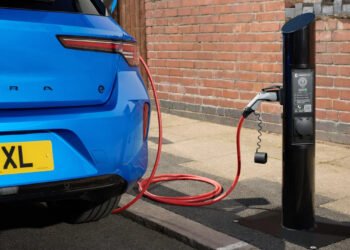 UK rejects EV charging VAT cut amid Treasury clash
 Weight-Loss Drugs Transform Fashion Shopping Habits
 Weight-Loss Drugs Offer Food Savings Mainly to High Earners
 Burnham unveils £65m drought aid for farmers
 Reform Faces Fresh Financial Controversy
 Billionaire Chris Rokos poised to leave UK
 Councils spend £125m on illegal children’s care
 Oil nears $100 as Saudi attacks shake markets
 JPMorgan Boss Warns Against UK Bank Tax Rise
 John Lewis Losses Widen to £124m as Confidence Falls
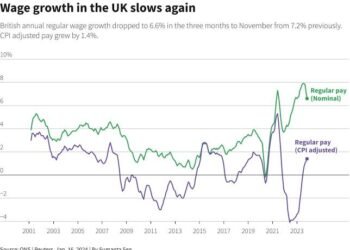 UK Pay Growth Slows to 3.9% as Rate Decision Nears
 Bank Urged to Slow Bond Sales as UK Costs Rise
 Entain Plans 400 Job Cuts After Profit Update
 UK Retail Sales Rebound as Consumers Spend More
 Reform UK Faces Internal Debate Over £72m Spending
 Calls Grow to Expand UK National Wealth Fund
 Labour Apprenticeship Scheme Faces Slow Start
 MPs Defend UK Economic Watchdog Against Critics
 AO Acquires Jessops in Camera Retail Expansion
 Frome Community Loses Bid for Major Regeneration Site
 TalkTalk Races to Sell Arms as Administration Looms
 Should Savers Lock Into 5.25% Fixed Rates?
 Beaverbrooks Boss Calls for Relief on Business Costs
 UK University Strikes Spread as Financial Pressure Grows
 Burnham Opens Door to Possible UK Return to EU
 Bank Chief Calls for Power to Intervene in AI
 UK house price growth slows as mortgage rates rise
 UK borrowing costs surge as global bond sell-off deepens
 UK Bookmakers Linked to Offshore Casino Deal
 Boots Sale Nears as Weston Family Eyes $9bn Deal
 UK Assures Public Over Diesel Supply
 Badenoch Raises Prospect of 2027 UK Election
 UK Diesel Reaches £2 as Inflation Surges Across Europe
 Minister Rejects Fears of UK Diesel Shortage
 BT Broadband Pauses Raise Digital Switchover Concerns
 BT Agrees £400m TalkTalk Rescue Deal
 Informa Agrees £2.24bn Deal to Buy Clarion
 UK Water Firms Earn Millions From Industrial Wastewater
 Milburn Proposes Pre-Apprenticeship Route for Young People
 IFS Warns UK Budget Faces £35bn Spending Gap
 IMF Warns Global Economy Is Nearing Its Limits
 Healey Plans £1bn Online Marketplace Tax Crackdown
 UK Unemployment Falls to 4.7% as Vacancies Decline
UK Borrowing Hits £24.5bn Ahead of Healey’s Budget
 Middleton Revitalisation Blueprint for UK Towns
Tax Online Sales to Save High Street, Burnham Urged
 UK Consumer Confidence Plunges at Fastest Rate Since Brexit Vote
 Labour MPs Urge Burnham to Lead UK Reindustrialisation
 UK Land Registry Plan Faces Opposition From Landowners
 Healey Set to Scrap Planned Cut to Cash ISA Allowance
 UK Budget Leaves Households Facing Higher Energy Bills
 MPs Urge UK to Write Off Most British Council Debt
 London Luxury Homes Face Deeper Price Declines
 UK Mortgage Holders Face Fresh Payment Shock
 Ryanair Weighs Pay Freezes as Fuel Costs Surge
 Australia Reviews UK Visa Rules Amid Worker Influx
 Poundland Remains Vulnerable as Rescue Talks Continue