Democratic lawmakers from the United States are heading to the United Nations climate conference in Turkey with renewed optimism following their party’s decisive victories in the recent midterm elections. Although President Donald Trump’s administration has decided not to send an official government delegation, the electoral setback suffered by Republicans has encouraged international climate campaigners and political representatives to look towards a possible revival of American climate leadership after the Trump presidency.
The 31st Conference of the Parties, known as COP31, begins on Monday in Antalya, Turkey, bringing together representatives from 197 countries for two weeks of negotiations on climate change, emissions reduction and international environmental cooperation. The absence of an official US government delegation for the second consecutive year highlights the growing divide between Washington’s current political leadership and much of the international community over the urgency of addressing the climate crisis.
Trump has repeatedly dismissed climate change as a hoax and criticised international environmental agreements. His administration has withdrawn the United States from the broader international climate framework, reduced environmental regulations and expanded support for traditional fossil fuel industries. The decision not to participate officially in COP31 is another indication of the administration’s reluctance to engage with international efforts to reduce global emissions.

A White House official defended the decision, arguing that the conference failed to recognise the economic damage caused by what the administration considers excessive climate policies. The position contrasts sharply with the approach of most other governments attending the summit, many of which regard international cooperation as essential to limiting global warming.
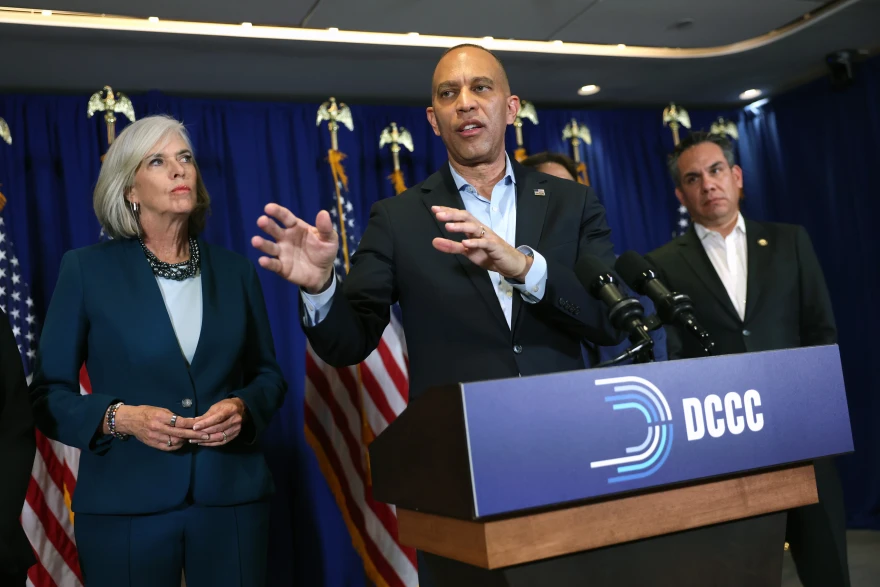
Despite the federal government’s absence, approximately 20 Democratic members of the US Congress are preparing to attend the conference. Their participation has attracted particular attention because they have reportedly been denied the usual assistance provided by the State Department, forcing them to seek financial support from philanthropic organisations to make the journey.
Democratic Congressman Sean Casten, who is among those attending COP31, described the situation as extraordinary and expressed concern about the damage caused by the administration’s withdrawal from international climate diplomacy.
He argued that the United States had significant diplomatic responsibilities and that Congress would need to work to preserve international relationships until a more supportive administration returned to the White House. Casten also acknowledged that America had not always been a reliable partner in global climate negotiations, given the repeated changes in its environmental policies under successive presidents.
Nevertheless, he said the recent election results had created a more encouraging political atmosphere for the international climate community.
The Democratic Party’s sweeping success in the midterm elections has significantly changed the political balance in Washington. Democrats have taken control of both the House of Representatives and the Senate, ending the Republican Party’s control of Congress and creating new opportunities to challenge Trump’s environmental agenda.
The election outcome has encouraged climate advocates who believe that the United States could eventually return to a more active role in international environmental cooperation. Although the country will remain without an official federal delegation at COP31, the presence of Democratic lawmakers provides an opportunity to communicate an alternative political position.
Mohamed Adow, director of Power Shift Africa, described the election results as the beginning of the end of the Trump era. He argued that the president’s political influence had been weakened and expressed hope that the outcome could contribute to the election of a Democratic president in 2028.
Adow said Trump’s administration had caused enormous damage to global climate efforts but suggested that recent political developments in the United States and the electoral victory of Brazilian President Luiz Inácio Lula da Silva had created renewed international optimism.
He believes COP31 could become an important opportunity to accelerate environmental action and prepare for a future in which the United States once again participates seriously in global climate negotiations.
The concerns surrounding American climate policy are supported by recent international assessments of greenhouse gas emissions. A United Nations report identified the United States as a major exception among the world’s largest economies, with American emissions increasing by approximately 133 million tonnes of greenhouse gases last year as other major economies reduced or slowed their emissions.
The increase has been associated with continued reliance on coal, oil and natural gas. Trump’s support for fossil fuel production, alongside efforts to weaken pollution restrictions and slow clean energy projects, has raised concerns about the country’s contribution to global warming.
The consequences of climate change are becoming increasingly visible across different regions. More frequent heatwaves, destructive floods, prolonged droughts and other extreme weather events are placing pressure on communities, infrastructure, agriculture and public health.
Scientists have repeatedly warned that the world is approaching critical temperature thresholds and that delays in reducing emissions will make it increasingly difficult to prevent severe environmental damage.
Susan Biniaz, a former senior US climate negotiator, said the Democratic victories could improve the atmosphere at COP31 even if they did not immediately change federal climate policy. She suggested that many countries had been looking for a signal from American voters that they were dissatisfied with the current administration’s approach.
Her assessment highlights the importance of political confidence in international climate negotiations. The success of such conferences depends not only on formal agreements but also on whether countries believe major economies are prepared to fulfil their environmental responsibilities.
Catherine McKenna, Canada’s former environment minister, also expressed greater optimism following the election results. She argued that the Democratic majority would provide additional opportunities for climate action within the United States, particularly through legislative oversight and policies designed to support cleaner energy.
However, the new congressional majority will face significant restrictions. Any sweeping climate legislation would remain difficult because Trump retains presidential veto powers. This means Democrats are unlikely to introduce major reforms on the scale of former President Joe Biden’s Inflation Reduction Act, which provided substantial support for clean energy development before being weakened under the current administration.
Instead, Democratic lawmakers are exploring several alternative approaches to challenge the administration’s policies and protect existing environmental programmes.
Congressional investigations and subpoena powers could be used to examine decisions made by the Environmental Protection Agency, particularly staff reductions and the withholding of funding intended for climate initiatives and clean energy development.
Democrats are also expected to scrutinise the administration’s efforts to encourage European countries to purchase American natural gas. Other areas of concern include the growing vulnerability of the insurance industry to climate-related disasters and the possibility that the United States could lose its competitive position in clean technology industries to China.
Control of the congressional budget process will also give Democrats an opportunity to reverse certain funding reductions affecting environmental programmes. Lawmakers may additionally examine the rapid expansion of data centres, which have become controversial because of their substantial electricity and water requirements.
The growing demand for artificial intelligence infrastructure has created concerns about energy consumption, environmental pressure and the future costs of electricity for households. These issues are increasingly becoming part of broader discussions about America’s energy transition.
Some environmental reforms may also attract bipartisan support. Proposals to accelerate permits for new clean energy facilities and electricity transmission infrastructure could receive backing from moderate Republicans who support domestic investment and improved energy security.
The midterm elections have also delivered significant Democratic victories at the state level, including changes in political leadership in states such as Texas and Georgia. These developments could create additional opportunities for regional environmental initiatives and a gradual transition away from fossil fuels.
However, Democratic lawmakers face a communication challenge. Although climate advocates want politicians to speak more directly about global warming, some Democratic candidates have been criticised for avoiding the subject during election campaigns.
Several politicians believe that environmental policies can gain broader public support when connected to everyday economic concerns, including petrol prices, housing costs, electricity bills and insurance premiums.
Casten argued that climate-related problems affect many areas of ordinary life, even when politicians do not explicitly describe them as climate issues. He said Democrats would pursue action through legislation, congressional oversight and the courts while explaining the practical benefits of reducing emissions.
The approach reflects an effort to connect environmental protection with economic security, particularly as voters remain concerned about the cost of living.
Nevertheless, climate scientists and campaigners warn that political compromises must not become an excuse for delaying action. The world is already on course to exceed the internationally agreed target of limiting global temperature increases to 1.5 degrees Celsius above pre-industrial levels.
Such an overshoot could intensify environmental disruption, threaten ecosystems and increase risks for vulnerable populations. Continued dependence on fossil fuels by major economies, particularly the United States, could make the situation considerably worse.
Rachel Cleetus, programme director for the climate programme at the Union of Concerned Scientists, said Democrats must do more than simply prevent further damage. She described the election result as a strong public demand for change and stressed that climate science cannot wait for another election cycle.

Her warning reflects the growing urgency surrounding international climate negotiations. Countries are being asked to strengthen emissions targets, accelerate clean energy investment and provide greater support to communities already experiencing the consequences of global warming.
As COP31 begins in Antalya, the absence of an official American delegation presents a significant diplomatic challenge. However, the presence of Democratic lawmakers and the changing political balance in Washington have provided international delegates with a reason for cautious optimism.
The coming weeks will reveal whether the election results can translate into meaningful political cooperation and stronger environmental commitments. For now, climate campaigners are hoping that the Democratic victories will mark the beginning of a broader shift in American climate policy and help restore the country’s role in international efforts to protect the planet.
Related News:
 Argentina Protesters Resist Milei’s Land Sale Drive
 Capitalism ‘Suicidal’, Warns Petro at Climate Summit
 Panama Hit by Powerful 7.7-Magnitude Earthquake
 UN Warns World Must Cut Emissions by 18% by 2030
 Zelenskyy Seeks Urgent Help as Russia Hits Ukraine’s Power Grid
 Trump Escalates Minnesota Immigration Surge Amid Rising Tensions
 Greenland Faces Pivotal Summit Over Arctic Power Struggle
 Thousands Protest ICE Operations in Nationwide US Day of Action
 Epstein Files Reveal Trump Officials’ Emails with Financier
 Thousands Protest ICE in New York Against Trump Deportation Campaign
 Clinton Testimony Erupts in Fiery Exchange
 Trump to Deploy “God Squad” Over Gulf Wildlife Protections
 Evacuations Ordered as California Wildfires Spread Fast
 Trump Faces Crisis as Iran Reopens Hormuz Tensions
 UK Stands Firm on Falklands Amid US Rift
 Trump orders US troop pullout from Germany
 Judge halts deportation of Yemeni refugees in US
 Trump approval plunges amid Iran war fears
 Ohio’s Battle for Trust: Democrats Vying to Flip the Buckeye State
 Trump warns Iran as Middle East tensions surge again
 US ‘Narco Boat’ Strikes Draw Global Outcry
 Ohio Primaries Set Stage for Crucial Midterms
 Afghan Families Left in Limbo Face Risk of Deportation
 Tensions Emerge in Netanyahu-Trump Alliance
 US Awaits Iran Reply on New Ceasefire Proposal
 Hormuz Talks Near Critical Stage
 Former ICC prosecutor condemns US sanctions
 House Curbs Trump’s War Powers in Rare Rebellion
 US Courts Back Trump on Park Signage Removals
 Germany Summons Chinese Envoy Over Russian Troop Training
 Houthis Strike Saudi Arabia as Middle East Tensions Rise
 Three-Quarters of England’s Riverbanks Still Off Limits
 Trump Calls Strait of Hormuz ‘American Territory’
 Trump Hardens Canada Trade Stance as Talks Stall
 Trump Calls Iran War ‘Small Potatoes’ Despite US Deaths
 Swedish Mining Push Puts Sami Land Rights Under Pressure
 US Networks Suspend Trump White House Pool Coverage
 Xi urges Trump to avoid US-China military conflict
 Lula accuses Trump of seeking control over Brazil
 Nepal PM calls deadly flood a global climate warning
 Republican Senator Questions Trump Ad Spending
 Brazil Election Draws Religion Into Final Campaign
 Trump Immigration Policy Faces New Legal Tests
 Lula Warns of Bolsonaro Family Return as Brazil Votes
 Families Await USS Abraham Lincoln Homecoming
 Quebec separatists return to power without majority
 Canadian Veterans Condemn Trump Allies’ Military Remarks
 Vance Demands Iran Cut Nuclear Enrichment
 Trump Says He Deserves Nobel Peace Prize
 USS Lincoln Ends Record 265-Day Deployment
 Trump Rules Out Iran Attack Before US Elections
 Hurricane Isaias Puts FEMA Under New Pressure
 Trump’s Russian Diesel Deal Sparks Ukraine Fury
 Australia Rejects Russian Fuel as Trump Strikes Deal
 Trump Names Katie Zachariah as Next White House Press Secretary
 Brazil Court Scandal Threatens Lula as Bolsonaros Rise
 Millions Face Tougher Medicaid Rules From January
 Ohio Airports Become Key Hubs for ICE Deportation Flights
 Judge Blocks Trump White House Media Ban
 Trump Rallies GOP as Senate Democrats Boost Key Races
 Talarico Faces Tough Voter Test in Texas Senate Race
 Serbia Leader Linked to Controversial Trump Tower Plan
 Omar Claims US Raid on Residence Was Meant to Intimidate
 Magnitude-7 Earthquake Strikes Tibet, Killing at Least 16
 Lula Supporters Make Final Push Ahead of Brazil Runoff
 Rubio Urges Cubans to Seize Moment for Change
 Flávio Bolsonaro Reportedly Leaves Brazil After Election Defeat
 Fed Expected to Hold Rates Steady Ahead of US Midterms
 Trump’s Global Policies Put Republicans at Risk
 Global Crises Test Diplomacy as Trump’s Policies Face Scrutiny
 Haley Stevens Backs Republican Rival in Michigan Senate Race
 James Talarico Makes History with Texas Senate Victory
 Hegseth Faces Growing Pressure After GOP Election Defeat
 Trump-Backed Republicans Suffer Major Midterm Defeats
 Paraguay President Quits After Major Bank Collapse
 Democrats Expand House Majority in Major Midterm Victory
 Judge Blocks Trump’s $100m Washington Arch Project
 Trump appoints Stephen Miller as White House chief of staff
 Paris Climate Agreement Faces a Critical Test After 10 Years
 Trump Admits Deportation Policy Was Too Tough