South Korea is preparing to expand the operational area of its anti-piracy naval force closer to the strategically important Strait of Hormuz, signalling a cautious shift in its regional security policy amid growing tensions surrounding the war involving Iran. The decision comes after sustained pressure from US President Donald Trump, who has criticised Seoul for providing insufficient support for American military operations against Iran.
The South Korean Defence Ministry has announced plans to submit a proposal to parliament seeking approval to extend the operational area of the Cheonghae anti-piracy unit to waters near the Omani port of Duqm, approximately 650 kilometres from the Strait of Hormuz. The proposal would also require approval from President Lee Jae Myung and the country’s cabinet before the expanded mission could proceed.
South Korean officials have emphasised that the proposed deployment is intended to protect commercial shipping, safeguard South Korean citizens and defend the country’s economic interests rather than support offensive military operations against Iran. The distinction is particularly important because Seoul has previously resisted American demands for direct military participation in the conflict.

A defence ministry official told reporters that strengthening the Cheonghae unit’s mission was necessary to protect South Korean citizens and secure the country’s economic interests. The official also stressed that the expanded operations would remain non-combat in nature and would be conducted independently of allied military forces.
Under the proposed arrangements, South Korean naval activities would be restricted to international waters south of Oman. Maritime patrol aircraft would not be permitted to target or monitor Iranian territory, Iranian territorial waters or the interior of the Strait of Hormuz. The restrictions are intended to prevent the mission from developing into direct military involvement in the conflict.
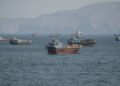
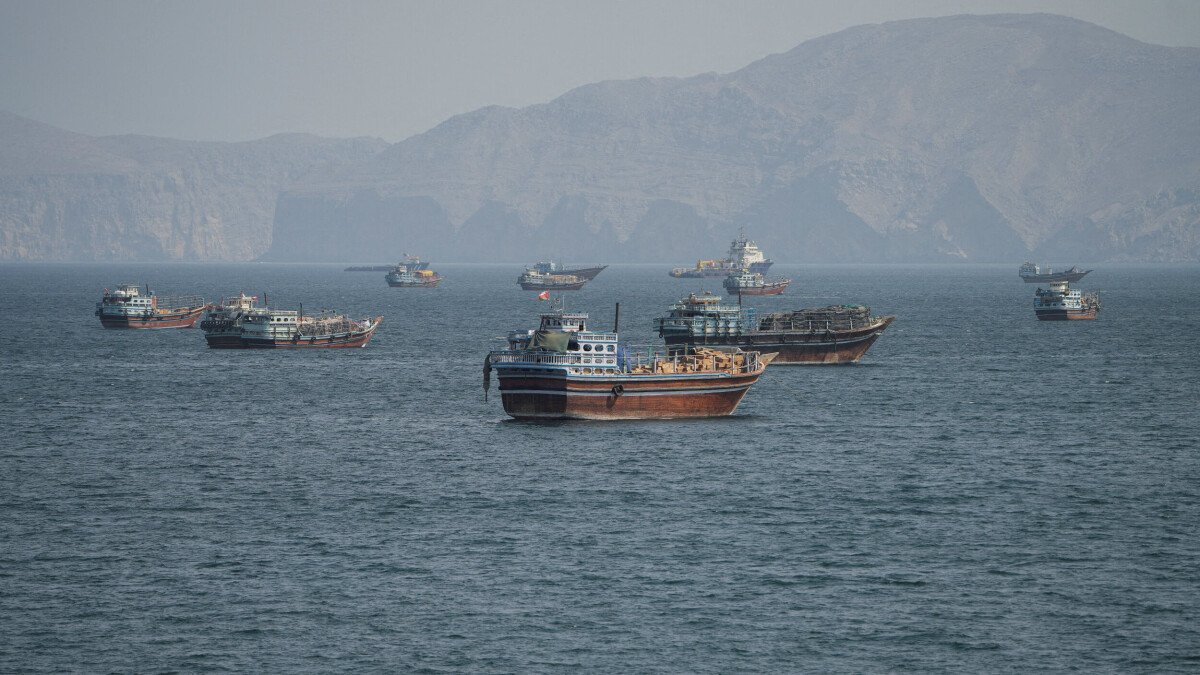
The announcement comes at a particularly sensitive moment for international maritime security. The Strait of Hormuz is one of the world’s most important energy transportation routes, connecting the Persian Gulf with international shipping lanes through the Gulf of Oman and the Arabian Sea. A substantial share of internationally traded oil passes through this narrow waterway, making its security essential for energy-importing countries.
Any disruption to shipping through the strait can have significant consequences for global oil prices, transportation costs and international trade. Countries heavily dependent on imported energy are particularly vulnerable to prolonged instability in the region.
South Korea is among the countries with significant economic exposure to developments in the Gulf. According to its industry ministry, approximately 70 per cent of the country’s oil imports came from the Middle East in 2025, with most of those supplies transported through the Strait of Hormuz. Maintaining uninterrupted access to these energy supplies is therefore a major national economic priority for Seoul.
The proposed expansion of the Cheonghae unit reflects the government’s effort to balance economic security with the risks of becoming directly involved in a wider regional conflict. South Korea wants to protect its commercial vessels and energy supply routes without taking actions that could be interpreted as military participation in the US-led campaign against Iran.
The security situation has become increasingly complicated following reports of several maritime incidents in the Strait of Hormuz. Iran’s Islamic Revolutionary Guard Corps said on Thursday that two oil tankers and a tugboat had caught fire in separate incidents after attempting to use unauthorised routes through the waterway.
According to the IRGC, one tanker struck a mine while attempting to cross a passage south of the strait. Another supertanker reportedly caught fire while leaving a route in the eastern section of the waterway. A tugboat that approached the second vessel to assist with firefighting operations also caught fire.
The incidents have highlighted the dangers facing commercial vessels operating in the region. However, the reported circumstances and causes of the fires have not been independently established, and the claims require further verification. The incidents nevertheless underline the importance of maritime monitoring, navigational safety and emergency response capabilities in one of the world’s most sensitive shipping corridors.
South Korea’s Cheonghae unit has been deployed in the Gulf of Aden since 2009 as part of international efforts to protect commercial shipping from piracy. Its responsibilities have traditionally included escorting vessels, monitoring maritime activity and responding to security threats affecting shipping routes.
The naval force currently includes a destroyer weighing approximately 4,400 tonnes, a maritime operations helicopter, up to three rigid-hull inflatable boats and around 300 military personnel. The proposed expansion would strengthen its ability to monitor shipping activity and respond to maritime emergencies closer to the Gulf region.
Reports from South Korean media indicate that the government is also considering deploying a P-8A maritime patrol aircraft and increasing the unit’s personnel by approximately 75. The aircraft would provide additional surveillance capabilities, allowing South Korean forces to monitor maritime traffic and identify potential threats over a wider operational area.
The proposal also seeks to extend the unit’s deployment in the Middle East, which is currently scheduled to expire at the end of 2026. A defence ministry spokesperson confirmed that the government intends to seek parliamentary approval for the extension as part of the wider operational adjustment.
The timing of the announcement is also significant because of growing disagreements between Washington and Seoul over the Iran conflict. Trump has repeatedly criticised South Korea for what he considers an inadequate contribution to American efforts. His administration has expected allies to play a greater role in protecting regional maritime routes and supporting the broader security strategy surrounding the war.
The disagreements have placed additional pressure on the long-standing security relationship between the two countries. The United States and South Korea maintain a close military alliance, largely focused on deterring potential threats from North Korea. However, Washington’s expectations regarding the Iran conflict have introduced another difficult issue into bilateral relations.
Earlier this year, Trump also scaled back major joint military exercises between the two countries. The decision created uncertainty among South Korean officials and raised concerns about the future direction of military cooperation. Joint exercises have traditionally played an important role in maintaining readiness and coordination between American and South Korean forces.
South Korean President Lee Jae Myung has previously made clear that his government does not intend to deploy military assets to the Middle East in a manner that could draw the country into direct conflict. In September, he rejected the prospect of sending forces to support the American war against Iran, although he indicated that Seoul was examining ways to contribute to protecting international navigation.
The latest proposal appears consistent with that position. By expanding the operational area of an existing anti-piracy force rather than sending a new combat deployment, South Korea is attempting to demonstrate its commitment to maritime security while maintaining limits on its military involvement.
The distinction could prove important for the country’s domestic political environment as well. Direct participation in military operations against Iran could expose South Korean personnel to significant security risks and potentially damage diplomatic relations with countries in the Middle East. An expanded maritime protection mission offers a more limited alternative, although it may still require careful diplomatic management.
The economic stakes are equally substantial. South Korea is a major industrial economy with extensive energy requirements, particularly for manufacturing, petrochemicals, transportation and electricity generation. Any prolonged interruption to oil supplies from the Gulf could increase production costs, put pressure on businesses and affect household expenses.
Higher oil prices could also contribute to inflation and create additional challenges for the country’s economic policymakers. Ensuring safe passage for commercial vessels is therefore not simply a military concern but an essential part of South Korea’s wider economic security strategy.

For international shipping companies, the proposed deployment could provide additional maritime monitoring and assistance in waters closer to one of the world’s most strategically important energy routes. However, the effectiveness of the expanded mission will depend on operational restrictions, regional security conditions and the ability of South Korean forces to coordinate their activities without becoming involved in hostilities.
The parliamentary approval process will now be an important test of the government’s approach. Lawmakers will need to consider the proposed operational boundaries, personnel requirements, financial implications and potential diplomatic consequences before authorising the mission.
As tensions surrounding Iran continue to affect maritime security, South Korea faces the difficult task of protecting its economic interests while avoiding direct involvement in a potentially wider war. The planned expansion of the Cheonghae unit represents an attempt to strike that balance, demonstrating a willingness to contribute to international shipping security without abandoning the government’s commitment to keeping its military forces outside the direct conflict.
Related News:
 Tanker Attacked Near Qatar as Hormuz Tensions Escalate
 US Strikes Iran Island as Vance Signals Hope for Peace
 Southeast Asia Turns to Russia Amid Energy Crisis
 US Awaits Iran Reply on New Ceasefire Proposal
 Hormuz Talks Near Critical Stage
 Millions Gather for Khamenei’s Six-Day State Funeral
 Houthis Strike Saudi Arabia as Middle East Tensions Rise
 Taliban global ties grow as rights fears mount
 Israeli Strike in Southern Lebanon Kills Seven
 North Korea Expands Uranium Facility at Yongbyon
 Saudi Arabia Shuts Oil Pipeline After Drone Attack
 South Korea Rules Out Military Role in Iran War
 Saudi Pact Raises Risk of Pakistan Entering War
 Iran Rejects Claims of Shift in US Talks
 Xi urges Trump to avoid US-China military conflict
 Saudi intercepts Houthi missiles as oil fears grow
 Trump Asked Xi About Buying US Weapons
 South Korea-Ukraine Row Erupts Over North Korean POWs
 New Maps Reveal Gaza’s Vast Destruction
 Germany Pledges €1bn Military Aid to Ukraine
 Israel Marks Three Years Since October 7 Attack
 South Korea Probes Fuel Shipments to Russia
 Houthi Missile Claim Sparks Riyadh Airport Disruption
 Israel Promotes Film Challenging Controversial Gaza Documentary
 Turkey Rules Out Troops in Saudi Arabia’s Houthi Conflict
 Trump Rules Out Iran Attack Before US Elections
 Trump’s Russian Diesel Deal Sparks Ukraine Fury
 Riyadh Airport Hit Again as Yemen Conflict Escalates
 Zelenskyy Accuses US of Delaying Ukraine Missile Supplies
 Japan’s Takaichi Faces a Crucial Second Year in Power
 Netanyahu Faces Defining Election Test as Israel Divides
 Ukraine Peace Talks Set to Resume in November
 Gulf States Push Multi-Part Deal to Avert US-Iran War
 Global Crises Test Diplomacy as Trump’s Policies Face Scrutiny
 G20 Photo Cancelled as Russia Deepens Western Rift
 Australia Reviews UK Visa Rules Amid Worker Influx
 Canada Passes Carney’s First Budget in Tight Parliamentary Vote
 India’s Labour Law Overhaul Sparks Fierce Debate
 Trump to Deploy “God Squad” Over Gulf Wildlife Protections
 Ukraine Urges UK to Seize Russian Oil Tankers
 Capitalism ‘Suicidal’, Warns Petro at Climate Summit
 Oil Prices Surge Above $120 Amid Iran Blockade Fears
 Trump approval plunges amid Iran war fears
 Trump Announces 3-Day Russia–Ukraine Ceasefire Deal
 Discontent grows around Putin amid war strain
 Ukraine Creates Long-Range Strike Command
 Trump Hardens Canada Trade Stance as Talks Stall
 Trump Calls Iran War ‘Small Potatoes’ Despite US Deaths
 Swedish Mining Push Puts Sami Land Rights Under Pressure
 UK plans tougher Israel stance with settlement trade ban
 Japan PM Backs International Criminal Court
 Trump gives Xi red-carpet welcome as trade truce extends
 Lula accuses Trump of seeking control over Brazil
 South Korea demands apology over DMZ mine blast
 Economic growth and political strain reshape Benin
 Burnham Opens Door to Possible UK Return to EU
 US Sends Third Carrier to Middle East
 Yemen government launches offensive against Houthis
 Canadian Veterans Condemn Trump Allies’ Military Remarks
 Israeli Settlers Assault Palestinian Photographer
 Gaza War Deepens India’s Strategic Ties With Israel
 EU Divisions Deepen Over Israel Policy
 Australia Rejects Russian Fuel as Trump Strikes Deal
 Brazil Court Scandal Threatens Lula as Bolsonaros Rise
 Millions Face Tougher Medicaid Rules From January
 India’s Voter Roll Crisis Sparks Nationwide Protests
 Gadi Eisenkot: Israel’s Anti-Netanyahu Challenger
 Trump Rallies GOP as Senate Democrats Boost Key Races
 Serbia Leader Linked to Controversial Trump Tower Plan
 UK Could Rejoin EU Through a Switzerland Plus Deal
 Brexit Debate Returns as UK Voters Reconsider EU Exit
 Zelenskyy Says US Failed to Warn Kyiv of Russian Strikes
 Xi Jinping Tightens China’s Anti-Corruption Campaign
 China’s AI Ambitions Hit $2.4 Trillion Market Setback
 US Bans BYD Vehicles at Japan Military Base
 Palestinian Parties Gain Power in Israel’s Election
 Trump’s Global Policies Put Republicans at Risk
 Haley Stevens Backs Republican Rival in Michigan Senate Race
 Australia Raises Interest Rates to 18-Year High
 James Talarico Makes History with Texas Senate Victory