Developing countries are facing growing uncertainty over their ability to finance climate adaptation and clean energy projects as several major industrialised economies delay announcing their future climate finance commitments. The lack of clear funding plans is creating difficulties for vulnerable nations attempting to prepare for increasingly severe weather events, strengthen infrastructure and transition towards low-carbon economies. Although wealthy countries are expected to provide hundreds of billions of dollars in annual climate support over the coming decade, the absence of detailed financial commitments from several major donors has raised concerns about whether developing nations will receive predictable assistance when they need it most.
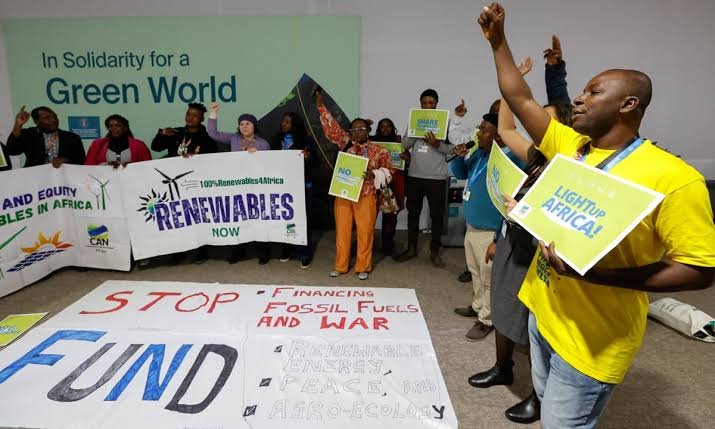
The issue has become a major concern at the 31st United Nations Climate Change Conference, known as COP31, which began on Monday in Antalya, Turkey. Negotiations are taking place against a backdrop of growing financial pressure, increasing climate-related disasters and disagreements over how responsibility for supporting vulnerable countries should be shared among the world’s wealthiest economies.

Under the climate finance agreement reached at COP29 in 2024, developed countries are expected to take the lead in providing at least $300 billion annually to developing nations by 2035. In addition, the agreement calls for efforts to scale up financing from all public and private sources to at least $1.3 trillion annually by the same year. The wider funding ambition is intended to help developing economies respond to climate change, protect vulnerable communities and accelerate the transition towards cleaner energy systems.
However, the commitments require long-term planning, transparent financial targets and cooperation between governments, development banks and private investors. Many developing countries are concerned that the absence of updated funding plans from major industrialised nations could undermine their ability to prepare investment programmes and determine how much financial support will be available in the coming years.
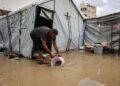
Climate finance is particularly important for countries that face serious environmental threats but have limited financial resources to respond. Developing economies frequently experience floods, droughts, cyclones, rising temperatures, coastal erosion and other climate-related emergencies. Building flood protection systems, improving agricultural resilience, strengthening electricity networks and developing renewable energy infrastructure require substantial investment that many governments cannot independently afford.
Without reliable information about future international assistance, governments may struggle to prepare national budgets, develop infrastructure projects and attract private sector investment. Investors generally require some degree of financial certainty before committing substantial resources to projects that may take years to complete. Uncertainty over public funding can therefore delay private investment and increase the financial risks associated with climate-related development.
An analysis conducted by the Natural Resources Defense Council and the E3G climate policy thinktank, reviewed ahead of COP31, suggests that developed countries are broadly on track to meet the $300 billion annual climate finance target established at COP29. According to the analysis, industrialised countries should collectively provide approximately $229 billion annually by 2030, with multilateral development banks expected to contribute around $185 billion of that amount.
The findings indicate that the international community may be closer to meeting its financial commitments than the current lack of public announcements suggests. However, analysts warn that the absence of clear information about future contributions is creating unnecessary uncertainty among developing countries.
Joe Thwaites, international climate finance director at the Natural Resources Defense Council and a co-author of the analysis, said most developed countries appeared to be in a relatively strong position regarding their climate finance commitments. The main concern, he explained, was that governments were not communicating their plans publicly.
According to Thwaites, the European Union is expected to continue providing approximately $36 billion annually in climate finance. When existing commitments from the United Kingdom, Canada and several smaller contributing countries are taken into account, the remaining gap towards the projected target would be approximately $7 billion.
He suggested that the United States, Japan and Australia could potentially help address the remaining shortfall, although the availability of additional contributions would depend on their future political and financial decisions.
The political situation in Washington is particularly significant because the United States remains one of the world’s most influential economies and an important participant in international climate finance discussions. Thwaites indicated that a change in US political leadership could create opportunities for additional financial commitments. However, uncertainty surrounding American climate policy continues to complicate expectations about future funding.
Japan and Australia are also facing questions about their next climate finance targets. Both countries have significant economic resources and established international development programmes, but their future financial commitments remain unclear.
The potential consequences of continued delays are highlighted by separate analysis from Carbon Brief, which examined what could happen if developed countries failed to introduce new climate finance commitments after their existing targets expired. According to the analysis, developing countries could face a reduction of approximately 70 per cent in bilateral climate finance from wealthy nations. This calculation excludes contributions from multilateral development banks.
Such a reduction could have serious consequences for countries that depend on international assistance to strengthen their resilience against extreme weather and develop sustainable energy infrastructure.
Nevertheless, Thwaites considered such a dramatic reduction highly unlikely, arguing that most developed countries would eventually announce new commitments. He expressed disappointment that governments had remained relatively silent about their future plans, suggesting that clearer communication would help reassure the Group of 77, a major coalition representing developing countries in international negotiations.
The concerns have become particularly important at COP31 because climate finance remains one of the most sensitive issues separating developed and developing nations. Many vulnerable countries argue that industrialised economies have historically contributed a disproportionately large share of global greenhouse gas emissions and therefore have a responsibility to provide financial assistance to countries experiencing the consequences.
For developing nations, climate finance is not simply a question of international cooperation. It is closely connected to economic survival, food security, public health and the protection of millions of people living in environmentally vulnerable regions.
The role of international development banks has also attracted attention during the negotiations. The World Bank retired its previous official climate finance target during the summer following pressure from the administration of US President Donald Trump. Despite the change, the institution is expected to continue providing tens of billions of dollars annually for climate-related projects.
Other multilateral development banks are also expected to maintain their existing climate finance programmes. Their continued participation could help prevent a major reduction in overall funding, although developing countries remain concerned about the uncertainty surrounding government contributions.
France, Germany and Australia are among the major economies that have yet to publicly outline comprehensive new climate finance targets. The situation involving Australia has attracted particular attention because the country is participating in the leadership arrangements for COP31 alongside Turkey.
It is unusual for a developed country involved in hosting or presiding over a major climate conference to approach the negotiations without clearly communicating its future climate finance plans. Australia’s position is therefore likely to remain under scrutiny as discussions continue.
The United Kingdom has already reduced its climate finance earlier this year, adding to concerns about the direction of international funding. Any further reductions by major economies could place additional pressure on developing countries that require predictable assistance to implement long-term climate strategies.
France, however, has provided details of its existing commitments through its development agency, the French Development Agency. A spokesperson said its Climate and Biodiversity Strategy maintained the country’s level of ambition, with annual climate finance of €6 billion and €800 million for biodiversity during the 2025–2027 period.
Japan has also reiterated its commitment to supporting developing countries under the Paris Agreement. A Japanese government spokesperson said the country’s assistance continued through the Japan International Cooperation Agency, international organisations and dedicated climate funds, including the Green Climate Fund and the Fund for Responding to Loss and Damage.
Japan confirmed that it did not currently plan to announce additional financial pledges. However, the spokesperson stressed that this did not represent a change in policy. The country has committed up to 165 billion yen to the Green Climate Fund’s second replenishment for the 2024–2027 period and is continuing to implement that commitment.
These responses demonstrate that some governments are maintaining existing programmes even without announcing entirely new financial targets. Nevertheless, developing countries are seeking more comprehensive assurances about the scale, timing and accessibility of future assistance.
Another major challenge involves the relationship between public climate finance and private investment. Public funding can help governments establish infrastructure projects, reduce investment risks and encourage businesses to participate in renewable energy, sustainable transport and climate-resilient development. Without predictable public commitments, private investors may become more reluctant to finance projects in countries already facing economic and environmental vulnerabilities.

For countries exposed to rising sea levels, extreme rainfall and prolonged drought, delays in climate financing can have direct consequences for communities and national development. Governments may be forced to postpone important infrastructure projects, while farmers, small businesses and vulnerable households remain exposed to increasingly unpredictable environmental conditions.
As COP31 negotiations continue in Antalya, developing countries are expected to press wealthy economies for clearer commitments and greater transparency. The central challenge is no longer limited to agreeing on long-term financial targets; it is ensuring that promised resources are translated into predictable, accessible and effective support.
Although current assessments suggest that the $300 billion annual target may remain achievable, the lack of publicly available plans has weakened confidence among recipient countries. For vulnerable economies, financial certainty is essential to prepare for a changing climate. Without stronger commitments and transparent implementation, the international community risks leaving developing nations struggling to protect their populations while pursuing a sustainable economic future.
Related News:
 Labor Minister Defends Chalmers Amid Budget Tensions
 Capitalism ‘Suicidal’, Warns Petro at Climate Summit
 Norway Doubles Down on Oil and Gas for Europe Energy Security
 Reeves Fights to Keep Treasury Role Amid Labour Turmoil
 Trump Pledges $5,000 if Republicans Win Midterms
 North Sea Firms Urge Early End to Windfall Tax
 JLR Eyes NATO Market With New Defender Military Vehicle
 Slave-Trade Wealth Embedded in Britain’s Financial System
 Trump Threatens EU With Tariffs Over Canada Proposal
 Trump Threatens EU Over Canada Partnership Proposal
 US House Passes Russia Sanctions Bill Amid Debate
 Tony Blair Calls for Britain to Rejoin EU Within a Decade
 Saudi intercepts Houthi missiles as oil fears grow
 EU-China Talks Target Surge in Hybrid Car Imports
 France Faces Debt Crisis as Protests and Markets Clash
 Australia Rejects Russian Fuel as Trump Strikes Deal
 Brazil Court Scandal Threatens Lula as Bolsonaros Rise
 Trump Rallies GOP as Senate Democrats Boost Key Races
 Trump Halts New Russia Sanctions Amid Ukraine Rift
 Cormann Warns Australia Against Populist Migration Caps
 Trump Fears Shock Democratic Senate Win in Kansas
 Alberta Voters Reject Push for Canadian Independence
 UN Warns World Must Cut Emissions by 18% by 2030
 Fed Expected to Hold Rates Steady Ahead of US Midterms
 Global Crises Test Diplomacy as Trump’s Policies Face Scrutiny
 G20 Photo Cancelled as Russia Deepens Western Rift
 Denmark Seeks EU-Wide Ban on Fast-Growing Turbo Chickens
 Australia Raises Interest Rates to 18-Year High
 Paraguay President Quits After Major Bank Collapse
 Zelenskyy Seeks Urgent Help as Russia Hits Ukraine’s Power Grid
 Paraguay President Impeached and Arrested After Banking Crisis
 Qatar Pushes Iran Deal to Reopen Strait of Hormuz
 New Zealand’s Opportunity Party Challenges Populist Politics
 Modi’s London Visit Seals Historic UK-India Trade Pact Amid Global Tensions
 Canada Passes Carney’s First Budget in Tight Parliamentary Vote
 ‘Repatriate the Gold’: Germany Debates Bringing Reserves Home
 Trump to Deploy “God Squad” Over Gulf Wildlife Protections
 Oil Prices Surge Above $120 Amid Iran Blockade Fears
 $13bn World Cup Set to Break All Revenue Records
 Trump approval plunges amid Iran war fears
 US Awaits Iran Reply on New Ceasefire Proposal
 Ukraine Creates Long-Range Strike Command
 Burnham unveils £65m drought aid for farmers
 Trump Hardens Canada Trade Stance as Talks Stall
 Trump Calls Iran War ‘Small Potatoes’ Despite US Deaths
 UK Subsidence Claims Surge After Record-Breaking Summer
 Swedish Mining Push Puts Sami Land Rights Under Pressure
 UK plans tougher Israel stance with settlement trade ban
 Farage Threatens Union Funding Ban Over Reform Donations
 UK Pay Growth Slows to 3.9% as Rate Decision Nears
 Bank Urged to Slow Bond Sales as UK Costs Rise
 Mayors Could Gain Greater Powers Over Water Firms
 US Sanctions Open New Battle for Cuba Assets
 MPs Defend UK Economic Watchdog Against Critics
 Chinese Hybrid Car Surge Raises EU Auto Industry Concerns
 Xi urges Trump to avoid US-China military conflict
 Lula accuses Trump of seeking control over Brazil
 Burnham Opens Door to Possible UK Return to EU
 French Debt Fears Put Euro Markets Under Pressure
 UK Diesel Reaches £2 as Inflation Surges Across Europe
 IMF Warns Governments Over Rising Debt Burdens
 South Korea Probes Fuel Shipments to Russia
 Ministers Push ATO to Reconsider Credit Card Ban
 Houthi Missile Claim Sparks Riyadh Airport Disruption
 Trump’s Russian Diesel Deal Sparks Ukraine Fury
 Hanson Attacks Taylor as Australian Conservatives Clash
 Hall and Woodford Win Nobel Economics Prize
 Serbia Leader Linked to Controversial Trump Tower Plan
 UK Could Rejoin EU Through a Switzerland Plus Deal
 Brexit Debate Returns as UK Voters Reconsider EU Exit
 UK Inflation Hits 3.5% as Middle East War Drives Fuel Costs
 UK Borrowing Hits £24.5bn Ahead of Healey’s Budget
 Tax Online Sales to Save High Street, Burnham Urged
 Labour MPs Urge Burnham to Lead UK Reindustrialisation
 China’s AI Ambitions Hit $2.4 Trillion Market Setback
 UK Land Registry Plan Faces Opposition From Landowners
 UK Chancellor Moves to Scrap Gas Standing Charges
 Albanese Faces Labor Pressure as Inflation Hits 4.3%
 Trump’s Global Policies Put Republicans at Risk
 James Talarico Makes History with Texas Senate Victory