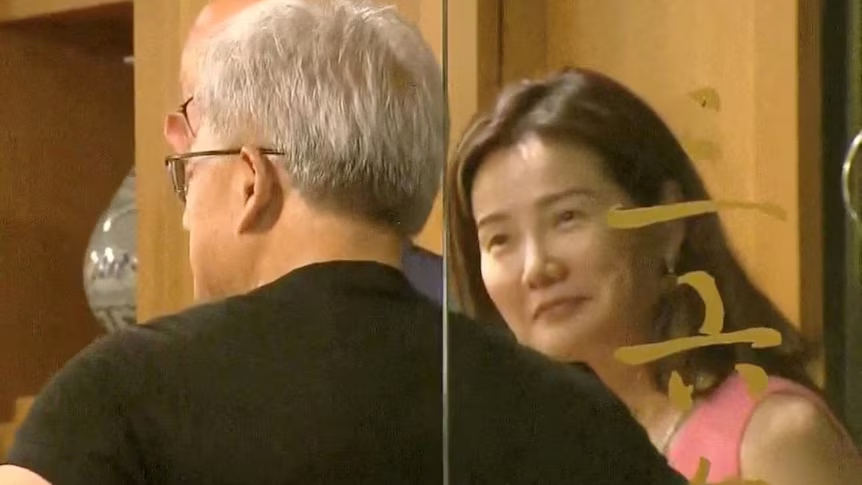
The resignation of Nvidia co-founder and former chief executive Jensen Huang has triggered a major political and national security controversy in the United States, prompting bipartisan calls for congressional investigations, tighter restrictions on advanced technology exports to China and greater scrutiny of the Trump administration’s handling of sensitive intelligence.
Huang and US Commerce Secretary Howard Lutnick are expected to face questions from lawmakers in the coming weeks as Washington seeks to establish whether a reported relationship between the former technology executive and a woman suspected of having links to Chinese intelligence exposed American interests to potential risks. The controversy has rapidly expanded beyond the personal conduct of a prominent business leader, raising questions about corporate security, government oversight and the strategic importance of artificial intelligence technology in the growing rivalry between Washington and Beijing.
The scandal intensified after reports emerged that Huang had maintained a relationship with Alice Huang, a businesswoman associated with Megaspeed International, a Singapore-based technology company. US intelligence agencies reportedly suspect Alice Huang of acting on behalf of Chinese interests. However, the allegations have not been publicly established as proven espionage, and the individuals and companies involved have not been shown to have knowingly compromised American national security.

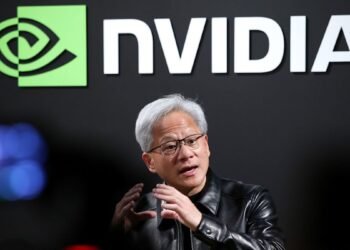
Jensen Huang resigned from his position as Nvidia’s chief executive on Thursday, ending more than three decades of leadership at the company he co-founded in 1993. Nvidia’s chief financial officer, Colette Kress, has taken over as interim chief executive while the board considers its longer-term leadership arrangements.
Although Nvidia’s board expressed appreciation for Huang’s contribution to the company’s development, its announcement did not directly address the espionage allegations or the personal controversies surrounding his departure. The resignation nevertheless marked a dramatic moment for a company that has become one of the most influential businesses in the global technology industry.
The political consequences have been immediate. Senate Democratic leader Chuck Schumer has argued that Huang and Nvidia must provide detailed explanations about whether the reported relationship created opportunities for foreign intelligence operations or endangered sensitive American technology. He has also called on the Trump administration to explain what officials knew about the situation and what steps they took after receiving information concerning the alleged relationship.
Schumer has emphasised that national security considerations must take precedence over personal connections and commercial interests. His concerns reflect a wider bipartisan debate about the relationship between major technology companies and government officials, particularly when private business decisions have potential implications for international security.
House Democratic leader Hakeem Jeffries has also requested a classified briefing for members of Congress on Nvidia and the wider security implications of the controversy. Lawmakers want to understand the extent of the available intelligence, the company’s internal security arrangements and whether any sensitive information could have reached foreign organisations.
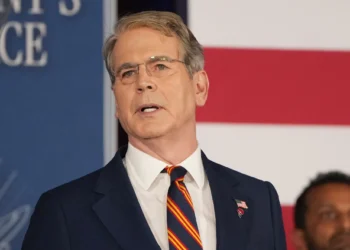
Republican lawmakers have similarly increased pressure for answers. Senator Tim Scott, chairman of the Senate Banking Committee, has sent requests to Huang and Commerce Secretary Howard Lutnick seeking their participation in congressional proceedings. Scott has warned that recent reports raise serious questions about the protection of sensitive American technology and the effectiveness of existing national security safeguards.
Scott has indicated that he could consider issuing a subpoena if Huang refuses to cooperate voluntarily. The former chief executive is also facing requests from members of the House Foreign Affairs Committee, whose representatives have been discussing arrangements for his appearance before Congress.
Commerce Secretary Lutnick has become another central figure in the controversy because of his department’s responsibility for overseeing technology exports and enforcing restrictions designed to prevent advanced American chips from reaching prohibited destinations.
A spokesperson for Lutnick said the secretary had proactively agreed to appear voluntarily before the Senate Banking Committee to address lawmakers’ questions. His department has faced criticism over its handling of Nvidia-related exports to China and its refusal to add numerous Chinese companies to an important US trade blacklist.
The controversy has intensified scrutiny of whether American authorities responded adequately to intelligence concerns involving Huang and his reported association with Alice Huang. Lawmakers are particularly interested in understanding whether government officials had information that should have prompted additional safeguards or closer examination of Nvidia’s commercial relationships.
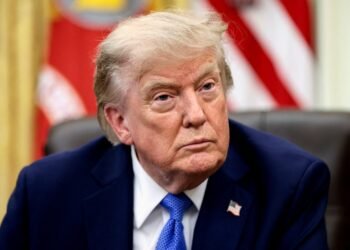
The political sensitivity is heightened by Huang’s previously close relationship with President Donald Trump. The Nvidia founder had become an influential figure in discussions about artificial intelligence, semiconductor manufacturing and American technological competitiveness.
According to reports, Trump spoke with Huang shortly before his resignation and encouraged him to fight to retain his position. The president’s earlier decision to invite Huang aboard Air Force One during a state visit to China has also attracted renewed attention.
These developments have raised questions about how personal relationships between influential business leaders and political figures might affect decisions involving national security. Lawmakers want to establish what the president knew about the reported relationship and whether intelligence concerns were communicated to senior administration officials.
The controversy also threatens to reshape America’s semiconductor export policy. Nvidia manufactures some of the world’s most advanced graphics processing units, which are essential for training sophisticated artificial intelligence systems. These chips are widely used by technology companies, research institutions and government organisations developing increasingly powerful AI applications.
Their strategic importance has made access to advanced semiconductors a central issue in the competition between the United States and China. Washington has introduced restrictions intended to prevent Chinese military organisations and other sensitive entities from obtaining technology that could strengthen their artificial intelligence capabilities.
However, American technology companies have argued that maintaining access to international markets is important for commercial competitiveness and continued investment in research and development. Huang had previously supported a more flexible approach to selling certain advanced chips to China, arguing that American companies should remain competitive in the global technology market.
The latest controversy has strengthened the position of lawmakers who believe that national security considerations should take priority over commercial opportunities.
House Speaker Mike Johnson has acknowledged growing support in Congress for limiting China’s access to advanced American semiconductor technology. He has indicated that there is an emerging consensus among lawmakers that stricter export restrictions may be necessary.
Several members of Congress are also pressing for legislation addressing semiconductor exports. At least four proposed measures have attracted attention as lawmakers consider strengthening restrictions and closing potential gaps in the existing regulatory system.
The investigation has acquired an additional international dimension because of questions surrounding Megaspeed International and the movement of advanced computing equipment through Singapore and other regional markets.
Authorities in Singapore have previously investigated suspected irregularities involving technology shipments and companies associated with the semiconductor supply chain. The investigation included Alice Huang, who was interviewed by Singaporean authorities and whose passport was temporarily seized.
Singaporean officials have said their investigation concerned possible domestic offences involving commercial declarations and technology transactions, rather than establishing that Alice Huang had engaged in espionage. They also reported that there was insufficient evidence to establish that she had committed an offence, although they concluded that she had provided inaccurate information about her role.
Separate investigations into Megaspeed and individuals associated with the company have continued. US authorities have also examined allegations that advanced computing equipment was diverted through intermediary businesses towards Chinese customers, potentially circumventing American export restrictions.
These developments have intensified concerns about weaknesses in international technology supply chains. Even when governments introduce strict export controls, sophisticated commercial networks can create opportunities for restricted products to move through third countries. Preventing such transactions requires cooperation between governments, technology manufacturers, financial institutions and international regulators.
China, meanwhile, is seeking to reduce its dependence on American semiconductor technology by expanding domestic production and developing alternative processors. Companies such as Huawei are playing an important role in these efforts. Although Chinese manufacturers have made progress, analysts continue to identify limitations in their ability to match the performance and efficiency of the most advanced American chips used for large-scale artificial intelligence development.
The possibility of tighter American restrictions could accelerate China’s efforts to strengthen its domestic semiconductor industry. It could also complicate the commercial strategies of international technology companies that depend on access to both American and Chinese markets.
The controversy has attracted considerable attention in China, where Huang previously enjoyed extraordinary popularity. His visits regularly generated enthusiasm among technology enthusiasts, business representatives and social media users. Photographs, public appearances and informal outings frequently became widely shared online.
Reports of his resignation generated hundreds of millions of interactions on Chinese social media platform Weibo, reflecting the scale of public interest in the technology executive’s sudden departure. His previous visits had even inspired commercial opportunities, with sellers advertising photographs with him and restaurants promoting special menus following his appearances.
For Nvidia, the immediate challenge is maintaining confidence among investors, employees, customers and government partners while addressing questions about its leadership and security procedures. The company has grown into a central supplier for the global artificial intelligence industry, making any disruption to its operations potentially significant beyond the United States.

Huang’s departure does not resolve the wider questions surrounding the controversy. Congressional investigations, government reviews and continuing scrutiny of international chip transactions could determine whether further regulatory changes are necessary.
Ultimately, the unfolding scandal represents a broader challenge for Washington as it attempts to balance technological innovation, commercial interests and national security. The outcome could influence not only Nvidia’s future but also the rules governing the international semiconductor industry and the increasingly important competition between the United States and China for leadership in artificial intelligence.
Related News:
 Xi urges Trump to avoid US-China military conflict
 Meta Faces Election Bias Claims Ahead of Brazil Runoff
 US Bans BYD Vehicles at Japan Military Base
 Elon Musk’s $446m Midterm Gamble Ends in Defeat
 Big Tech Faces a New Political Reckoning in America
 Nvidia and Jensen Huang Face Shareholder Lawsuit
 AI Takes Centre Stage in Trump-Xi Talks
 Trump gives Xi red-carpet welcome as trade truce extends
 Trump backs voluntary AI safety pact with tech giants
 AI Deepfakes Put New Pressure on Election Trust
 China’s AI Ambitions Hit $2.4 Trillion Market Setback
 Anthropic IPO Reveals AI Boom’s Huge Costs and Risks
 Global Crises Test Diplomacy as Trump’s Policies Face Scrutiny
 Zelenskyy Seeks Urgent Help as Russia Hits Ukraine’s Power Grid
 Australia Faces Political Risks After US Midterm Shift
 Reform UK funding: mystery billionaire revealed
 Trump approval plunges amid Iran war fears
 Trump Threatens UN Budget Cuts as US Pushes ‘Trade Over Aid’ Agenda
 US Awaits Iran Reply on New Ceasefire Proposal
 Hormuz Talks Near Critical Stage
 UK Risks Falling Behind in AI Race
 Trump Hardens Canada Trade Stance as Talks Stall
 Trump Calls Iran War ‘Small Potatoes’ Despite US Deaths
 Swedish Mining Push Puts Sami Land Rights Under Pressure
 Trump Pledges $5,000 if Republicans Win Midterms
 AI CEOs Call for Slower Development
 Why AI Doomsday Warnings Failed to Slow the Race
 Tom Watson Takes Senior Role at Palantir
 Macron and Carney deepen France-Canada ties
 Nvidia chief rejects AI extinction fears
 Trump’s UN Speech Faces Global Scrutiny
 Trump Eyes Major Belarus Fertiliser Deal Amid Canada Trade Dispute
 UK Plans New Centre to Counter Information Warfare
 Lula accuses Trump of seeking control over Brazil
 Australia Weighs New Laws After OpenAI Medicare Breach
 Elizabeth Holmes Set for Halfway House Transfer
 Bank Chief Calls for Power to Intervene in AI
 AI Could Intensify Election Risks in Southeast Asia
 Trump Immigration Policy Faces New Legal Tests
 Palantir Lobbyist Had Role in Burnham Campaign
 EU-China Talks Target Surge in Hybrid Car Imports
 Samsung Heads for Record Profit as AI Chip Demand Surges
 Doubts Grow Over Trump’s $15bn Iowa Steel Plant
 Tanker Attacked Near Qatar as Hormuz Tensions Escalate
 Brown Targets Ohio Data Centers in Senate Comeback
 Tom Watson Warns Against ‘Mob Rule’ in UK Contracts
 US Moves to Restrict Chinese Labs Testing Electronics
 Trump’s Russian Diesel Deal Sparks Ukraine Fury
 UK Must Build Its Own AI to Protect National Security
 EU Caps Chinese Hybrid Car Imports at 350,000
 Brazil Court Scandal Threatens Lula as Bolsonaros Rise
 Millions Face Tougher Medicaid Rules From January
 Ukraine Combat Units Face Sudden Starlink Restrictions
 Trump Targets Arizona and Montana Amid GOP Election Worries
 Brazil Cuts Working Week to 40 Hours in Lula Election Boost
 Trump Rallies GOP as Senate Democrats Boost Key Races
 Serbia Leader Linked to Controversial Trump Tower Plan
 Trump Halts New Russia Sanctions Amid Ukraine Rift
Trump Falsely Questions Ossoff’s Election Legitimacy
 Trump Fears Shock Democratic Senate Win in Kansas
 UN Warns World Must Cut Emissions by 18% by 2030
 Trump, Musk, and Zelenskyy Trade Blame Over Ukraine Starshield Access
 Spain Deepfake Ad Sparks Election Outrage
 Fed Expected to Hold Rates Steady Ahead of US Midterms
 Trump’s Global Policies Put Republicans at Risk
 G20 Photo Cancelled as Russia Deepens Western Rift
 Haley Stevens Backs Republican Rival in Michigan Senate Race
 US Midterms Put Trump’s Presidency to the Test
 US Strikes Iran Island as Vance Signals Hope for Peace
 Democrats Seize Senate Control in Major Trump Setback
 James Talarico Makes History with Texas Senate Victory
 Paraguay President Quits After Major Bank Collapse
 Democrats Expand House Majority in Major Midterm Victory
 Paraguay President Impeached and Arrested After Banking Crisis
 Qatar Pushes Iran Deal to Reopen Strait of Hormuz
 Trump’s Midterm Defeat Puts Maga’s Future in Doubt
 Pope Leo Rebukes Milei Over Argentina’s Austerity Policies
 California Voters Reject One-Time Billionaire Tax
 EU Manufacturers Face Growing Chinese Competition
 US Treasury Chief Moves to Military Base Over Iran Threat