Published: 07 November 2026. The English Chronicle Desk. The English Chronicle Online.
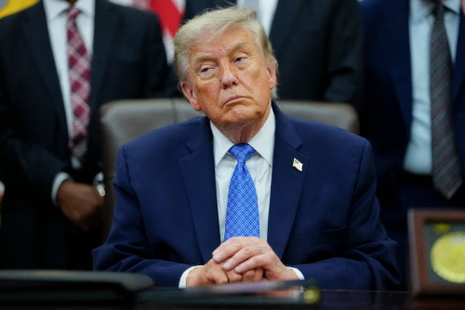
Donald Trump’s sweeping defeat in the 2026 US midterm elections has dealt a major blow to the political movement that transformed the Republican Party over the past decade. Although the Make America Great Again (Maga) movement is unlikely to disappear immediately, the scale of the Republican losses has raised serious questions about its future influence, the party’s direction and the prospects of potential presidential candidates ahead of the 2028 election.
The election results represented one of the most significant midterm setbacks for a sitting US president in modern political history. Democrats made substantial gains across the country, including in traditionally Republican states and districts where conservative candidates had previously enjoyed considerable electoral advantages. Their victories in places such as Kansas, South Carolina and Texas demonstrated that the political landscape had shifted well beyond the usual battleground areas.
In Texas, the victory of Democrat James Talarico in the Senate election was particularly symbolic. The state has long been regarded as a Republican stronghold, and Democrats had not secured a statewide Senate victory there since 1988. Talarico’s success reflected a broader movement among voters who had previously supported Republicans but became increasingly dissatisfied with the direction of the Trump administration.

For many voters, the decision to turn away from Republicans was driven less by enthusiasm for the Democratic Party than by frustration with the policies and promises of the president. Economic pressures, rising living costs and the conflict involving Iran emerged as major issues influencing voter behaviour.
Tarik Bakir, a 41-year-old financial adviser and former US military serviceman who served in Afghanistan, was among those who changed political allegiance. After supporting Barack Obama in 2008 and Trump in 2024, he returned to the Democratic side in the latest election. He said he was unhappy with the war in Iran and believed the economy was performing below expectations. In his view, the election was a clear rejection of Trump and his policies.
The economic situation appears to have been especially damaging to the Republican campaign. Many working-class voters had expected the president to reduce living costs, strengthen household finances and avoid involving the country in prolonged overseas conflicts. Instead, higher fuel prices, pressure on household budgets and uncertainty surrounding economic policy contributed to growing disappointment.
Veteran pollster Frank Luntz said affordability concerns had particularly affected former Trump supporters because many were living from one paycheque to another. Rising food and fuel prices placed additional pressure on households already struggling to manage monthly expenses. According to Luntz, voters who had supported Trump in 2024 felt that the administration had failed to deliver enough of the changes promised during the campaign.
The political disappointment was not limited to economic issues. Trump’s approach to public communication and political priorities also attracted criticism. Rather than consistently addressing the financial pressures facing ordinary Americans, the president devoted considerable attention to personal grievances, political disputes, high-profile controversies and projects that appeared disconnected from the concerns of many voters.
The conflict with Iran became another significant source of frustration. Trump had campaigned on promises to avoid prolonged foreign military involvement, making the war particularly difficult to defend among voters who had supported his message of prioritising domestic concerns. The combination of military conflict, economic uncertainty and questions about political accountability weakened the coalition that had helped return him to the White House.
Patrick Gaspard, a former Obama administration official, argued that Trump had broken several commitments made to working-class voters. He pointed to tariffs, the military conflict, controversial cryptocurrency-related activities and federal immigration enforcement as factors that contributed to the movement’s internal divisions.
The electoral losses also exposed weaknesses among demographic groups that had helped Trump secure victory in 2024. According to voter survey findings cited in the election coverage, Republicans lost much of their previous support among Latino voters. Their backing among Black men also declined considerably. Younger voters, who had been more evenly divided between Trump and Kamala Harris in the previous presidential election, strongly favoured Democratic candidates in the latest midterms.
The decline among younger voters and men was particularly important because the Maga movement had invested heavily in building support through conservative online platforms, political podcasts and personalities associated with the so-called manosphere. The election results suggested that this strategy was no longer delivering the same level of support.
For Republican politicians, the defeat could create an opportunity to distance themselves from Trump. Gaspard argued that declining approval ratings and substantial electoral losses could encourage party members to prioritise their own political survival rather than remain closely aligned with the president.
Trump’s influence over Republican candidates had been a defining feature of the party for years. He frequently endorsed preferred candidates and played a central role in shaping primary contests. However, the latest results have raised questions about whether his political endorsement remains an advantage or has become a liability in competitive elections.
Despite the scale of the defeat, political observers have warned against declaring the immediate end of Maga. Trump has survived numerous controversies, impeachment proceedings, criminal cases, assassination attempts and his defeat in the 2020 presidential election. He returned to power in 2024, demonstrating an ability to maintain a loyal political base despite repeated challenges.
Conservative commentator Charlie Sykes described the movement as badly wounded but still potentially dangerous. He argued that the defeat could force Republicans to reconsider their dependence on Trump after years of political loyalty. In his assessment, a setback of this magnitude could have a greater impact on the party than criticism from commentators, journalists or political opponents.
Bill Galston, a senior fellow at the Brookings Institution, also cautioned against treating the election as the permanent defeat of populist conservatism. He said Maga had deep social roots in American society and represented political concerns that would not disappear simply because its candidates had suffered a major electoral setback.
However, Galston questioned whether the movement would continue to dominate the Republican Party as it had over the previous decade. He suggested that the defeat had created a political opening for a candidate capable of presenting an alternative conservative agenda. Such a figure would need to challenge the existing political approach while maintaining enough support among Republican voters to compete successfully.
The question of who could succeed Trump has consequently become more urgent. Vice-President JD Vance, previously considered one of the strongest potential Republican candidates for 2028, now faces a difficult political situation. His close association with Trump could make it challenging to separate his own political identity from the administration’s unpopular decisions.
Following the election defeat, Vance publicly identified the war in Iran as a major reason for the Republican losses. His comments were widely interpreted as an attempt to distance himself from one of the administration’s most controversial policies. However, political observers questioned whether such a move would be sufficient to protect his future ambitions.
Other possible Republican contenders include Florida Governor Ron DeSantis, Secretary of State Marco Rubio, former United Nations ambassador Nikki Haley, Utah Governor Spencer Cox and former Virginia Governor Glenn Youngkin. Their prospects may depend on whether they can appeal to Maga voters while offering a different political direction.
Former House speaker Newt Gingrich also suggested that the scale of the Republican defeat had opened the presidential nomination contest. With Trump’s political authority weakened, potential candidates may become more willing to challenge the movement’s established leadership.
Democrats, meanwhile, face a different challenge. Their midterm success was built partly on dissatisfaction with Trump, but opposition to a president does not automatically provide a lasting political programme. The party will need to demonstrate that it can address economic concerns, improve living standards and offer policies capable of attracting voters beyond the anti-Trump coalition.
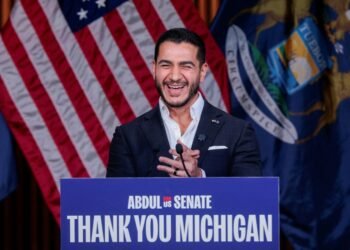
The emergence of younger political figures, including Talarico in Texas, Jon Ossoff in Georgia and Abdul El-Sayed in Michigan, could help shape the party’s future. El-Sayed’s Senate victory was particularly historic, making him the first Muslim elected to the US Senate. His success may also encourage other progressive figures to consider seeking higher office in 2028.
The election has therefore created an opportunity for both parties to reconsider their political strategies. Republicans must decide whether to continue following Trump’s approach or attempt to rebuild around a different conservative vision. Democrats must turn their electoral gains into a programme that can deliver practical improvements for ordinary Americans.
Back in Round Rock, Texas, voters expressed frustration with the economic conditions that had influenced their decisions. Billy Joe Wilson, a 47-year-old local business owner, said rising petrol, diesel and general consumer prices had left many people feeling that the administration had failed to deliver on its promises. He argued that voters were becoming increasingly concerned about the financial future of their children and grandchildren.

His comments reflected a wider concern among working-class Americans that economic opportunities were becoming harder to secure while wealth remained concentrated among those already financially powerful.
The 2026 midterms may not mark the complete disappearance of Maga, but they have exposed serious weaknesses in the movement’s political coalition. Trump’s ability to control the Republican Party has been challenged, and the next two years could determine whether the party remains centred on his leadership or begins a difficult process of political transformation.
The movement that once appeared capable of reshaping American politics now faces an uncertain future. Its supporters remain politically active, but the latest election has demonstrated that loyalty has limits when campaign promises collide with the everyday realities of household finances, military conflict and public confidence.
Related News:
 Trump approval plunges amid Iran war fears
 Trump Threatens UN Budget Cuts as US Pushes ‘Trade Over Aid’ Agenda
 US Awaits Iran Reply on New Ceasefire Proposal
 Hormuz Talks Near Critical Stage
 Trump announces major US oil deal with Venezuela
 Trump Hardens Canada Trade Stance as Talks Stall
 Trump Calls Iran War ‘Small Potatoes’ Despite US Deaths
 Trump Pledges $5,000 if Republicans Win Midterms
 Macron and Carney deepen France-Canada ties
 Trump Eyes Major Belarus Fertiliser Deal Amid Canada Trade Dispute
 Xi urges Trump to avoid US-China military conflict
 Lula accuses Trump of seeking control over Brazil
 Trump Ads Trigger Fight Over Taxpayer Money
 Tanker Attacked Near Qatar as Hormuz Tensions Escalate
 Trump’s Russian Diesel Deal Sparks Ukraine Fury
 Brazil Court Scandal Threatens Lula as Bolsonaros Rise
 Millions Face Tougher Medicaid Rules From January
 Trump Targets Arizona and Montana Amid GOP Election Worries
 Brazil Cuts Working Week to 40 Hours in Lula Election Boost
 Trump Rallies GOP as Senate Democrats Boost Key Races
 Serbia Leader Linked to Controversial Trump Tower Plan
 Trump Halts New Russia Sanctions Amid Ukraine Rift
Trump Falsely Questions Ossoff’s Election Legitimacy
 Trump Fears Shock Democratic Senate Win in Kansas
 Meta Faces Election Bias Claims Ahead of Brazil Runoff
 Fed Expected to Hold Rates Steady Ahead of US Midterms
 Trump’s Global Policies Put Republicans at Risk
 Global Crises Test Diplomacy as Trump’s Policies Face Scrutiny
 G20 Photo Cancelled as Russia Deepens Western Rift
 Haley Stevens Backs Republican Rival in Michigan Senate Race
 US Midterms Put Trump’s Presidency to the Test
 US Strikes Iran Island as Vance Signals Hope for Peace
 Democrats Seize Senate Control in Major Trump Setback
 Democrats Retake US House in Major Trump Backlash
 James Talarico Makes History with Texas Senate Victory
 Paraguay President Quits After Major Bank Collapse
 Zelenskyy Seeks Urgent Help as Russia Hits Ukraine’s Power Grid
 Democrats Expand House Majority in Major Midterm Victory
 Paraguay President Impeached and Arrested After Banking Crisis
 Qatar Pushes Iran Deal to Reopen Strait of Hormuz
 Canada Passes Carney’s First Budget in Tight Parliamentary Vote
 Government Unveils Northern Powerhouse Rail Plans
 Trump Fed bid heads to Supreme Court
 Thousands Protest ICE Operations in Nationwide US Day of Action
 Epstein Files Reveal Trump Officials’ Emails with Financier
 Trump to Deploy “God Squad” Over Gulf Wildlife Protections
 UK Stands Firm on Falklands Amid US Rift
 Oil Prices Surge Above $120 Amid Iran Blockade Fears
 Trump orders US troop pullout from Germany
 Ohio’s Battle for Trust: Democrats Vying to Flip the Buckeye State
 US ‘Narco Boat’ Strikes Draw Global Outcry
 Afghan Families Left in Limbo Face Risk of Deportation
 Kevin Warsh sworn in as Fed chair amid economic backlash
 House Curbs Trump’s War Powers in Rare Rebellion
 Ukraine Creates Long-Range Strike Command
 Houthis Strike Saudi Arabia as Middle East Tensions Rise
 Swedish Mining Push Puts Sami Land Rights Under Pressure
 UK plans tougher Israel stance with settlement trade ban
 US Networks Suspend Trump White House Pool Coverage
 Trump gives Xi red-carpet welcome as trade truce extends
 Republican Senator Questions Trump Ad Spending
 Burnham Opens Door to Possible UK Return to EU
 Brazil Election Draws Religion Into Final Campaign
 Lula Warns of Bolsonaro Family Return as Brazil Votes
 Families Await USS Abraham Lincoln Homecoming
 Quebec separatists return to power without majority
 Canadian Veterans Condemn Trump Allies’ Military Remarks
 South Korea Probes Fuel Shipments to Russia
 Trump Says He Deserves Nobel Peace Prize
 Houthi Missile Claim Sparks Riyadh Airport Disruption
 Trump Rules Out Iran Attack Before US Elections
 Trump Names Katie Zachariah as Next White House Press Secretary
 UK Could Rejoin EU Through a Switzerland Plus Deal
 Brexit Debate Returns as UK Voters Reconsider EU Exit
 Lula Supporters Make Final Push Ahead of Brazil Runoff
 Flávio Bolsonaro Reportedly Leaves Brazil After Election Defeat
 Australia Raises Interest Rates to 18-Year High
 Hegseth Faces Growing Pressure After GOP Election Defeat
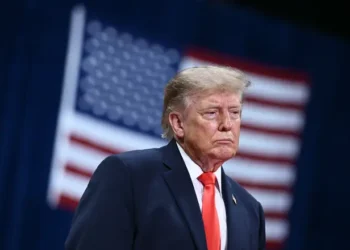 Trump-Backed Republicans Suffer Major Midterm Defeats
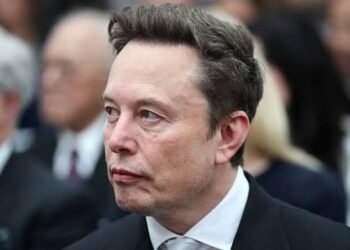 Elon Musk’s $446m Midterm Gamble Ends in Defeat