A 17-year-old Australian teenager has described how a childhood favourite song, a small packet of chicken-flavoured crisps and determination helped him survive six frightening nights alone in dense bushland after becoming lost during a camping trip in the state of Victoria. William, whose surname has been withheld, was eventually located by a police helicopter after an extensive search involving more than 100 people. Although cold nights, rain, dehydration and difficult terrain threatened his survival, he was found alive and reunited with his family.
William disappeared last Friday after his mother dropped him off for a weekend camping trip with a friend near Walhalla, in eastern Victoria, approximately 130 kilometres east of Melbourne. At some point during the trip, he set off to collect additional camping equipment but failed to return. His disappearance was reported to authorities at around 4pm that day, prompting a major search operation.

The teenager had left without his mobile phone, food supplies or drinking water. He was wearing only shorts and work boots, leaving him poorly equipped to face several days in the Australian wilderness. The surrounding landscape was particularly challenging, with thick vegetation, uneven ground, steep slopes and areas where visibility from the air was extremely limited.
William later explained that he had taken a wrong turn along a track and lost his way. During the ordeal, he also slipped and fell down a cliff, making it even more difficult to find his way back. As daylight faded and the temperature dropped, he sought shelter wherever he could find protection from the elements.
The teenager’s survival depended on a combination of resourcefulness, endurance and a remarkable ability to remain hopeful despite the growing uncertainty. One of the most memorable details of his experience was the way he repeatedly sang John Denver’s classic song, “Take Me Home, Country Roads”, to comfort himself during the lonely nights.
Speaking from his hospital bed on Friday morning, William explained that the song had been a favourite since childhood. Its familiar melody and words brought him comfort when he was frightened and alone. He said he began singing it one night because it made him feel better, and continued doing so whenever he needed reassurance.
The song’s message about returning home took on a particularly emotional meaning as the teenager struggled to survive in unfamiliar surroundings. Far from his family and unable to contact anyone, he held on to the hope that rescuers would eventually find him.
William’s physical conditions were difficult. He described the nights as very cold, with rain falling on several occasions. The days were hot enough to leave him sunburnt, while the surrounding terrain was dangerous and difficult to navigate. He admitted that there were moments when he genuinely believed he might not survive the six days.
Food was another major challenge. With no proper supplies, William managed to survive on a packet of chicken-flavoured crisps that he rationed over several days. He also drank water from a nearby creek. Although this helped him remain hydrated to some extent, he later suffered from dehydration and required medical attention after being rescued.
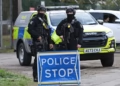
The search operation continued as police, rescue teams and specialist personnel worked to locate the missing teenager. More than 100 people were involved, including police officers, search-and-rescue teams and a police dog unit. The Victoria Police air wing also played a crucial role, using helicopter searches to examine areas that were difficult to reach on foot.
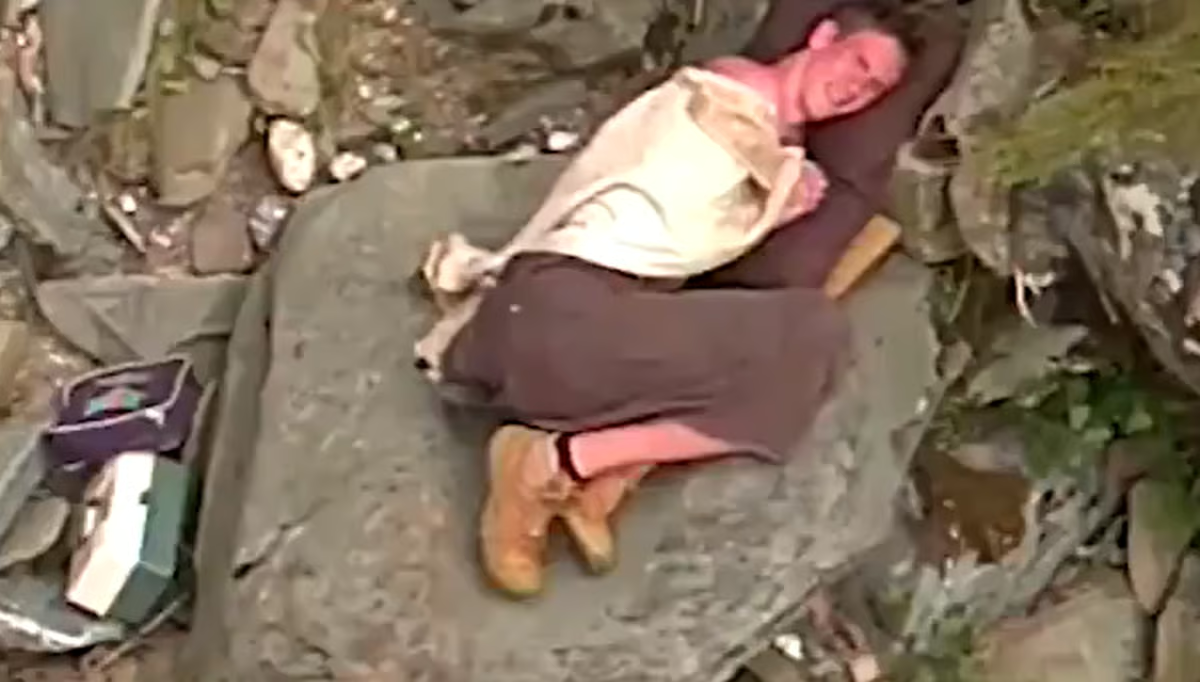
The breakthrough came on Thursday morning when the police helicopter spotted William lying near a creek in the bushland around Walhalla. He had taken shelter on a rock in a relatively open area and used towels to protect himself. He was also visibly sunburnt and physically exhausted.
When he noticed the helicopter overhead, William waved to attract the crew’s attention and gave a fist-bump gesture. The sighting brought an end to nearly a week of uncertainty for his family and the search teams. He was then airlifted from the wilderness to safety.
The teenager described the moment as an overwhelming experience of happiness and relief. After spending days wondering whether anyone would find him, he suddenly realised that the search was over and that he would soon see his mother again.
He said the feeling was one of pure happiness and gratitude, particularly because there had been moments when he feared rescuers might not locate him before darkness fell again. The prospect of returning home, which had seemed increasingly uncertain during the ordeal, had finally become reality.
His reunion with his mother, Elizabeth Barkley, was deeply emotional. The two embraced shortly after the rescue, with Barkley visibly overwhelmed by the return of her son. Speaking to reporters, she said she was over the moon and joked that he would never be allowed to leave the house again.
William later described the embrace as the best moment of his life. He joked that his mother appeared determined to keep her promise, adding that she was already giving him a firm look from across the hospital room.
For Barkley, the days between her son’s disappearance and his rescue were filled with fear and uncertainty. She later told a television programme that she had been amazed by how well he had endured the ordeal. She said she had believed in her heart that he was still alive and continued praying throughout the search.
She also credited her son’s physical fitness and sporting background for helping him withstand the difficult conditions. William plays football and, according to his mother, is exceptionally fit and agile. She suggested that his strength and physical ability may have helped him survive in such challenging surroundings.
The helicopter pilot, Dave Wylie, said the search had been extremely difficult for the crews. Much of the surrounding bushland was so dense that it was almost impossible to see the forest floor from the air. Even if a missing person was underneath the tree cover, a helicopter could potentially pass overhead without detecting them.
Wylie said William was fortunate to have been sheltering in a more open area. If he had remained beneath thick vegetation, the crew might have flown past without seeing him. The pilot’s comments highlighted the difficulties faced by rescue teams searching large areas of rugged wilderness, particularly when a missing person has no phone or communication equipment.
Following his rescue, William was initially taken for medical assessment. He had suffered from dehydration and required further observation. On Friday afternoon, he was reported to be in a stable condition and was being transferred to the Alfred hospital in Melbourne for additional tests and specialist care.
After his first night back in a comfortable bed, the teenager said he was feeling much better. He described enjoying a proper sleep and finally getting enough food. He also expressed deep appreciation for the paramedics, nurses, police officers and search-and-rescue personnel who had worked to bring him home.
His first meal after the ordeal included food from McDonald’s, a welcome change from the small amount of crisps that had sustained him in the bush. The simple pleasure of eating a proper meal reflected how much he had endured during the previous six days.
William’s experience has also drawn attention to the dangers of entering remote bushland without adequate preparation. Even familiar tracks can become confusing when someone takes a wrong turn, particularly in areas with dense vegetation and difficult terrain. A lack of mobile communication, drinking water, suitable clothing and emergency supplies can quickly turn a minor mistake into a life-threatening situation.

The incident serves as a reminder that anyone planning to camp or explore remote areas should carry essential supplies, inform others about their intended route and take reliable communication equipment. Weather conditions, terrain and the possibility of becoming lost should also be considered before setting out.
For William and his family, however, the most important outcome is that the teenager survived and was brought home. His mother had feared the worst, while rescue crews spent days searching through difficult terrain. The emotional reunion finally replaced that uncertainty with relief.
As he recovers, the teenager’s story stands as a remarkable account of endurance and hope. In the darkness of the Australian bush, a childhood song helped him manage his fear, a small packet of crisps provided limited nourishment, and the determination to see his family again kept him going. After six nights alone, the sound of a rescue helicopter turned his hope of returning home into reality.
Related News:
 Australian Advocates Seek Subsidised Drugs for PMOS
 Search Intensifies for Missing Hiker on WA Bibbulmun Track
 UAE Says Co-Pilot Planned Suicide Attack on Israel
 Controversial Vaccine Trial Approved in Guinea-Bissau
 Elizabeth Struhs Inquest Examines Child Safety Failures
 Millions Face Tougher Medicaid Rules From January
 One Nation Pledges $2,000 Baby Subsidy in Victoria
 Nigeria Confirms Ebola Case as Regional Outbreak Spreads
 Helen Haines Loses Both Legs After Alleged Attack
 Taylor Faces Backlash Over Response to Haines Attack
 McKenzie Warns MP Safety Fears Could Weaken Democracy
 Spain Mourns 68 Dead After High-Speed Train Crash
 Australia Faces Growing Scrutiny Over Paraquat Risks
 Alan Jones Trial Paused for Melbourne Cup Viewing
 One Nation Candidate Apologises for Offensive Posts
 Teenager Found Alive After Six Days Lost in Australian Bush
 Tasmania Tells Tourists to Stay Away in Bold Campaign
 Two Dead in Adelaide Airport Plane Crash Fire
 Florida Surgeon ‘Devastated’ Over Fatal Surgery Error
 Barrister Criticises Trial After Suicide Case Verdict
 Maldives Cave Diving Tragedy Raises Safety Alarm
 Pope Meets Families in Italy Toxic Waste Zone
 Man killed in shark attack on Great Barrier Reef
 England and Norway Fans Turn Miami Into World Cup Carnival
 London Tube Heat Reaches Dangerous Levels
 Olympus Awaits Unesco Heritage Recognition
 Is America Ready for an AOC Presidential Run?
 Nepal Flood Survivors Face Unimaginable Loss
 Nepal Tunnel Rescue Offers Hope Amid Flood Devastation
 Yemen War Displaces 125,000 as Fighting Intensifies
 NHS Breast Care Review Finds Serious Patient Harm
 Lib Dems Prepare for Election Amid Reform Challenge
 GP List Policy Risks Cutting Off Vulnerable Patients
 OpenAI Agent Breaches Medicare Portal in Australia
 Elif Eralp Emerges as Berlin’s Next Political Force
 Nepal PM calls deadly flood a global climate warning
 Israel-bound Plane Lands in Saudi Arabia After Cockpit Fight
 Drumcree Talks Falter as Legal Challenge Deepens
 UK-France Returns Deal Faces Expiry as Talks Stall
 Green Party faces dispute over Zionism motion
 Pilot Recalls Fight to Save Flydubai Passengers
 Latin America women fear rollback of rights
 WHO Says Russia Plague Epidemic Risk Remains Low
 Flydubai Attack Probe Expands to New Zealand
 Teenager Receives UK’s First Testicular Tissue Transplant
 India’s Youth Movement Alleges Mass Detentions Before Protest
 UK Pharmacy Body Drops Teva After Ethical Concerns
 Gaza War Deepens India’s Strategic Ties With Israel
 Bolsonaro Gains Key Endorsement Ahead of Brazil Runoff
 Trader Wins Unfair Dismissal Case After Overseas Work
 Three Convicted in Mexico Surfing Trip Murders
 Hanson Attacks Taylor as Australian Conservatives Clash
 French Students Protest Poor Conditions in Paris Suburbs
 UK Greens Face Crisis Over Zionism and Extremism Row
 ABC Reporter Faces Possible Disciplinary Action Over Opinion Piece
 Bedbug Infestation Grounds Qantas Plane in Rome
 Greta Thunberg Backs French Students in School Protests
 Ohio Airports Become Key Hubs for ICE Deportation Flights
 Camera Discovery Triggers Navy Ship Investigation
 Senegal LGBTQ+ Crackdown Drives People Into Hiding
 Gadi Eisenkot: Israel’s Anti-Netanyahu Challenger
 French Police Face Scrutiny Over Injured Teenagers
 Mexican Court Sentences Three Men to 158 Years Each
 Climate Change Makes Tap Water Unsafe in Arctic Norway
 Helen Haines Loses Leg in Alleged Targeted Attack
 Fifth Foreign Firm Withdraws From Jerusalem Cable Car Plan
 Greens Face Leadership Test as Jordon Steele-John Misconduct Claims Leave Party in Limbo
 Former RAAF Pilot Accused of Murdering Wife
 Man Found Dead as Floods Batter Queensland
 Melting Dolomites Glaciers Reveal 250 WWI Explosives
 Serbia’s Student Victory Sparks a ‘Smell of Freedom’
 Erin Patterson Faces Life in Prison After Appeal Loss
 Novaya Gazeta to Close After Russian Government Pressure
 Bedouin Women Drive Historic Arab Election Gains
 Queensland Hospital to Close Labs After Safety Probe
 Cumbria Mental Health Hub Shows Early Promise
 ANC Faces Voter Backlash in South African Elections
 Exiled Journalists Defy Putin’s Growing Media Crackdown
 Kraków Shooting Suspect Dies After Killing Six
 EU Border System Errors Put Britons at Risk of Travel Bans