Published: 08 October 2026. The English Chronicle Desk. The English Chronicle Online.
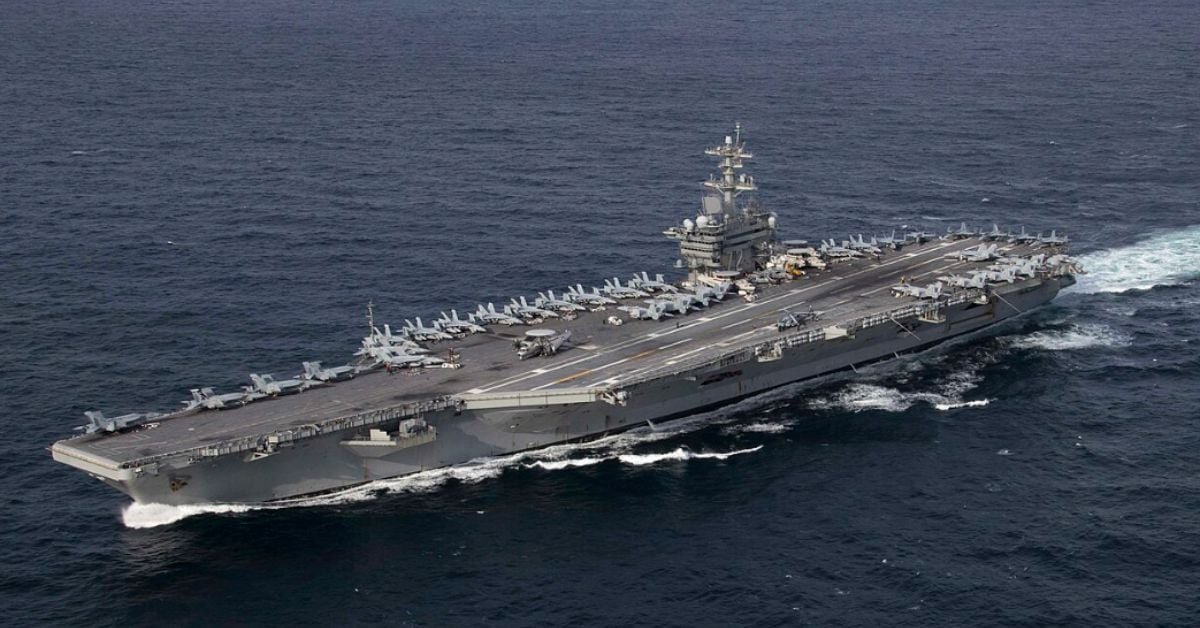
The USS Abraham Lincoln is set to return to its home port in San Diego after completing an extraordinary 265 consecutive days at sea, ending a deployment that became closely associated with the US military’s involvement in the war with Iran and growing concerns about the pressures placed on sailors and their families.
The aircraft carrier, carrying roughly 5,000 sailors and Marines, is expected to arrive in San Diego on Thursday after spending more than eight months without a port call. The deployment is being described as a record for the US Navy and has attracted significant attention because of its length, the intensity of its operations and reports of difficulties faced by personnel aboard the vessel.
The Lincoln initially left San Diego in November 2025 and was expected to operate in the Pacific before eventually returning home in the spring. That plan changed dramatically after the United States and Israel launched military operations against Iran in late February.

The carrier was redirected to the Middle East, where it supported US military operations during the conflict. Its extended deployment kept thousands of personnel away from their families for months longer than originally anticipated.
The unusually long period at sea also generated concerns about conditions aboard the ship. Reports emerged of supply shortages and deteriorating mental health among some members of the crew, while families and military veterans expressed concern about the physical and emotional demands being placed on personnel.
Those accounts became part of a wider debate over the war and its impact on the US military. For some critics, the Lincoln came to represent the strain created by a prolonged military operation and the demands placed on service members during an unusually intense deployment.
The Trump administration has pushed back against descriptions of the carrier’s deployment as a failure or evidence of widespread dysfunction.
US Defence Secretary Pete Hegseth travelled to the carrier on Wednesday, shortly before its return to San Diego, to present the crew with the Presidential Unit Citation. The award is among the highest honours that can be given to a military unit and is generally associated with exceptional performance in combat or other major operations.
During his remarks to the crew, Hegseth acknowledged the difficulty of the deployment but emphasised the resilience of the sailors and Marines who completed the mission.
He rejected attempts to portray the ship’s extended deployment as evidence of low morale or institutional failure, arguing that the crew had adapted to demanding circumstances and continued carrying out its responsibilities.
Hegseth also said President Donald Trump had followed the carrier’s activities from the beginning and was proud of what the crew had accomplished.
The award came as the Lincoln prepared to end one of the most demanding periods in its operational history.
For those serving aboard the carrier, the return to San Diego represents more than the conclusion of a military mission. It also marks a long-awaited reunion with families after months of separation.
The duration of the deployment has been particularly significant for relatives who spent much of the year uncertain about when their loved ones would return. Military families often prepare for extended absences, but the Lincoln’s deployment exceeded the expectations established when the carrier originally departed California.
The reports of supply shortages and mental-health concerns added another layer to the experience. While administration officials have disputed accounts portraying the ship as suffering from widespread dysfunction, concerns raised by families and veterans have kept questions about personnel welfare in the public debate.
The Lincoln’s experience has also become intertwined with the political controversy surrounding the war with Iran.
As the conflict continued, disagreements intensified in the United States over the rationale for military action, its consequences and the administration’s broader foreign-policy strategy.
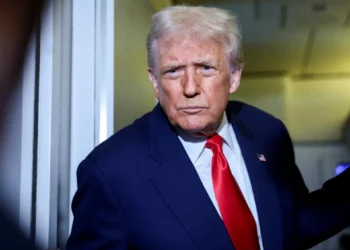
President Trump addressed the conflict during remarks in San Antonio, Texas, where he again argued that military action against Iran had been necessary to prevent a potentially devastating nuclear threat to American cities.
Trump has repeatedly claimed that Iran posed a future nuclear danger to the United States. However, the source material surrounding his remarks notes that US intelligence assessments in 2025 concluded that Iran had abandoned its pursuit of nuclear weapons in 2003. The competing claims have become part of the broader political dispute over the justification for the war.
Trump’s remarks also included references to the 2009 Fort Hood shooting and its perpetrator, Nidal Hasan. The comments were made in the context of a discussion about the potential consequences of a nuclear-armed Iran and drew attention amid wider political arguments about national security and Muslim Americans.
The president’s political appearance in Texas was also interrupted repeatedly by protesters, highlighting the continuing domestic divisions surrounding the administration’s policies and the war.
The political consequences of the conflict are becoming increasingly important as the United States approaches the November midterm elections. Democrats and Republicans remain sharply divided over the administration’s foreign policy, while questions about military spending, casualties, deployment pressures and the economic effects of war are likely to remain part of the national debate.
Another political development emerged on Thursday when the Democratic National Committee filed a federal lawsuit against the Trump administration. The party is seeking to prevent the president from using taxpayer money to broadcast advertisements promoting himself, arguing that the spending amounts to unlawful government-sponsored propaganda.
The lawsuit adds another layer to an increasingly contentious political environment in Washington as the administration faces challenges from opposition lawmakers and groups.
Against that backdrop, the return of the USS Abraham Lincoln provides a highly visible reminder of the human and military dimensions of the Iran conflict.
For the sailors and Marines aboard the carrier, however, the immediate significance is likely to be much more personal. After 265 consecutive days at sea, returning to San Diego means finally stepping back onto familiar ground and seeing family members after an unusually long absence.
The deployment has demonstrated the operational demands that can fall on a modern US aircraft carrier when international circumstances change rapidly. A mission originally planned around Pacific operations was transformed by the outbreak of war, requiring the Lincoln to travel to another region and remain there for months.
The ship’s record-setting period without a port call is likely to remain a notable chapter in its operational history. It also raises broader questions about how the US Navy balances operational readiness with the welfare of personnel when deployments are unexpectedly extended.
Military leaders have emphasised resilience and mission completion, while families and veterans have highlighted the personal cost of prolonged service at sea. Both perspectives have become part of the public discussion surrounding the carrier’s return.
As the Lincoln comes home, the political arguments surrounding the Iran war are far from over. Questions about the conflict’s origins, its consequences and the administration’s claims about national security are likely to continue through the midterm campaign and beyond.

For the crew, however, Thursday marks the end of a historic deployment and the beginning of a long-awaited return home.
After more than eight months continuously at sea, the USS Abraham Lincoln’s sailors and Marines are finally preparing to exchange the demands of an active war deployment for the familiar surroundings of San Diego, bringing an extraordinary chapter of US naval operations to a close.
Related News:
 Trump’s Revenge Drive Deepens GOP Divide
 Is America Ready for an AOC Presidential Run?
 Families Await USS Abraham Lincoln Homecoming
 Latin America women fear rollback of rights
 Trump to Recheck Green Cards from 19 Nations After DC Attack
 Trump Escalates Minnesota Immigration Surge Amid Rising Tensions
 Greenland Faces Pivotal Summit Over Arctic Power Struggle
 Thousands Protest ICE Operations in Nationwide US Day of Action
 Epstein Files Reveal Trump Officials’ Emails with Financier
 Thousands Protest ICE in New York Against Trump Deportation Campaign
 Clinton Testimony Erupts in Fiery Exchange
 Can Congress Stop US Sports Teams From Moving Cities?
 Melania Trump Epstein remarks spark survivor backlash
 Trump Faces Crisis as Iran Reopens Hormuz Tensions
 Charles Faces Trump Test in High-Stakes US Visit
 UK Stands Firm on Falklands Amid US Rift
 US Court Weighs Fate of TPS for Migrants
 John Terry Faces Backlash Over Political Posts
 US states redraw maps after voting rights ruling
 Trump orders US troop pullout from Germany
 Judge halts deportation of Yemeni refugees in US
 Trump approval plunges amid Iran war fears
 Ohio’s Battle for Trust: Democrats Vying to Flip the Buckeye State
 Trump Threatens UN Budget Cuts as US Pushes ‘Trade Over Aid’ Agenda
 Trump warns Iran as Middle East tensions surge again
 US ‘Narco Boat’ Strikes Draw Global Outcry
 Ohio Primaries Set Stage for Crucial Midterms
 Afghan Families Left in Limbo Face Risk of Deportation
 Miami Upgrades Shake Up F1 Title Fight
 Tensions Emerge in Netanyahu-Trump Alliance
 France Faces Record Presidential Crowded Race Amid Far-Right Surge
 US Awaits Iran Reply on New Ceasefire Proposal
 Immigration Judges Fear Pressure in Trump Era
 Hormuz Talks Near Critical Stage
 Former ICC prosecutor condemns US sanctions
 Gunman Killed After White House Security Shootout
 Farage and Reform UK Reshape British Politics
 Starmer Leadership Under Pressure After Setbacks
 House Curbs Trump’s War Powers in Rare Rebellion
 Trump’s Mount Rushmore Speech: A Divisive Anniversary
 Le Pen’s Popularity Holds Despite Conviction
 Bryne Backs Haaland Before England World Cup Clash
 England and Norway Fans Turn Miami Into World Cup Carnival
 Houthis Strike Saudi Arabia as Middle East Tensions Rise
 Trump Orders Signs Criticising Smithsonian Museum
 Trump Calls Strait of Hormuz ‘American Territory’
 Trump Hardens Canada Trade Stance as Talks Stall
 Green Leader Targets Starmer’s Former Seat
 Trump Calls Iran War ‘Small Potatoes’ Despite US Deaths
 Masked Protesters Bring Dover Port Traffic to Standstill
 Lib Dems Prepare for Election Amid Reform Challenge
 Middle powers seek new alliances amid Trump era
 US Networks Suspend Trump White House Pool Coverage
 Trump and Mamdani Hold Cordial Gracie Mansion Meeting
 Trump Eyes Major Belarus Fertiliser Deal Amid Canada Trade Dispute
 Democrat Says ICE Restricted Detention Camp Oversight
 King Refers Jamaica Slavery Petition to Privy Council
 Elif Eralp Emerges as Berlin’s Next Political Force
 Xi urges Trump to avoid US-China military conflict
 Lula accuses Trump of seeking control over Brazil
 Republican Senator Questions Trump Ad Spending
 Madrid Tent Camp Grows as Spain Housing Crisis Deepens
 French Student Protests Escalate Into Violent Clashes
 Burnham Opens Door to Possible UK Return to EU
 Drumcree Talks Falter as Legal Challenge Deepens
 UK-France Returns Deal Faces Expiry as Talks Stall
 Green Party faces dispute over Zionism motion
 Brazil Election Draws Religion Into Final Campaign
 Trump Immigration Policy Faces New Legal Tests
 French School Protests Escalate as 400 Schools Close
 Lula Warns of Bolsonaro Family Return as Brazil Votes
 Bosnia’s Young People Look Beyond Election Hope
 Pritzker’s National Profile Grows Ahead of 2028
 Flávio Bolsonaro takes shock lead in Brazil election
 Quebec separatists return to power without majority
 Canadian Veterans Condemn Trump Allies’ Military Remarks
 Argentina Protesters Resist Milei’s Land Sale Drive
 Vance Demands Iran Cut Nuclear Enrichment
 Botstein Quits Bard Amid Epstein Investigation Calls
 Trump Says He Deserves Nobel Peace Prize