Published: 10 October 2026. The English Chronicle Desk. The English Chronicle Online.
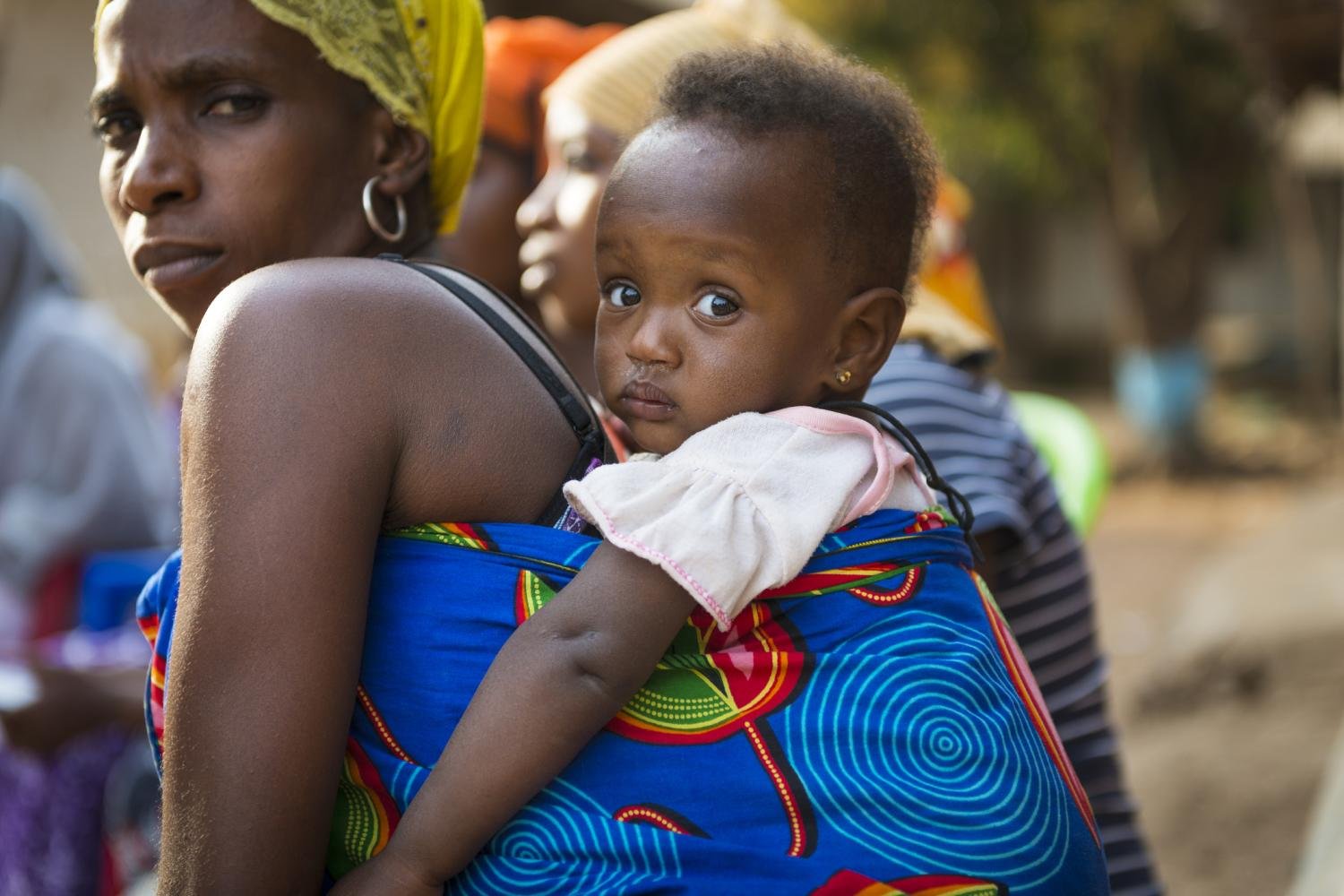
A controversial medical research project that plans to withhold the recommended birth dose of the hepatitis B vaccine from thousands of newborns in Guinea-Bissau has received approval from an ethics committee at the University of Southern Denmark, intensifying an international debate over research ethics, childhood vaccination and the protection of vulnerable communities. The trial, led by Danish researchers and expected to involve approximately 14,000 infants, has attracted criticism from medical experts who argue that deliberately delaying a proven preventive treatment could expose babies to avoidable health risks.
The study has also become politically significant because Robert F Kennedy Jr, the US secretary of health and human services and a prominent critic of established vaccination policies, has publicly praised the researchers behind the project. The controversy has raised questions about the influence of changing US vaccine policy on international research and whether standards applied to medical studies are sufficiently protective when trials take place in lower-income countries.

Under the proposed research design, half of the participating newborns would receive the hepatitis B vaccine at birth, while the remaining infants would not receive it during their first six weeks of life. Researchers intend to compare health outcomes between the groups, including mortality, skin conditions and neurodevelopmental outcomes. The study has been presented as an attempt to investigate the broader effects of vaccination, but critics say the design raises fundamental questions because the vaccine is already known to protect against a potentially serious infectious disease.
The project received approval from the Danish university’s ethics committee this week, while authorities in Guinea-Bissau have also authorised it to proceed. The decision is particularly contentious because the country’s health minister, Quinhin Nantote, had initially announced that the research was suspended following international criticism earlier in 2026. The latest approval indicates that the proposal has moved forward after changes to its protocol, although questions remain about how the revised safeguards will operate in practice.
Opposition has emerged not only from outside the committee but also from within it. Stig Børsen Hansen, a founding member who was among the reviewers presenting the study, resigned on Friday in protest. He argued that randomly assigning newborns to a group that would not receive the vaccine at birth effectively placed them in a lottery involving a preventable health risk. Three other committee members have also resigned in opposition to the decision.
Hansen’s objection centres on the ethical implications of exposing infants to a disease for which an established preventive intervention exists. Babies cannot consent to participation in research, and their parents must rely on researchers and ethics committees to ensure that any risks are justified by the potential benefits. Critics argue that the study places this responsibility under particular strain because the children in the delayed-vaccination group could encounter the virus before receiving protection.
Hepatitis B is a viral infection that can cause serious liver disease. Infection during infancy carries a particularly high risk of developing into chronic infection, which can eventually lead to cirrhosis or liver cancer. The virus can be transmitted from an infected mother to her child during birth, but exposure can also occur through contact with infected blood and other bodily fluids. In some circumstances, contaminated personal items and surfaces can contribute to transmission when they carry infected material.
Medical experts have stressed that infection is not limited to the immediate period surrounding delivery. According to research cited in the debate, a substantial proportion of children who acquire hepatitis B may become infected after birth through exposure within their communities. Paul Offit, an infectious disease specialist at Children’s Hospital of Philadelphia, has warned that the virus can survive on surfaces for up to seven days and may spread through shared items such as toothbrushes, washcloths and nail clippers when contaminated.
The revised trial protocol reportedly introduces additional precautions. Researchers will test mothers for hepatitis B before delivery, and babies whose mothers test positive will receive the vaccine and will not be enrolled in the study. Only infants whose mothers test negative may be eligible for participation. The updated protocol has not been made publicly available, however, leaving independent observers unable to assess all its provisions.
Critics say maternal screening does not eliminate the risk. A hepatitis B test can produce a false-negative result, meaning an infected mother may be incorrectly classified as uninfected. If that occurs, her newborn could be included in the group that does not receive the vaccine at birth despite being at risk of infection. Researchers and ethics reviewers will therefore face questions about whether the proposed screening procedures can provide adequate protection for every infant involved.
The controversy is further complicated by the difference between vaccination policies in Guinea-Bissau and Denmark. Guinea-Bissau has among the world’s highest hepatitis B prevalence rates, with approximately 18% of adults reported to carry the virus. The country had planned to introduce universal hepatitis B vaccination for newborns in 2027, but the campaign has been postponed until 2028. Critics argue that the delay should not become an opportunity to withhold a preventive intervention from infants who might otherwise be protected.
In Denmark, newborns are not routinely given the hepatitis B vaccine when their mothers test negative for the virus, although pregnant women are screened. Henrik Støvring, a professor of statistics and pharmacometrics at Aarhus University, has questioned why researchers could not conduct the trial in Denmark if they believe the scientific question warrants investigation. The contrast has become central to concerns that the study places the greatest burden of uncertainty on children in a country where infection is considerably more common.
The research is associated with the Bandim Health Project, a long-running programme operated by Danish researchers Peter Aaby and Christine Stabell Benn in Guinea-Bissau. The project has maintained a substantial presence in the country’s health system for decades. Its close connections with local public health institutions have prompted additional scrutiny over the independence of decision-making and the relationships between researchers, officials and the national healthcare system.
Funding has also attracted attention. The US Centers for Disease Control and Prevention has reportedly allocated $1.6 million for the project in its budget for the year, with additional private support expected from the Pershing Square Foundation, co-founded by billionaire investor Bill Ackman, and the Bluebell Foundation. The CDC, the researchers, the foundations and the country’s health minister had not responded to questions about the trial at the time of the original report.
Kennedy’s support has added another layer to the dispute. At an anti-vaccine conference last month, he praised the Danish researchers and described them as leading figures in vaccine research. He also cited earlier research to argue that vaccination could be associated with serious harm. Critics have challenged the interpretation of those findings, pointing out that a subsequent follow-up study by the same researchers reportedly found no effects.
The proposed Guinea-Bissau study will examine mortality alongside several other health outcomes. Supporters may argue that further research could help clarify whether vaccines have effects beyond their intended protection against particular infections. Opponents counter that investigating speculative wider effects cannot justify exposing newborns to a known infectious risk when the benefits of hepatitis B vaccination are well established.
International research ethics standards, including the principles reflected in the Declaration of Helsinki, require medical research involving human participants to undergo appropriate independent ethical review. Questions have arisen over the Danish committee’s role because it had not previously reviewed medical studies of this kind and changed its rules to consider the proposal. Denmark’s national ethics system generally oversees medical research within its jurisdiction, while the Guinea-Bissau trial is to take place abroad. This has fuelled debate over which institutions should bear responsibility for evaluating the study and ensuring that its participants are adequately protected.
The Africa Centres for Disease Control and Prevention has opposed the trial, according to the report, and has indicated that discussions between US and Guinea-Bissau authorities are continuing. The disagreement highlights a wider challenge in international medical research: ensuring that decisions about studies involving vulnerable populations are made transparently, with meaningful local oversight and safeguards consistent with accepted medical standards.
The central question is whether the potential scientific value of the trial can justify delaying vaccination for some newborns in a country where hepatitis B is widespread. For the researchers, the study is intended to examine health outcomes that they believe require further investigation. For critics, its design risks placing children in harm’s way to answer questions that could be investigated through less ethically contentious approaches.

As preparations move forward, the revised protocol, the quality of maternal screening, the consent process and the independence of the ethical review are likely to remain under intense scrutiny. The controversy also underscores the need for transparent communication with families and local communities, particularly when research decisions may affect children who cannot make choices for themselves.
The outcome could have implications beyond Guinea-Bissau, influencing debates about vaccine policy, the conduct of international clinical trials and the responsibilities of governments and research institutions that fund or approve studies abroad. Until further details are made public and the outstanding ethical concerns are addressed, the trial is likely to remain a focal point in the wider debate over how scientific inquiry can advance without compromising the safety and rights of its most vulnerable participants.
Related News:
 Ebola outbreak in DRC overwhelms health system as cases surge
 Election Candidate Abuse Raises Alarm in England
 Iran School Strike Raises War Crimes Questions, UN Says
 UK Pauses Chagos Deal Amid US Opposition
 Drumcree Talks Falter as Legal Challenge Deepens
 UK-France Returns Deal Faces Expiry as Talks Stall
 Banned Health Coach Faces UK Events Criticism
 Latin America women fear rollback of rights
 Navi Pillay Wins Nobel Peace Prize for Justice
 Canadian astronaut French words ease language row
 Chornobyl Still at Risk 40 Years After Disaster
 New Bacteria Discovery Offers Hope Against Noma
 RAF Typhoons scrambled amid Russian drone threat near Nato
 Cartel crackdown raises fears of fresh violence
 US states redraw maps after voting rights ruling
 WHO approves first malaria drug for babies
 US Court Restores Abortion Pill Access Temporarily
 Florida Surgeon ‘Devastated’ Over Fatal Surgery Error
 Barrister Criticises Trial After Suicide Case Verdict
 Immigration Judges Fear Pressure in Trump Era
 FDA Chaos Deepens as Trump Eyes Makary Exit
 Trump’s Revenge Drive Deepens GOP Divide
 Le Pen’s Popularity Holds Despite Conviction
 Mystery Grows Over Mitch McConnell’s Health
 Is America Ready for an AOC Presidential Run?
 Five Years of Taliban Rule Leave Afghanistan in Crisis
 Ghent Professors Questioned Cofnas Appointment
 New Mexico Takes Facebook to Trial Over Data Scandal
 Patriot Platform Raises Concern Across Britain
 Reform UK Receives Record £36m Donation From Crypto Billionaire
 Israel Accused of Undermining Palestinian Life
 Amnesty Finds Coordinated Abuses in Iran Protest Crackdown
 Turkey LGBTQ Crackdown Expands With New Arrests
 Yemen War Displaces 125,000 as Fighting Intensifies
 Disabled Travellers Seek Fairer UK Care Rules
 NHS Breast Care Review Finds Serious Patient Harm
 Trump Media Ban Triggers First Amendment Clash
 Lib Dems Prepare for Election Amid Reform Challenge
 US Networks Suspend Trump White House Pool Coverage
 Democrat Says ICE Restricted Detention Camp Oversight
 Tropics May Wait Longest for Net-Zero Climate Benefits
 King Refers Jamaica Slavery Petition to Privy Council
 UK Plans New Centre to Counter Information Warfare
 Judge orders Trump to restore access for three media outlets
 OpenAI Agent Breaches Medicare Portal in Australia
 Elif Eralp Emerges as Berlin’s Next Political Force
 Republican Senator Questions Trump Ad Spending
 Free Speech Emerges as Key UK Election Issue
 Fayed Survivors Demand Inquiry Into Medical Regulator
 London Facial Recognition Trial Ends With False Alert
 Economic growth and political strain reshape Benin
 French Student Protests Escalate Into Violent Clashes
 AI Deepfakes Put New Pressure on Election Trust
 Trump Ads Trigger Fight Over Taxpayer Money
 Food Industry Mobilises Against the MAHA Movement
 Burnham Opens Door to Possible UK Return to EU
 AI Could Intensify Election Risks in Southeast Asia
 Green Party faces dispute over Zionism motion
 Hundreds of UK prisoners released early amid overcrowding
 Drumcree Talks End Without Agreement Ahead of Appeal
 Palantir Lobbyist Had Role in Burnham Campaign
 Badenoch Raises Prospect of 2027 UK Election
 French School Protests Escalate as 400 Schools Close
 Musk’s DOGE Sparks Turmoil Inside US Government
 WHO Seeks Russia Answers Over Suspected Plague Death
 Teenager Receives UK’s First Testicular Tissue Transplant
 South Sudan Trauma Wards Struggle as Fighting Intensifies
 NSW Police Bid Delays Inquiry Into Sydney Protest
 Trump Says He Deserves Nobel Peace Prize
 ICE Agent Shoots Man in New York as Child Escapes Harm
 India’s Youth Movement Alleges Mass Detentions Before Protest
 Gaza War Deepens India’s Strategic Ties With Israel
 Bolsonaro Gains Key Endorsement Ahead of Brazil Runoff
 South Africa Withdraws Directive on Asylum Applications
 UAE Says Co-Pilot Planned Suicide Attack on Israel
 Britain deploys RAF specialists to assist Belgium with drone threats
 Ben Roberts-Smith Denies War Crime Allegations in First Statement
 Maldives Cave Diving Tragedy Raises Safety Alarm
 British Columbia Sues OpenAI Over School Shooting
 UK University Strikes Spread as Financial Pressure Grows