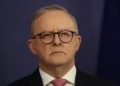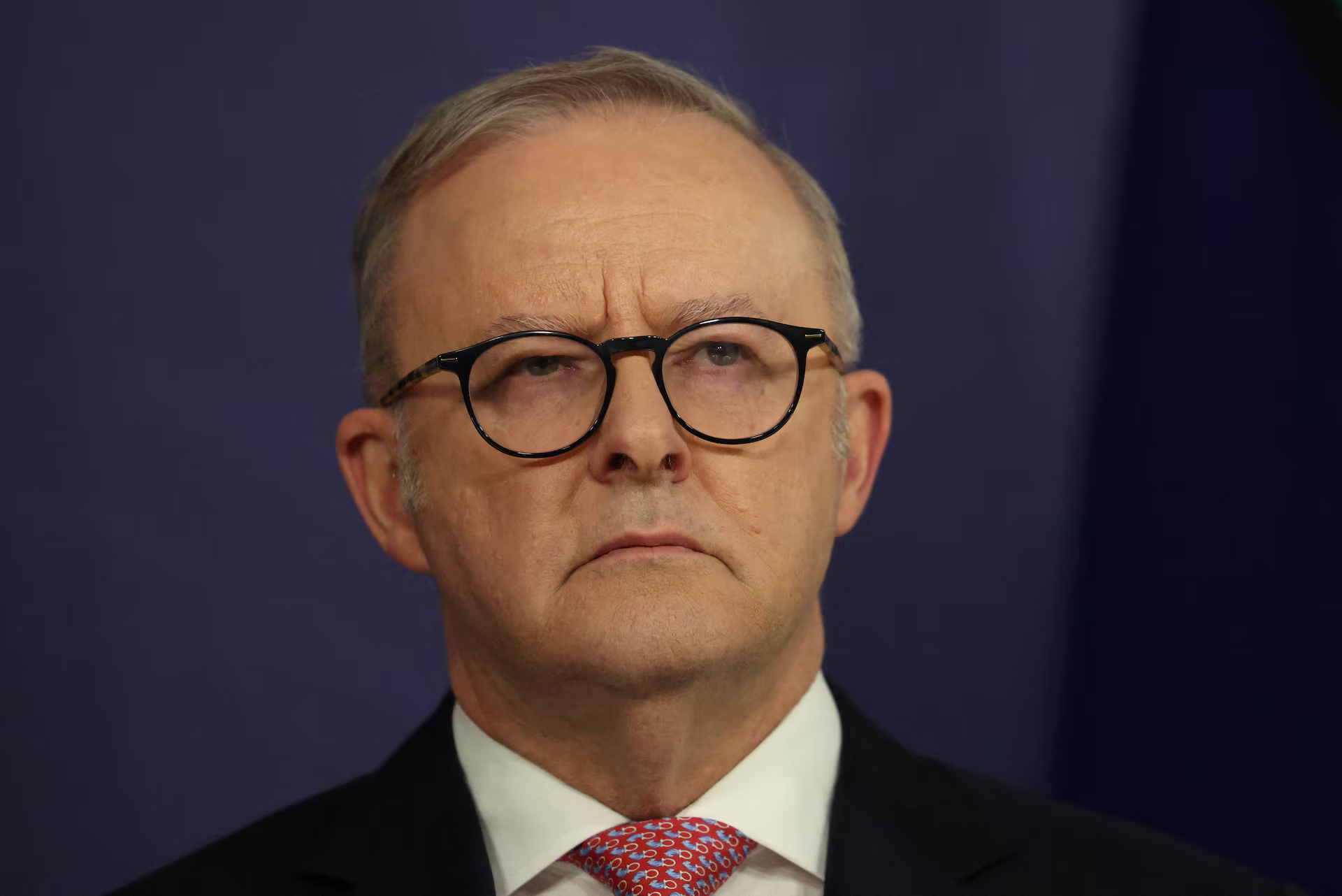
The commitment came during a Labor party-room meeting in Canberra, where Albanese acknowledged that politicians and their employees had endured an increasingly hostile environment for too long. His remarks followed renewed calls from members of parliament across the political spectrum for urgent action to protect elected representatives, their offices and the people working alongside them.
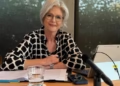
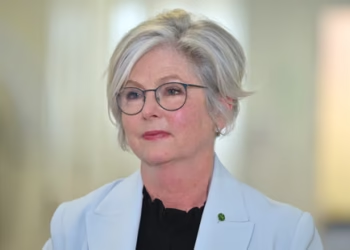
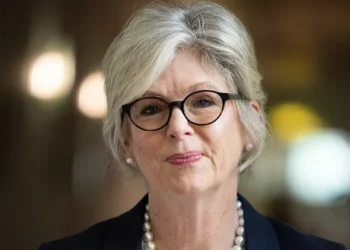
The issue has gained renewed attention following an alleged attack involving independent MP Dr Helen Haines, which has prompted widespread concern about the risks faced by politicians in their public-facing roles. Lawmakers have warned that threats, intimidation and violence directed at political offices are creating an unacceptable working environment and could undermine democratic participation if left unaddressed.

Albanese told Labor colleagues that the current situation should mark a turning point in the way public officials are treated and how authorities respond to threats against them. He acknowledged that additional investment in security was necessary and indicated that the government was examining several possible measures.
“You’ve all dedicated so much to the safety of others in the workplace. I’m determined to make sure we do everything for your safety and the safety of your staff as well,” the prime minister said, according to the account of the meeting.
Although Albanese did not announce a detailed security package, he confirmed that a swift government response was being prepared. One proposal under consideration is the introduction of duress alarms, commonly known as panic buttons, that could allow MPs and their staff to alert authorities quickly during a threatening incident.
Government sources indicated that further details could emerge in the coming days, as ministers assess a range of proposals aimed at strengthening protection for federal politicians. The discussions are understood to include improvements to electorate office security, stronger communication channels with federal police and additional resources to protect politicians at their private residences.
Potential measures could also include closed-circuit television systems, improved lighting and other security upgrades designed to discourage attacks and provide greater protection for people working in political offices. The government is also considering how to improve safety at polling booths during election periods, when public-facing political activities can create additional security challenges.
Home Affairs Minister Tony Burke raised the issue of polling-booth security during the Labor meeting, highlighting the importance of ensuring that election-related activities remain safe for voters, candidates and election workers.
The government is also expected to accelerate an existing review of Commonwealth workplaces, with recommendations relating specifically to safety and security due to be delivered soon. The review could help establish a broader framework for protecting public servants and political staff who face threats while carrying out their official responsibilities.
Opposition Leader Angus Taylor also discussed personal safety with Coalition MPs during a separate party-room meeting. He reportedly referred to ongoing conversations with the government and emphasised the need to develop an appropriate response, although he did not outline specific proposals at the meeting.
The growing political consensus suggests that protecting elected representatives and their employees is becoming an increasingly urgent issue in Australian public life. However, questions remain about the precise measures that will be adopted, how quickly they will be implemented and how the government will ensure that additional security resources reach the offices most in need.
The debate over political workplace safety has also drawn attention to the working conditions of independent Senator Fatima Payman, who has criticised former Labor colleagues over the allocation of staff to her office.
Payman, who left the Labor Party in 2024 to sit as an independent, has argued that her office is struggling with excessive workloads and insufficient staffing. Her concerns became more prominent during a Senate estimates hearing, where she questioned whether the government was taking her requests for additional personnel seriously.
The senator challenged Finance Minister Don Farrell over the allocation of personal staff, suggesting that the shortfall was placing considerable pressure on the employees who support her parliamentary work.
Payman questioned whether the prime minister had a personal grievance against her, given that her office had not received additional advisers despite repeated requests. She said her staff were experiencing burnout and called on the government to address the situation as part of its wider commitment to employee welfare.
“If [Albanese] cares so much about the welfare and wellbeing of people who work in this building, then I implore you [Farrell] and the prime minister to please look into the fact that my staff are burning out,” she said during the hearing.
She also raised concerns about the possibility of a serious incident occurring before her requests were taken seriously, referring to the alleged attack involving Dr Helen Haines.
“Is the prime minister waiting for something, like what happened to Dr Helen Haines, to occur to my office – to me – for him to take our request seriously?” Payman asked.
Labor senators, including Farrell, strongly rejected the implication that the government was deliberately ignoring her safety or waiting for an incident to occur. Payman, however, declined to withdraw her remarks until the staffing issue had been addressed.
According to an internal document presented during the hearing, Payman had no personal advisers, while 16 other crossbench MPs and senators shared 30 advisers. The prime minister has discretion over the allocation of personal staff, who generally provide senior political, policy and administrative support. All parliamentarians also receive electoral office staff, but Payman has argued that her current arrangements are insufficient for the demands placed on her office.
The dispute highlights a wider question about whether staffing arrangements for independent parliamentarians adequately reflect the demands of their responsibilities, particularly when they face sustained public hostility.
Payman has previously described a substantial increase in death threats and hateful comments since her departure from Labor in 2024. She also revealed that her office manager had opened a piece of mail containing human faeces the previous year, prompting a response from a specialist biohazard team.
The incident, she said, had been deeply distressing for staff and demonstrated the kind of abuse that political offices can be forced to manage.
“We had all these people in hazmat suits come through [the office],” Payman said, describing the response to the contaminated mail.
She argued that no employee should have to endure such treatment simply because of their workplace or association with an elected representative. Her account has added to calls for stronger workplace protections and more effective procedures for handling threatening communications.
Concerns about political safety have extended beyond physical offices to the online environment, where public officials increasingly face intimidation, harassment and threats.
Australia’s eSafety Commissioner, Julie Inman Grant, addressed the issue during a Senate estimates hearing, warning that the atmosphere surrounding parliament had become particularly hostile for women in senior government positions.
Inman Grant described the moment as sensitive and pivotal following the alleged attack on Haines. She said public officials were frequently subjected to online abuse when their work became part of political disputes.
“When public officials are used for political point scoring, a target goes on our backs and we are subjected to an onslaught of online abuse and threats,” she said.
The commissioner also revealed that she and her family had experienced online abuse and threats for years, describing the situation as an unacceptable consequence of public service.
Her comments highlighted the personal impact that sustained harassment can have on officials who work in highly visible positions. They also raised concerns about the wider implications for people considering careers in government, regulation and other public-facing institutions.
Inman Grant has faced criticism from prominent figures over her work regulating online safety. Technology billionaire Elon Musk has previously attacked her publicly, while United States Republican congressman Jim Jordan has criticised her approach to online content regulation.
Although the commissioner did not identify specific individuals responsible for the personal abuse she described during the hearing, she argued that more must be done to ensure that future generations of leaders can participate in public life without fearing threats and intimidation.
She also warned that social media platforms were increasingly failing to provide the safe and constructive environments originally envisioned for online discussion.
“Social media is no longer the once envisioned digital town square – it has become more like a gladiatorial arena,” she said.
Inman Grant further criticised changes to platform policies governing abusive and violent speech, arguing that weakening safeguards could allow serious offenders to return to online spaces without adequate accountability.
Her remarks have added to a broader debate about the responsibilities of technology companies, the limits of online expression and the need to protect people from targeted harassment without undermining legitimate political debate.
The calls for stronger protection reflect growing concerns that threats against politicians and their staff are becoming an entrenched feature of public life. While elected representatives routinely face scrutiny and criticism, lawmakers and officials have increasingly distinguished legitimate political disagreement from intimidation, violent threats and targeted abuse.
The government now faces the challenge of translating its promises into practical measures that protect politicians while maintaining public access to democratic institutions. Security upgrades, emergency alert systems and improved police coordination could provide additional safeguards, but the effectiveness of these measures will depend on implementation, resources and consistent procedures for responding to threats.
The experiences described by Payman and Inman Grant also demonstrate that workplace safety cannot be measured solely by physical security. Staff welfare, psychological support, adequate personnel and effective responses to online abuse may be equally important in ensuring that public officials can perform their duties safely.
For independent MPs and senators, the issue also raises questions about whether available staffing and security arrangements are sufficiently flexible to address different levels of risk. Parliamentarians with limited resources may struggle to manage threatening correspondence, public engagement and demanding workloads at the same time.
Albanese’s pledge to deliver a swift response has created expectations that the government will announce meaningful steps in the near future. The precise package remains under consideration, and the government has yet to confirm which proposals will be adopted or when they will take effect.

Nevertheless, the debate has placed political safety firmly on the national agenda. With lawmakers from different parties expressing concern and senior officials describing the personal consequences of sustained harassment, pressure is likely to remain on the government to demonstrate that threats against public representatives and their staff will be treated seriously.
The coming days may therefore prove significant in determining whether the current political consensus produces lasting improvements in security, staffing and the broader culture surrounding public service in Australia.
Ultimately, safeguarding politicians is not simply a matter of protecting individual officeholders. It is also about ensuring that elected representatives, their employees and public officials can carry out their responsibilities without intimidation or fear. The government’s response will be closely watched as Australia considers how to defend democratic participation while preserving open debate and accountability.
Related News:
 King Refers Jamaica Slavery Petition to Privy Council
 French Student Protests Escalate Into Violent Clashes
 French School Protests Escalate as 400 Schools Close
 Latin America women fear rollback of rights
 Navi Pillay Wins Nobel Peace Prize for Justice
 Macron Condemns Violence as France Faces 2,400 Arrests
 Marseille Activist Defies France’s Powerful Drug Gangs
 Zelenskyy Accuses US of Delaying Ukraine Missile Supplies
 Helen Haines Loses Both Legs After Alleged Attack
 Serbia’s Student Victory Sparks a ‘Smell of Freedom’
 Trump’s Midterm Campaign Faces Racism and Political Backlash
 Cartel crackdown raises fears of fresh violence
 Gunman Killed After White House Security Shootout
 Irish Gangland Figure Fails in Dublin Election Bid
 Le Pen’s Popularity Holds Despite Conviction
 Dreyfus Statue Finally Gets Permanent Paris Home
 Teen Charged After Layla Jeffery Found Dead
 Masked Protesters Bring Dover Port Traffic to Standstill
 UN expert urges UK to rethink Israel policy
 Armed Suspect Attacks Ohio Governor Candidate
 Miliband Rejects Chief Rabbi’s West Bank Warning
 Patriot Platform Raises Concern Across Britain
 Israel Accused of Undermining Palestinian Life
 Iran School Strike Raises War Crimes Questions, UN Says
 Texas Transfers Raise Fears for Migrant Children
 Memphis Questions National Guard Crime Surge
 Mahmood Warns Far Right Over Asylum Protests
 Briton Faces Cyprus Court Over Son’s Fatal Fall
 UK Reviews Hague Child Abduction Cases Involving Abuse
 Democrat Says ICE Restricted Detention Camp Oversight
 Japan PM Backs International Criminal Court
 Far-Right Activist Arrested After Channel Dinghy Incident
 Portadown protest ends after tense Orange Order standoff
 Three Die in Channel Crossing Attempt Near France
 Israel-bound Plane Lands in Saudi Arabia After Cockpit Fight
 Burnham Opens Door to Possible UK Return to EU
 Drumcree Talks Falter as Legal Challenge Deepens
 UK-France Returns Deal Faces Expiry as Talks Stall
 Hundreds of UK prisoners released early amid overcrowding
 Drumcree Talks End Without Agreement Ahead of Appeal
 Gosport Protesters Clash With Police Over Migrant Rescue
 Botstein Quits Bard Amid Epstein Investigation Calls
 NSW Police Bid Delays Inquiry Into Sydney Protest
 ICE Agent Shoots Man in New York as Child Escapes Harm
 South Africa Withdraws Directive on Asylum Applications
 EU Divisions Deepen Over Israel Policy
 US Execution Livestream Plan Sparks Global Outrage
 Three Convicted in Mexico Surfing Trip Murders
 UAE Says Co-Pilot Planned Suicide Attack on Israel
 Controversial Vaccine Trial Approved in Guinea-Bissau
 Trump Attacks Norway After Nobel Peace Prize Snub
 Delhi Braces for Youth Protests Over Voter Roll Dispute
 Delhi Detains Protest Leaders as Youth Rally Escalates
 Recruitment Boss Accused of Leading Doxxing Campaign
 Ten US Midterm Races That Could Defy Expectations
 Ohio Airports Become Key Hubs for ICE Deportation Flights
 England and Wales Begin Second Wave of Early Prison Releases
 Farage Rejects Claims Reform Would Let Troops Shoot Migrants
 Camera Discovery Triggers Navy Ship Investigation
 Brazil Cuts Working Week to 40 Hours in Lula Election Boost
 Gadi Eisenkot: Israel’s Anti-Netanyahu Challenger
 Talarico Faces Tough Voter Test in Texas Senate Race
 French Police Face Scrutiny Over Injured Teenagers
 One Nation Pledges $2,000 Baby Subsidy in Victoria
 Mexican Court Sentences Three Men to 158 Years Each
 Trump Administration Threatens California Election Officials
 Alberta Referendum Exposes Deep Divisions Over Independence
 Milan Luxury Stores Shut as Italy Plans Troop Deployment
 Suu Kyi Appears in Rare Photos After Royal Gift
 Helen Haines Loses Leg in Alleged Targeted Attack
 Alberta Voters Reject Push for Canadian Independence
 Zelenskyy Says US Failed to Warn Kyiv of Russian Strikes
 Fifth Foreign Firm Withdraws From Jerusalem Cable Car Plan
 Jess Phillips Urges Supreme Court to Reverse Abuse Ruling
 Omar Claims US Raid on Residence Was Meant to Intimidate
 French Fast-Track Courts Face Backlash Over Riot Cases
 Russia Strikes Kyiv After Agreeing to Resume Peace Talks
 Milan Braces for Unrest as Debate Intensifies Over Lost Generation
 Greens Face Leadership Test as Jordon Steele-John Misconduct Claims Leave Party in Limbo
 US Midterms Could Reshape Trump’s Second Term