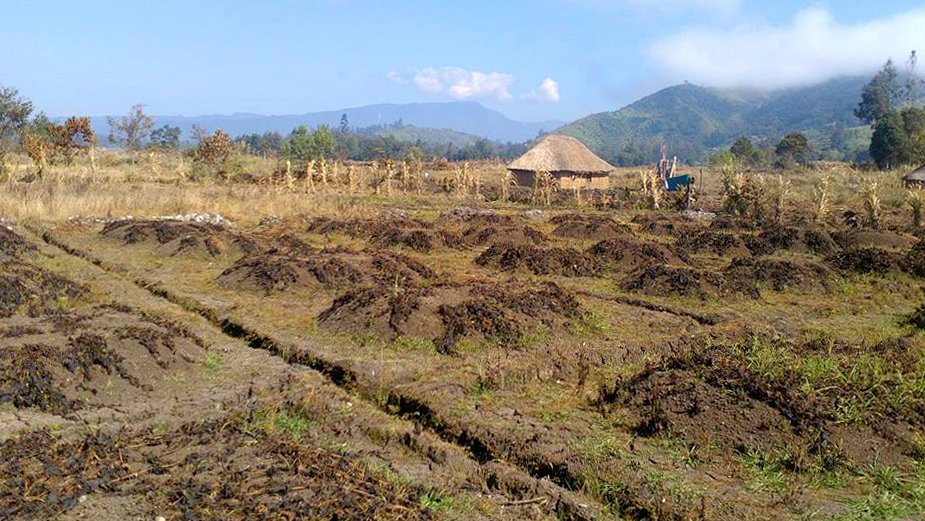
Papua New Guinea is facing an escalating humanitarian emergency as an exceptionally severe El Niño-driven drought devastates communities across the Pacific nation, destroying agricultural production, drying up rivers and threatening access to essential services. An estimated eight million people have been affected by the worsening conditions, with millions facing growing difficulties in securing sufficient food and clean water. The crisis is also disrupting electricity supplies, forcing schools and healthcare facilities to reduce their operations and placing additional pressure on vulnerable families already struggling with economic and social challenges.
The severity of the situation has prompted an influential coalition of churches, trade unions and business organisations to describe the drought as a national crisis. The coalition has raised concerns about the apparent absence of a coordinated national strategy to protect vulnerable communities from the worsening consequences of El Niño. Its warning has intensified pressure on the government to introduce more effective emergency measures, particularly for rural populations that depend heavily on agriculture and natural water sources for their survival.

Across several regions, residents are reporting that rivers, streams and village water sources have either dried up completely or fallen to critically low levels. Family gardens, which provide an essential source of food and income for many households, have suffered extensive damage. Crops that normally sustain communities throughout the year are withering, leaving families increasingly dependent on limited food supplies and uncertain alternative sources of income.
The humanitarian consequences are particularly severe in rural highland communities, where subsistence farming remains central to everyday life. Many households depend almost entirely on seasonal rainfall to cultivate vegetables, root crops and other essential food products. With rainfall declining dramatically, agricultural production has been disrupted, creating serious concerns about food availability in the coming months.
Emilly Meren, humanitarian projects manager at CARE International in Papua New Guinea, has described the growing difficulties experienced by families in drought-affected areas. According to her, some households in rural highland communities have been forced to reduce their food consumption to just one meal a day. The growing scarcity of essential supplies has also contributed to localised disagreements and disputes between families.
Women and girls are facing particularly difficult circumstances as the crisis intensifies. They are frequently expected to take responsibility for collecting water, finding food and supporting other family members, often at considerable personal risk. Meren explained that women are frequently the last to eat because they are expected to serve other members of their households first.
The distance required to obtain basic necessities has also increased significantly. Some women and girls must travel between three and four hours to find water and food. These journeys expose them to greater risks of harassment and exploitation, particularly when they have to travel through isolated areas. Humanitarian workers have also received reports of transactional sex, in which vulnerable individuals exchange sexual services for money or food. Such developments demonstrate that the drought is not merely an agricultural or environmental emergency but is also creating serious protection and human rights concerns.
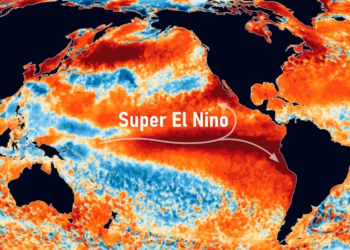
The worsening conditions are closely linked to the El Niño climate pattern, which is strengthening across the tropical Pacific. Weather forecasts indicate that the developing phenomenon could become one of the strongest ever recorded. Scientists have warned that its effects are being intensified by global heating, increasing concerns about the severity and duration of droughts and other extreme weather conditions.
Papua New Guinea is traditionally one of the world’s wettest countries, receiving substantial rainfall because of its tropical climate and surrounding warm ocean waters. However, the current El Niño pattern has shifted important atmospheric and oceanic conditions towards the eastern Pacific, significantly reducing rainfall across parts of the country.
Kasis Inape, assistant director of the Papua New Guinea National Weather Service, explained that the country’s dependence on rainfall makes the population particularly vulnerable to prolonged dry conditions. A large proportion of households rely on subsistence agriculture and have limited access to alternative irrigation systems or reliable water infrastructure.
The National Weather Service officially declared the onset of El Niño in June. However, Inape indicated that drought conditions had already affected substantial parts of the country by that time, with approximately eight million people experiencing its consequences.
Some areas have received less than a quarter of their normal rainfall since August, creating extremely difficult conditions for farming communities. The absence of sufficient rainfall has affected crop development, reduced water availability and increased the likelihood of further agricultural losses.
Papua New Guinea’s traditional wet season generally runs from November through April. Although meteorologists have forecast some short-term rainfall relief, concerns remain that the developing El Niño could shorten the wet season. Inape warned that even a limited period of rainfall might not be sufficient to restore agricultural production and replenish depleted water supplies.
The situation is particularly serious in Morobe province’s Bulolo district, where several smaller rivers have dried up, leaving families without reliable access to water for drinking, cooking and washing. The disruption has affected not only household activities but also the ability of schools and medical facilities to provide essential services.
Local resident Theophil Zarack said many educational institutions and health centres were operating for only half a day because of insufficient water. Some healthcare facilities have stopped accepting patients for inpatient treatment, creating additional difficulties for communities that already face limited access to medical services.
The experiences of residents in Leklu village illustrate the scale of the crisis. Martha Zureno said the rivers surrounding her community, including one located behind her house, had dried up. As a result, she and her children have to walk considerable distances every afternoon to collect water for drinking and cooking.
Although villagers previously dug their own well, the available water is now considered suitable only for washing. Meanwhile, their agricultural gardens have been devastated, with crops drying out and dying because of the prolonged absence of rainfall. The loss of these gardens has removed an important source of household food and made daily survival increasingly difficult.
The economic impact extends beyond farming. Many residents in the area traditionally depend on small-scale gold panning to earn money. However, the absence of sufficient water has also disrupted this activity, reducing opportunities to generate income at a time when household expenses and food requirements are becoming increasingly difficult to manage.
In another development, parts of Enga province experienced a destructive hailstorm earlier in October. Although the storm was not directly attributed to El Niño, it caused additional agricultural damage by burying sweet potato crops beneath ice. George Iki, president of the Sambe Unity Development Association, said the incident had further aggravated food shortages in affected communities.
The combined effects of drought, crop destruction and unusual weather conditions have created an increasingly complicated food security situation. Families that depend on locally produced sweet potatoes, cassava, vegetables and other crops are facing reduced harvests, while opportunities to purchase replacement food remain limited in many rural areas.
The crisis is also beginning to affect Papua New Guinea’s urban population through electricity shortages. In the capital, Port Moresby, the state-owned electricity provider PNG Power has introduced planned power cuts after declining dam levels reduced hydropower generation.
The company has warned that electricity disruptions could continue for as long as 10 months. Officials are attempting to manage water releases from dams carefully to preserve supplies for the capital while maintaining electricity generation wherever possible.
The development raises concerns about the wider economic consequences of prolonged drought. Electricity shortages can disrupt businesses, commercial activities, public services and household routines. If the situation continues, the effects could extend beyond rural communities and create additional pressure on urban residents and the national economy.
Peter Aitsi, a prominent business figure and co-chair of the Community Coalition Against Corruption, has called on the government to conduct comprehensive assessments of the drought’s consequences, particularly in rural areas. He warned that urban centres had largely remained protected from the worst effects so far, but the situation could deteriorate as electricity shortages and reduced supplies of fresh food begin affecting the capital.
Port Moresby has also experienced a smoke haze in recent days, linked to fires in other parts of the country and neighbouring Indonesia. Scientists have identified El Niño-related dry conditions as a contributing factor to the increased risk of wildfires in affected regions.
Prime Minister James Marape has instructed provincial and district authorities to prepare for an extended dry season. His government is also examining financial arrangements to help local administrations respond more effectively to disasters as they develop.
Marape has indicated that the Cabinet is considering adjustments to existing financial procedures to ensure that provinces and districts receive appropriate assistance when emergencies occur. Such measures could help local authorities respond more quickly to immediate needs, including food distribution, water supplies and emergency support for vulnerable communities.
However, the growing scale of the humanitarian emergency raises questions about whether existing disaster-response arrangements will be sufficient to address the needs of millions of affected people. Emergency food assistance, reliable drinking-water supplies, healthcare support and protection for vulnerable women and children are becoming increasingly urgent priorities.

The crisis also highlights the long-term vulnerability of communities that depend almost entirely on rainfall for agricultural production. Investment in water storage, irrigation infrastructure, drought-resistant crops and stronger early-warning systems could help reduce the impact of future climate emergencies.
As El Niño continues to strengthen across the Pacific, Papua New Guinea faces an uncertain period in which rainfall patterns, agricultural recovery and electricity generation will remain critical concerns. Even if some rain arrives in the coming weeks, restoring damaged crops and replenishing depleted water sources could take considerable time.
For millions of people, the consequences are already visible in empty rivers, failed harvests, reduced meals and increasingly difficult journeys to obtain drinking water. The government’s ability to coordinate emergency assistance and strengthen long-term resilience will be crucial in determining how effectively the country can respond to what has become one of its most serious humanitarian and environmental challenges.
Related News:
 Nepal PM calls deadly flood a global climate warning
 Australia Races to Find Tourists Missing in Nepal
 Nepal Flood Death Toll Tops 300 as Second Flood Feared
 Nepal Rescuers Race to Save Hundreds Trapped Underground
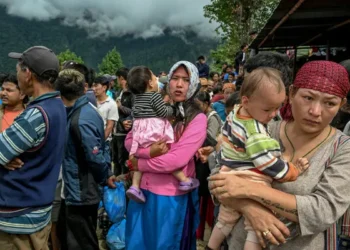 Nepal Flood Survivors Face Unimaginable Loss
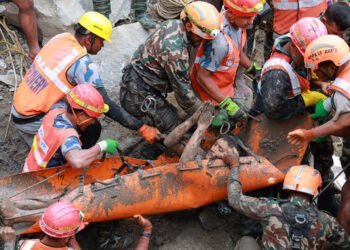 Nepal Tunnel Rescue Offers Hope Amid Flood Devastation
 Typhoon Saudel Triggers Mass Evacuations in China
 Nepal seeks $20m climate compensation after deadly floods
 Japan Braces for Dujuan as Storm Threat Grows
 Typhoon Dujuan Leaves Four Dead in Japan
 Thai downpours shift north-westwards after Bangkok floods
 Bangkok Floods Push City to Breaking Point
 Pacific Climate Summit Draws Limited Global Leaders
 Mexico Storms Leave Five Dead as Flooding Worsens
 Cyclone Vaianu Forces Mass Evacuations in New Zealand
 Chornobyl Still at Risk 40 Years After Disaster
 Escobar’s Hippos May Be Moved to India Zoo
 China Fireworks Factory Blast Kills 21 in Hunan
 Pope Meets Families in Italy Toxic Waste Zone
 Venezuela Quake Death Toll Surpasses 4,000
 Olympus Awaits Unesco Heritage Recognition
 Powerful 7.7-Magnitude Earthquake Hits Eastern Indonesia
 Five Years of Taliban Rule Leave Afghanistan in Crisis
 Wildfires rage across Europe as hundreds arrested in France
 Heavy Casualties Feared as Flash Flood Sweeps Nepal-Tibet Border
 France Eases Cheese Rules as Drought Hits Farms
 Nepal-Tibet Flood Death Toll Rises as 2,478 Remain Missing
 UN Warns Record El Niño Could Supercharge Global Heat
 Tropics May Wait Longest for Net-Zero Climate Benefits
 Super El Niño Threatens Hundreds of Thousands of Lives
 Greece Pushes for Parthenon Marbles Reunification
 UN Warns of Narrowing Window to Restore Forests
 Israel-bound Plane Lands in Saudi Arabia After Cockpit Fight
 Swiss Glaciers Lose Nearly One-Fifth of Ice in Five Years
 Pilot Recalls Fight to Save Flydubai Passengers
 Experts Warn UK Food Security Is at Risk
 New Zealand Faces Rising Climate Threats as Glaciers Shrink
 WHO Seeks Russia Answers Over Suspected Plague Death
 Indonesia Faces Lawsuit Over Escalating Wildfire Haze
 India’s Youth Movement Alleges Mass Detentions Before Protest
 Gaza War Deepens India’s Strategic Ties With Israel
 Turkey Rules Out Troops in Saudi Arabia’s Houthi Conflict
 Hurricane Isaias Puts FEMA Under New Pressure
 Panama Hit by Powerful 7.7-Magnitude Earthquake
 Delhi Braces for Youth Protests Over Voter Roll Dispute
 Hanson Attacks Taylor as Australian Conservatives Clash
 Delhi Detains Protest Leaders as Youth Rally Escalates
 PTI Announces Swabi Rally Ahead of Long March Plans
 Iguazu Falls Closed as El Niño Drives Water Surge
 UK Shoppers Urged to Avoid Hake and Coley
 Indonesia Tests Dry Ice as Toxic Haze Spreads Across Asia
 Gadi Eisenkot: Israel’s Anti-Netanyahu Challenger
 Climate Change Makes Tap Water Unsafe in Arctic Norway
 Suu Kyi Appears in Rare Photos After Royal Gift
 Zelenskyy Accuses US of Delaying Ukraine Missile Supplies
 Zelenskyy Says US Failed to Warn Kyiv of Russian Strikes
 Fifth Foreign Firm Withdraws From Jerusalem Cable Car Plan
 Magnitude-7 Earthquake Strikes Tibet, Killing at Least 16
 Netanyahu Faces Defining Election Test as Israel Divides
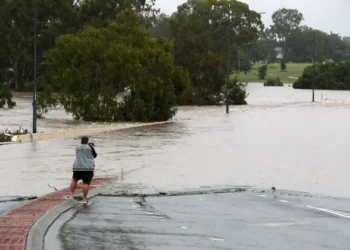 Man Found Dead as Floods Batter Queensland
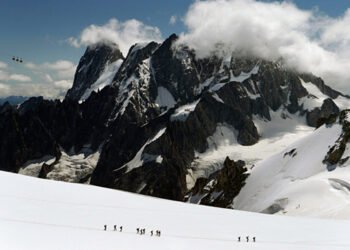 Melting Dolomites Glaciers Reveal 250 WWI Explosives
 Maldives Cave Diving Tragedy Raises Safety Alarm
 England and Norway Fans Turn Miami Into World Cup Carnival
 Burnham unveils £65m drought aid for farmers
 Families Fly to Nepal in Search of 33 Missing Britons
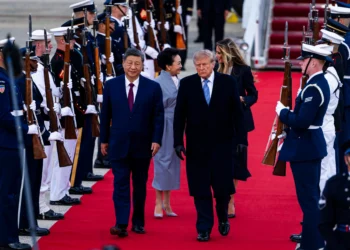 Trump gives Xi red-carpet welcome as trade truce extends
 Madrid Tent Camp Grows as Spain Housing Crisis Deepens
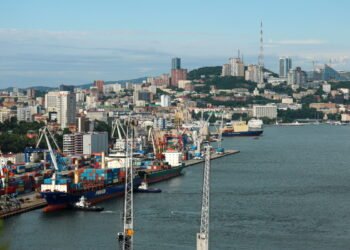 South Korea Probes Fuel Shipments to Russia
 Japan’s Princess Aiko Fuels Debate Over Royal Succession
 UK Water Firms Earn Millions From Industrial Wastewater
 Trump’s Russian Diesel Deal Sparks Ukraine Fury
 Australian Advocates Seek Subsidised Drugs for PMOS
 Trump Names Katie Zachariah as Next White House Press Secretary
 India’s Voter Roll Crisis Sparks Nationwide Protests
 UK Visa Refusal Threatens Baby’s Family Christmas
 Greens Face Leadership Test as Jordon Steele-John Misconduct Claims Leave Party in Limbo
 Lula Supporters Make Final Push Ahead of Brazil Runoff
 Xi Jinping Tightens China’s Anti-Corruption Campaign
 UK Land Registry Plan Faces Opposition From Landowners
 UK Chancellor Moves to Scrap Gas Standing Charges