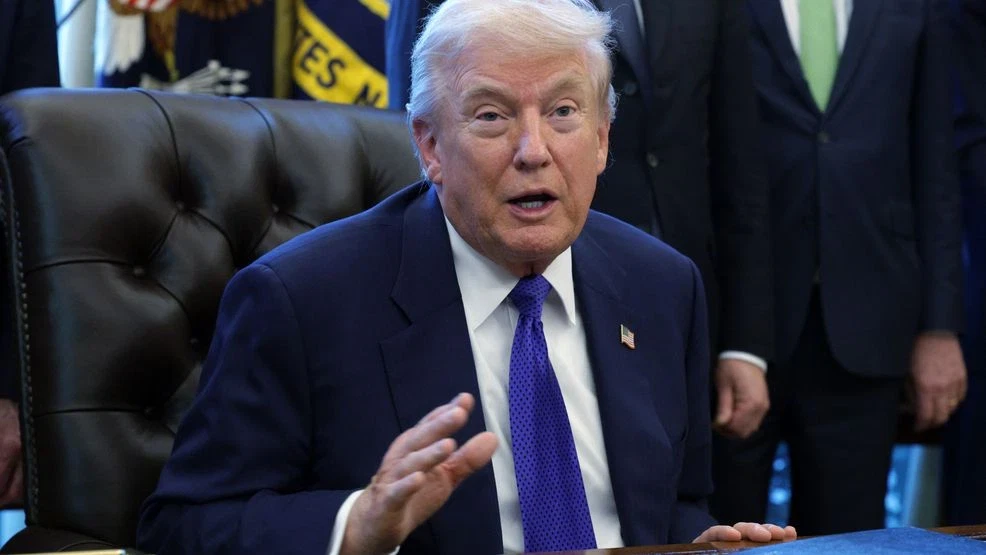
The Democratic Party has regained control of the United States House of Representatives following a sweeping series of victories in the 2026 midterm elections, delivering another major political setback to President Donald Trump and his Republican administration. The results mark a significant shift in the balance of power in Washington, as growing public dissatisfaction with the cost of living, economic uncertainty and the president’s controversial policy decisions helped propel Democratic candidates to victory across several traditionally Republican congressional districts.
The Democratic breakthrough, widely described as a political blue wave, saw the party cross the 218-seat threshold required to secure a majority in the 435-member House. The victory represents an important milestone for Democrats, who entered the election campaign seeking to regain control of a chamber that had remained narrowly under Republican leadership. With the party also making significant gains in the Senate, the outcome could fundamentally change the political environment during the remaining years of Trump’s presidency.
A series of Democratic victories in congressional districts across North Carolina, Kentucky, Pennsylvania and New Jersey proved particularly important in determining the final balance of power. These results enabled Democrats to secure the seats necessary to take control of the chamber, despite strong Republican efforts to defend their existing majority. The victories also demonstrated that dissatisfaction with the administration was not limited to traditionally Democratic areas but had spread into politically competitive and Republican-leaning communities.

The Republican Party had entered the election with a narrow advantage in the House. Democrats previously controlled 214 seats, while Republicans held 218, leaving only a small number of constituencies necessary for the opposition to change the balance of power. Opinion polls had consistently suggested that Democrats were well positioned to regain control, particularly as concerns about inflation and household expenses became increasingly prominent among American voters.
The election result also placed several prominent Republican figures under pressure. Richard Hudson, the chairman of the House Republicans’ campaign organisation, faced the possibility of losing his congressional seat in North Carolina. He was narrowly trailing his Democratic challenger during the reported vote count, creating the prospect of an embarrassing defeat for a politician responsible for coordinating Republican efforts to maintain control of the House.
For the White House, the result represented a serious political warning. The administration had anticipated substantial electoral losses as public dissatisfaction continued to grow. Rising prices, increasing fuel costs and uncertainty surrounding the economy became central issues throughout the campaign. Many American households have struggled with the financial consequences of higher living expenses, while concerns about the government’s handling of international conflicts further complicated the president’s political position.
The war involving Iran emerged as one of the most important factors influencing the election atmosphere. The conflict contributed to instability in international energy markets, pushing oil prices higher and increasing pressure on American consumers. Rising fuel costs affected transportation expenses and added to the broader financial challenges confronting families and businesses. Democrats repeatedly connected these developments with the administration’s foreign policy decisions, arguing that the consequences of the conflict were being felt directly by ordinary Americans.
The election also reflected growing concerns about the concentration of political power within the Republican Party. Trump’s influence over Republican lawmakers has remained extensive throughout his second administration, with relatively little resistance from members of Congress despite several controversial presidential decisions. Critics have argued that Republican representatives have become increasingly reluctant to challenge the White House, even when administration actions raise questions about constitutional authority and congressional oversight.
One of the most significant disputes concerns the president’s handling of government spending. The administration has unilaterally frozen or withheld funds previously approved by Congress, prompting criticism that it has undermined the legislature’s constitutionally established authority over public expenditure. The power of the purse is one of Congress’s most important responsibilities, allowing elected representatives to determine how federal resources are allocated and spent.
Another major controversy involves Trump’s expansion of the Emergency Economic Powers Act to impose extensive tariffs on imported goods from countries around the world. The measures were introduced without seeking direct congressional approval, raising questions about the limits of presidential authority over international trade and economic policy. Critics have warned that broad tariffs could increase costs for American businesses and consumers, particularly when companies pass additional import expenses on to customers.
Democratic leaders have promised to use their newly secured House majority to introduce a more aggressive system of congressional oversight. Their priorities include investigating allegations of corruption involving the president and members of his family, examining the administration’s handling of government funds and scrutinising decisions connected to the conflict with Iran.
The issue of congressional authorisation for military action is expected to become another important area of political confrontation. Democrats have raised concerns about Trump’s decision to launch and continue military operations against Iran without obtaining congressional approval. Under the US constitutional framework, Congress has significant responsibilities relating to war and military authority, making the administration’s approach a potential subject of extensive hearings and political investigation.
The Democratic leadership is expected to argue that the House must restore its institutional independence and exercise its constitutional responsibilities more forcefully. A majority in the chamber will allow Democrats to control committee leadership, organise investigations, request government documents and summon administration officials to answer questions. These powers could place considerable pressure on the White House, even if Republicans retain influence in other areas of federal government.
Republicans, meanwhile, have offered little indication that they intend to change their broader political approach. The party has continued to support Trump’s leadership, with the president maintaining substantial influence over congressional representatives and internal party decisions. Political disagreements within the Republican Party have also become less visible following efforts to replace independent-minded lawmakers with figures considered more loyal to the administration.
The changing political environment has raised questions about the future of Republican congressional leadership. Lawmakers who previously supported the administration may face growing pressure to reconsider their positions as they respond to voter dissatisfaction and the prospect of prolonged investigations. The loss of the House majority could also intensify internal discussions about the party’s electoral strategy ahead of future national elections.
Another notable feature of the Democratic victory was the party’s performance despite aggressive Republican efforts to redraw congressional districts. Several Republican-controlled states undertook mid-cycle redistricting initiatives intended to improve the party’s electoral prospects by changing constituency boundaries. Such measures have long been a controversial feature of American politics, with critics arguing that partisan district boundaries can weaken electoral competition and reduce the influence of voters.
Florida became an important example of the challenges facing Republicans in this election. Despite redrawing four congressional districts in their favour, Republicans failed to secure the expected results in most of those constituencies. Democrats won three of the four districts that had been redrawn by Republicans and were leading in the remaining contest during the reported results.
The Florida outcome was particularly significant because it suggested that changes to electoral boundaries were not necessarily sufficient to overcome strong voter dissatisfaction. Democratic candidates managed to compete successfully even in constituencies where Republicans had attempted to strengthen their electoral position through redistricting.
The combined Democratic victories in the House and Senate have created an entirely different political landscape from the one that emerged after the 2024 presidential election. At that time, Republicans controlled both chambers of Congress and enjoyed considerable freedom to advance their legislative priorities. Democrats faced limited opportunities to influence federal policymaking, while Trump benefited from strong Republican support in Washington.
The new congressional balance is expected to make the president’s remaining time in office considerably more complicated. Although Trump retains the executive powers of the presidency, a Democratic-controlled House and Senate could obstruct legislative proposals, delay government initiatives and intensify scrutiny of the administration. Major policy decisions may increasingly require negotiations with opposition lawmakers rather than relying on Republican support alone.
However, Democrats will also face significant expectations from voters who supported their candidates because of economic concerns and dissatisfaction with the administration. Simply investigating the president may not be sufficient to maintain public confidence. The party will need to demonstrate that it can offer practical solutions to rising living costs, economic pressures and other issues affecting American households.

The results have therefore created both an opportunity and a responsibility for the Democratic Party. Its leaders must balance political accountability with legislative priorities while demonstrating that their renewed congressional influence can produce meaningful improvements in people’s lives.
For Trump, the midterm election has become a major test of his political leadership and the strength of his relationship with American voters. The loss of the House, alongside the Democrats’ Senate breakthrough, signals that the administration may face a more difficult period as it attempts to advance its agenda. The election has also reinforced the importance of economic conditions, public accountability and congressional independence in determining the political direction of the United States.
As the new congressional majority prepares to take shape, Washington is entering a period of heightened political competition. The Democrats’ blue-wave victory has weakened Republican control, strengthened opposition oversight and created fresh uncertainty about the future of Trump’s legislative programme. The coming months will determine whether Democrats can turn their electoral momentum into effective political action and whether Republicans can rebuild public confidence before the next major electoral contest.
Related News:
 Trump approval plunges amid Iran war fears
 Trump Threatens UN Budget Cuts as US Pushes ‘Trade Over Aid’ Agenda
 US Awaits Iran Reply on New Ceasefire Proposal
 Hormuz Talks Near Critical Stage
 Trump announces major US oil deal with Venezuela
 Trump Hardens Canada Trade Stance as Talks Stall
 Trump Calls Iran War ‘Small Potatoes’ Despite US Deaths
 Trump Pledges $5,000 if Republicans Win Midterms
 Macron and Carney deepen France-Canada ties
 Trump Eyes Major Belarus Fertiliser Deal Amid Canada Trade Dispute
 Xi urges Trump to avoid US-China military conflict
 Lula accuses Trump of seeking control over Brazil
 Trump Ads Trigger Fight Over Taxpayer Money
 Tanker Attacked Near Qatar as Hormuz Tensions Escalate
 Trump’s Russian Diesel Deal Sparks Ukraine Fury
 Brazil Court Scandal Threatens Lula as Bolsonaros Rise
 Millions Face Tougher Medicaid Rules From January
 Trump Targets Arizona and Montana Amid GOP Election Worries
 Brazil Cuts Working Week to 40 Hours in Lula Election Boost
 Trump Rallies GOP as Senate Democrats Boost Key Races
 Serbia Leader Linked to Controversial Trump Tower Plan
 Trump Halts New Russia Sanctions Amid Ukraine Rift
Trump Falsely Questions Ossoff’s Election Legitimacy
 Trump Fears Shock Democratic Senate Win in Kansas
 Meta Faces Election Bias Claims Ahead of Brazil Runoff
 Fed Expected to Hold Rates Steady Ahead of US Midterms
 Trump’s Global Policies Put Republicans at Risk
 Global Crises Test Diplomacy as Trump’s Policies Face Scrutiny
 G20 Photo Cancelled as Russia Deepens Western Rift
 Haley Stevens Backs Republican Rival in Michigan Senate Race
 US Midterms Put Trump’s Presidency to the Test
 US Strikes Iran Island as Vance Signals Hope for Peace
 Democrats Seize Senate Control in Major Trump Setback
 Canada Passes Carney’s First Budget in Tight Parliamentary Vote
 India’s Labour Law Overhaul Sparks Fierce Debate
 Government Unveils Northern Powerhouse Rail Plans
 Trump Fed bid heads to Supreme Court
 Thousands Protest ICE Operations in Nationwide US Day of Action
 Epstein Files Reveal Trump Officials’ Emails with Financier
 Trump to Deploy “God Squad” Over Gulf Wildlife Protections
 UK Stands Firm on Falklands Amid US Rift
 Capitalism ‘Suicidal’, Warns Petro at Climate Summit
 Oil Prices Surge Above $120 Amid Iran Blockade Fears
 Trump orders US troop pullout from Germany
 Judge halts deportation of Yemeni refugees in US
 Ohio’s Battle for Trust: Democrats Vying to Flip the Buckeye State
 US ‘Narco Boat’ Strikes Draw Global Outcry
 Afghan Families Left in Limbo Face Risk of Deportation
 Kevin Warsh sworn in as Fed chair amid economic backlash
 House Curbs Trump’s War Powers in Rare Rebellion
 Ukraine Creates Long-Range Strike Command
 Houthis Strike Saudi Arabia as Middle East Tensions Rise
 Swedish Mining Push Puts Sami Land Rights Under Pressure
 UK plans tougher Israel stance with settlement trade ban
 US Networks Suspend Trump White House Pool Coverage
 Trump gives Xi red-carpet welcome as trade truce extends
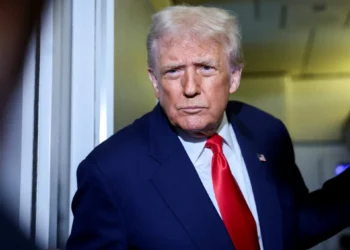 Republican Senator Questions Trump Ad Spending
 Burnham Opens Door to Possible UK Return to EU
 Brazil Election Draws Religion Into Final Campaign
 Lula Warns of Bolsonaro Family Return as Brazil Votes
 Families Await USS Abraham Lincoln Homecoming
 Quebec separatists return to power without majority
 Canadian Veterans Condemn Trump Allies’ Military Remarks
 Argentina Protesters Resist Milei’s Land Sale Drive
 South Korea Probes Fuel Shipments to Russia
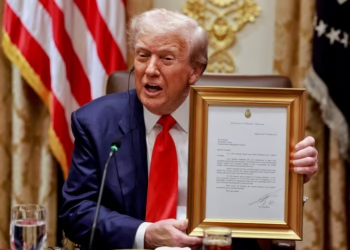 Trump Says He Deserves Nobel Peace Prize
 USS Lincoln Ends Record 265-Day Deployment
 Houthi Missile Claim Sparks Riyadh Airport Disruption
 Trump Rules Out Iran Attack Before US Elections
 Australia Rejects Russian Fuel as Trump Strikes Deal
 Trump Names Katie Zachariah as Next White House Press Secretary
 UK Could Rejoin EU Through a Switzerland Plus Deal
 Brexit Debate Returns as UK Voters Reconsider EU Exit
 Japan’s Takaichi Faces a Crucial Second Year in Power
 Omar Claims US Raid on Residence Was Meant to Intimidate
 Lula Supporters Make Final Push Ahead of Brazil Runoff
 Rubio Urges Cubans to Seize Moment for Change
 US Bans BYD Vehicles at Japan Military Base
 Flávio Bolsonaro Reportedly Leaves Brazil After Election Defeat
 Australia Raises Interest Rates to 18-Year High