Published: 10 October 2026. The English Chronicle Desk. The English Chronicle Online.
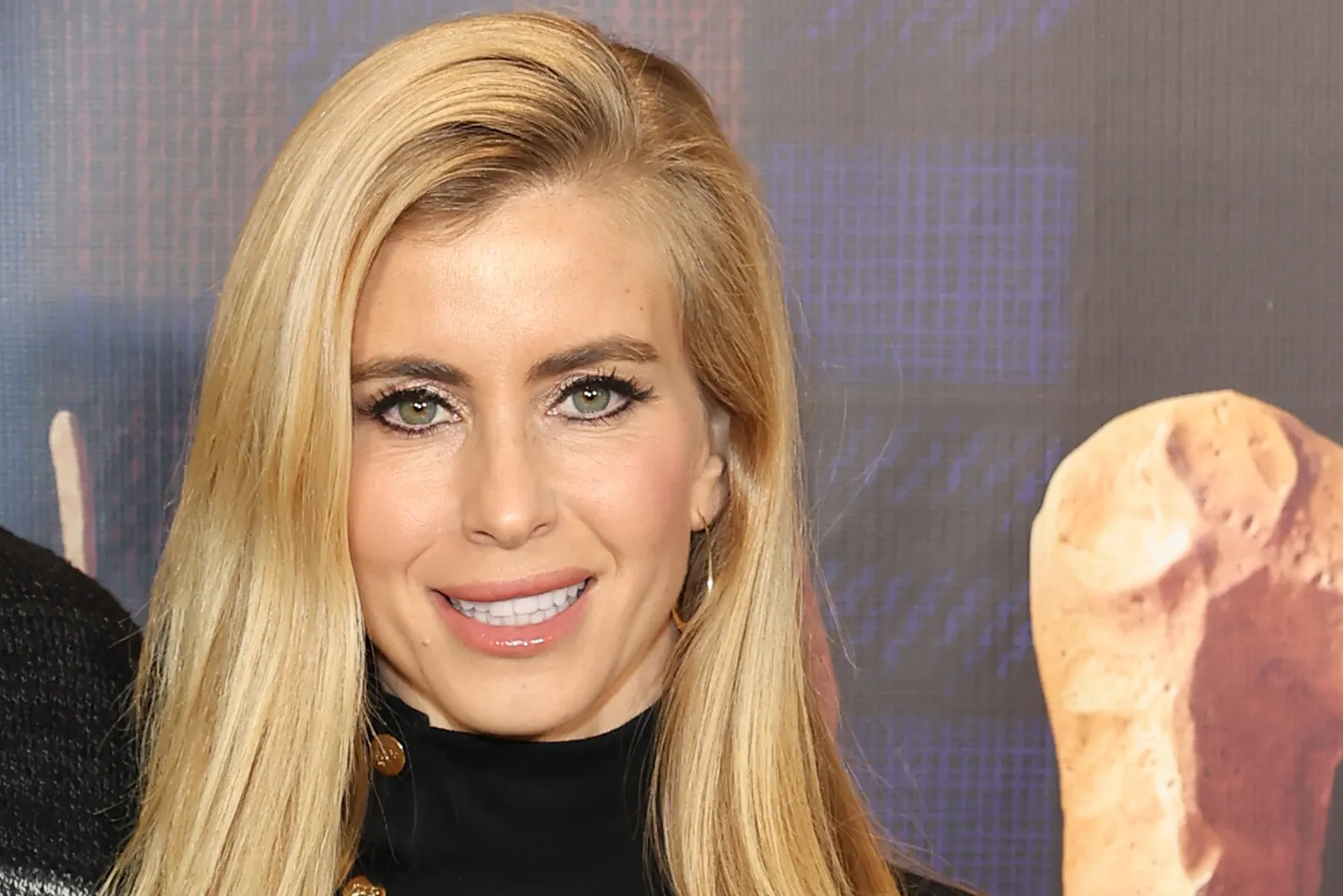
US President Donald Trump has selected conservative commentator Katie Zacharia as the next White House press secretary, choosing a political ally to become one of the administration’s most visible public representatives at a challenging moment for his second term. The announcement places Zacharia at the centre of the White House communications operation as Trump faces declining approval ratings, growing economic dissatisfaction and an unpopular war with Iran ahead of crucial midterm elections.
Trump announced the appointment on Friday through a post on his Truth Social platform, describing Zacharia as a loyal supporter whose backing for his political movement had remained consistent. His emphasis on her personal loyalty and support for the Make America Great Again movement offered an indication of the qualities he values in the person responsible for explaining and defending his administration’s policies to the public.
“It is my Great Honor to have just appointed, as Press Secretary, Katie Zacharia,” Trump wrote. He praised her record of support and described her as a devoted fan and member of the MAGA movement. He also expressed confidence that she would perform strongly in the role and work effectively with journalists, the American public and his administration.

Zacharia will replace Karoline Leavitt, who left the position at the end of August following the birth of her second child. Leavitt had become a prominent figure in the administration’s public messaging, regularly defending the president’s decisions during White House briefings and responding to questions from journalists about domestic and international policy.
Trump praised Leavitt’s performance, saying she had done a fantastic job as press secretary. Her departure marked the end of a highly visible period in the White House communications operation, while her subsequent move towards a media role means she is expected to remain part of the broader political conversation. Fox News announced earlier in the week that Leavitt would join the network as an on-air contributor.
Zacharia’s appointment had not been widely anticipated in Washington, where speculation about Leavitt’s successor had continued for several weeks. Conservative television commentator Scott Jennings had been mentioned in reports as an early contender for the position. However, questions about his previous criticism of Trump had prompted doubts about whether he would ultimately be selected.
The decision to appoint Zacharia instead brings a figure with experience in government communications, conservative advocacy and pro-Trump media commentary into one of the most politically sensitive positions in the administration. The press secretary is responsible for communicating the president’s agenda, responding to reporters’ questions and presenting the White House’s explanation of decisions that can range from economic policy to military operations and international diplomacy.
The position also carries responsibilities beyond delivering prepared statements. The press secretary must manage an often adversarial relationship with the press, respond to rapidly developing events and maintain credibility when the administration faces scrutiny. The role can become particularly demanding during election campaigns, international crises or periods of political controversy, when journalists seek detailed answers about the president’s decisions and their consequences.
Zacharia’s professional background has included work in the US Department of Homeland Security, where she served as a spokesperson. She currently works as a communications adviser for Trump Media and Technology Group, the company that owns Truth Social, the social media platform Trump used to announce her appointment.
Her connection to Trump’s media organisation places her within a communications environment closely associated with the president and his political supporters. Moving from that position to the White House press secretary’s office will give her a more direct role in communicating official government positions, including on matters where public statements may carry significant diplomatic, legal or economic consequences.
The transition also highlights the increasingly close relationship between political messaging and media platforms in modern US politics. Truth Social has served as a major channel for Trump’s announcements, reactions and political commentary. His decision to make the appointment public there reflects the importance he places on direct communication with his supporters, often before or alongside conventional press coverage.
Zacharia has been involved in Republican politics for years. A California native, she attended Pepperdine University, where she served as president of the university’s College Republican organisation. Her early political experience included an internship in the White House Office of Political Affairs during the second administration of President George W Bush, as well as work at the Republican National Committee.
She later obtained a law degree from Pepperdine University in 2011. Her legal training and experience in political organisations have contributed to a career that combines conservative advocacy with communications work. Before joining the Department of Homeland Security, she served as general counsel at Fix California, a conservative nonprofit organisation focused on what it describes as election integrity.
The organisation is led by Ric Grenell, a Trump ally who has held diplomatic responsibilities. Fix California’s focus on election administration and voting procedures places Zacharia’s earlier professional experience within a politically contentious area of US public life, where debates about election security, voting access and the integrity of electoral processes frequently divide Republicans and Democrats.
Zacharia has also appeared frequently as a commentator on Fox News, where she has defended Trump’s policies and criticised Democratic politicians. Those appearances helped establish her public profile among conservative audiences and gave her experience presenting political arguments in a media environment where government decisions are regularly challenged and debated.
Her appointment is likely to be closely watched by journalists and political observers seeking to understand how the White House intends to communicate during the remainder of Trump’s term. A press secretary’s approach can influence the tone of daily briefings, the level of detail provided in official explanations and the administration’s willingness to engage with difficult questions.
However, personal familiarity with the president and a record of political support do not automatically determine how effectively someone performs the role. The position requires the ability to distinguish campaign-style messaging from official government communication, explain complicated decisions accurately and respond to questions that may not align with the administration’s preferred narrative.
Zacharia will take on those responsibilities as Trump’s political standing faces significant challenges. His approval rating has fallen to record lows, according to the account of the political situation surrounding the appointment, while his party is preparing for the midterm elections scheduled for next month. Republicans are seeking to retain control of Congress, making the administration’s public communications particularly important as candidates attempt to persuade voters to support the president’s political agenda.
Trump has urged supporters to approach the midterms as though his name were directly on the ballot, effectively presenting the election as a judgement on his presidency. The strategy puts his record at the centre of congressional contests, even though voters will be choosing candidates for legislative seats rather than electing a president.
Economic dissatisfaction is another challenge for the administration. Household concerns about living costs, financial security and the wider economic outlook can influence electoral decisions, particularly when voters believe that national policies have failed to improve their circumstances. The White House press secretary will therefore be expected to defend the administration’s economic record while responding to criticism from political opponents and journalists.
The war with Iran adds a further layer of complexity. An unpopular military conflict can generate questions about its objectives, financial cost, risks to US personnel, civilian consequences and prospects for a lasting resolution. The press secretary may be required to explain developments that change quickly and address concerns about whether the administration’s stated goals are achievable.
In such circumstances, credibility can become as important as political messaging. Statements about military operations, diplomatic negotiations or economic conditions may be scrutinised against events on the ground and information released by other government agencies. Inaccurate or incomplete explanations can intensify criticism, while clear and consistent communication can help the public understand the administration’s position even when the policies themselves remain controversial.
Zacharia is married to film producer Tyler Zacharia, and they have four children. Her personal and professional background has attracted attention following the announcement, although the immediate focus will be on how she approaches the responsibilities of her new position.
Trump’s public praise for both Zacharia and Leavitt suggests that he views the appointment as a continuation of a communications strategy built around trusted figures who are willing to defend his agenda. Whether Zacharia will maintain the style associated with her television appearances or adopt a different approach in the formal White House briefing room remains to be seen.
The press secretary’s relationship with the media is often a defining feature of the job. Reporters seek answers about government decisions on behalf of the public, while the administration aims to explain its actions and protect its political interests. Tensions are common, but the effectiveness of the office depends partly on whether it can provide meaningful information while navigating disagreements over policy and interpretation.
For Zacharia, the immediate challenge will be to establish herself in a high-profile position with little room for a lengthy adjustment period. With the midterm elections approaching and contentious questions surrounding the economy and Iran likely to remain prominent, she will quickly face demands to communicate the administration’s priorities and respond to criticism.

Her selection underscores Trump’s preference for appointing people whose political outlook and loyalty align closely with his own. The longer-term test will be whether Zacharia can translate that trust into effective government communication, maintain working relationships with journalists and provide clear explanations of decisions affecting Americans at home and US interests abroad.
The appointment is therefore more than a routine personnel change. It comes at a pivotal political moment when the White House is seeking to defend its record, mobilise supporters and persuade voters ahead of an important election. Zacharia’s performance will help shape how the administration presents its policies during that period, while the questions facing Trump will ultimately be judged by voters as well as by the daily exchanges between the White House and the press.
Related News:
 Is America Ready for an AOC Presidential Run?
 Latin America women fear rollback of rights
 Bolsonaro Gains Key Endorsement Ahead of Brazil Runoff
 Trump Attacks Norway After Nobel Peace Prize Snub
 US states redraw maps after voting rights ruling
 US ‘Narco Boat’ Strikes Draw Global Outcry
 Immigration Judges Fear Pressure in Trump Era
 Trump’s Revenge Drive Deepens GOP Divide
 Trump Jokes, Jabs and Press Tensions at WHCA Dinner
 Five Years of Taliban Rule Leave Afghanistan in Crisis
 Trump Calls Iran War ‘Small Potatoes’ Despite US Deaths
 Experts Warn of Growing US Terrorism Risks 25 Years After 9/11
 Trump Media Ban Triggers First Amendment Clash
 Lib Dems Prepare for Election Amid Reform Challenge
 US Networks Suspend Trump White House Pool Coverage
 Democrat Says ICE Restricted Detention Camp Oversight
 Elif Eralp Emerges as Berlin’s Next Political Force
 Lula accuses Trump of seeking control over Brazil
 White House Bars CNN From Air Force One Trip
 Republican Senator Questions Trump Ad Spending
 Dale Vince Plans New London-Wide News Operation
 AI Deepfakes Put New Pressure on Election Trust
 Trump Ads Trigger Fight Over Taxpayer Money
 Drumcree Talks Falter as Legal Challenge Deepens
 UK-France Returns Deal Faces Expiry as Talks Stall
 Green Party faces dispute over Zionism motion
 Senators warn US childcare policies could raise costs
 Families Await USS Abraham Lincoln Homecoming
 Trump Says He Deserves Nobel Peace Prize
 USS Lincoln Ends Record 265-Day Deployment
 ICE Agent Shoots Man in New York as Child Escapes Harm
 India’s Youth Movement Alleges Mass Detentions Before Protest
 Gaza War Deepens India’s Strategic Ties With Israel
 Controversial Vaccine Trial Approved in Guinea-Bissau
 Delhi Braces for Youth Protests Over Voter Roll Dispute
 Thousands Protest ICE Operations in Nationwide US Day of Action
 Epstein Files Reveal Trump Officials’ Emails with Financier
 UK Stands Firm on Falklands Amid US Rift
 Trump orders US troop pullout from Germany
 Trump approval plunges amid Iran war fears
 Ohio’s Battle for Trust: Democrats Vying to Flip the Buckeye State
 Afghan Families Left in Limbo Face Risk of Deportation
 Florida Surgeon ‘Devastated’ Over Fatal Surgery Error
 US Awaits Iran Reply on New Ceasefire Proposal
 Farage and Reform UK Reshape British Politics
 Starmer Leadership Under Pressure After Setbacks
 House Curbs Trump’s War Powers in Rare Rebellion
 Trump’s Mount Rushmore Speech: A Divisive Anniversary
 Le Pen’s Popularity Holds Despite Conviction
 Houthis Strike Saudi Arabia as Middle East Tensions Rise
 Ghent Professors Questioned Cofnas Appointment
 RAF Barnham Protests Fuel Tensions in Norfolk Town
 Ukraine Villagers Demand Answers After Deadly Arms Depot Strike
 Trump Hardens Canada Trade Stance as Talks Stall
 Europe’s democracies face a growing far-right threat
 New Mexico Takes Facebook to Trial Over Data Scandal
 Man Arrested in Mississippi Woman’s Death
 Israel Accused of Undermining Palestinian Life
 Texas Charges Seven Noncitizens in Voting Crackdown
 Turkey LGBTQ Crackdown Expands With New Arrests
 Omar Proposes Bill to Redirect ICE Funding
 UK Plans New Centre to Counter Information Warfare
 Xi urges Trump to avoid US-China military conflict
 Free Speech Emerges as Key UK Election Issue
 Madrid Tent Camp Grows as Spain Housing Crisis Deepens
 Cornell Fraternity Assault Investigation Reopened
 Burnham Opens Door to Possible UK Return to EU
 Brazil Election Draws Religion Into Final Campaign
 Badenoch Raises Prospect of 2027 UK Election
 French School Protests Escalate as 400 Schools Close
 Lula Warns of Bolsonaro Family Return as Brazil Votes
 US bombers leave RAF Fairford after terror threat
 White House defends new aide over anti-Biden photo
 Quebec separatists return to power without majority
 Canadian Veterans Condemn Trump Allies’ Military Remarks
 Israel Promotes Film Challenging Controversial Gaza Documentary
 Trump Rules Out Iran Attack Before US Elections
 Trump’s Russian Diesel Deal Sparks Ukraine Fury
 Panama Hit by Powerful 7.7-Magnitude Earthquake
 US Execution Livestream Plan Sparks Global Outrage