Published: 02 November 2026. The English Chronicle Desk. The English Chronicle Online.
New South Wales Premier Chris Minns has warned that another interest rate increase by the Reserve Bank of Australia could inflict serious damage on businesses, employment and household finances, adding to growing political pressure on the federal government ahead of the central bank’s latest decision.
The Reserve Bank is expected to raise its cash rate on Tuesday, potentially delivering its fifth increase of 2026. Financial markets are anticipating a rise to 4.85%, a level that would represent the highest interest rate in Australia in 18 years. The prospect has intensified an already heated debate about inflation, government spending and the growing cost-of-living burden facing households.
Minns, leader of Australia’s most populous state, has become increasingly vocal about economic policy and differences with Prime Minister Anthony Albanese. His latest intervention reflects concern that another increase in borrowing costs could have consequences well beyond mortgage holders, affecting employers, workers, retailers and the broader New South Wales economy.

“The impact of another rate rise on the New South Wales economy will be massive,” Minns said, warning that some jobs could disappear permanently and that businesses forced to close might never reopen.
“There’ll be jobs that go that will never come back. There’ll be shops that close that do not reopen with another rate rise,” he said.
Minns argued that the decision facing the Reserve Bank should not be treated as a simple response to economic data. He said the consequences of higher borrowing costs needed to be considered carefully because businesses and households were already under significant financial pressure.
His comments come at a politically sensitive moment for the Albanese government. Inflation and interest rates have become increasingly important issues for voters, while Labor faces renewed criticism over the cost of living and the government’s management of the economy.
Minns also suggested that governments at both federal and state levels needed to contribute to efforts to reduce inflationary pressure. Asked whether government spending was contributing to the problem, he said everyone needed to “do their bit”.
Prime Minister Albanese and Treasurer Jim Chalmers have confirmed that the government’s mid-year budget update next month will include a savings package. The government has argued that international developments, including the conflict in Iran and broader global economic pressures, are contributing to higher prices.
However, internal frustration within Labor is reportedly increasing as the government prepares for another potentially unpopular rate decision. One Labor MP described voter anger as already significant and compared the political environment with the difficult period the government experienced during its first term.
The MP said voters were frustrated by economic conditions and suggested that the government would be hoping for a repeat of the improvement in inflation and interest rates that occurred before the 2025 election. Inflation had reached almost 8% in late 2022 before subsequently declining into the Reserve Bank’s target range ahead of the election.
“It’s the mid point in the cycle and people are grumpy,” the Labor MP said, reflecting concerns about the political consequences of continued economic pressure.
The timing of Tuesday’s announcement will also leave Chalmers in the spotlight. Albanese is scheduled to attend a Commonwealth leaders’ summit in Antigua and Barbuda when the Reserve Bank announces its decision, meaning the treasurer will be the senior federal government figure responding publicly to the rate move.
The government has defended its approach to spending, arguing that Australia is experiencing inflationary pressure as part of a wider international trend rather than because of domestic policy alone.
Environment Minister Murray Watt said on Monday that Australia was not the only country dealing with rising prices. He argued that even eliminating the federal budget deficit would not completely remove inflationary pressure because international economic developments were affecting prices.
The government has also received support from senior Labor figures defending Chalmers. Frontbencher Tanya Plibersek said the planned savings measures would be meaningful without imposing unnecessary hardship on households.
“There’s been no reforming treasurer in Australian history that hasn’t copped it when they’ve made big changes,” Plibersek said, adding that Labor continued to support Chalmers.
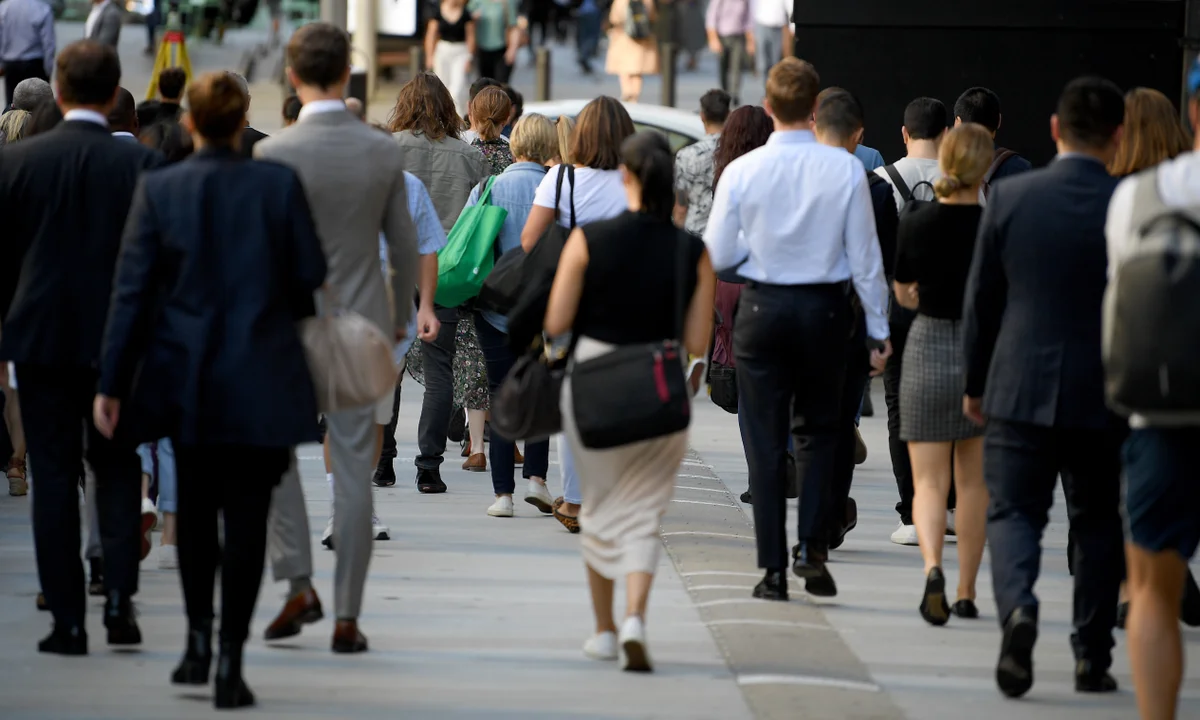
Outside the political debate, unions and community organisations have warned that another rate increase could have a direct impact on workers already struggling with rising living costs.
Australian Council of Trade Unions secretary Melissa Donnelly said workers could not withstand another increase in borrowing costs. Speaking during a demonstration outside the Reserve Bank’s Sydney headquarters, she argued that ordinary workers were bearing the consequences of an inflation crisis they had not caused.
Donnelly also criticised major banks and supermarket companies, accusing them of adding to financial pressure on households. She linked Australia’s inflation problems to international developments and said workers were experiencing the consequences through higher everyday expenses.
The Australian Council of Social Service has also urged the Reserve Bank not to increase rates. Its chief executive, Cassandra Goldie, called for alternative measures to reduce pressure on households, particularly through lower housing and energy costs and reduced out-of-pocket medical expenses.
Goldie argued that higher interest rates deliberately create unemployment by weakening demand and economic activity. She warned that a further increase towards or above 5% could have severe consequences for employment and could leave more people dependent on inadequate income support.
The debate illustrates the difficult balance facing the Reserve Bank. Its central responsibility is to control inflation, but efforts to slow price growth can also reduce economic activity and increase financial stress. Higher interest rates raise borrowing costs for households with mortgages and can make it more difficult for businesses to finance operations, invest, hire workers or remain open.
For small businesses in particular, the consequences can be significant. A combination of weaker consumer demand, higher financing costs, rising operating expenses and pressure on wages can leave businesses with limited room to absorb additional costs.
Minns’ warning that some shops may close permanently reflects concerns that a rate increase could have effects lasting well beyond the immediate period of tighter monetary policy. Once a business shuts down, workers can lose employment, local communities can lose services and commercial areas can experience reduced activity.
At the same time, the Reserve Bank faces pressure to prevent inflation from becoming entrenched. If prices continue rising too quickly, households can lose purchasing power and businesses may face continued uncertainty. The central bank therefore has to weigh the risks of persistent inflation against the possibility that excessive tightening could weaken employment and economic growth.
The political consequences are becoming increasingly visible. Monday’s Newspoll showed Labor’s primary vote at 27%, behind One Nation on 28% but still ahead of the Coalition on 21%. The figures provide another indication of the difficult environment confronting the government as voters focus on household finances.
Opposition Leader Angus Taylor has used the economic concerns to attack the Albanese government, accusing Labor of failing to control spending and inflation. He argued that excessive government expenditure was forcing the Reserve Bank to shoulder more of the burden through monetary policy.
“We’re seeing a Labor government that can’t control its spending,” Taylor said, arguing that the result was that the central bank had to undertake the difficult work of controlling inflation through interest rates.

The competing arguments place the Reserve Bank at the centre of an increasingly intense national debate. Its decision will affect borrowers, savers, businesses and governments, while also carrying significant political implications.
For the Albanese government, another rate increase could deepen public frustration over living costs and create further pressure to demonstrate that it has a credible plan to restore economic stability. For Minns and other state leaders, the concern is that monetary tightening could translate directly into weaker business activity and job losses.
As Australia awaits the Reserve Bank’s decision, the central challenge remains how to bring inflation under control without imposing excessive damage on employment, businesses and households. Whatever decision is announced, the economic and political consequences are likely to extend well beyond Tuesday’s announcement.
Related News:
 Ministers Push ATO to Reconsider Credit Card Ban
 Australia Delays Tax Credit Card Payment Ban After Backlash
 Thinktank Calls for Abolition of UK State Pension
 MPs Defend UK Economic Watchdog Against Critics
 Saudi intercepts Houthi missiles as oil fears grow
 Informa Agrees £2.24bn Deal to Buy Clarion
 EU-China Talks Target Surge in Hybrid Car Imports
 IMF Warns Governments Over Rising Debt Burdens
 France Faces Debt Crisis as Protests and Markets Clash
 IFS Warns UK Budget Faces £35bn Spending Gap
IMF Raises UK Growth Forecast Ahead of Healey’s Budget
 Business Chief Urges Burnham to Fix Brexit Damage
 Cormann Warns Australia Against Populist Migration Caps
UK Borrowing Hits £24.5bn Ahead of Healey’s Budget
 Australia Inflation Surges as Trump’s Iran War Hits Households
 Fed Expected to Hold Rates Steady Ahead of US Midterms
 Albanese Faces Labor Pressure as Inflation Hits 4.3%
 BBC News Faces Deep Cuts in 2,000 Job Plan
 Reeves Fights to Keep Treasury Role Amid Labour Turmoil
 Burnham Faces Mounting Budget Challenges
 Dutch Bank Moves 86 Tonnes of Gold to London
 Trump Hardens Canada Trade Stance as Talks Stall
 UK House Prices Fall as Mortgage Rates Rise
 Oil nears $100 as Saudi attacks shake markets
 Thames Water Revises Oxfordshire Mega-Reservoir Plan
 UK Pay Growth Slows to 3.9% as Rate Decision Nears
 Bank Urged to Slow Bond Sales as UK Costs Rise
 UK Inflation Hits 3.1% as Household Pressure Grows
 Japan Raises Rates to 31-Year High
 UK Retail Sales Rebound as Consumers Spend More
 Trump Eyes Major Belarus Fertiliser Deal Amid Canada Trade Dispute
 UK Borrowing Hits £18.3bn Ahead of Budget
 Iran Rejects Claims of Shift in US Talks
 Chinese Hybrid Car Surge Raises EU Auto Industry Concerns
 Tony Blair Calls for Britain to Rejoin EU Within a Decade
 UK Trade Losses Grow Without EU Product Deal
 Should Savers Lock Into 5.25% Fixed Rates?
 Why Americans Feel Ripped Off by Rising Prices
 UK Diesel Prices Hit Record High Amid Iran Conflict
 Ukraine Faces $45m Hourly Cost From Missile Alerts
 Poundland Rescue Bid Could Protect 11,000 Jobs
 UK house price growth slows as mortgage rates rise
 UK borrowing costs surge as global bond sell-off deepens
 French Debt Fears Put Euro Markets Under Pressure
 UK Assures Public Over Diesel Supply
 UK Diesel Reaches £2 as Inflation Surges Across Europe
 Minister Rejects Fears of UK Diesel Shortage
 London Council Warns of 150% Council Tax Rise
 Google Maps Brings Live Fuel Prices to UK Drivers
 Tesco Raises Profit Forecast as Consumer Confidence Holds
 Oil Shock Sends Markets Lower as Middle East Risks Grow
 Firmus Abandons Major ASX Listing Amid Investor Doubts
 Labour Fears Budget Will Fail to Lift Living Standards
 UK Van Drivers Face £2.5bn Diesel Cost Surge
 EU Caps Chinese Hybrid Car Imports at 350,000
 Hall and Woodford Win Nobel Economics Prize
 IMF Warns Global Economy Is Nearing Its Limits
 Greens Block Labor’s Health Rebate Cuts for Pensioners
 Healey Plans £1bn Online Marketplace Tax Crackdown
 UK Could Rejoin EU Through a Switzerland Plus Deal
 Australian Mortgages Now Cheaper Than Rent in Some Suburbs
 UK Unemployment Falls to 4.7% as Vacancies Decline
 Trump Faces Voter Backlash Over Soaring Gas Prices
 Tax Online Sales to Save High Street, Burnham Urged
 Jim Chalmers Navigates Hard Economic Choices as Inflation
 Labour MPs Urge Burnham to Lead UK Reindustrialisation
 China’s AI Ambitions Hit $2.4 Trillion Market Setback
 Healey Set to Scrap Planned Cut to Cash ISA Allowance
 UK Budget Leaves Households Facing Higher Energy Bills
 North Korea Linked to Record $6.3bn Binance Crypto Heist
 BP Profits Surge as Middle East Conflict Lifts Margins
Burnham Admits First Budget Fell Short of His Ambitions
 UK House Price Growth Slows to Two-Year Low
 G20 Photo Cancelled as Russia Deepens Western Rift
 London Luxury Homes Face Deeper Price Declines
 North Sea Firms Urge Early End to Windfall Tax
 Healey urged to act as UK energy bills rise 4%
 Badenoch Raises Prospect of 2027 UK Election
 South Korea Probes Fuel Shipments to Russia
 UK Inflation Hits 3.5% as Middle East War Drives Fuel Costs