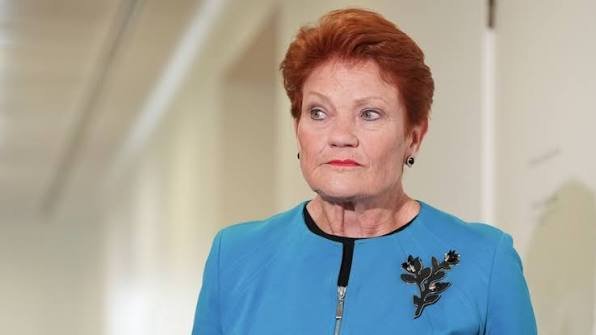
Australia’s High Court has agreed to hear an appeal by One Nation leader Pauline Hanson against a series of judicial decisions finding that she racially discriminated against Greens senator Mehreen Faruqi through a social media post telling her to return to Pakistan. The case is expected to examine the balance between freedom of political expression and legal protections against racial discrimination, potentially carrying significant consequences for public debate and the rights of minority communities in Australia.
Hanson was granted special leave to appeal on Thursday, allowing her legal challenge to proceed to the country’s highest court. The decision follows earlier rulings that found her comments unlawful under Australia’s Racial Discrimination Act. The full Federal Court unanimously upheld the original judgment in July, maintaining the finding that Hanson’s post constituted racial discrimination.
The High Court will now consider whether the comments breached the Racial Discrimination Act or whether the previous Federal Court decision improperly restricted the implied freedom of political communication under the Australian Constitution. The central question is how Australian law should balance the right of political figures to express strong opinions with the responsibility to avoid conduct that unlawfully targets people because of their race or ethnic background.

The dispute began in September 2022, following the death of Queen Elizabeth II. Faruqi, an Australian Greens senator who was born in Pakistan, published a social media post expressing condolences to those who knew the Queen while criticising the British Empire’s colonial history. She referred to the legacy of racism, the taking of land and wealth from colonised communities, and the need for justice and reparations. Her comments also called for a treaty with Australia’s First Nations peoples and renewed discussion about the country’s constitutional future as a republic.
Hanson responded with a strongly worded message directed at Faruqi. She criticised the senator’s attitude towards the late monarch and argued that Faruqi had benefited from living in Australia, including obtaining citizenship, purchasing homes and securing a parliamentary position. Hanson then told her to pack her bags and return to Pakistan.
The exchange quickly became a major political and legal controversy. Faruqi argued that the response went beyond political disagreement and targeted her migrant background, suggesting that she did not belong in Australia despite being an Australian citizen and elected representative. The case subsequently became an important test of how the country’s racial discrimination laws apply to comments made by politicians on social media.
In November 2024, Federal Court Justice Angus Stewart ruled that Hanson’s post was unlawful. He found that the message portrayed Faruqi as a second-class citizen who had benefited from Australia but should remain grateful and silent. According to the judgment, the implication that a migrant should be thankful for living in the country and refrain from criticising it was exclusionary.
Justice Stewart also considered the instruction to return to Pakistan a version of the familiar racist expression telling someone to go back to the place from which they came. He described that type of language as a racist trope and a particularly strong form of racism.
The judge noted that Hanson was a prominent political figure whose public statements could influence the behaviour of others. Because of her profile, the post had the potential to encourage other people to make similar or even more hostile comments towards migrants and minority communities.
Hanson had argued that her response should be considered in the context of Faruqi’s criticism of the monarchy and the British Empire. However, the court rejected the argument that the senator’s original post justified the personal attack. Justice Stewart concluded that Hanson’s message was an angry response directed at Faruqi rather than a legitimate example of fair comment protected by the relevant legal exemption.
The decision was subsequently challenged, but the full Federal Court upheld the original finding unanimously in July 2026. The three judges, Melissa Perry, Geoffrey Kennett and Elizabeth Bennett, agreed that the earlier judgment should stand. Their decision reinforced the conclusion that political disagreement does not automatically protect statements that breach the country’s racial discrimination legislation.
Hanson’s latest appeal means the dispute will now move to the highest level of Australia’s judicial system. The High Court’s consideration of the implied freedom of political communication could be particularly significant because political expression enjoys constitutional protection in Australia, although that protection is not an unlimited personal right to say anything without legal consequences.
The implied freedom exists to protect communication necessary for the functioning of Australia’s representative and responsible system of government. Courts have previously considered whether laws or government actions place an unjustified burden on political communication. In this case, the High Court will have to consider how that constitutional principle applies when political speech is alleged to violate protections against racial discrimination.
Hanson welcomed the decision to grant special leave, arguing that the case involved broader questions about freedom of expression. In a social media statement, the 72-year-old senator said the dispute had become bigger than her and a single post. She maintained that Australians should be able to speak openly, question government decisions and disagree without fearing that they would be silenced.
She also connected the case to wider debates about online speech and government regulation, referring to concerns over proposed digital duty-of-care legislation. Hanson argued that freedom of expression was under pressure and suggested that legal restrictions could discourage legitimate debate.
Faruqi responded with a firm message of her own, saying: “Bring it on.” She described the legal battle as a long and difficult journey undertaken alongside people who have experienced racism. She said she would not back down and expressed confidence that the High Court could establish a clear position on legal protections against racial discrimination.
The Greens senator emphasised that the outcome would matter beyond the two politicians involved. She argued that people of colour, migrants and Muslims should be able to feel safe and accepted in the country they call home. She also stressed that legal protections were especially important at a time when minority communities could face public hostility and political attacks.
Her response highlighted the wider social significance of the case. For many people who experience racial discrimination, statements suggesting that they do not belong because of their ethnic or national background can reinforce exclusion and undermine their sense of security. The legal dispute has therefore become part of a broader discussion about citizenship, identity, equality and the responsibilities of public figures.
The federal government has also reaffirmed the importance of Australia’s racial discrimination legislation. A spokesperson for Attorney General Michelle Rowland said section 18C of the Racial Discrimination Act remained particularly important to social cohesion. The spokesperson declined to comment further because the matter was before the court but reiterated the government’s position that racism and racial hatred have no place in Australian society.
Section 18C has been the subject of political debate for years. It makes certain public acts unlawful when they are reasonably likely to offend, insult, humiliate or intimidate someone because of their race, colour, national or ethnic origin. The law also contains exemptions, including provisions relating to matters such as artistic work, academic discussion, scientific research and fair comment on matters of public interest.
The legislation has faced criticism from some political figures who argue that its wording may restrict freedom of expression. Others maintain that it provides an important safeguard against racial hostility and helps protect people from public conduct that can undermine equality and social participation.
The High Court appeal could bring renewed attention to those competing arguments. Its decision may clarify how the Racial Discrimination Act interacts with constitutional protections for political communication, particularly when comments are made by elected representatives during public political disputes.

The case also raises questions about the responsibilities that accompany political influence. Social media has made it possible for politicians to communicate instantly with large audiences, but public statements can also spread hostility and shape how communities view people from different backgrounds. The courts’ assessment of Hanson’s post has already highlighted the potential consequences of language used by prominent political figures.
For Faruqi, the proceedings represent a challenge to what she considers an attack on her dignity and belonging as an Australian citizen. For Hanson, the appeal is an attempt to defend her interpretation of political expression. The High Court will now have the responsibility of considering the legal principles at the centre of their disagreement.
The outcome will be closely watched by political leaders, legal experts, civil rights organisations and communities concerned about racism and freedom of speech. Whatever the final judgment, the case is likely to influence future discussions about the limits of political expression and the protection of minority rights in Australia.
Related News:
 One Nation Pledges $2,000 Baby Subsidy in Victoria
 Helen Haines Loses Both Legs After Alleged Attack
 Greens Face Leadership Test as Jordon Steele-John Misconduct Claims Leave Party in Limbo
 Trump’s Revenge Drive Deepens GOP Divide
 Le Pen’s Popularity Holds Despite Conviction
 King Refers Jamaica Slavery Petition to Privy Council
 French Student Protests Escalate Into Violent Clashes
 Burnham Opens Door to Possible UK Return to EU
 Drumcree Talks Falter as Legal Challenge Deepens
 UK-France Returns Deal Faces Expiry as Talks Stall
 French School Protests Escalate as 400 Schools Close
 Latin America women fear rollback of rights
 NSW Police Bid Delays Inquiry Into Sydney Protest
 Trader Wins Unfair Dismissal Case After Overseas Work
 Navi Pillay Wins Nobel Peace Prize for Justice
 Three Convicted in Mexico Surfing Trip Murders
 Controversial Vaccine Trial Approved in Guinea-Bissau
 Trump Attacks Norway After Nobel Peace Prize Snub
 Delhi Braces for Youth Protests Over Voter Roll Dispute
 Delhi Detains Protest Leaders as Youth Rally Escalates
 Ten US Midterm Races That Could Defy Expectations
 Ohio Airports Become Key Hubs for ICE Deportation Flights
 Farage Rejects Claims Reform Would Let Troops Shoot Migrants
 Camera Discovery Triggers Navy Ship Investigation
 Brazil Cuts Working Week to 40 Hours in Lula Election Boost
 Gadi Eisenkot: Israel’s Anti-Netanyahu Challenger
 Talarico Faces Tough Voter Test in Texas Senate Race
 Cormann Warns Australia Against Populist Migration Caps
 Macron Condemns Violence as France Faces 2,400 Arrests
 Alberta Referendum Exposes Deep Divisions Over Independence
 Marseille Activist Defies France’s Powerful Drug Gangs
 Obama Warns Against Threat to Ilhan Omar’s Citizenship
 Suu Kyi Appears in Rare Photos After Royal Gift
 Helen Haines Loses Leg in Alleged Targeted Attack
 Zelenskyy Accuses US of Delaying Ukraine Missile Supplies
 Alberta Voters Reject Push for Canadian Independence
 Fifth Foreign Firm Withdraws From Jerusalem Cable Car Plan
 Milan Braces for Unrest as Debate Intensifies Over Lost Generation
 Taylor Faces Backlash Over Response to Haines Attack
 US Midterms Could Reshape Trump’s Second Term
 Serbia’s Student Victory Sparks a ‘Smell of Freedom’
 Trump’s Midterm Campaign Faces Racism and Political Backlash
 McKenzie Warns MP Safety Fears Could Weaken Democracy
 Albanese Vows Swift Action on MP Safety Threats
 Campbell Urges Australia to Defend Democratic Politics
 Albania Introduces $6,000 Fines for Violent Protests
 King Charles Faces Reparations Protests at Antigua Summit
 Bedouin Women Drive Historic Arab Election Gains
 Alan Jones Trial Paused for Melbourne Cup Viewing
 Trump Deploys DHS to Charlotte in Major Arrest Operation
 Thousands Protest ICE Operations in Nationwide US Day of Action
 Report Says Pezzullo Acted ‘Recklessly’ in Dealings
 Suspected Plot Targets Pipeline Before Hungary Vote
 Farage and Reform UK Reshape British Politics
 Starmer Leadership Under Pressure After Setbacks
 Turkey LGBTQ Crackdown Expands With New Arrests
 Mahmood Warns Far Right Over Asylum Protests
 US Networks Suspend Trump White House Pool Coverage
 Democrat Says ICE Restricted Detention Camp Oversight
 Republican Senator Questions Trump Ad Spending
 Free Speech Emerges as Key UK Election Issue
 Madrid Tent Camp Grows as Spain Housing Crisis Deepens
 Badenoch Raises Prospect of 2027 UK Election
 Gosport Protesters Clash With Police Over Migrant Rescue
 Trump Says He Deserves Nobel Peace Prize
 South Africa Withdraws Directive on Asylum Applications
 Australian Advocates Seek Subsidised Drugs for PMOS
 Trump Names Katie Zachariah as Next White House Press Secretary
 Seekers Condemn CPAC Use of I Am Australian
 Elizabeth Struhs Inquest Examines Child Safety Failures
 Brazil Court Scandal Threatens Lula as Bolsonaros Rise
 India’s Voter Roll Crisis Sparks Nationwide Protests
 UK Visa Refusal Threatens Baby’s Family Christmas
 Lula Supporters Make Final Push Ahead of Brazil Runoff
 UK Land Registry Plan Faces Opposition From Landowners
 Flávio Bolsonaro Reportedly Leaves Brazil After Election Defeat
 Riot Police Deployed as Poland Court Row Escalates
 Australia Raises Interest Rates to 18-Year High
 Hegseth Faces Growing Pressure After GOP Election Defeat
 Trump-Backed Republicans Suffer Major Midterm Defeats