Published: 15 October 2026. The English Chronicle Desk. The English Chronicle Online.
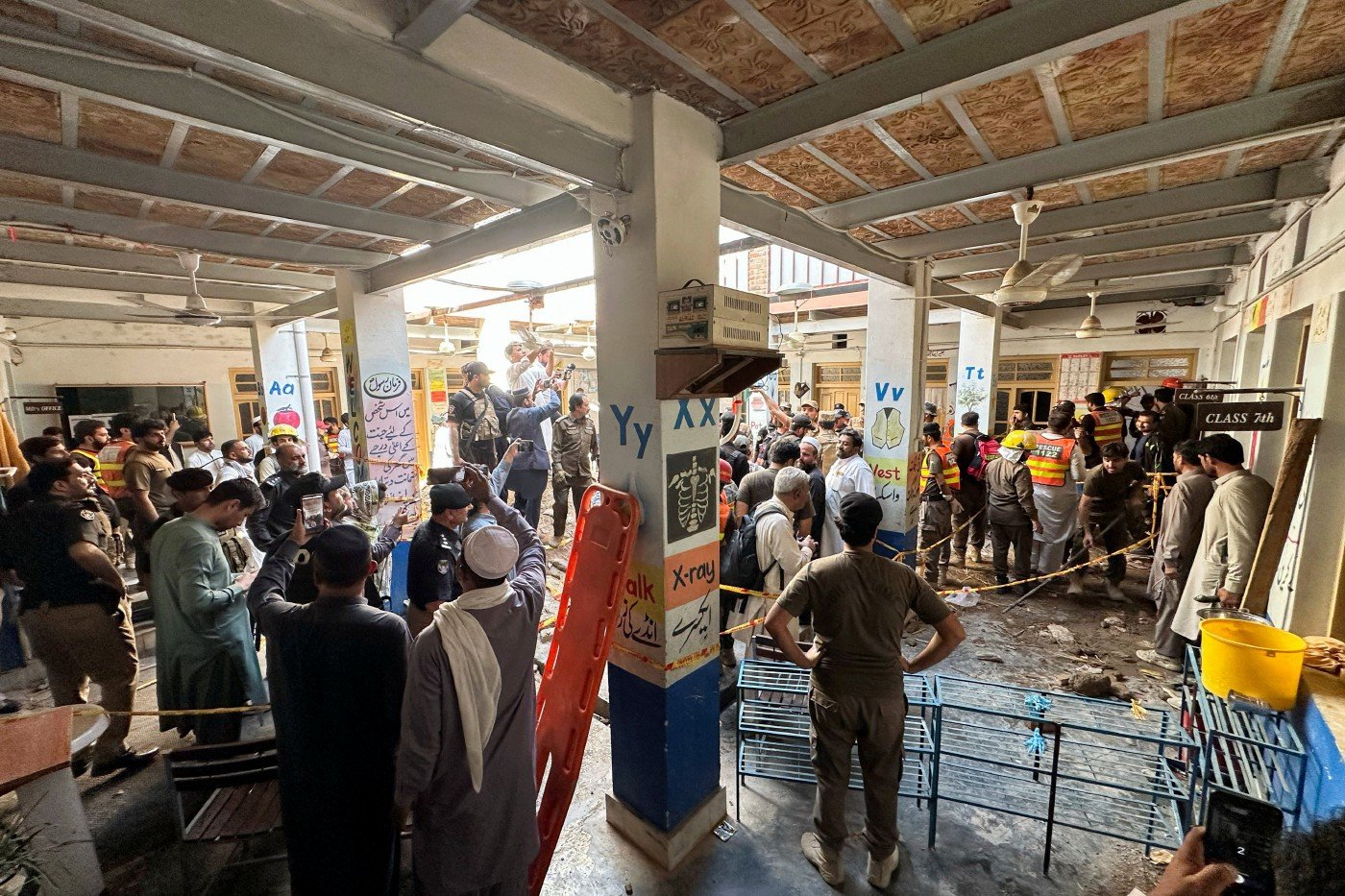
At least 27 students, most of them younger than 13, have died after the roof of a privately run school collapsed during classes in Peshawar, north-west Pakistan, in a disaster that has left families searching anxiously for children still believed to be trapped beneath the rubble.
The collapse occurred at the al-Khair Education Center while lessons were under way, sending large sections of the building crashing down on classrooms filled with pupils. Local authorities warned that the death toll could increase as rescue teams continued searching through the damaged structure for students who remained unaccounted for.
The incident has triggered a large emergency response in the city, with ambulances rushing to the school as rescuers worked amid broken concrete, twisted structural material and debris to reach those trapped inside. Television footage showed rescue workers carrying injured and bloodied children away from the site and transferring them to waiting ambulances.

District emergency officer Iftikhar Khan said rescuers had recovered at least 45 children from the collapsed building, but warned that more pupils could still be buried beneath the rubble. The operation remained focused on locating survivors while medical teams treated those who had been pulled from the wreckage.
One teacher was also reported to have died in the collapse, adding to the tragedy that struck the school during what had begun as an ordinary day of classes.
Government official Bilal Faizi said rescue personnel were continuing efforts to recover bodies and evacuate injured students to hospitals. Emergency workers faced the difficult task of searching unstable sections of the building while trying to determine whether children were still alive beneath the debris.
At least 20 injured students were taken to Peshawar’s Lady Reading Hospital, according to hospital spokesperson Mohammad Asim. Medical personnel were treating the children for injuries sustained when the structure collapsed, while emergency services remained on standby as rescuers continued their work at the school.
The scale of the disaster became clearer as authorities assessed how many students had been inside the affected classrooms. Peshawar police chief Mian Saeed said approximately 110 students had been present in three classrooms when the collapse occurred. Only 47 had been rescued at the time of his statement, leaving authorities concerned about the fate of dozens of other pupils.
Officials said the roof of a higher floor collapsed first, causing the structure beneath it to fail and bringing down parts of the two-storey building. The force of the collapse trapped students inside the classrooms and created a dangerous environment for rescue workers attempting to reach them.
Saeed suggested that the building itself may have had serious structural weaknesses. He described the structure as weak and said construction added weight to the roof, potentially contributing to the collapse. Authorities have ordered an investigation to establish precisely what caused the building to fail and whether safety standards were breached.
The investigation is expected to examine the construction and condition of the school building, including whether the structure had been properly designed and maintained for the number of students using it. Questions are also likely to be raised about whether any previous warnings about the building had been made and whether construction work altered the load-bearing capacity of the structure.
There was no immediate public comment from school officials regarding the circumstances surrounding the collapse or the condition of the building before the disaster.
For families in Peshawar, the immediate priority remained finding their children. As rescue workers continued to remove debris piece by piece, relatives gathered near the scene and hospitals, waiting for information about students whose names had not yet appeared among those rescued.
The uncertainty surrounding the missing pupils added to the anguish of parents and relatives. In disasters involving collapsed buildings, rescue operations can become increasingly difficult as time passes, particularly when sections of concrete and other heavy materials have fallen directly onto classrooms. Emergency workers therefore faced intense pressure to search the site as quickly and carefully as possible.
The tragedy also highlights longstanding concerns over the safety of school buildings in areas where construction standards and enforcement can vary considerably. Schools are expected to provide children with a secure environment, but structural failures can turn classrooms into highly dangerous spaces within seconds.
The deaths of so many young students are likely to intensify calls for closer inspection of educational buildings, particularly privately operated schools. Any investigation into the Peshawar collapse could therefore have consequences beyond the affected school if authorities identify broader weaknesses in construction oversight or safety enforcement.
For the families who lost children, however, the broader questions about regulation and responsibility come after the immediate human tragedy. Parents sent their sons and daughters to school expecting them to return home after classes. Instead, many families were confronted with a devastating emergency involving collapsed walls and roofs, ambulances and rescue teams.
The presence of a large number of children in only three affected classrooms also underscores the scale of the incident. With authorities initially reporting that 110 students were inside the classrooms, every minute of the rescue operation remained critical as teams searched for survivors and worked to recover those who had died.

The death toll of at least 27 students already makes the collapse one of the most serious school disasters in the region in recent years, while the possibility that additional victims remain trapped means the final number could be significantly higher.
Authorities have yet to establish a definitive cause for the collapse. Their investigation will be closely watched as families seek answers over why a school roof failed during classes and whether the tragedy could have been prevented.
For now, rescue workers remain at the site, hospitals are treating injured children and families continue to wait for news. Behind the official figures are dozens of individual stories of children who left home for school and never returned, making the Peshawar collapse not only a major public safety disaster but also a deeply personal tragedy for families across the city.
Related News:
 Cambridge Professor Jason Arday Found Dead at Home
 Councils spend £125m on illegal children’s care
 Cornell Fraternity Assault Investigation Reopened
 New Prosecutor Takes Over Cornell Assault Case
 Delhi Freezes Promotion of Police Officer After Allegations
 Sri Lanka Ex-First Lady Arrested Over Donation Probe
 Delhi Tightens Security Ahead of Election Protest
 Delhi Braces for Youth Protests Over Voter Roll Dispute
 Undercover officer deceived women with ‘grotesque and cruel’ lies, spycops inquiry told
 Police Suspect Help in Missing Alice Springs Girl Case
 FBI Links Brown University Shooting to Long-Term Grievances
 Barrister Criticises Trial After Suicide Case Verdict
 Pradhan Resigns Amid Protests
 Westminster Council Threatens Charing Cross Soup Kitchen
 BBC Warned About Missing Clothes of Murder Victim
 Internal Exclusions Surge in England’s Schools
 Nepal Flood Survivors Face Unimaginable Loss
 Nepal Tunnel Rescue Offers Hope Amid Flood Devastation
 Patriot Platform Raises Concern Across Britain
 Piddington Votes for Symbolic Independence Over Asylum Plan
 Texas Charges Seven Noncitizens in Voting Crackdown
 Yemen War Displaces 125,000 as Fighting Intensifies
 Iran School Strike Raises War Crimes Questions, UN Says
 Australia Post Worker Jailed Over Stolen Bank Cards
 Survivor Seeks Closure After Priest Dies in Prison
 China’s MeToo Movement Finds New Ways to Survive
 Democrat Says ICE Restricted Detention Camp Oversight
 Nepal PM calls deadly flood a global climate warning
 Yemen fighting forces children out of school and into work
 Fayed Survivors Demand Inquiry Into Medical Regulator
 London Facial Recognition Trial Ends With False Alert
 French Student Protests Escalate Into Violent Clashes
 Israel-bound Plane Lands in Saudi Arabia After Cockpit Fight
 UK University Strikes Spread as Financial Pressure Grows
 Hundreds of UK prisoners released early amid overcrowding
 Drumcree Talks End Without Agreement Ahead of Appeal
 Almost Half of Fayed Accusers May Be Trafficking Victims
 Pilot Recalls Fight to Save Flydubai Passengers
 French School Protests Escalate as 400 Schools Close
 Latin America women fear rollback of rights
 Flydubai Co-Pilot Studied in Australia Before Attack
 Christa Pike Wakes After Failed Tennessee Execution
 NSW Police Bid Delays Inquiry Into Sydney Protest
 Sam Wood Denied Bail Over Alleged Domestic Assault
 ICE Agent Shoots Man in New York as Child Escapes Harm
 India’s Youth Movement Alleges Mass Detentions Before Protest
 Pakistan Lawyers Back PTI Long March and Demands
 UAE Says Co-Pilot Planned Suicide Attack on Israel
 Delhi Detains Protest Leaders as Youth Rally Escalates
 PTI Announces Swabi Rally Ahead of Long March Plans
 British Military School Abuse Victims Denied Justice
 Delhi Closes Metro Stations Ahead of Election Protest
 Pakistan Suspends PTI Government Amid Political Crisis
 Former Students Raise Concerns Over School Culture
 Baby Boy Found Dead at Adelaide Motel: Two Charged
 Elizabeth Struhs Inquest Examines Child Safety Failures
 England and Wales Begin Second Wave of Early Prison Releases
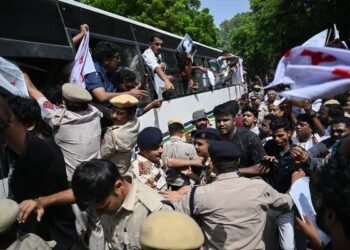 India’s Voter Roll Crisis Sparks Nationwide Protests
 Camera Discovery Triggers Navy Ship Investigation
 Ben Roberts-Smith Denies War Crime Allegations in First Statement
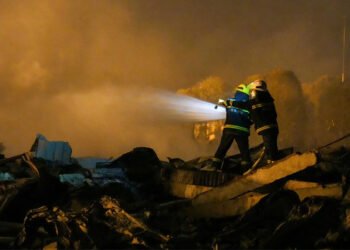 China Fireworks Factory Blast Kills 21 in Hunan
 New Footage Revives Peter Falconio Mystery
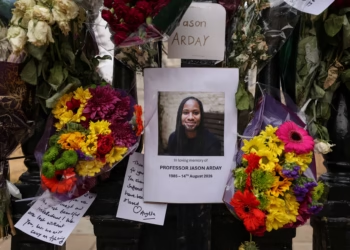 Ghent Professors Questioned Cofnas Appointment
 Man Arrested in Mississippi Woman’s Death
 Israel Accused of Undermining Palestinian Life
 Turkey LGBTQ Crackdown Expands With New Arrests
 Fiji Declares National HIV Emergency as Cases Surge
 Mahmood Warns Far Right Over Asylum Protests
 Harrods Faces Dispute Over Fayed Abuse Compensation
 Free Speech Emerges as Key UK Election Issue
 Tennessee Set to Execute Woman After Clemency Denied
 Badenoch Raises Prospect of 2027 UK Election
 Gosport Protesters Clash With Police Over Migrant Rescue
 Andrew Mountbatten-Windsor Challenges Police Raids
 Okinawa US Troops Face Curfew After Murder Case
 Police accused of failing abuse victims
 South Africa Withdraws Directive on Asylum Applications
 French Students Protest Poor Conditions in Paris Suburbs
 Greta Thunberg Backs French Students in School Protests
 Iranian Woman Faces Death Sentence Over Social Media Post