Published: 20 October 2026. The English Chronicle Desk. The English Chronicle Online
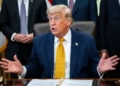
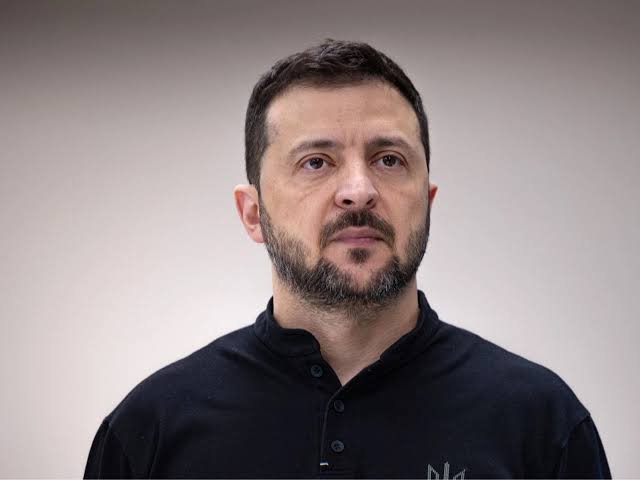
Ukrainian President Volodymyr Zelenskyy has accused the United States of deliberately delaying the delivery of interceptor missiles to Ukraine, raising fresh questions about Washington’s commitment to Kyiv as Russia continues its attacks on Ukrainian cities and critical infrastructure. The allegation has intensified tensions between Zelenskyy and US President Donald Trump at a time when Ukraine is struggling to defend its people and energy facilities against repeated Russian missile and drone strikes.
Speaking to US senators on Monday, Zelenskyy said the Pentagon was holding up interceptor missiles that European countries had already paid for under a programme designed to prioritise military assistance to Ukraine. He claimed the shipment was awaiting the approval of US Defence Secretary Pete Hegseth, suggesting that the delay was not simply a logistical problem but potentially the result of a political decision.
The Ukrainian president’s remarks have added to an increasingly public disagreement between Kyiv and Washington over military assistance, intelligence cooperation and the direction of efforts to end the war. With Ukrainian forces continuing to face Russian attacks, the availability of air defence interceptors has become a particularly urgent issue for the government in Kyiv.

Zelenskyy said several European countries were also prepared to transfer Patriot interceptor missiles from their own military stockpiles to Ukraine. However, those proposed transfers were reportedly awaiting US approval. His comments indicated that European willingness to provide additional equipment was not necessarily translating into immediate deliveries because of restrictions surrounding the transfer of American-made systems and ammunition.
“All of this suggests that some political decision has been made to slow down the support for us,” Zelenskyy said in remarks released by the Ukrainian presidency.
The dispute centres on the Prioritised Ukraine Requirements List, known as PURL, through which participating countries can help finance the purchase of urgently needed American military equipment for Ukraine. The programme is intended to coordinate support around Kyiv’s most pressing defence requirements, while enabling European partners to contribute financially to the acquisition of US-made weapons.
Zelenskyy’s allegation raises concerns about whether financial commitments by European governments can guarantee timely access to the equipment Ukraine needs. Even when funding has been arranged, the delivery of military systems can depend on export permissions, procurement procedures, stock availability and political decisions in Washington.
The US administration has not publicly confirmed Zelenskyy’s account of the specific shipment delay. A White House official, speaking anonymously to a US newspaper, said Washington continued to play a constructive role in communicating with both sides and working towards an end to the conflict. The response did not directly address the Ukrainian president’s claim that the missiles were awaiting the defence secretary’s signature.
The disagreement comes as Trump has criticised Ukrainian attacks on Russian oil refineries, linking the strikes to rising fuel prices that have become a significant political issue ahead of the US midterm elections. The president has argued that attacks on Russian energy infrastructure could complicate diplomatic efforts and contribute to economic pressures.
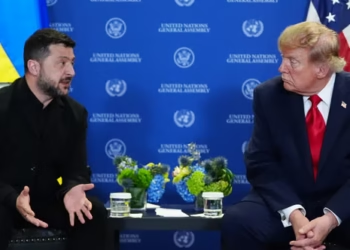
Speaking on Monday, Trump questioned whether Zelenskyy should continue leading negotiations on Ukraine’s behalf. “To be honest, I think it’s time for somebody else to negotiate on behalf of Ukraine,” he said.
The remark underscored the growing strain between the two leaders. While Kyiv maintains that it must defend itself against Russia’s invasion and seek to weaken Moscow’s capacity to sustain the war, the Trump administration has increasingly emphasised negotiations and the potential economic consequences of continued fighting.
Zelenskyy, meanwhile, said several recent American decisions had become difficult for Ukraine to understand. He pointed to the alleged delays in weapons deliveries and concerns over intelligence-sharing arrangements as examples of developments that could affect the country’s ability to anticipate and respond to Russian attacks.
Washington has denied making changes to intelligence-sharing with Kyiv. Nevertheless, uncertainty surrounding the flow of military assistance and intelligence has become a sensitive issue for Ukrainian officials, particularly as Russian forces continue to target infrastructure that supports electricity generation, transport and civilian life.
Concerns intensified following a Russian missile attack on power facilities in the Kyiv region on Sunday evening. Zelenskyy said Ukraine had not received an advance warning from the United States before the initial barrage, reviving questions about whether intelligence cooperation was being affected by the political dispute.
A Ukrainian air force spokesperson said on Monday morning that Ukraine had not received a warning before the Russian missile attack struck power plants around Kyiv. The spokesperson added that a warning had been received before a subsequent strike, indicating that the circumstances surrounding the attacks were not identical.
Zelenskyy later criticised what he described as the absence of advance notice from Ukraine’s partners. He said Russia had launched ballistic missiles in several waves throughout the night, leaving Ukraine again without a warning from its allies before the initial attack.
The episode has heightened concerns in Kyiv because early warning information can provide vital time for air defence units to prepare, emergency services to respond and civilians to seek shelter. In a war where Russian missiles can strike major population centres and essential infrastructure, delays in receiving reliable information can have serious consequences.
However, the available statements do not establish why Ukraine did not receive an advance warning before the first attack. The US government has denied changing its intelligence-sharing arrangements, and the dispute over the missile deliveries remains separate from any confirmed explanation for the warning reported by Ukrainian officials.
The immediate human cost of Russia’s continuing attacks was also evident on Tuesday. Ukrainian authorities said four people had been killed in strikes across the country, including three in the Kyiv region and one in Zaporizhzhia in the south-east. At least 11 people were reported wounded.
Ukraine’s State Emergency Service reported the deaths in the Kyiv region, while the head of the regional military administration in Zaporizhzhia confirmed a fatality there. The attacks came as Russia continued to target energy and transport infrastructure, placing additional pressure on emergency responders and communities already affected by prolonged hostilities.
A separate Russian drone strike in the north-eastern Kharkiv region killed six people, including young children, on Monday, according to Ukrainian authorities. The attack occurred in a park in Nova Vodolaha, where people were gathered near an ordinary cafe.
Zelenskyy condemned the incident as a “pure atrocity”, saying the drone had struck people directly in a public place. A one-year-old girl was among those killed, as was her mother. The deaths illustrated the risks facing civilians even in everyday settings that might otherwise offer a brief respite from the pressures of war.
The attack has renewed attention on the vulnerability of families and children to aerial strikes. Public parks, cafes and other shared spaces can become scenes of devastation when drones or missiles hit populated areas. The deaths also underline the importance of effective air defence and timely warnings, although no direct connection has been established between the particular strike in Kharkiv and the separate dispute over American missile deliveries.
Against this backdrop, diplomatic efforts to end the war are expected to continue in Norway later this week. US special envoy Steve Witkoff is reportedly preparing to travel to Oslo for another round of negotiations. Three people familiar with the arrangements said the meetings could include Zelenskyy, while the schedule remained tentative and subject to change.
The expected discussions are set to involve Norwegian Prime Minister Jonas Gahr Støre, representatives of the United Kingdom, France, Germany and Poland, as well as officials from the European Union and NATO. The participation of these governments and institutions would reflect the wider European interest in the outcome of negotiations and in the future security arrangements for Ukraine.
Trump’s son-in-law Jared Kushner, who was expected to participate in the talks, was reportedly ill and was likely to join virtually. Witkoff was also expected to travel to Russia to meet Russian President Vladimir Putin, according to people familiar with the plans. The proposed contacts indicate that Washington is continuing to pursue diplomatic channels even as its relationship with Kyiv faces renewed strain.
The central challenge for the negotiations remains the gap between efforts to secure an end to the fighting and Ukraine’s demand for credible security guarantees. Kyiv needs to understand what military support it can rely on while diplomatic discussions proceed. European governments, meanwhile, face pressure to strengthen Ukraine’s defences and coordinate their assistance with decisions taken by Washington.
The dispute over interceptor missiles could therefore have implications beyond a single shipment. If Kyiv believes that previously funded equipment can be delayed by political disagreements, uncertainty could grow over the reliability of future military support. At the same time, the Trump administration’s stated goal of bringing the war to an end suggests that it may continue balancing pressure for negotiations against the provision of assistance.
Religious diplomacy has also remained part of the international response to the humanitarian consequences of the war. The Vatican said Pope Leo held a telephone conversation with Zelenskyy on Monday and urged Ukraine and Russia to cooperate in allowing aid and food to reach Oleshky, a Ukrainian town under Russian occupation.
Residents of Oleshky have reported a worsening food crisis, raising concerns about the conditions facing people trapped in an area where access to essential supplies has become increasingly difficult. Three days before the call with Zelenskyy, the pope had appealed to Putin to arrange a ceasefire that would allow humanitarian assistance to enter the town.
The Kremlin did not directly address that request in its response, although it said Putin would help organise supplies. The distinction between promising assistance and ensuring that it reaches people in need remains critical for residents facing shortages of food and other essentials.

As Ukraine enters another day of the war, the dispute over American missile deliveries, the uncertainty surrounding intelligence warnings and the continuing civilian death toll have placed fresh pressure on the country’s international partners. Zelenskyy’s allegations have not been independently established in full, and Washington has offered no public confirmation of the specific approval delay he described. Yet the disagreement has exposed a broader challenge facing Ukraine: sustaining its defences while diplomatic efforts continue and political differences among its supporters become more visible.
For Kyiv, the immediate priorities remain protecting civilians, defending critical infrastructure and securing the military resources needed to withstand further attacks. For Washington and European capitals, the coming negotiations will test whether diplomatic engagement can advance without creating uncertainty over the assistance Ukraine considers essential to its survival.
Related News:
 Israeli Strike in Southern Lebanon Kills Seven
 UN expert urges UK to rethink Israel policy
 Saudi Pact Raises Risk of Pakistan Entering War
 Japan PM Backs International Criminal Court
 King Refers Jamaica Slavery Petition to Privy Council
 French Student Protests Escalate Into Violent Clashes
 Israel-bound Plane Lands in Saudi Arabia After Cockpit Fight
 French School Protests Escalate as 400 Schools Close
 Latin America women fear rollback of rights
 Tanker Attacked Near Qatar as Hormuz Tensions Escalate
 Israel Promotes Film Challenging Controversial Gaza Documentary
 EU Divisions Deepen Over Israel Policy
 Navi Pillay Wins Nobel Peace Prize for Justice
 Delhi Braces for Youth Protests Over Voter Roll Dispute
 Delhi Detains Protest Leaders as Youth Rally Escalates
 Gadi Eisenkot: Israel’s Anti-Netanyahu Challenger
 Macron Condemns Violence as France Faces 2,400 Arrests
 Marseille Activist Defies France’s Powerful Drug Gangs
 Suu Kyi Appears in Rare Photos After Royal Gift
 Ukraine Urges UK to Seize Russian Oil Tankers
 Cartel crackdown raises fears of fresh violence
 China Fireworks Factory Blast Kills 21 in Hunan
 China mine blast death toll rises to 90
 Gunman Killed After White House Security Shootout
 Irish Gangland Figure Fails in Dublin Election Bid
 Millions Gather for Khamenei’s Six-Day State Funeral
 Le Pen’s Popularity Holds Despite Conviction
 Dreyfus Statue Finally Gets Permanent Paris Home
 Houthis Strike Saudi Arabia as Middle East Tensions Rise
 Masked Protesters Bring Dover Port Traffic to Standstill
 Miliband Rejects Chief Rabbi’s West Bank Warning
 Patriot Platform Raises Concern Across Britain
 Israel Accused of Undermining Palestinian Life
 Yemen War Displaces 125,000 as Fighting Intensifies
 Iran School Strike Raises War Crimes Questions, UN Says
 Mahmood Warns Far Right Over Asylum Protests
 Briton Faces Cyprus Court Over Son’s Fatal Fall
 UK Reviews Hague Child Abduction Cases Involving Abuse
 Democrat Says ICE Restricted Detention Camp Oversight
 Portadown protest ends after tense Orange Order standoff
 Three Die in Channel Crossing Attempt Near France
 South Korea-Ukraine Row Erupts Over North Korean POWs
 Burnham Opens Door to Possible UK Return to EU
 Drumcree Talks Falter as Legal Challenge Deepens
 UK-France Returns Deal Faces Expiry as Talks Stall
 New Maps Reveal Gaza’s Vast Destruction
 Drumcree Talks End Without Agreement Ahead of Appeal
 Pilot Recalls Fight to Save Flydubai Passengers
 Germany Pledges €1bn Military Aid to Ukraine
 Gosport Protesters Clash With Police Over Migrant Rescue
 Okinawa US Troops Face Curfew After Murder Case
 Israel Marks Three Years Since October 7 Attack
 Botstein Quits Bard Amid Epstein Investigation Calls
 Sri Lanka Ex-First Lady Arrested Over Donation Probe
 India’s Youth Movement Alleges Mass Detentions Before Protest
 Gaza War Deepens India’s Strategic Ties With Israel
 Turkey Rules Out Troops in Saudi Arabia’s Houthi Conflict
 South Africa Withdraws Directive on Asylum Applications
 Trump Rules Out Iran Attack Before US Elections
 Delhi Tightens Security Ahead of Election Protest
 US Execution Livestream Plan Sparks Global Outrage
 Three Convicted in Mexico Surfing Trip Murders
 UAE Says Co-Pilot Planned Suicide Attack on Israel
 Controversial Vaccine Trial Approved in Guinea-Bissau
 Riyadh Airport Hit Again as Yemen Conflict Escalates
 Delhi Closes Metro Stations Ahead of Election Protest
 Ohio Airports Become Key Hubs for ICE Deportation Flights
 England and Wales Begin Second Wave of Early Prison Releases
 Farage Rejects Claims Reform Would Let Troops Shoot Migrants
 India’s Voter Roll Crisis Sparks Nationwide Protests
 Iranian Woman Faces Death Sentence Over Social Media Post
 Camera Discovery Triggers Navy Ship Investigation
 Brazil Cuts Working Week to 40 Hours in Lula Election Boost
 Talarico Faces Tough Voter Test in Texas Senate Race
 French Police Face Scrutiny Over Injured Teenagers
 Trump Slams Ukraine Strikes as Russia Ceasefire Collapses
 Mexican Court Sentences Three Men to 158 Years Each
 Trump Administration Threatens California Election Officials
 Milan Luxury Stores Shut as Italy Plans Troop Deployment
 Helen Haines Loses Leg in Alleged Targeted Attack