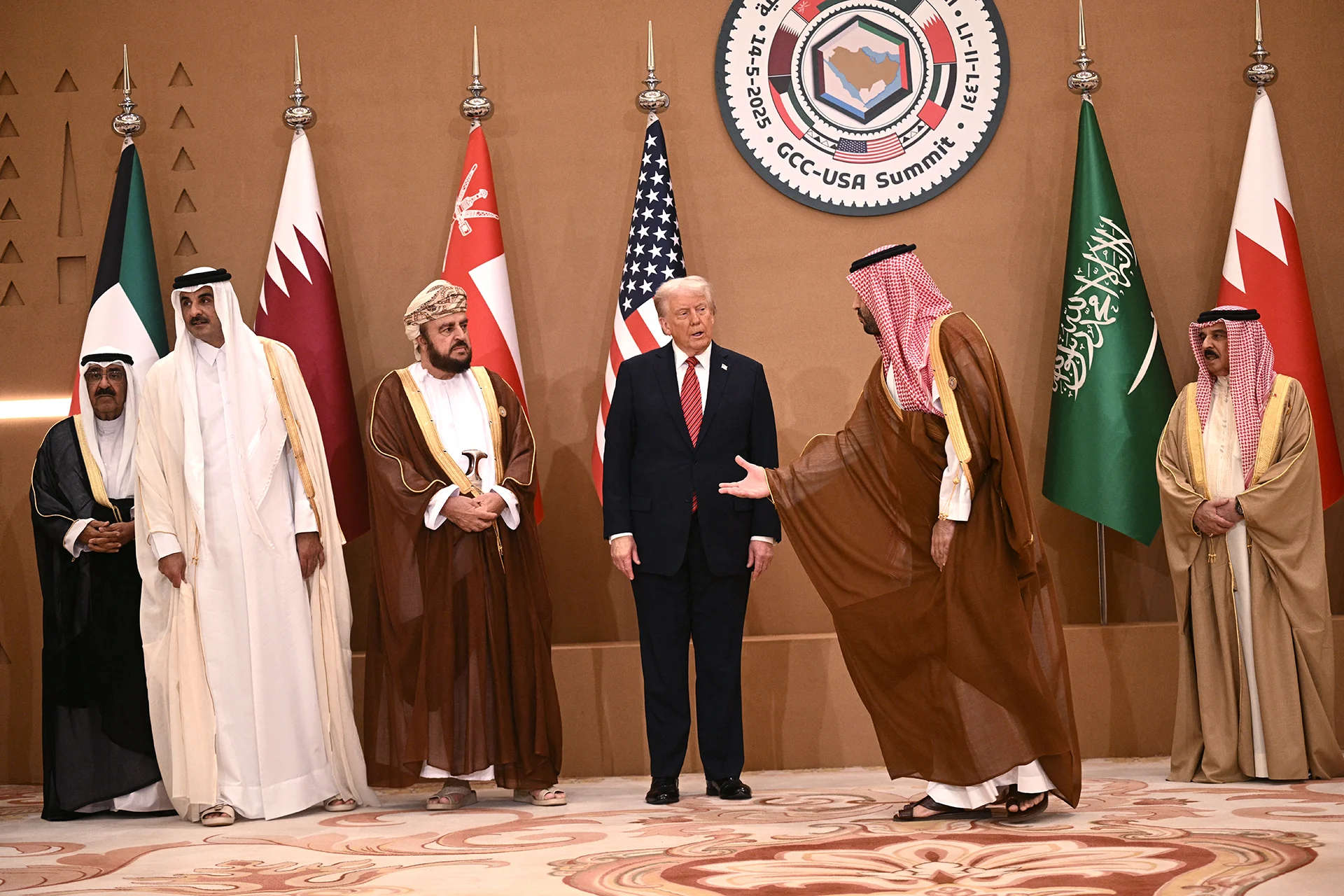
According to diplomatic reporting, the proposed arrangement would link the easing of economic sanctions against Iran to the reopening of the Strait of Hormuz within four days. It would also seek the withdrawal of substantial Houthi forces from positions inside Yemen as part of a wider effort to reduce regional tensions.
The discussions involve several influential regional powers, including Saudi Arabia, Turkey, Pakistan and Iran, while Oman has emerged as a prominent advocate of a broader regional security framework. The United States is aware of the diplomatic efforts but is reportedly seeking additional concessions from Tehran, particularly concerning international inspections of its nuclear facilities.
The initiative illustrates the increasingly interconnected nature of the region’s conflicts. Negotiations over maritime security, nuclear concerns, economic sanctions and the war in Yemen are being brought together in an attempt to establish a settlement that addresses the principal security interests of several governments simultaneously.

However, significant disagreements remain. Iran wants reliable guarantees that sanctions will be lifted before it makes major concessions, while Western governments consider greater transparency over its nuclear programme essential to any lasting agreement.
The Strait of Hormuz is one of the world’s most important maritime routes, connecting the Persian Gulf with the Gulf of Oman and the wider Arabian Sea. A substantial share of internationally traded oil and liquefied natural gas passes through this narrow waterway, making its security essential to global energy markets.
Any prolonged disruption could increase shipping costs, raise insurance premiums and push energy prices higher. Countries that depend heavily on imported fuel would be particularly exposed, while oil-exporting economies could face uncertainty over their ability to deliver supplies to international customers.
The proposed agreement seeks to address this risk by establishing a timetable for reopening the strait in exchange for sanctions relief. Iran has reportedly shown some flexibility by reducing its proposed reopening period from seven days after the lifting of economic sanctions to four days.
Ali Bagheri, deputy secretary of Iran’s National Security Council, was reported to have outlined the revised position as part of Tehran’s efforts to advance negotiations.
The change could provide a basis for further discussions, but the sequence of commitments remains a major obstacle. Iran wants assurances that sanctions relief will be delivered, while the United States is likely to seek verifiable evidence that maritime access will be restored and remain secure.
The parties would also need to clarify how compliance would be monitored, what would happen if either side failed to fulfil its commitments and whether sanctions would be lifted in stages or through a broader agreement.
Without a credible mechanism to enforce the arrangement, the proposed timetable could become another source of disagreement.
Although Gulf governments are concentrating on preventing renewed conflict and restoring regional stability, Washington reportedly wants Iran to address concerns about its nuclear programme before a comprehensive agreement can be reached.
European diplomats believe that allowing United Nations weapons inspectors to return to Iran and visit nuclear facilities damaged by previous strikes could represent a minimum requirement for a breakthrough with US President Donald Trump.
British Foreign Secretary Ed Miliband reportedly raised the issue during a meeting in New York with Iranian Foreign Minister Abbas Araghchi. Miliband urged Tehran to permit the return of international inspectors, but Iran has so far resisted the proposal, maintaining that it is prepared to discuss its nuclear programme in principle rather than accept the conditions sought by Western governments.
Access to nuclear sites would be significant because inspectors could help establish the status of facilities, examine available evidence and assess outstanding questions about Iran’s nuclear activities.
The extent of access, the authority under which inspections would occur and the security arrangements surrounding damaged sites would nevertheless require negotiation.
For Washington and European capitals, nuclear verification is closely connected to the credibility of any agreement. Sanctions relief without meaningful oversight could face political opposition, while Iran may regard inspections as an unacceptable concession if it receives no dependable economic benefits in return.
Tehran’s negotiating strategy appears to place economic sanctions and maritime security at the forefront. Western governments, meanwhile, are seeking to ensure that a deal addressing the immediate risk of war does not leave nuclear concerns unresolved.
Bridging that gap will be one of the most difficult tasks facing the negotiators.
The diplomatic initiative extends beyond the immediate confrontation between Washington and Tehran. Saudi Arabia, Turkey and Pakistan have reportedly sent a high-level delegation to Iran to discuss conditions for ending the conflict in Yemen and developing a longer-term regional security arrangement.
The discussions reflect an effort to prevent individual conflicts from triggering wider confrontations involving several Middle Eastern states.
Iran has long sought greater regional recognition and an end to its political isolation. A non-aggression arrangement involving Gulf countries could offer Tehran a route towards improved relations with its neighbours while creating new opportunities for economic cooperation.
The broader proposal would involve the Gulf states and Iran in a regional framework intended to reduce the risk of military confrontation. It could also envisage a reduced or eventually diminished US military presence in the Middle East, an objective that Iran has repeatedly supported.
Such an arrangement would require substantial compromises from all sides. Gulf governments would need confidence that Iran would respect their territorial security, while Tehran would seek assurances that neighbouring countries would not support military action against it.
The United States would also have to determine whether the proposed framework could protect its strategic interests, support regional partners and reduce the likelihood of future conflict.
Oman has played an important role in promoting dialogue between countries that have often struggled to maintain direct diplomatic communication.
Omani Foreign Minister Badr Albusaidi expressed optimism that the region could move towards a more inclusive security arrangement, arguing that peace and renewed economic engagement would create substantial opportunities for countries inside and outside the Middle East.
His comments suggest that supporters of the initiative view it as more than a temporary ceasefire. They hope it could establish a foundation for a different regional order in which security is pursued through negotiated commitments rather than continuing confrontation.
The war in Yemen remains a major obstacle to regional stability. The Houthi movement controls significant territory in the country and has received support from Iran, although the precise nature and extent of that relationship have been the subject of international scrutiny.
The proposed peace initiative reportedly includes the withdrawal of substantial Houthi forces from positions inside Yemen. Such a commitment could help reduce the threat of further escalation and create space for renewed political negotiations.
However, the Houthis have their own objectives and are unlikely to accept an arrangement that they regard as undermining their military or political position.
The movement has demanded that Saudi Arabia lift what it describes as a naval and air blockade on Houthi-controlled territory. Restrictions affecting ports, airports and the movement of goods have been central points of contention in the conflict.
Any comprehensive agreement would therefore need to address both military deployments and the movement of humanitarian supplies, commercial goods and other essential imports.
Iran’s willingness to engage with Houthi representatives could be important because Tehran may have the ability to encourage the movement to consider compromises. Nevertheless, Iranian influence should not be mistaken for complete control over Houthi decision-making.
According to the reported diplomatic developments, Mohsen Rezaei, Iran’s secretary of the Supreme National Security Council, met Ibrahim al-Dulaimi, the Houthi ambassador to Iran, on Tuesday.
The meeting took place shortly after the regional delegation’s visit to Tehran, suggesting that discussions about Yemen are becoming part of the broader diplomatic effort.
A durable settlement would require more than a withdrawal of forces. It would also need political arrangements capable of addressing Yemen’s internal divisions, improving civilian security and creating conditions for reconstruction.
Without progress on those issues, military de-escalation could prove temporary.
For Iran, sanctions relief is a central element of the proposed agreement. International restrictions have placed substantial pressure on the country’s economy, affecting trade, investment, financial transactions and access to international markets.
Tehran is seeking assurances that any commitments it makes will produce tangible economic benefits. From its perspective, reopening the Strait of Hormuz without dependable sanctions relief could leave it exposed to continuing economic pressure while surrendering an important source of negotiating leverage.
For the United States, sanctions remain a major instrument of foreign policy. Washington would need to establish how relief could be granted without compromising its objectives on nuclear oversight and regional security.
Possible arrangements could involve phased measures linked to verified commitments, although the precise structure of the proposal has not been established by the reported discussions.
A successful agreement could create opportunities for expanded regional trade, investment in infrastructure and improved energy-market stability. It could also encourage greater cooperation between Iran and Gulf economies that have traditionally been separated by political mistrust.
However, the economic benefits would depend on whether governments and businesses believed the settlement was durable. Investors are unlikely to make substantial long-term commitments if the risk of renewed military action remains high.
The possibility of lower shipping risks and more predictable energy supplies could also benefit countries in Asia, Europe and Africa that depend on Middle Eastern trade routes.
For import-dependent economies, including many developing countries, greater stability in oil prices could ease pressure on transport costs, electricity generation and consumer prices.
Iranian officials appear to be considering not only how to prevent another confrontation but also how the region might be organised after the immediate crisis.
Araghchi reportedly stressed the importance of a postwar security agreement during a televised appearance in Iran, indicating that Tehran’s regional policy would remain focused on the broader security question whether or not another war occurred.
This position reflects Iran’s interest in securing a more accepted place within the regional political system.
A framework that includes all six Gulf Cooperation Council states alongside Iran could create regular channels for diplomatic engagement and crisis management. It might also provide mechanisms for addressing disputes before they escalate into military confrontation.
Yet the differences between the parties remain considerable. Gulf states have their own security partnerships, and several continue to rely on cooperation with the United States. Iran’s preference for reducing the American military presence may therefore encounter resistance.
The nuclear issue presents another fundamental challenge. Even governments that favour regional de-escalation may be unwilling to support a settlement that leaves unresolved questions about Iran’s nuclear activities.
The negotiations must consequently reconcile Iran’s desire for strategic recognition with its neighbours’ demands for reliable security guarantees.
The Gulf-led initiative offers a possible route away from another US-Iran confrontation, but its success will depend on whether the parties can convert broad political objectives into verifiable commitments.
The reopening of the Strait of Hormuz, sanctions relief, international nuclear inspections and a reduction in Houthi military activity involve different legal, political and security considerations. Bringing them together may increase the potential benefits of an agreement, but it also creates more opportunities for negotiations to stall.
The United States must decide what concessions would be sufficient to prevent renewed military action. Iran must determine whether the promised economic and diplomatic benefits justify compromises on maritime security and nuclear oversight. Regional governments must also establish whether a wider security framework can accommodate their differing interests.
For Yemen, the initiative could offer an opportunity to reduce fighting, but a sustainable peace would require a political process that includes the country’s principal stakeholders.

The coming days will be important in determining whether the revised four-day timetable for reopening the strait can form part of a credible arrangement. Until the parties publicly agree on the terms and establish mechanisms for verification, the proposal remains a diplomatic effort rather than a completed peace deal.
Nevertheless, the discussions indicate that regional governments are increasingly concerned about the consequences of another war and are willing to explore a broader settlement.
If the initiative succeeds, it could reduce immediate military risks while opening the door to a more stable system of regional cooperation. If it fails, disagreements over sanctions, nuclear inspections and Yemen could once again push the region towards confrontation, with consequences extending well beyond the Middle East.
For now, the central challenge is to turn a shared desire to avoid war into an agreement that all sides consider credible, enforceable and worth maintaining.
Related News:
 Iran Awaits Trump Response on Seven-Day Hormuz Plan
 Middle East Crisis Escalates as Oil Routes Shake Markets
 Houthis Strike Saudi Arabia as Middle East Tensions Rise
 Trump Calls Strait of Hormuz ‘American Territory’
 Trump Faces Iran War Crisis Before Midterm Vote
 Trump announces major US oil deal with Venezuela
 Saudi Arabia Shuts Oil Pipeline After Drone Attack
 Netanyahu faces protests and pressure at UN
 Israeli Settlers Assault Palestinian Photographer
 Tanker Attacked Near Qatar as Hormuz Tensions Escalate
 Palestinian Parties Gain Power in Israel’s Election
 UK Prepares Aircraft Carrier for Middle East Crisis
 Ukraine Urges UK to Seize Russian Oil Tankers
 US Calls Australia Media Law “Foreign Extortion”
 Oil Prices Surge Above $120 Amid Iran Blockade Fears
 Activists allege abuse after Gaza flotilla seizure
 Global order shifts amid Trump-era turmoil
 Tensions Emerge in Netanyahu-Trump Alliance
 Putin Declares Russia Victory at Scaled Victory Day Parade
 Hunger increasingly weaponised in global conflicts
 Former ICC prosecutor condemns US sanctions
 Taliban global ties grow as rights fears mount
 Russian Missiles Intensify Pressure on Kyiv
 Former Diplomats Urge UK and France to Act on Palestine
 Trump Hardens Canada Trade Stance as Talks Stall
 Trump Calls Iran War ‘Small Potatoes’ Despite US Deaths
 UN expert urges UK to rethink Israel policy
 Nearly 50,000 Flee as Houthis Advance in Yemen
 South Korea Rules Out Military Role in Iran War
 Saudi Pact Raises Risk of Pakistan Entering War
 Saudi intercepts Houthi missiles as oil fears grow
 South Korea-Ukraine Row Erupts Over North Korean POWs
 Pilot and Passengers Help Save Flydubai Flight
 New Maps Reveal Gaza’s Vast Destruction
 Ukraine’s New FP-7 Missile Makes Combat Debut
 Three Years On, October 7 Survivors Face Lasting Trauma
 Yemen Conflict Escalates as Houthis Expand Their Front
 Vance Demands Iran Cut Nuclear Enrichment
 Israel Marks Three Years Since October 7 Attack
 Oil Shock Sends Markets Lower as Middle East Risks Grow
 Israel Promotes Film Challenging Controversial Gaza Documentary
 Turkey Rules Out Troops in Saudi Arabia’s Houthi Conflict
 Trump Rules Out Iran Attack Before US Elections
 Australia Rejects Russian Fuel as Trump Strikes Deal
 Riyadh Airport Hit Again as Yemen Conflict Escalates
 UK Urges Interpol to Reject Argentina’s Falklands Arrest Requests
 Serbia Leader Linked to Controversial Trump Tower Plan
 Trump Slams Ukraine Strikes as Russia Ceasefire Collapses
 Japan’s Takaichi Faces a Crucial Second Year in Power
 Netanyahu Faces Defining Election Test as Israel Divides
 Canada Passes Carney’s First Budget in Tight Parliamentary Vote
 Iran unrest slows under brutal crackdown and global tensions
 Thousands Protest ICE Operations in Nationwide US Day of Action
 Ukraine war briefing: Zelenskyy offers help to Saudi Crown prince on combatting Iranian drones
 Iran Defiance Grows Amid US-Israel War Pressure
 Injured Mojtaba Khamenei Elevated as Iran Leader
 Trump to Deploy “God Squad” Over Gulf Wildlife Protections
 Iran Drone Strike Hits Kuwaiti Oil Tanker in Dubai Port
 Trump orders US troop pullout from Germany
 Trump approval plunges amid Iran war fears
 Trump Announces 3-Day Russia–Ukraine Ceasefire Deal
 US Awaits Iran Reply on New Ceasefire Proposal
 Discontent grows around Putin amid war strain
 Grief and Devotion Amidst the Rubble of Nabatieh
 Ukraine Creates Long-Range Strike Command
 Swedish Mining Push Puts Sami Land Rights Under Pressure
 UK plans tougher Israel stance with settlement trade ban
 Xi urges Trump to avoid US-China military conflict
 South Korea demands apology over DMZ mine blast
 Burnham Opens Door to Possible UK Return to EU
 US Sends Third Carrier to Middle East
 UK Diesel Reaches £2 as Inflation Surges Across Europe
 Yemen government launches offensive against Houthis
 Canadian Veterans Condemn Trump Allies’ Military Remarks
 South Korea Probes Fuel Shipments to Russia
 UK Mission in East Jerusalem to Remain Open
 Houthi Missile Claim Sparks Riyadh Airport Disruption
 Trump’s Russian Diesel Deal Sparks Ukraine Fury
 Brazil Court Scandal Threatens Lula as Bolsonaros Rise
 UK Could Rejoin EU Through a Switzerland Plus Deal