Published: 31 October 2026. The English Chronicle Desk. The English Chronicle Online
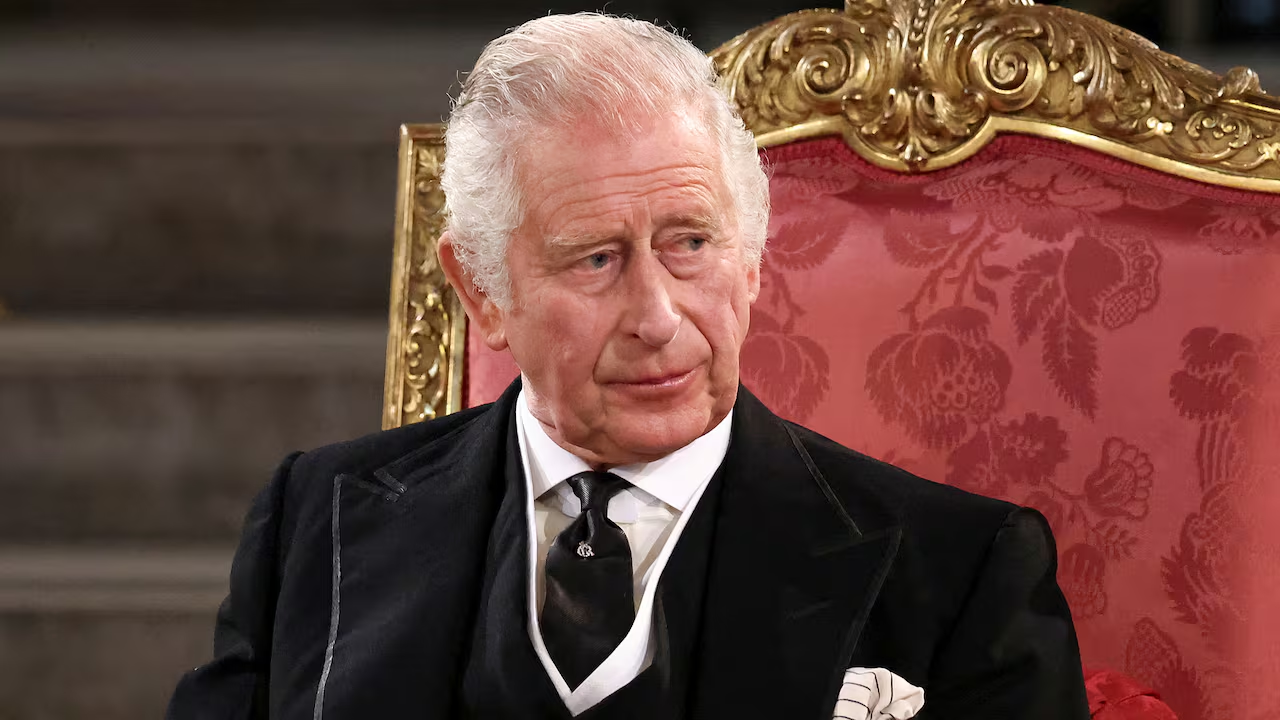
King Charles and British Prime Minister Andy Burnham are expected to face mounting protests and renewed demands for slavery reparations as Commonwealth leaders prepare to gather in Antigua for a major summit next week. Activists, historians, Caribbean political representatives and campaign organisations are using the international meeting to intensify pressure on Britain to acknowledge its historical involvement in the transatlantic slave trade and address the lasting consequences of centuries of enslavement and colonial rule.
The issue is expected to dominate public debate around the Commonwealth Heads of Government Meeting (CHOGM), which brings together leaders from 56 member countries. Although reparations are not expected to feature as a dedicated item on the official summit agenda, campaigners are determined to ensure that the question of historical responsibility remains at the centre of discussions. Demonstrations, public vigils, international meetings and cultural activities are being organised to communicate a clear message: Caribbean communities want recognition, an apology and meaningful action.
Across Antigua’s capital, St John’s, the campaign is expected to become increasingly visible as the summit approaches. Billboards, placards, T-shirts and public messages are being prepared with demands directed towards the British monarchy and government. One of the central slogans being used by demonstrators is, “The royal family enslaved us! Apologise now! Reparatory justice now!” Campaigners also plan to hold a candlelight vigil remembering the thousands of Africans who were forcibly transported to Antigua and Barbuda during the transatlantic slave trade.

For many campaigners, the gathering represents an important opportunity to confront a historical issue that they believe has remained unresolved for generations. They argue that the economic and social structures created through slavery and colonial exploitation continue to influence inequality, development and racial discrimination across Caribbean societies.
James Knight, a representative of Citizens for Reparatory Justice, one of the organisations involved in organising demonstrations, said protests had become necessary following statements from the British government and the monarchy indicating that there would be no formal apology or financial reparations. He described the position as deeply disappointing, particularly because the announcement came ahead of a Commonwealth meeting hosted in a region where demands for historical recognition have been growing for years.
Knight argued that campaigners had repeatedly requested meaningful discussions about reparatory justice and considered the British position insensitive to the experiences of Caribbean communities. He said the demonstrations were intended to make clear that the issue could not simply be ignored during the summit.
However, Burnham has recently offered a position that may create some room for further discussion, although it falls short of the demands made by campaigners. In an article published on Friday, the British prime minister proposed a structured dialogue with communities affected by the transatlantic slave trade. He also indicated that listening to calls for a formal apology on behalf of the British state would form an important part of that process and said he was open to such discussions.
His remarks represent a notable development in the British political debate because they acknowledge the need to listen directly to communities seeking recognition of historical suffering. Nevertheless, Burnham maintained that people living in Britain today should not be held personally liable for historical wrongdoing. His position therefore stops short of accepting financial responsibility or committing the government to reparations.
The distinction between acknowledging historical injustice and accepting legal or financial liability remains one of the central disagreements between Britain and Caribbean campaigners.
The Commonwealth summit is expected to provide a platform for a wider range of organisations working on reparatory justice. Representatives from the Repair Campaign, the British legal firm Leigh Day, the Open Society Foundations, the African philanthropic organisation TrustAfrica and the UK’s all-party parliamentary group for Afrikan reparations are among those expected to participate in discussions outside the main gathering.
Campaigners are also planning a beach vigil to remember enslaved Africans and the launch of a global reparations caravan. Organisers describe the initiative as an international movement combining advocacy, demonstrations and cultural activities to raise awareness of the historical consequences of slavery and encourage governments to consider appropriate forms of redress.
The Caribbean Community, known as Caricom, has played a central role in advancing the regional reparations campaign. Its reparations commission has spent years developing proposals intended to establish a framework for addressing the consequences of slavery and European colonialism.
Hilary Beckles, chair of the Caricom Reparations Commission and vice-chancellor of the University of the West Indies, has described the Antigua gathering as an important moment for the movement. He has called it the “Chogm of reparations” and suggested that it could represent the beginning of a new phase of negotiations.
Beckles believes reparatory justice is among the most important concerns for Caribbean countries attending the summit. He has argued that the absence of a formal reparations session on the official programme does not reduce the significance of the issue or the determination of regional leaders to raise it.
However, the Caribbean countries have faced difficulties in securing a unanimous Commonwealth position on advancing discussions about historical harms caused by the transatlantic slave trade. An attempt to obtain agreement among foreign ministers for structured, inclusive and good-faith dialogue did not secure the necessary unanimous support.
Despite that setback, Caribbean leaders are expected to raise the matter during private discussions with their international counterparts. Campaigners believe that continued diplomatic engagement, alongside public pressure, could gradually create conditions for more substantive negotiations.
The British monarchy has also sought to distinguish the responsibilities of the sovereign from those of the elected government. In a letter to Dorbrene O’Marde, chair of the Antigua and Barbuda Reparations Support Commission, Buckingham Palace indicated that questions concerning Britain’s official reparations policy were matters for the British government.
The correspondence followed concerns raised by O’Marde about statements rejecting apologies from both the government and the monarchy. He criticised what he viewed as an unwillingness to accept historical responsibility despite previous expressions of concern about the suffering caused by slavery.
O’Marde argued that public acknowledgements of historical suffering needed to be followed by practical measures. He expressed frustration that discussions about the past had not produced meaningful progress towards formal recognition and negotiations.
The campaign has gained additional international attention following developments within the United Nations. In March, a UN resolution describing the trafficking and racialised chattel enslavement of Africans as the gravest crime against humanity received support from 123 countries. Campaigners regard the resolution as an important international recognition of the historical scale and seriousness of the crimes associated with slavery.
In August, the UN Committee on the Elimination of Racial Discrimination also issued a recommendation concerning the continuing consequences of the transatlantic slave trade and colonialism. Verene Shepherd, vice-chair of the Caricom Reparations Commission and a professor of social history at the University of the West Indies in Jamaica, was involved in developing the international initiatives.
Shepherd has argued that historical crimes do not lose their significance simply because generations have passed. She believes that the consequences of slavery remain visible in present-day inequalities and racial discrimination affecting African and Caribbean communities.
She described the international recommendations as important steps towards addressing historical injustice, emphasising that the campaign is grounded in historical evidence and international legal principles.
A central element of the Caricom reparations movement is its demand for a full and formal apology. The commission’s manifesto and 10-point plan sets out what it describes as the moral, ethical and legal arguments for reparations for the enslavement of African people. A formal apology occupies the first position in the proposed framework.
For Shepherd, an apology would represent more than an expression of regret. She argues that it would acknowledge responsibility for historical crimes, recognise the suffering experienced by enslaved men, women and children, and establish a commitment to preventing similar injustices in the future.
Campaigners also believe that a formal apology could create the foundation for negotiations over wider reparatory measures. These could involve discussions about the long-term economic, educational, social and institutional consequences of slavery and colonial exploitation.
The issue has also developed through legal channels. In September, Jamaican officials submitted a significant petition to King Charles seeking legal consideration of the country’s claim for slavery reparations. The matter is expected to be heard by the Privy Council in March, potentially bringing another important legal dimension to the international debate.
Public opinion across the Caribbean, however, reflects different expectations about what meaningful reparatory justice should involve. In Guyana, where King Charles spent Thursday and Friday during his Caribbean tour, visual designer Ron ChangYuen questioned the value of royal visits if they did not lead to concrete progress.
He suggested that unless the monarchy could help move the discussion towards meaningful outcomes, the visits risked becoming largely symbolic.
Dramatist Deandra Daniels expressed a similarly strong position, arguing that an apology alone would not address the generational trauma associated with slavery. She believes the British monarchy and government must consider wider responsibilities because of the historical wealth and influence accumulated through systems that exploited her ancestors.
These perspectives demonstrate that the reparations campaign is not simply seeking an expression of regret. Many campaigners want discussions to address the continuing economic and social consequences of historical exploitation, including inequalities that they believe cannot be separated from the legacy of slavery.
King Charles’s presence at the Commonwealth summit is therefore expected to attract considerable public attention. His previous comments acknowledging the suffering caused by slavery and expressing support for discussions about historical injustices have been welcomed by some campaigners. Nevertheless, activists remain dissatisfied with the absence of a formal apology or a clear commitment to reparatory action.

The coming summit could become an important moment in the relationship between Britain and its Caribbean partners. While there is no guarantee that the gathering will produce an agreement, the planned demonstrations and diplomatic discussions are likely to place renewed pressure on Commonwealth leaders to address an issue that has remained unresolved for generations.
For Caribbean communities, the demand for reparations is closely connected to historical recognition, dignity and the pursuit of greater equality. For the British government, the challenge lies in responding to those demands while maintaining its position on historical liability.
As King Charles and Burnham prepare to meet Commonwealth leaders in Antigua, the question of slavery reparations is emerging as one of the most significant issues surrounding the gathering. Campaigners are determined to ensure that their demands are heard, while Caribbean leaders face growing expectations to translate longstanding calls for justice into meaningful international discussions.
The summit may not settle the reparations debate, but it is likely to test the willingness of Britain and other Commonwealth countries to engage with one of the most difficult and enduring questions in their shared history.
Related News:
 King Refers Jamaica Slavery Petition to Privy Council
 UK Pauses Chagos Deal Amid US Opposition
 Burnham Opens Door to Possible UK Return to EU
 Drumcree Talks Falter as Legal Challenge Deepens
 UK-France Returns Deal Faces Expiry as Talks Stall
 Navi Pillay Wins Nobel Peace Prize for Justice
 Controversial Vaccine Trial Approved in Guinea-Bissau
 Farage Rejects Claims Reform Would Let Troops Shoot Migrants
 Suu Kyi Appears in Rare Photos After Royal Gift
 UK Aid Set to Fall Short of Reduced 2027 Target
 King Charles Faces Caribbean Slavery Apology Demands
 King Charles Faces Calls for Slavery Reparations Talks
 UK and EU Signal Fresh Push for Defence Cooperation Talks
 Charles Faces Trump Test in High-Stakes US Visit
 UK may ban protests amid rising antisemitism fears
 Farage and Reform UK Reshape British Politics
 Starmer Leadership Under Pressure After Setbacks
 Le Pen’s Popularity Holds Despite Conviction
 Exeter Approves Saudi Military Training Partnership
 Green Leader Targets Starmer’s Former Seat
 Masked Protesters Bring Dover Port Traffic to Standstill
 UN expert urges UK to rethink Israel policy
 UK plans tougher Israel stance with settlement trade ban
 Miliband Rejects Chief Rabbi’s West Bank Warning
 Patriot Platform Raises Concern Across Britain
 Reform UK Receives Record £36m Donation From Crypto Billionaire
 Election Candidate Abuse Raises Alarm in England
 Mahmood Warns Far Right Over Asylum Protests
 Disabled Travellers Seek Fairer UK Care Rules
 Lib Dems Prepare for Election Amid Reform Challenge
 Briton Faces Cyprus Court Over Son’s Fatal Fall
 UK Reviews Hague Child Abduction Cases Involving Abuse
 Elif Eralp Emerges as Berlin’s Next Political Force
 Far-Right Activist Arrested After Channel Dinghy Incident
 Portadown protest ends after tense Orange Order standoff
 Free Speech Emerges as Key UK Election Issue
 Three Die in Channel Crossing Attempt Near France
 French Student Protests Escalate Into Violent Clashes
 Green Party faces dispute over Zionism motion
 Drumcree Talks End Without Agreement Ahead of Appeal
 Badenoch Raises Prospect of 2027 UK Election
 French School Protests Escalate as 400 Schools Close
 Latin America women fear rollback of rights
 Gosport Protesters Clash With Police Over Migrant Rescue
 Palace Rejects Funding Andrew’s Police Legal Challenge
 UK Mission in East Jerusalem to Remain Open
 Labour Wins Key London By-election as Greens Fall Short
 South Africa Withdraws Directive on Asylum Applications
 Burnham Rises as Farage and Polanski Face Setbacks
 Labour Beats Greens in Crucial London By-election
 Trump Attacks Norway After Nobel Peace Prize Snub
 Delhi Detains Protest Leaders as Youth Rally Escalates
 UK Gaza Refugee Route Criticised Over False Hope Claims
 UK Greens Face Crisis Over Zionism and Extremism Row
 Ohio Airports Become Key Hubs for ICE Deportation Flights
 England and Wales Begin Second Wave of Early Prison Releases
 UK Urges Interpol to Reject Argentina’s Falklands Arrest Requests
 Brazil Cuts Working Week to 40 Hours in Lula Election Boost
 Gadi Eisenkot: Israel’s Anti-Netanyahu Challenger
 Talarico Faces Tough Voter Test in Texas Senate Race
 UK Could Rejoin EU Through a Switzerland Plus Deal
 UK Visa Refusal Threatens Baby’s Family Christmas
 Macron Condemns Violence as France Faces 2,400 Arrests
 Alberta Referendum Exposes Deep Divisions Over Independence
 UK Pledges Stronger Protections for Disabled Air Passengers
 Zelenskyy Accuses US of Delaying Ukraine Missile Supplies
 Fifth Foreign Firm Withdraws From Jerusalem Cable Car Plan
 Liechtenstein Prince Exercises First Veto of Reign to Block Abortion Reform
 Milan Braces for Unrest as Debate Intensifies Over Lost Generation
 Greens Face Leadership Test as Jordon Steele-John Misconduct Claims Leave Party in Limbo
 MoD Seeks Out-of-Court Resolution in LGBT Veterans Compensation Fight
 Briton Faces Deportation from Sweden and Separation from Infant Son
 US Midterms Could Reshape Trump’s Second Term
 Serbia’s Student Victory Sparks a ‘Smell of Freedom’
 Trump’s Midterm Campaign Faces Racism and Political Backlash
 UK Land Registry Plan Faces Opposition From Landowners
 Campbell Urges Australia to Defend Democratic Politics
 Albania Introduces $6,000 Fines for Violent Protests
 Montenegro Embassy Sparks London Neighbourhood Legal Row
 Ministers Clash Over Mahmood’s Migration Reforms