Published: 31 October 2026. The English Chronicle Desk. The English Chronicle Online
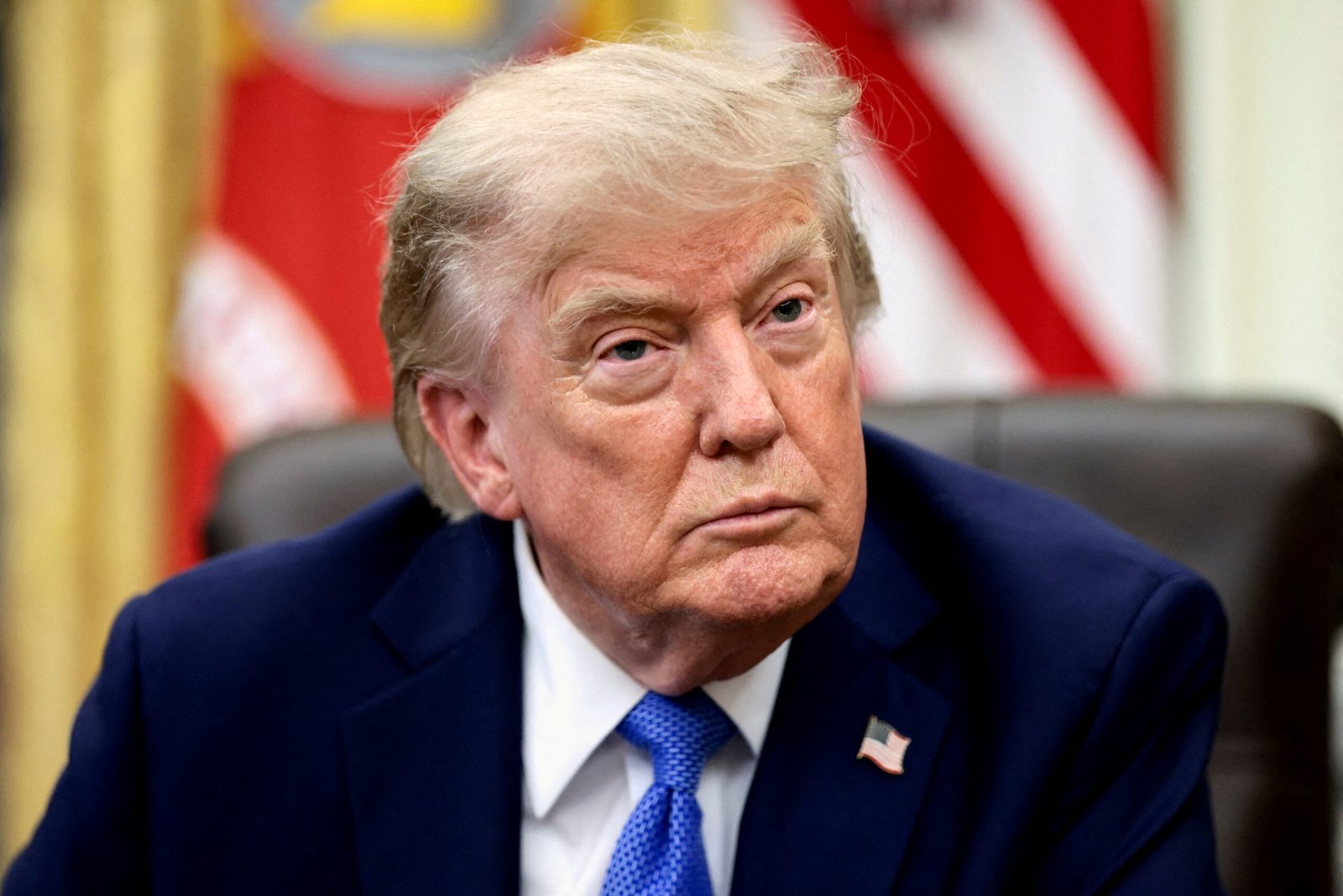
The international political landscape is facing growing uncertainty as conflicts across the Middle East, Europe and other regions become increasingly interconnected, raising questions about the future of diplomacy and the ability of global institutions to prevent further instability. US President Donald Trump’s foreign policy decisions, particularly Washington’s involvement in the conflict with Iran and its changing approach towards Ukraine and Russia, have intensified concerns among international leaders about the reliability of American leadership and the consequences of unilateral decision-making.
From the Persian Gulf to the battlefields of Ukraine, the consequences of geopolitical decisions are increasingly crossing national borders. Rising energy prices, disrupted trade routes, economic uncertainty and growing security concerns are placing pressure on governments far beyond the immediate areas of conflict. Against this background, several countries are reconsidering their dependence on the United States and exploring ways to strengthen their own diplomatic, economic and security arrangements.
The debate has become particularly significant because the international system is experiencing several overlapping crises. Political instability in the Middle East, Russia’s continuing war against Ukraine, tensions surrounding Gaza and growing competition among major powers are creating a complicated environment in which decisions taken in one region can quickly affect developments elsewhere.

Indian External Affairs Minister Subrahmanyam Jaishankar recently highlighted this interconnected reality, arguing that globalisation has made international security increasingly indivisible. He warned that war in one part of the world could threaten peace everywhere, reflecting the growing recognition that national security and economic stability cannot be separated from international developments.
The consequences of this interconnectedness were also acknowledged by Tom Barrack, US President Donald Trump’s envoy to Turkey and an adviser on Middle Eastern affairs. Speaking in Doha, Barrack admitted that the war against Iran, launched by the United States and Israel in late February, had produced unexpected consequences that extended far beyond its original objectives.
He compared the expanding conflict to small campfires turning into a forest fire, illustrating how military intervention in one area can trigger a wider chain of instability. Describing the Middle East as a complicated puzzle, he explained that changing one element could unexpectedly alter the entire regional balance.
Barrack acknowledged that the conflict had spread through several regional actors, including Hamas, Hezbollah, Iranian-backed militias and Yemen’s Houthi movement, with concerns extending towards North Africa. He also questioned whether American intervention had ultimately helped or harmed the situation.
His comments highlighted a wider problem confronting international diplomacy: military operations designed to achieve specific objectives can produce consequences that become increasingly difficult to control.
The roots of the current crisis, however, extend beyond the decisions of any single administration. International relations expert Charles Kupchan argues that the global order is undergoing profound structural changes. Power is becoming more widely distributed among countries, traditional centres of influence are weakening, and competition between major powers is intensifying.
At the same time, technological transformation is changing economic relationships and creating social pressures within individual countries. These developments are influencing domestic politics as well as international relations, making global cooperation more difficult.
Trump’s political rise can therefore be viewed within a wider transformation of international politics. Nevertheless, the decisions taken by the American president have become particularly consequential because of the United States’ enormous military, economic and diplomatic influence.
The war involving Iran has emerged as one of the most significant developments in this changing environment. According to the analysis presented by diplomatic observers, an agreement concerning Iran’s nuclear programme may have been within reach during negotiations mediated by Oman before military operations began.
Oman’s foreign minister, who participated in mediation efforts between Washington and Tehran, has indicated that an understanding on the central nuclear issue was possible before the bombing started. The breakdown of that diplomatic opportunity has raised questions about whether negotiations could have prevented the wider conflict.
The economic consequences have been substantial. Disruptions around the Strait of Hormuz, one of the world’s most strategically important waterways for energy transportation, have created additional pressure on international oil markets. Iran’s ability to use the passage as a strategic bargaining instrument has increased uncertainty for energy-importing countries.
Brent crude oil prices reached approximately $117 per barrel, around 50 per cent above pre-war levels, according to the figures cited in the analysis. Global inflation also rose to around 4 per cent, demonstrating how military conflict can affect household expenses and economic conditions across distant regions.
Saudi Arabia has faced particular economic challenges. The International Monetary Fund forecast that the kingdom’s economy would contract by 3.3 per cent, representing a substantial downgrade from the 1.7 per cent growth projection issued in July. On 30 September, the Saudi government also increased its projected 2026 budget deficit to $65.3bn, approximately 48 per cent above its original estimate.
These developments have complicated Saudi Arabia’s economic transformation plans, which depend on stable international trade, functioning transport infrastructure and reliable energy exports. The conflict has exposed the vulnerability of regional economies to security disruptions, even when they have substantial financial resources.
The military confrontation has also raised questions about Iran’s future political and security direction. Rather than producing a more stable political environment, the conflict appears to have strengthened hardline elements around the country’s new supreme leader, Mojtaba Khamenei. Concerns have also emerged about whether the confrontation could increase support within Iran for developing a nuclear weapons capability.
The Islamic Revolutionary Guard Corps has reportedly adjusted its defence doctrine to include the possibility of pre-emptive action against perceived threats, including targets beyond American military bases. Such developments could create additional security challenges for the United States and its regional partners.
Meanwhile, disagreements over the objectives of the American and Israeli military campaigns have added to concerns about the direction of the conflict. Israel’s Prime Minister Benjamin Netanyahu has reportedly favoured broader efforts to undermine Iran’s governing system, while Washington’s stated central concern has focused on preventing Iran from obtaining nuclear weapons.
The differing priorities have raised questions about the strategic coherence of the military intervention and the possibility of achieving a sustainable political settlement.
The war has also created serious political difficulties for Trump at home. Rising energy costs, public dissatisfaction and questions about the objectives of the military campaign have weakened the administration’s ability to maintain public support. Former US secretary of state Dean Acheson once emphasised that the overwhelming majority of foreign policy work involved maintaining the domestic political support necessary to pursue it. Former secretary of state Henry Kissinger similarly argued that the effectiveness of foreign policy depended partly on its ability to secure public backing.
These principles have become particularly relevant as the administration faces criticism over its handling of the Middle East and Ukraine. Republican political strategist Karl Rove has expressed concern that Trump’s public communication during the conflict has failed to provide the reassurance expected from a wartime president, potentially creating difficulties for Republican candidates ahead of the US midterm elections.
As domestic pressure increased, Trump also intensified his criticism of Ukrainian President Volodymyr Zelenskyy. He attempted to shift attention towards Ukrainian attacks on Russian oil facilities, while suggesting that Kyiv was obstructing efforts to achieve peace.
Trump announced an energy truce lasting 60 days, although neither Zelenskyy nor Russian President Vladimir Putin had agreed to the arrangement. A subsequent understanding concerning the release of Russian diesel supplies was also criticised by observers who questioned whether it could significantly influence American energy prices.
Another source of disagreement involved Ukraine’s access to Starlink satellite communications, operated by Elon Musk’s SpaceX. The satellite network has become an important part of Ukraine’s military communications infrastructure, supporting battlefield coordination and other operations.
Restrictions affecting Ukrainian access to the service generated confusion about the respective responsibilities of SpaceX, the Pentagon and the White House. Different administration officials offered conflicting explanations, while Musk also disputed aspects of Ukraine’s use of the system. Although access was subsequently restored, the episode highlighted the risks associated with relying on privately controlled technology for critical national security requirements.
The incident has strengthened arguments within Europe that technological independence should become a strategic priority. European governments are increasingly concerned that dependence on American companies could leave essential communications and security infrastructure vulnerable to decisions made outside their control.
The European Commission has already proposed reserving a substantial share of the 2GHz satellite spectrum for European companies. Major telecommunications groups, including Deutsche Telekom, Orange, Vodafone and Telefónica, have shown interest in opportunities associated with the initiative.
European officials are also considering how to strengthen domestic satellite infrastructure and reduce dependence on foreign technology providers. The debate extends beyond telecommunications to include defence procurement, digital services and strategic industrial capabilities.
Former Canadian foreign minister Chrystia Freeland believes countries are gradually recognising the limitations of relying on personal relationships with the American president. She argued that some international leaders initially believed they could secure favourable treatment through personal flattery, expensive gifts and carefully managed diplomatic relationships.
However, the changing international environment has encouraged governments to reconsider whether such approaches can provide lasting protection for their national interests.
Europe’s relationship with Washington has become particularly complicated over Russia’s war against Ukraine. European leaders generally regard Russian military expansion as a major security concern, while Trump’s statements about Moscow and his willingness to explore economic cooperation with Putin have created significant differences across the Atlantic.
German Chancellor Friedrich Merz has expressed concern about Russia’s influence on European society, identifying the issue as a major challenge for his country. His comments reflect growing anxiety that political messaging about peace and economic cooperation with Moscow could influence domestic debates about the costs of supporting Ukraine.
French President Emmanuel Macron has also attempted to explain the connection between international conflict and domestic economic difficulties. Responding to demonstrations over rising fuel prices and living costs, Macron acknowledged that public frustration was understandable but pointed towards the conflict in the Persian Gulf as a significant source of economic pressure.
Polish Prime Minister Donald Tusk similarly acknowledged that fuel prices had become extremely expensive for ordinary citizens. He distinguished himself from the American president by arguing that responsibility for the international developments affecting energy costs rested with Trump rather than Poland’s domestic political leadership.
These developments illustrate how international conflicts are increasingly influencing political debates within European countries. Governments are being forced to explain how decisions taken thousands of kilometres away can affect household budgets, transportation costs and economic confidence.
The consequences are also becoming visible in the Middle East, where some governments are reconsidering their traditional dependence on American security guarantees.
Oman’s Foreign Minister Badr Albusaidi has proposed a Gulf security arrangement that would include Iran, a country viewed with considerable suspicion by several neighbouring states. The proposal represents a significant diplomatic possibility because it suggests that regional security might eventually depend more on cooperation among neighbouring countries rather than exclusive reliance on Washington.
Although the proposal faces substantial political and security obstacles, its significance lies in the willingness to consider a different regional arrangement. Countries that have traditionally depended on American military protection are increasingly examining whether broader diplomatic agreements could provide additional stability.
The idea also reflects a growing recognition that military confrontation alone cannot guarantee long-term security. Iran, Saudi Arabia and other regional powers have competing interests, but continued instability threatens their economies, infrastructure and populations.
Diplomatic initiatives involving regional countries could therefore offer an alternative route towards reducing tensions, even if reaching a comprehensive agreement remains difficult.
The wider challenge is that international institutions created after the Second World War are facing questions about their ability to manage contemporary conflicts. The United Nations, international diplomatic forums and multilateral organisations continue to provide platforms for negotiation, but disagreements among powerful countries frequently limit their effectiveness.
At a time when international cooperation is under pressure, governments must decide whether to strengthen collective diplomatic mechanisms or increasingly pursue individual national strategies. The latter approach may offer short-term flexibility, but it can also deepen mistrust and make international crises more difficult to resolve.
The growing interest in European technological independence, alternative Gulf security arrangements and regional diplomatic initiatives suggests that countries are beginning to consider a more diversified international system. These developments do not necessarily mean that traditional alliances will disappear, but they indicate that governments are becoming more cautious about depending entirely on a single powerful partner.
Ultimately, diplomacy requires more than statements of goodwill or temporary political agreements. It depends on sustained negotiations, mutual confidence, respect for international obligations and a willingness to recognise the legitimate security concerns of other countries.
The current crises demonstrate how quickly local conflicts can become international emergencies when political decisions are made without sufficient consideration of their wider consequences. Energy markets, military alliances, commercial shipping, digital infrastructure and domestic political stability are now closely connected.
For the United States, maintaining international influence will depend not only on military and economic power but also on the confidence other countries place in its commitments. For Europe and the Middle East, the challenge will be to develop stronger diplomatic and security arrangements without creating further divisions.

The coming months will therefore be important for international relations, particularly as governments navigate the consequences of the Iran conflict, the continuing war in Ukraine and growing competition among major powers.
Whether diplomacy can regain a central role will depend on the willingness of political leaders to move beyond confrontation and pursue practical agreements. As countries reassess their relationships with Washington and explore alternative partnerships, the international community faces an important choice between further fragmentation and renewed cooperation.
The future of global stability may ultimately depend on whether governments can rebuild trust in diplomacy and strengthen the institutions designed to prevent conflicts from spreading. In an increasingly interconnected world, no country can remain completely insulated from the consequences of international instability. Collective action, rather than isolated political decisions, may prove essential to restoring a more predictable and peaceful international order.
Related News:
 Xi urges Trump to avoid US-China military conflict
 Tanker Attacked Near Qatar as Hormuz Tensions Escalate
 Brazil Court Scandal Threatens Lula as Bolsonaros Rise
 Trump Rallies GOP as Senate Democrats Boost Key Races
 Meta Faces Election Bias Claims Ahead of Brazil Runoff
 US Awaits Iran Reply on New Ceasefire Proposal
 Hormuz Talks Near Critical Stage
 China mine blast death toll rises to 90
 Trump Refuses to Sign Housing Bill, But Law Takes Effect
 Trump Pledges $5,000 if Republicans Win Midterms
 Trump Threatens EU Over Canada Partnership Proposal
 US House Passes Russia Sanctions Bill Amid Debate
 AI Takes Centre Stage in Trump-Xi Talks
 Trump gives Xi red-carpet welcome as trade truce extends
 Saudi intercepts Houthi missiles as oil fears grow
 Trump Ads Trigger Fight Over Taxpayer Money
 US Senate Debates Turn Bitter as Midterms Near
 Trump’s Russian Diesel Deal Sparks Ukraine Fury
 Trump Targets Arizona and Montana Amid GOP Election Worries
 Brazil Cuts Working Week to 40 Hours in Lula Election Boost
 Serbia Leader Linked to Controversial Trump Tower Plan
 Trump Halts New Russia Sanctions Amid Ukraine Rift
Trump Falsely Questions Ossoff’s Election Legitimacy
 Trump Fears Shock Democratic Senate Win in Kansas
 Alberta Voters Reject Push for Canadian Independence
 Trump Pledges $400m to Boost Republicans in Midterms
 China’s AI Ambitions Hit $2.4 Trillion Market Setback
 US Bans BYD Vehicles at Japan Military Base
 Fed Expected to Hold Rates Steady Ahead of US Midterms
 Thousands Protest ICE Operations in Nationwide US Day of Action
 Southeast Asia Turns to Russia Amid Energy Crisis
 Judge halts deportation of Yemeni refugees in US
 Trump approval plunges amid Iran war fears
 Trump Threatens UN Budget Cuts as US Pushes ‘Trade Over Aid’ Agenda
 Trump warns Iran as Middle East tensions surge again
 Former ICC prosecutor condemns US sanctions
 Houthis Strike Saudi Arabia as Middle East Tensions Rise
 Trump Hardens Canada Trade Stance as Talks Stall
 Trump Calls Iran War ‘Small Potatoes’ Despite US Deaths
 UK plans tougher Israel stance with settlement trade ban
 Trump gives $45,000 holiday gifts to White House aides
 New Mexico Takes Facebook to Trial Over Data Scandal
 Saudi Arabia Shuts Oil Pipeline After Drone Attack
 Trump Threatens EU With Tariffs Over Canada Proposal
 Indonesia Receives First Aircraft Carrier
 Reform UK Faces Internal Debate Over £72m Spending
 US Networks Suspend Trump White House Pool Coverage
 Trump and Mamdani Hold Cordial Gracie Mansion Meeting
 Japan PM Backs International Criminal Court
 Iran Rejects Claims of Shift in US Talks
 Chinese Hybrid Car Surge Raises EU Auto Industry Concerns
 Lula accuses Trump of seeking control over Brazil
 Republican Senator Questions Trump Ad Spending
 Burnham Opens Door to Possible UK Return to EU
 Trump Immigration Policy Faces New Legal Tests
 DOJ Declines to Reopen Powell Renovation Probe
 Musk’s DOGE Sparks Turmoil Inside US Government
 EU-China Talks Target Surge in Hybrid Car Imports
 Okinawa US Troops Face Curfew After Murder Case
 South Korea Probes Fuel Shipments to Russia
 Trump Says He Deserves Nobel Peace Prize
 Houthi Missile Claim Sparks Riyadh Airport Disruption
 Turkey Rules Out Troops in Saudi Arabia’s Houthi Conflict
 Trump Rules Out Iran Attack Before US Elections
 Delhi Detains Protest Leaders as Youth Rally Escalates
 Hall and Woodford Win Nobel Economics Prize
 Millions Face Tougher Medicaid Rules From January
 Ohio Airports Become Key Hubs for ICE Deportation Flights
 India’s Voter Roll Crisis Sparks Nationwide Protests
 Judge Blocks Trump White House Media Ban
 Gadi Eisenkot: Israel’s Anti-Netanyahu Challenger
 Talarico Faces Tough Voter Test in Texas Senate Race
 UK Could Rejoin EU Through a Switzerland Plus Deal
 Suu Kyi Appears in Rare Photos After Royal Gift
 Zelenskyy Says US Failed to Warn Kyiv of Russian Strikes
 Japan’s Takaichi Faces a Crucial Second Year in Power
 UN Warns World Must Cut Emissions by 18% by 2030
 Omar Claims US Raid on Residence Was Meant to Intimidate
 Flávio Bolsonaro Reportedly Leaves Brazil After Election Defeat
 Trump’s Global Policies Put Republicans at Risk