Published: 31 October 2026. The English Chronicle Desk. The English Chronicle Online
A federal judge has barred the US Department of Justice from threatening or coercing local election officials over the processing of ballots, delivering another legal setback to the Trump administration’s efforts to exert greater federal control over state-run elections.
The order, issued late Friday, prevents the Justice Department from forcing local election authorities to separate, withhold or refuse to count ballots that federal officials believe may have been cast by voters who were ineligible to participate. The ruling comes amid an increasingly contentious dispute over alleged non-citizen voting in California and the federal government’s attempts to intervene in the state’s election procedures.
The decision represents another important development in a broader legal battle over who has authority to determine how ballots are processed and counted in US elections. While federal law prohibits non-citizens from voting in federal elections, state and local officials are responsible for administering elections and handling ballots under established procedures.
The latest order came shortly after a federal appeals court rejected a Justice Department request involving California’s midterm election. The administration had sought to have the state set aside thousands of ballots that federal officials said could have been submitted by people who were not US citizens.

The dispute centres on a list of approximately 20,000 voters identified by the administration as potentially non-citizens. Federal officials wanted California to segregate those ballots and prevent them from being counted until the citizenship status of the individuals involved could be verified.
California officials strongly challenged the reliability of the list. They argued that the federal government’s information could incorrectly identify US citizens and that separating the ballots could ultimately prevent eligible voters from having their votes counted.
A district court judge rejected the federal request earlier in the week, warning that the proposed intervention could disenfranchise citizens. The ruling was followed by Friday’s decision from the ninth circuit court of appeals, which upheld the lower court’s position in a 2-1 ruling.
The appeals court concluded that there was no practical way to identify and isolate the ballots belonging to specific individuals without creating potentially severe consequences for the wider election system.
The majority opinion was written by Judge Mark J Bennett, a Trump appointee, and joined by Judge Gabriel P Sanchez, who was appointed by former President Joe Biden. Their agreement on the issue underscored the legal concerns surrounding the administration’s proposed approach.
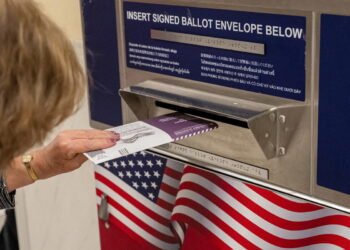
The decisions have become particularly significant because California’s midterm election is already well underway. Millions of voters have cast ballots, and hundreds of thousands of ballots have already been processed by election officials.
Once ballots have entered the processing system, election officials have said it is not possible to reliably match individual processed ballots back to the specific voters who submitted them. That practical limitation makes any attempt to identify and remove particular ballots especially complicated.
The Justice Department has argued that the federal government has a responsibility to enforce laws prohibiting non-citizens from voting. A department spokesperson did not immediately respond to requests for comment on the latest ruling, but the administration has defended its broader campaign against alleged non-citizen voting.
The department has maintained that enforcing federal election law is a legal responsibility rather than a political initiative. The administration has also launched a criminal investigation into alleged non-citizen voting in California, adding further pressure to the dispute.
Federal prosecutors have warned local election officials that knowingly processing ballots cast by non-citizens could expose them to legal consequences. Bill Essayli, the top federal prosecutor in Los Angeles, has issued a particularly forceful warning, saying election officials could face legal jeopardy if they knowingly process such ballots.
The federal judge’s latest order directly addresses the effect such warnings could have on local election administrators. By prohibiting threats and coercion, the ruling seeks to prevent federal authorities from using the prospect of criminal or legal action to influence officials as they carry out their responsibilities.
The case highlights a fundamental tension within the US election system. Elections are conducted largely through state and local institutions, while federal law governs important aspects of voting eligibility and federal elections. Disputes arise when the federal government seeks to impose requirements on local officials that those officials believe could interfere with established election procedures.
The California dispute has also raised concerns about the possibility of eligible voters being caught up in efforts to identify alleged non-citizens.
Officials in California have argued that records used to identify potential non-citizen voters can contain inaccuracies. People may appear on government databases for reasons that do not necessarily indicate that they lack US citizenship. Names and records can also be incorrectly matched, creating the possibility that citizens could be wrongly identified.
That concern has become central to the legal reasoning against segregating the disputed ballots. If officials cannot reliably determine which ballots belong to ineligible voters, attempting to remove them could affect legitimate votes as well.
The appeals court’s decision therefore focused not only on the legal principle of preventing non-citizen voting but also on the practical consequences of implementing the federal government’s request.
The court found that separating individual ballots under the circumstances could have potentially catastrophic consequences for the election system. That concern is particularly important when large numbers of ballots have already been processed and election officials cannot reconstruct the connection between individual ballots and voters.
The legal dispute is unfolding as California approaches the conclusion of its midterm election on Tuesday. The timing has increased the stakes for election administrators, who are responsible for processing votes while navigating conflicting demands from state and federal authorities.
For local officials, the rulings provide an important legal boundary against federal pressure. The judge’s order means that the Justice Department cannot simply threaten election workers with legal action in an effort to force them to change established ballot-processing procedures.
The administration, however, has not abandoned its broader campaign. Federal officials continue to argue that non-citizen voting is prohibited by law and that the government must investigate and prosecute violations where evidence exists.
The disagreement therefore extends beyond a single group of ballots. At its core is a debate over how aggressively federal authorities can intervene in elections administered by states and whether efforts to identify potentially ineligible voters can be carried out without undermining the rights of eligible voters.
The controversy also reflects a broader pattern of legal challenges facing the Trump administration as it seeks to reshape the federal government’s role in elections. Courts have increasingly been asked to determine where federal authority ends and state election administration begins.
The latest rulings do not change the underlying prohibition on non-citizens voting in federal elections. Instead, they restrict the methods federal authorities can use to challenge ballots and pressure local officials during the election process.
That distinction is likely to remain important as the administration pursues investigations into alleged voting violations. Federal officials may continue investigating individual cases where evidence exists, but the courts have made clear that broad intervention affecting large numbers of ballots must meet significant legal and practical hurdles.
For election officials, the immediate priority remains completing the vote-counting process under existing procedures. The courts’ intervention may reduce the risk that local administrators will face conflicting instructions or threats while processing ballots.
The California dispute is likely to continue generating political and legal controversy even after Tuesday’s election concludes. The outcome could influence future debates about voter eligibility, federal oversight and the balance of power between Washington and state election authorities.

At a time when confidence in election administration remains a deeply contested issue in American politics, the court rulings place particular emphasis on protecting both the integrity of the electoral process and the rights of eligible voters.
The central question now is not simply whether non-citizens are legally prohibited from voting. That principle is already established. The more difficult issue is how authorities can identify and address alleged violations without mistakenly preventing lawful votes from being counted.
The latest federal court decisions have signalled that protecting one objective cannot come at the expense of the other. As California moves toward the conclusion of its midterm election, election officials will continue processing ballots under the procedures they have been using, while the legal battle over federal authority is likely to continue well beyond election day.
Related News:
 Immigration Judges Fear Pressure in Trump Era
 Democrat Says ICE Restricted Detention Camp Oversight
 Latin America women fear rollback of rights
 ICE Agent Shoots Man in New York as Child Escapes Harm
 Trump Attacks Norway After Nobel Peace Prize Snub
 Ohio Airports Become Key Hubs for ICE Deportation Flights
 Trump’s Midterm Campaign Faces Racism and Political Backlash
 Judge Blocks Trump Bid for Arizona Voter Data
 US Court Weighs Fate of TPS for Migrants
 US states redraw maps after voting rights ruling
 Florida Surgeon ‘Devastated’ Over Fatal Surgery Error
 Trump’s Revenge Drive Deepens GOP Divide
 Trump Orders Signs Criticising Smithsonian Museum
 Is America Ready for an AOC Presidential Run?
 Judge Allows Pentagon Firings at Stars and Stripes
 Armed Suspect Attacks Ohio Governor Candidate
 New Mexico Takes Facebook to Trial Over Data Scandal
 Patriot Platform Raises Concern Across Britain
 Reform UK Receives Record £36m Donation From Crypto Billionaire
 Election Candidate Abuse Raises Alarm in England
 Texas Charges Seven Noncitizens in Voting Crackdown
 Omar Proposes Bill to Redirect ICE Funding
 Texas Transfers Raise Fears for Migrant Children
 Memphis Questions National Guard Crime Surge
 Trump Media Ban Triggers First Amendment Clash
 US Deportation Deals Send Migrants to Unfamiliar Countries
 US Networks Suspend Trump White House Pool Coverage
 Trump and Mamdani Hold Cordial Gracie Mansion Meeting
 Judge orders Trump to restore access for three media outlets
 Republican Senator Questions Trump Ad Spending
 Free Speech Emerges as Key UK Election Issue
 Cornell Fraternity Assault Investigation Reopened
 Trump Ads Trigger Fight Over Taxpayer Money
 Drumcree Talks Falter as Legal Challenge Deepens
 UK-France Returns Deal Faces Expiry as Talks Stall
 Senators warn US childcare policies could raise costs
 Hundreds of UK prisoners released early amid overcrowding
 Drumcree Talks End Without Agreement Ahead of Appeal
 Badenoch Raises Prospect of 2027 UK Election
 New Prosecutor Takes Over Cornell Assault Case
 Musk’s DOGE Sparks Turmoil Inside US Government
 Christa Pike Wakes After Failed Tennessee Execution
 Botstein Quits Bard Amid Epstein Investigation Calls
 NSW Police Bid Delays Inquiry Into Sydney Protest
 Trump Says He Deserves Nobel Peace Prize
 US Senate Debates Turn Bitter as Midterms Near
 Bolsonaro Gains Key Endorsement Ahead of Brazil Runoff
 US Execution Livestream Plan Sparks Global Outrage
 Controversial Vaccine Trial Approved in Guinea-Bissau
 Delhi Braces for Youth Protests Over Voter Roll Dispute
 Trump Names Katie Zacharia as Next White House Spokesperson
 Ten US Midterm Races That Could Defy Expectations
 Brazil Court Scandal Threatens Lula as Bolsonaros Rise
 Millions Face Tougher Medicaid Rules From January
 England and Wales Begin Second Wave of Early Prison Releases
 Farage Rejects Claims Reform Would Let Troops Shoot Migrants
 Judge Blocks Trump White House Media Ban
 Camera Discovery Triggers Navy Ship Investigation
 Brazil Cuts Working Week to 40 Hours in Lula Election Boost
 Gadi Eisenkot: Israel’s Anti-Netanyahu Challenger
 Talarico Faces Tough Voter Test in Texas Senate Race
 Serbia Leader Linked to Controversial Trump Tower Plan
 Trump’s New Press Secretary Faces Questions Over Credentials
 Obama Warns Against Threat to Ilhan Omar’s Citizenship
 Trump Pledges $400m to Boost Republicans in Midterms
 US Midterms Could Reshape Trump’s Second Term
 Serbia’s Student Victory Sparks a ‘Smell of Freedom’
 Obama Mocks Trump at Georgia Rally for Democrats
 Judge Rejects Trump Bid to Withhold 20,000 Ballots
 Ramaswamy Drops Controversial Attack Ad in Ohio Race
 Trump Again Demands Peltola Prosecution as Alaska Race Escalates
 Ministers Clash Over Mahmood’s Migration Reforms
 Bedouin Women Drive Historic Arab Election Gains
 Trump gives $45,000 holiday gifts to White House aides
 London Facial Recognition Trial Ends With False Alert
 South Africa Withdraws Directive on Asylum Applications
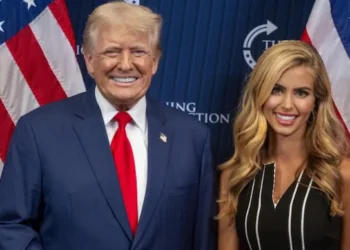 Trump Names Katie Zachariah as Next White House Press Secretary
 Elizabeth Struhs Inquest Examines Child Safety Failures
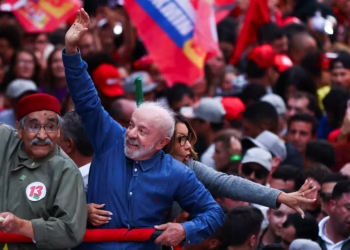 Lula Supporters Make Final Push Ahead of Brazil Runoff
 UK Land Registry Plan Faces Opposition From Landowners