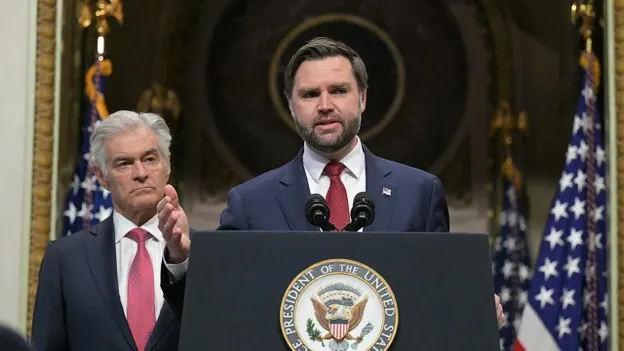
The United States has carried out limited military strikes against Iran’s Qeshm Island, raising fresh questions about the future of the conflict in the Middle East, even as Vice-President JD Vance expressed optimism that diplomatic negotiations could lead to an agreement between Washington and Tehran. The reported attacks took place late on Monday, just hours after Vance indicated that the Trump administration believed discussions with Iran were progressing in a positive direction.
The latest military action comes at a politically sensitive moment for President Donald Trump, whose Republican Party is facing crucial midterm elections. The conflict with Iran has become a significant domestic political issue in the United States, particularly because rising energy costs and disruptions to international shipping have placed additional financial pressure on American households and businesses.
According to reports citing unnamed US officials, the strikes on Qeshm Island were limited in scale and defensive in purpose. The attacks reportedly targeted surface-to-air missile systems that had been used against American military assets. The operation appears to have been intended to reduce potential threats to US forces without necessarily signalling a return to a wider military campaign against Iran.

Iranian state media reported that several explosions were heard on Qeshm Island on Monday evening. However, local media initially said the cause of the explosions was unclear. The United States military had not immediately issued a detailed public statement explaining the operation, leaving important questions about the targets, the extent of the damage and the circumstances surrounding the attack unanswered.
Reports indicated that the strikes were part of a series of smaller military operations conducted against Iranian targets in recent weeks. These actions had reportedly been kept confidential by the Trump administration to avoid creating the impression that Washington was preparing to resume a large-scale military offensive. The approach suggests that American officials may be attempting to maintain military pressure on Iran while preserving opportunities for diplomatic negotiations.
Qeshm Island holds considerable strategic importance because of its location near the entrance to the Strait of Hormuz, one of the world’s most important maritime energy corridors. The narrow waterway connects the Persian Gulf with international shipping routes and serves as a vital passage for oil and other energy supplies transported from the Middle East to global markets.
Throughout the conflict, Qeshm Island has been associated with military activities affecting shipping in the region. Its geographical position makes it strategically significant for monitoring and influencing maritime movements through the Strait of Hormuz. Previous attacks and military confrontations around the island have contributed to concerns about the security of commercial vessels operating in nearby waters.
Although major military attacks have reportedly declined in recent weeks, Iran has continued enforcing restrictions on passage through the strait. Oil tankers, container ships and other commercial vessels attempting to travel through the waterway have faced threats and attacks, according to the available reports. These developments have prevented a complete return to normal maritime activity and maintained uncertainty across international energy and shipping markets.
The disruption has had consequences far beyond the Middle East. The Strait of Hormuz is a critical route for global oil transportation, meaning prolonged restrictions can affect fuel prices, shipping expenses, insurance costs and the availability of energy supplies in different countries. Any renewed military escalation could therefore have serious implications for the international economy, particularly for nations that depend heavily on imported oil.
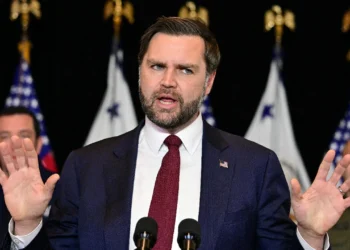
Against this backdrop, Vance’s comments about diplomatic progress have attracted considerable attention. Speaking to reporters on Monday, the vice-president said that he and Trump were optimistic about the possibility of reaching a negotiated settlement with Iran. His remarks followed Tehran’s confirmation that indirect negotiations with Washington were taking place, raising expectations that both sides might be exploring a way to reduce tensions.
Vance said the president and he felt positive about the prospects of a potential diplomatic agreement. He acknowledged that progress had been made but indicated that further discussions would be necessary before any final settlement could be secured. His comments suggested that the administration believed there was an opportunity to move towards negotiations despite continuing military tensions.
The possibility of an agreement could be particularly important for the future of the Strait of Hormuz. Reopening the waterway to normal commercial traffic would help reduce uncertainty in international energy markets and provide relief to shipping companies, energy traders and businesses affected by the disruption. However, achieving such an outcome would require meaningful commitments from both Washington and Tehran, particularly regarding maritime security and military activities.
Trump also sought to minimise concerns about the conflict during an interview with Fox News shortly before American polling stations opened on Tuesday. The president argued that the situation should not be described as an active war, while warning that military action could resume if Iran failed to reach an agreement. He claimed that Tehran was eager to secure a deal and suggested there was a strong possibility of a diplomatic breakthrough.
Despite his optimistic assessment, Trump did not rule out further military operations. He referred to the possibility of targeting Pickaxe Mountain, a fortified underground location in central Iran suspected of being connected to the country’s nuclear programme. The president suggested that an operation against the site could be carried out relatively quickly, describing it as something that would not constitute a major military undertaking.
The reference to Pickaxe Mountain highlights the continuing disagreement between the two countries over Iran’s nuclear activities and the broader security concerns surrounding its strategic facilities. Any further attack on a suspected nuclear-related location could create additional complications for diplomatic efforts, particularly if Tehran viewed such an operation as evidence that Washington was unwilling to abandon military pressure.
The latest strikes have also become politically significant because of their timing. American voters are heading to the polls in midterm elections that will determine control of Congress. Republicans currently hold both the Senate and the House of Representatives, but Democrats are seeking to take advantage of public dissatisfaction with the administration.
The war with Iran has emerged as one of the issues affecting voters’ economic concerns. Higher oil prices have contributed to rising petrol costs, placing pressure on motorists and businesses that rely on transportation. Increased diesel prices have also affected agricultural operations, freight services and supply chains, potentially contributing to higher costs for consumers.
For the Trump administration, demonstrating progress towards ending the conflict could help address criticism over the economic consequences of the military campaign. The president has repeatedly emphasised falling oil prices and presented renewed diplomatic efforts as evidence that the situation is moving towards a more favourable outcome.
During his final campaign message ahead of the midterm elections, Trump highlighted a significant decline in oil prices. The administration has attempted to connect the improving market outlook with diplomatic developments, suggesting that negotiations could eventually reduce the disruption affecting international energy supplies.
However, movements in global oil prices do not necessarily indicate that the underlying security crisis has been resolved. Markets respond to expectations, diplomatic signals, supply forecasts and geopolitical risks. Even when prices decline, uncertainty can remain high if commercial shipping continues to face restrictions or if military confrontations threaten critical energy infrastructure.
The latest US strikes therefore present a complicated picture. On one side, Washington appears interested in maintaining military pressure against threats to its forces and strategic interests. On the other, senior officials are expressing confidence that negotiations could produce an agreement capable of ending or reducing the conflict.
For Iran, the challenge will be determining whether diplomatic engagement can deliver acceptable conditions while protecting its strategic interests. For the United States, any settlement would need to address security concerns, maritime access and the wider issues that contributed to the conflict.

The international community will also be watching developments closely because the consequences extend well beyond the two countries. Governments, energy companies, shipping operators and financial markets all have an interest in restoring stability to the region. A prolonged confrontation could threaten global trade and place further pressure on economies already dealing with uncertain energy costs.
Whether the latest military operation represents a limited defensive measure or a warning of possible renewed escalation remains unclear. Much will depend on the next stages of communication between Washington and Tehran, as well as their willingness to translate diplomatic optimism into concrete commitments.
For now, the situation remains uncertain. The strikes on Qeshm Island demonstrate that military tensions have not disappeared, while Vance’s statements suggest that the possibility of a negotiated settlement remains alive. The coming days could prove decisive in determining whether the United States and Iran move towards de-escalation or return to a more dangerous phase of confrontation.
Related News:
 Houthis Strike Saudi Arabia as Middle East Tensions Rise
 Tanker Attacked Near Qatar as Hormuz Tensions Escalate
 Trump Calls Strait of Hormuz ‘American Territory’
 Trump Faces Iran War Crisis Before Midterm Vote
 Netanyahu faces protests and pressure at UN
 Trump Rules Out Iran Attack Before US Elections
 Gulf States Push Multi-Part Deal to Avert US-Iran War
 UK Prepares Aircraft Carrier for Middle East Crisis
 Middle East Crisis Escalates as Oil Routes Shake Markets
 Tensions Emerge in Netanyahu-Trump Alliance
 US Awaits Iran Reply on New Ceasefire Proposal
 Hormuz Talks Near Critical Stage
 Former ICC prosecutor condemns US sanctions
 Taliban global ties grow as rights fears mount
 Trump announces major US oil deal with Venezuela
 Trump Hardens Canada Trade Stance as Talks Stall
 Trump Calls Iran War ‘Small Potatoes’ Despite US Deaths
 Saudi Arabia Shuts Oil Pipeline After Drone Attack
 Nearly 50,000 Flee as Houthis Advance in Yemen
 South Korea Rules Out Military Role in Iran War
 Saudi Pact Raises Risk of Pakistan Entering War
 Xi urges Trump to avoid US-China military conflict
 Saudi intercepts Houthi missiles as oil fears grow
 Iran Awaits Trump Response on Seven-Day Hormuz Plan
 Trump Asked Xi About Buying US Weapons
 South Korea-Ukraine Row Erupts Over North Korean POWs
 New Maps Reveal Gaza’s Vast Destruction
 US Sends Third Carrier to Middle East
 Israeli Settlers Assault Palestinian Photographer
 Vance Demands Iran Cut Nuclear Enrichment
 Israel Marks Three Years Since October 7 Attack
 Israel Promotes Film Challenging Controversial Gaza Documentary
 Turkey Rules Out Troops in Saudi Arabia’s Houthi Conflict
 Trump’s Russian Diesel Deal Sparks Ukraine Fury
 Riyadh Airport Hit Again as Yemen Conflict Escalates
 Serbia Leader Linked to Controversial Trump Tower Plan
 Trump Slams Ukraine Strikes as Russia Ceasefire Collapses
 Japan’s Takaichi Faces a Crucial Second Year in Power
 Netanyahu Faces Defining Election Test as Israel Divides
 Palestinian Parties Gain Power in Israel’s Election
 Global Crises Test Diplomacy as Trump’s Policies Face Scrutiny
 G20 Photo Cancelled as Russia Deepens Western Rift
 Thousands Protest ICE Operations in Nationwide US Day of Action
 Epstein Files Reveal Trump Officials’ Emails with Financier
 Thousands Protest ICE in New York Against Trump Deportation Campaign
 Ukraine war briefing: Zelenskyy offers help to Saudi Crown prince on combatting Iranian drones
 Southeast Asia Turns to Russia Amid Energy Crisis
 Ukraine Urges UK to Seize Russian Oil Tankers
 US Calls Australia Media Law “Foreign Extortion”
 Oil Prices Surge Above $120 Amid Iran Blockade Fears
 Trump orders US troop pullout from Germany
 Activists allege abuse after Gaza flotilla seizure
 Trump approval plunges amid Iran war fears
 Trump Threatens UN Budget Cuts as US Pushes ‘Trade Over Aid’ Agenda
 Discontent grows around Putin amid war strain
 Millions Gather for Khamenei’s Six-Day State Funeral
 Israeli Strike in Southern Lebanon Kills Seven
 Russian Missiles Intensify Pressure on Kyiv
 Former Diplomats Urge UK and France to Act on Palestine
 Iran Rejects Claims of Shift in US Talks
 Trump gives Xi red-carpet welcome as trade truce extends
 Lula accuses Trump of seeking control over Brazil
 South Korea demands apology over DMZ mine blast
 Pilot and Passengers Help Save Flydubai Flight
 Yemen government launches offensive against Houthis
 Germany Pledges €1bn Military Aid to Ukraine
 Trump Comments on Iran Strike Draw US Backlash
 Canadian Veterans Condemn Trump Allies’ Military Remarks
 Argentina Protesters Resist Milei’s Land Sale Drive
 South Korea Probes Fuel Shipments to Russia
 Houthi Missile Claim Sparks Riyadh Airport Disruption
 Brazil Court Scandal Threatens Lula as Bolsonaros Rise
 Millions Face Tougher Medicaid Rules From January
 Trump Rallies GOP as Senate Democrats Boost Key Races
 Trump Halts New Russia Sanctions Amid Ukraine Rift
 Ukraine Peace Talks Set to Resume in November
 US Bans BYD Vehicles at Japan Military Base
 Fed Expected to Hold Rates Steady Ahead of US Midterms
 Trump’s Global Policies Put Republicans at Risk
 Haley Stevens Backs Republican Rival in Michigan Senate Race