Democrats have regained control of the United States Senate following a remarkable series of victories across the country, delivering a significant political setback to President Donald Trump and raising fresh questions about the future direction of his administration. The election results represent a dramatic reversal of the political landscape established in 2024, when Republicans secured control of the White House and gained a majority in the Senate. With Democrats also heading towards a likely victory in the House of Representatives, the party is increasingly positioned to regain control of both chambers of Congress from next year, potentially transforming the final years of Trump’s presidency.
The Democratic victory is particularly significant because the party managed to win several Senate contests in states traditionally considered difficult territory for Democratic candidates. Victories in Maine, South Carolina, North Carolina, Ohio, Texas, Iowa and Kansas demonstrated the extent of the political shift, with voters delivering results that would have appeared unlikely only two years ago. The outcome has provided Democrats with renewed confidence and a stronger position from which to challenge the president’s domestic and international policies.

Senate Minority Leader Chuck Schumer welcomed the results in Washington, describing the victory as an extraordinary achievement for his party. Addressing supporters, he expressed confidence that Democrats could now deliver meaningful changes in national politics. He declared that Democrats had overcome considerable political obstacles to regain control of the Senate and suggested that American families could expect relief from the policies that had contributed to growing economic and social pressures.
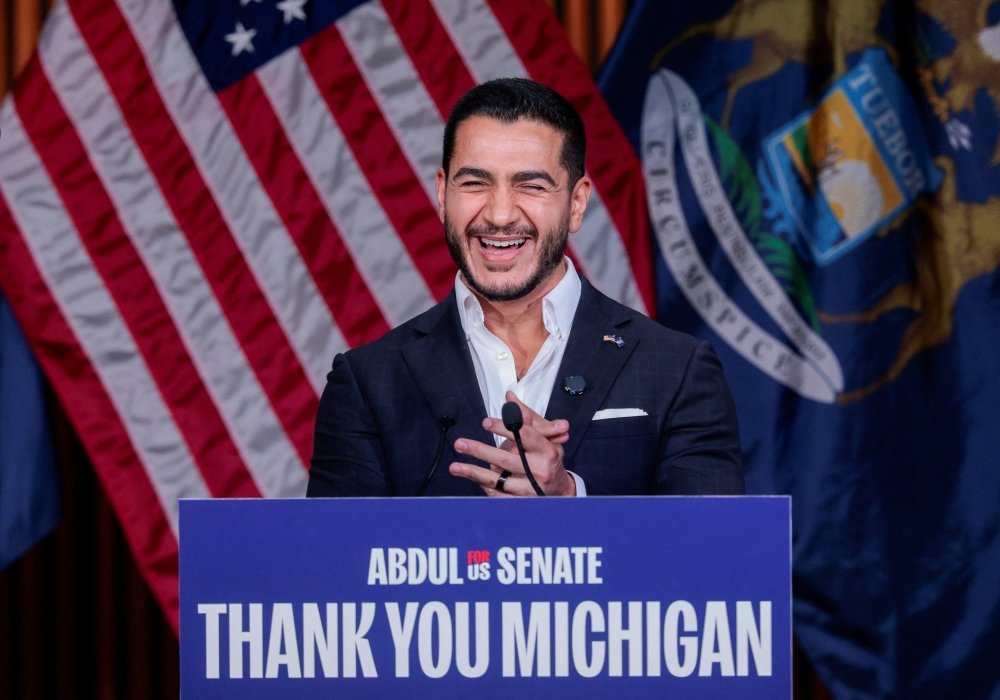
According to the reported results, Democrats had secured 53 Senate seats, compared with 41 for Republicans, while counting continued in several states. Michigan remained particularly important because Democrats were attempting to replace a retiring Democratic senator with their candidate, Abdul El-Sayed. Alaska was another closely watched contest, where Democrats were seeking to defeat Republican incumbent Dan Sullivan. The final outcome in Alaska could take several additional days to establish because of the continuing vote-counting process.
The results also demonstrated that Republicans had struggled to take advantage of opportunities in states where they believed Democratic incumbents could be vulnerable. Contests in New Hampshire, Georgia and Minnesota did not produce the Republican victories the party had hoped for. Although Republicans retained several seats in traditionally conservative states, their overall performance raised concerns about whether the party’s political appeal had weakened beyond its strongest electoral regions.
Even Republican victories in established strongholds offered indications of changing voter sentiment. In Florida, Republican incumbent Ashley Moody secured re-election, but her victory margin was considerably narrower than the results Republicans had achieved in previous elections. The state has increasingly become a stronghold for conservatives, making the relatively close result an important development for political observers.
A similar situation emerged in Louisiana, where Republican candidate Julia Letlow won the contest for an open Senate seat. However, her Democratic opponent remained competitive, with the difference between the candidates reportedly around two percentage points. The result attracted attention because Trump had carried Louisiana by approximately 22 percentage points in the 2024 presidential election. The unexpectedly narrow margin suggested that even traditionally Republican voters were becoming less enthusiastic about the party’s political direction.
The Democratic breakthrough represents a particularly striking transformation from the political situation following the 2024 election. At that time, Republicans appeared firmly positioned to dominate Washington, having returned Trump to the White House and secured a 53-seat majority in the Senate. Democrats faced the prospect of remaining outside the Senate majority for an extended period, especially because many states scheduled to hold Senate elections in 2026 had established political loyalties.
However, the political environment changed considerably during Trump’s second administration. Several policy decisions attracted widespread criticism, while concerns about household expenses, economic uncertainty and immigration enforcement gradually affected public perceptions of the president. Issues that had previously strengthened Trump’s political position, particularly the economy and border security, became sources of growing dissatisfaction among sections of the electorate.
The administration’s handling of the economy was among the most important factors shaping the election campaign. Rising living costs placed additional pressure on American households, with many voters increasingly concerned about their ability to manage everyday expenses. Democrats used these concerns to challenge the administration’s economic record, arguing that the government’s decisions had failed to provide sufficient relief to ordinary families.
Immigration policy also became a major source of political controversy. The administration’s decision to deploy federal agents for extensive immigration enforcement operations generated criticism, particularly following the deaths of two American citizens in Minneapolis during the operations. The incidents intensified public debate over federal authority, law enforcement practices and the treatment of communities affected by immigration raids.
Trump’s decision to launch military action against Iran further complicated the political situation. The conflict contributed to rising tensions in the Middle East and increased uncertainty in international energy markets. As fuel prices climbed, American consumers faced additional financial pressure, creating another challenge for Republicans during the election campaign. Democrats argued that the administration’s foreign policy decisions were contributing to economic difficulties at home.
Schumer said his party had concentrated on listening to ordinary Americans rather than simply defending established political positions. He described conversations with voters in their homes and communities as an important part of the Democratic campaign. According to him, concerns about affordability, political instability and government accountability shaped the party’s message and helped candidates connect with voters across different regions.
The victories in traditionally Republican states were particularly historic. Kansas had not elected a Democrat to the Senate since 1932, while Texas had not sent a Democratic senator to Washington since 1988. South Carolina had gone 38 years without electing a Democrat to the Senate. In Iowa and North Carolina, the last Democratic Senate victories had taken place 18 years earlier. Breaking through these long-standing political barriers demonstrated the scale of the Democratic resurgence.
Trump’s involvement in several Republican primary contests also became a significant factor in the election narrative. In North Carolina, he repeatedly criticised Republican Senator Thom Tillis after the senator opposed a major domestic policy proposal. Tillis eventually announced that he would not seek re-election, creating an opportunity for Democratic candidate Roy Cooper, a former governor of the state. Cooper subsequently secured a convincing victory.
In Texas, Trump’s endorsement of state Attorney General Ken Paxton over longtime Republican Senator John Cornyn contributed to a divisive primary campaign. Cornyn’s defeat created an opening that Democrats believed could provide one of their most important opportunities in the election. Democratic state representative James Talarico eventually won the Senate contest by a double-digit margin, according to the reported results.
South Carolina also witnessed an unusual political development following the sudden death of longtime Republican Senator Lindsey Graham. Trump supported the candidacy of Graham’s sister, Darline Graham, for the Senate seat, despite her lack of previous electoral experience and the presence of other Republican contenders. Democratic candidate Annie Andrews ultimately defeated her by approximately four percentage points, delivering another unexpected result for the Democratic Party.
The implications of the election extend well beyond the immediate struggle for Senate seats. Control of the chamber provides the majority party with considerable influence over legislative proceedings, government appointments and the confirmation of federal judges. Democrats will therefore have the ability to obstruct or delay important elements of Trump’s legislative programme once they formally assume control.
The Senate’s constitutional responsibility for confirming presidential nominations makes the result especially important. Trump’s ability to appoint cabinet officials and federal judges could face significantly greater resistance. The Supreme Court may become another major area of political tension because conservative justices currently hold a 6-3 majority. Any future vacancy could trigger an intense confirmation battle between the administration and the Democratic-controlled Senate.
Republicans have less than two months remaining with unified control of the federal government before the new congressional balance takes effect. This period could become politically sensitive, particularly if the administration attempts to secure confirmation of additional conservative judicial appointments before Democrats take control. Speculation has already emerged about whether Republicans might move quickly if a Supreme Court justice decides to retire.
Asked about the possibility of Republicans attempting such a move, Schumer urged the party to recognise the message delivered by voters. He argued that the election demonstrated the public’s desire for greater attention to economic costs, political instability and corruption rather than continued confrontation.

For Trump, the Democratic victory represents one of the most consequential political challenges of his second presidency. Although he will remain in the White House, the loss of Senate control could significantly restrict his ability to advance major legislative priorities and secure support for future appointments. The result may also influence the behaviour of Republican lawmakers, some of whom could become more cautious about supporting controversial administration policies.
The coming months will reveal how both parties respond to the changing balance of power in Washington. Democrats will face pressure to demonstrate that their electoral success can translate into effective governance, while Republicans must confront questions about their campaign strategy, leadership decisions and relationship with the president.
Ultimately, the election has demonstrated that political control in the United States can change rapidly when voters become dissatisfied with the direction of government. The Democratic victory has opened a new chapter in Washington politics, creating a more challenging environment for Trump and potentially reshaping the country’s legislative agenda for the remainder of his presidency.
Related News:
 Trump approval plunges amid Iran war fears
 Trump Threatens UN Budget Cuts as US Pushes ‘Trade Over Aid’ Agenda
 US Awaits Iran Reply on New Ceasefire Proposal
 Hormuz Talks Near Critical Stage
 Trump announces major US oil deal with Venezuela
 Trump Hardens Canada Trade Stance as Talks Stall
 Trump Calls Iran War ‘Small Potatoes’ Despite US Deaths
 Trump Pledges $5,000 if Republicans Win Midterms
 Macron and Carney deepen France-Canada ties
 Trump Eyes Major Belarus Fertiliser Deal Amid Canada Trade Dispute
 Xi urges Trump to avoid US-China military conflict
 Lula accuses Trump of seeking control over Brazil
 Trump Ads Trigger Fight Over Taxpayer Money
 Tanker Attacked Near Qatar as Hormuz Tensions Escalate
 Trump’s Russian Diesel Deal Sparks Ukraine Fury
 Brazil Court Scandal Threatens Lula as Bolsonaros Rise
 Millions Face Tougher Medicaid Rules From January
 Trump Targets Arizona and Montana Amid GOP Election Worries
 Brazil Cuts Working Week to 40 Hours in Lula Election Boost
 Trump Rallies GOP as Senate Democrats Boost Key Races
 Serbia Leader Linked to Controversial Trump Tower Plan
 Trump Halts New Russia Sanctions Amid Ukraine Rift
Trump Falsely Questions Ossoff’s Election Legitimacy
 Trump Fears Shock Democratic Senate Win in Kansas
 Meta Faces Election Bias Claims Ahead of Brazil Runoff
 Fed Expected to Hold Rates Steady Ahead of US Midterms
 Trump’s Global Policies Put Republicans at Risk
 Global Crises Test Diplomacy as Trump’s Policies Face Scrutiny
 G20 Photo Cancelled as Russia Deepens Western Rift
 Haley Stevens Backs Republican Rival in Michigan Senate Race
 US Midterms Put Trump’s Presidency to the Test
 US Strikes Iran Island as Vance Signals Hope for Peace
 Canada Passes Carney’s First Budget in Tight Parliamentary Vote
 India’s Labour Law Overhaul Sparks Fierce Debate
 Government Unveils Northern Powerhouse Rail Plans
 Trump Fed bid heads to Supreme Court
 Thousands Protest ICE Operations in Nationwide US Day of Action
 Epstein Files Reveal Trump Officials’ Emails with Financier
 Trump to Deploy “God Squad” Over Gulf Wildlife Protections
 UK Stands Firm on Falklands Amid US Rift
 Capitalism ‘Suicidal’, Warns Petro at Climate Summit
 Oil Prices Surge Above $120 Amid Iran Blockade Fears
 Trump orders US troop pullout from Germany
 Judge halts deportation of Yemeni refugees in US
 Ohio’s Battle for Trust: Democrats Vying to Flip the Buckeye State
 US ‘Narco Boat’ Strikes Draw Global Outcry
 Afghan Families Left in Limbo Face Risk of Deportation
 Kevin Warsh sworn in as Fed chair amid economic backlash
 House Curbs Trump’s War Powers in Rare Rebellion
 Ukraine Creates Long-Range Strike Command
 Trump Refuses to Sign Housing Bill, But Law Takes Effect
 Houthis Strike Saudi Arabia as Middle East Tensions Rise
 Swedish Mining Push Puts Sami Land Rights Under Pressure
 UK plans tougher Israel stance with settlement trade ban
 Saudi Arabia Shuts Oil Pipeline After Drone Attack
 US Networks Suspend Trump White House Pool Coverage
 Trump gives Xi red-carpet welcome as trade truce extends
 Republican Senator Questions Trump Ad Spending
 Economic growth and political strain reshape Benin
 Burnham Opens Door to Possible UK Return to EU
 Brazil Election Draws Religion Into Final Campaign
 Lula Warns of Bolsonaro Family Return as Brazil Votes
 Families Await USS Abraham Lincoln Homecoming
 Quebec separatists return to power without majority
 Canadian Veterans Condemn Trump Allies’ Military Remarks
 Argentina Protesters Resist Milei’s Land Sale Drive
 South Korea Probes Fuel Shipments to Russia
 Trump Says He Deserves Nobel Peace Prize
 USS Lincoln Ends Record 265-Day Deployment
 Houthi Missile Claim Sparks Riyadh Airport Disruption
 Trump Rules Out Iran Attack Before US Elections
 Australia Rejects Russian Fuel as Trump Strikes Deal
 Trump Names Katie Zachariah as Next White House Press Secretary
 UK Could Rejoin EU Through a Switzerland Plus Deal
 Brexit Debate Returns as UK Voters Reconsider EU Exit
 Japan’s Takaichi Faces a Crucial Second Year in Power
 Lula Supporters Make Final Push Ahead of Brazil Runoff
 US Bans BYD Vehicles at Japan Military Base
 Flávio Bolsonaro Reportedly Leaves Brazil After Election Defeat
 Australia Raises Interest Rates to 18-Year High