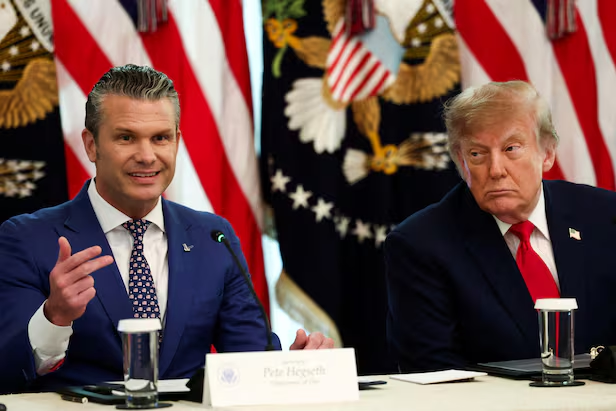
US President Donald Trump has intensified his defence of Defence Secretary Pete Hegseth after Republican Congressman Thomas Massie introduced eight articles of impeachment against the Pentagon chief, accusing him of exceeding his constitutional authority and illegally conducting military operations without congressional approval. Trump dismissed the impeachment effort, praised Hegseth’s military leadership and launched a personal attack on Massie, describing the Kentucky Republican as a “stone cold loser” and “sick”.
The confrontation has exposed divisions within the Republican Party at a politically sensitive moment for the Trump administration, which is facing growing scrutiny following the Democrats’ strong performance in the recent midterm elections. Massie’s decision to challenge a senior member of the president’s cabinet is particularly significant because the impeachment initiative is coming from within Trump’s own party rather than exclusively from Democratic lawmakers.

Massie introduced eight articles of impeachment against Hegseth, renewing his effort to remove the defence secretary from office. The congressman has accused Hegseth of illegally waging war in Iran without congressional authorisation and abusing the powers of his position. The allegations raise fundamental questions about the constitutional limits of presidential and executive authority over military operations, particularly when the United States becomes involved in major overseas conflicts.
The impeachment resolution represents a serious political challenge for Hegseth, although its introduction does not mean that he will automatically face removal. Any impeachment process would require support in the House of Representatives, followed by a trial in the Senate if the House approved the articles. The political balance of Congress and the willingness of lawmakers to challenge the administration would therefore be crucial to the outcome.
Trump, however, has shown no indication that he intends to distance himself from his defence secretary. Speaking at a White House press conference, the president praised Hegseth’s performance and claimed that he had successfully overseen two military campaigns.
“He won the war in Venezuela,” Trump said, referring to the US military operation that captured former Venezuelan president Nicolás Maduro. The president described the raid as “flawless”, presenting it as evidence of Hegseth’s effectiveness as defence secretary.
Trump also said Hegseth was winning the war in Iran. His remarks appeared intended to reinforce confidence in the Pentagon leadership while dismissing criticism of the administration’s military decisions. The president’s comments, however, are likely to intensify debate over the scope, objectives and legal basis of US military operations.
The reference to Venezuela was particularly striking because Trump portrayed the operation to capture Maduro as a major success. His assessment contrasted with the concerns raised by critics about the legal and political implications of using American military power in such circumstances. Massie’s impeachment allegations similarly focus on the question of whether the administration has respected Congress’s constitutional role in authorising military action.
Trump directed much of his anger towards Massie, making clear that he regarded the impeachment initiative as an attack on his administration. By publicly insulting the congressman, the president turned the dispute into a broader political confrontation between the White House and a Republican lawmaker who has demonstrated a willingness to oppose his party’s leadership.
Massie, who represents Kentucky and is approaching the end of his time in Congress, has repeatedly taken positions that put him at odds with Trump and other Republican leaders. His latest initiative is an attempt to use the constitutional impeachment process to hold Hegseth accountable for what he describes as serious misconduct.
The dispute comes as the administration faces questions about its approach to immigration, national security and the use of executive power. Trump recently acknowledged in a television interview that his deportation policy might have been too tough, raising expectations that his administration could consider a change in approach. However, speaking to reporters the following day, he insisted that the policy remained unchanged and described it as very strong.
Trump also rejected the possibility of offering amnesty to undocumented migrants. He said those who entered the United States knew the law and maintained that his administration would not introduce an amnesty programme. He added that he had not discussed possible policy changes with incoming chief of staff Stephen Miller.
The comments highlighted the uncertainty surrounding immigration policy as Miller prepares to take up his new role. Trump’s earlier remarks had suggested some willingness to negotiate with Democrats over immigration, but his latest statements indicated that the administration was not preparing to abandon its enforcement approach.
The president’s political difficulties are also unfolding against the background of the midterm elections, in which Democrats made substantial gains. Trump initially indicated that he would accept the election results but later questioned the integrity of the vote, asking on social media whether anybody believed the election had been honest.
Democratic Senate leader Chuck Schumer criticised the president’s comments, describing his return to election denialism as inevitable. The exchange has revived concerns about political polarisation and the acceptance of electoral outcomes in the United States.
The Democrats’ electoral gains have also prompted renewed debate about leadership within both parties. Maryland Senator Chris Van Hollen has emerged as a possible alternative to Schumer for the Senate Democratic leadership position. Van Hollen said he remained in a listening position and had not ruled out a possible leadership bid. He argued that Democrats should have a genuine discussion rather than automatically endorsing one candidate.
Meanwhile, Republican leaders are also facing internal questions about the party’s direction following the election results. Some Senate Republicans have called for a delay in the leadership election, arguing that the party needs serious discussions about its future. House Speaker Mike Johnson has also declined to make a firm commitment about his future role in Congress after deciding not to seek the position of House minority leader in January.
Beyond the political confrontation surrounding Hegseth, the Senate has moved forward with bipartisan legislation intended to accelerate approval processes for major infrastructure projects. Lawmakers voted 73-25 to begin formal consideration of the proposal, which would shorten permitting timelines for data centres and other developments, including clean-energy and fossil-fuel projects.
The legislation has attracted support from Trump, who has argued that faster approvals would strengthen American energy independence and reduce costs for households. However, some Democratic lawmakers and environmental advocates have raised concerns about potential consequences for environmental protections, tribal sovereignty and the authority of states.
California Senator Adam Schiff said that although certain provisions relating to electricity transmission and the power grid were positive, the proposal required further improvements before he could support it. His concerns reflected the difficulty of reaching agreement on infrastructure reforms that balance economic development with environmental safeguards.
The Supreme Court has also allowed the Trump administration to resume construction of a border wall in the Big Bend region of Texas while legal proceedings continue. The administration had challenged a lower court decision that had blocked the project, arguing that illegal border crossings and drug seizures justified construction.
Environmental organisations criticised the decision, warning that construction could damage protected desert landscapes and canyon areas before the courts had fully resolved the legal dispute. Democratic Congressman Ro Khanna said he would seek to cut funding for the project when Democrats assume control of Congress in January.
In another development, the Justice Department has filed a lawsuit against ride-sharing company Lyft, alleging discrimination against passengers with disabilities, including people who use service animals and mobility devices. The department said it was seeking $53 million for individuals who had submitted complaints about alleged discrimination.
The Education Department has also announced investigations into school districts in Pennsylvania and New Mexico over policies concerning students’ gender identity and parental notification. The administration argues that certain school policies may violate federal law and parental rights, while the investigations are part of its wider efforts to reshape education policy.
The growing list of disputes demonstrates the range of challenges confronting the Trump administration as it enters another politically difficult period. The impeachment effort against Hegseth is particularly sensitive because it concerns the conduct of military operations and the relationship between the executive branch and Congress.

Although Massie’s resolution faces a difficult political path, its introduction has placed the defence secretary’s leadership and the administration’s military decisions under renewed scrutiny. Trump’s strong public defence suggests that Hegseth continues to enjoy the president’s confidence, but the dispute could deepen divisions within the Republican Party.
The coming weeks will reveal whether Massie can secure wider support for his impeachment initiative or whether the effort will remain a challenge from a small group of critics. More broadly, the controversy is likely to keep questions about congressional oversight, military accountability and presidential authority at the centre of the American political debate.
Related News:
 US states redraw maps after voting rights ruling
 Trump Media Ban Triggers First Amendment Clash
 US Networks Suspend Trump White House Pool Coverage
 Republican Senator Questions Trump Ad Spending
 Trump Ads Trigger Fight Over Taxpayer Money
 Latin America women fear rollback of rights
 Trump Says He Deserves Nobel Peace Prize
 Trump Attacks Norway After Nobel Peace Prize Snub
 Brazil Court Scandal Threatens Lula as Bolsonaros Rise
 Ohio Airports Become Key Hubs for ICE Deportation Flights
 Judge Blocks Trump White House Media Ban
 Serbia Leader Linked to Controversial Trump Tower Plan
 Trump’s Midterm Campaign Faces Racism and Political Backlash
 Paraguay President Impeached and Arrested After Banking Crisis
 Stephen Miller’s Rise Puts Hardline Views at Centre of Power
 Thousands Protest ICE Operations in Nationwide US Day of Action
 US Court Ruling Reshapes Voting Rights Landscape
 Cartel crackdown raises fears of fresh violence
 Judge halts deportation of Yemeni refugees in US
 Trump warns Iran as Middle East tensions surge again
 US ‘Narco Boat’ Strikes Draw Global Outcry
 Immigration Judges Fear Pressure in Trump Era
 Former ICC prosecutor condemns US sanctions
 Gunman Killed After White House Security Shootout
 Mystery Grows Over Mitch McConnell’s Health
 Is America Ready for an AOC Presidential Run?
 Judge Allows Pentagon Firings at Stars and Stripes
 Trump Calls Iran War ‘Small Potatoes’ Despite US Deaths
 Experts Warn of Growing US Terrorism Risks 25 Years After 9/11
 New Mexico Takes Facebook to Trial Over Data Scandal
 Israel Accused of Undermining Palestinian Life
 US Deportation Deals Send Migrants to Unfamiliar Countries
 Democrat Says ICE Restricted Detention Camp Oversight
 UK Pauses Chagos Deal Amid US Opposition
 Lula accuses Trump of seeking control over Brazil
 AI Deepfakes Put New Pressure on Election Trust
 Drumcree Talks Falter as Legal Challenge Deepens
 UK-France Returns Deal Faces Expiry as Talks Stall
 Trump Immigration Policy Faces New Legal Tests
 Musk’s DOGE Sparks Turmoil Inside US Government
 Lithuania Offers to Fund Permanent US Military Base
 Trump Rally Faces Protests as Texas Race Tightens
 Tanker Attacked Near Qatar as Hormuz Tensions Escalate
 ICE Agent Shoots Man in New York as Child Escapes Harm
 Bolsonaro Gains Key Endorsement Ahead of Brazil Runoff
 Controversial Vaccine Trial Approved in Guinea-Bissau
 Ten US Midterm Races That Could Defy Expectations
 Millions Face Tougher Medicaid Rules From January
 Farage Rejects Claims Reform Would Let Troops Shoot Migrants
 UK Urges Interpol to Reject Argentina’s Falklands Arrest Requests
 India’s Voter Roll Crisis Sparks Nationwide Protests
 Ukrainian Soldier Faces Trial Over Nord Stream Blast
 Trump Warns Alaska Voters Over Rival Dan Sullivans
 Trump Targets Arizona and Montana Amid GOP Election Worries
 Brazil Cuts Working Week to 40 Hours in Lula Election Boost
 Gadi Eisenkot: Israel’s Anti-Netanyahu Challenger
 Trump Rallies GOP as Senate Democrats Boost Key Races
 Talarico Faces Tough Voter Test in Texas Senate Race
 Trump’s Ambassador Picks Face Growing Controversy
 Trump’s New Press Secretary Faces Questions Over Credentials
 Trump Falsely Questions Ossoff’s Election Legitimacy
 Trump Administration Threatens California Election Officials
 Meta Faces Election Bias Claims Ahead of Brazil Runoff
 Omar Claims US Raid on Residence Was Meant to Intimidate
 US Midterms Could Reshape Trump’s Second Term
 Serbia’s Student Victory Sparks a ‘Smell of Freedom’
 Flávio Bolsonaro Reportedly Leaves Brazil After Election Defeat
 Obama Mocks Trump at Georgia Rally for Democrats
 Trump Again Demands Peltola Prosecution as Alaska Race Escalates
 Trump’s Global Policies Put Republicans at Risk
 Global Crises Test Diplomacy as Trump’s Policies Face Scrutiny
 Bedouin Women Drive Historic Arab Election Gains
 US Judge Blocks Pressure on Election Officials
 Trump Attacks Abdul El-Sayed in Controversial Iowa Rally
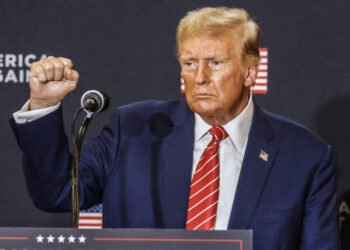 US Midterms Put Trump’s Presidency to the Test
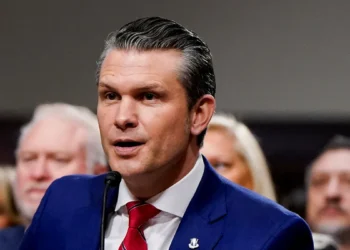 Hegseth Faces Growing Pressure After GOP Election Defeat
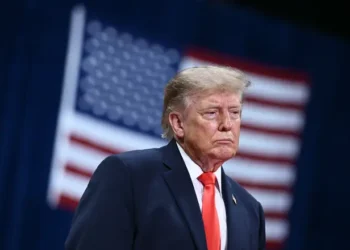 Trump-Backed Republicans Suffer Major Midterm Defeats
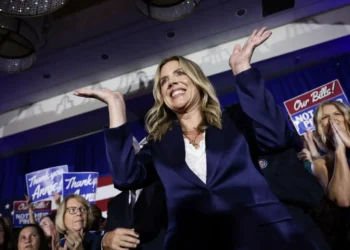 Democrats Expand House Majority in Major Midterm Victory
 Judge Blocks Trump’s $100m Washington Arch Project
 US Pushes for Final Russia-Ukraine Peace Deal