Published: 15 October 2026. The English Chronicle Desk. The English Chronicle Online.
Brazil’s Congress has approved a constitutional amendment to reduce the maximum working week to 40 hours, marking a significant development in the country’s labour policy and delivering a potential political advantage to President Luiz Inácio Lula da Silva ahead of the presidential runoff on 25 October. The reform could affect more than 30 million workers, particularly those employed in retail, restaurants, hotels and other service industries where long working hours and limited opportunities for rest have become major concerns.
The amendment also seeks to end the widely used six-days-on, one-day-off working arrangement, commonly known as the 6×1 schedule. Under the existing system, millions of Brazilians work six days a week before receiving a single day of rest. Supporters of the reform argue that the arrangement leaves workers with insufficient time for family responsibilities, healthcare, education and personal wellbeing.
The Senate approved the constitutional amendment on Wednesday, with 75 senators voting in favour and only one opposing it. The measure had already passed Brazil’s lower house in May, but its progress through the Senate had remained uncertain amid political divisions and opposition from business groups concerned about the economic consequences of reducing working hours.

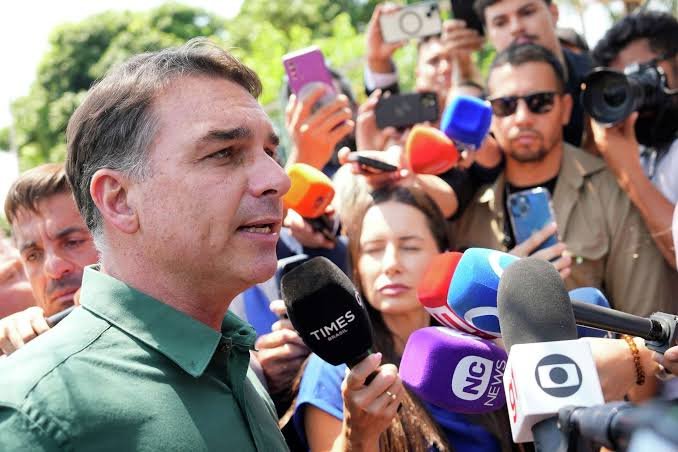
The vote has assumed additional significance because Brazil is approaching a closely contested presidential runoff between Lula and far-right senator Flávio Bolsonaro, the son of former president Jair Bolsonaro. Flávio entered the final stage of the election campaign with a first-round advantage, putting pressure on Lula to strengthen his appeal among working-class voters and groups that have become less supportive of his government since the 2022 election.
For Lula, the working-hours reform represents an opportunity to demonstrate that his administration can deliver tangible improvements to everyday life. The president has repeatedly supported ending the six-day working schedule, presenting the proposal as a matter of workers’ rights, social justice and a fairer distribution of time between employment and personal life.
Following the Senate vote, Lula celebrated the decision in a social media statement, arguing that ending the 6×1 schedule would mean more than simply changing the number of hours people spend at work. He emphasised the importance of allowing workers more time to rest, spend time with their families, watch their children grow up, take care of their health and enjoy life beyond their jobs.
The reform emerged from a grassroots campaign known as Life Beyond Work, which gained momentum through social media, particularly TikTok. The movement was founded by a pharmacy assistant who subsequently entered politics after the campaign attracted widespread attention. Its central message resonated with workers who felt that their employment schedules left them with little opportunity to pursue education, maintain relationships or participate in community life.
Lula and members of his political party subsequently embraced the initiative and worked to secure legislative support. The campaign gained traction among workers who believed that a shorter working week could improve their quality of life without necessarily undermining their ability to earn a living.
The proposal’s popularity has also complicated the position of Flávio Bolsonaro and other conservative politicians. Bolsonaro had opposed the reform for months, warning that reducing working hours could increase unemployment and impose additional costs on employers. Business associations that oppose the measure have similarly argued that companies could struggle to maintain productivity and profitability if they were required to operate with fewer working hours.
However, the senator changed his position on Tuesday, acknowledging that most Brazilian workers supported the change. He subsequently joined the majority of senators who approved the amendment, although he continued to advocate a different approach to regulating working hours and remuneration.
Public opinion appears to have played a significant role in this reversal. Polling cited during the political debate suggested that more than 70 per cent of the general population supported the reform, alongside more than half of Bolsonaro’s own voters. With the runoff approaching, openly opposing a popular labour proposal could have created political difficulties for a candidate seeking support from working-class households.
Despite voting in favour, Bolsonaro indicated that he preferred an alternative arrangement under which remuneration would be linked more directly to the hours actually worked. Reports also suggested that he had told business leaders he would seek to review parts of the amendment if elected president. Several politicians aligned with him raised similar concerns during the Senate debate, indicating that legislative approval may not end the political dispute over how the new rules should operate.
The amendment’s implementation will not begin immediately. The constitutional change must be formally promulgated by the Senate president, after which a 60-day period will follow before the first stage takes effect. The maximum working week is scheduled to fall from 44 to 42 hours initially, with a further reduction to 40 hours after an additional 14 months. The six-day working arrangement will also be abolished under the new framework.
Consequently, workers will not experience the full effects of the reform before the presidential runoff. Nevertheless, its passage could influence how voters assess the candidates’ economic priorities and their willingness to respond to demands for better working conditions.
Political researcher Victor Escobar, who studies parties, elections and comparative politics, suggested that the decision could benefit Lula’s re-election campaign. He argued that voters might feel more economically secure or optimistic when casting their ballots because the proposed changes offer a prospect of greater control over their time.
The political implications are particularly important among lower-paid employees in retail, restaurants and hotels. These sectors employ large numbers of people whose schedules can involve long shifts, weekend work and limited flexibility. Many such workers face a difficult balance between earning enough to meet household expenses and finding time for family life, healthcare and education.
Marilane Oliveira Teixeira, a professor and researcher at the University of Campinas, has examined the potential effects of ending the six-day schedule. She has argued that the existing arrangement can impose substantial physical, psychological and social costs, particularly on workers who have little control over their working hours.
According to Teixeira, having only one day off each week can prevent people from maintaining even a basic social life. The consequences may include exhaustion, health problems and increased workplace risks. Women may face additional pressures because paid employment is frequently accompanied by unpaid domestic responsibilities, including childcare, cooking, cleaning and caring for relatives.
The experiences of individual workers illustrate the human dimension of the debate. Lilian Cristo dos Santos, a 50-year-old saleswoman at a home appliances shop in Salvador, Bahia, described how her single weekly day off often disappears into household responsibilities.
She explained that her current schedule leaves little time to visit a doctor, go to the beach, attend to personal care or pursue further studies. Rather than providing meaningful rest, the day is frequently spent cleaning the house and looking after family members.
Santos voted for Lula, although she said some of her colleagues supported Bolsonaro because they believed he represented political change. Her account highlights the challenge facing candidates attempting to persuade voters that their economic policies will produce practical improvements in everyday life.
For millions of workers, the debate is not simply about whether the working week should contain fewer hours. It concerns the ability to recover from physically demanding jobs, maintain family relationships, access healthcare and develop skills that may improve future employment opportunities.
Employers, however, are likely to focus on the financial and operational implications of the reform. Businesses may need to reorganise shifts, recruit additional staff or change opening arrangements to comply with the new limits. The scale of these adjustments will vary across industries, depending on staffing requirements, productivity and the extent to which companies already operate with flexible schedules.
The transition period may therefore prove important in determining how effectively the policy is implemented. If businesses struggle to adjust, the government could face pressure to provide clearer guidance and ensure that the reform does not create unintended consequences for workers or smaller employers. Conversely, advocates argue that improved rest and reduced exhaustion could support employee wellbeing and potentially contribute to a healthier, more sustainable workforce.
The vote also reflects the changing relationship between grassroots campaigns and established political institutions in Brazil. What began as an online movement led by a pharmacy assistant eventually became a national legislative issue, demonstrating how public pressure can influence the political agenda when a proposal addresses widespread everyday concerns.
Lula has continued to promote other economic measures during the election campaign, including debt relief for microentrepreneurs. He has also sought to reach evangelical Christian voters, many of whom have historically supported Bolsonaro. In a letter to evangelical Christians, Lula emphasised his commitment to ensuring that workers could have two days off each week, arguing that life should not revolve exclusively around employment.
Meanwhile, demonstrations organised by Lula’s supporters have drawn crowds in several parts of the country, and his campaign has sought to strengthen its presence on social media. These efforts, alongside the working-hours reform, form part of a broader strategy to regain support among voters who may be dissatisfied with the government or uncertain about their choice in the runoff.
Nevertheless, the outcome of the election remains uncertain. Political analysts have cautioned that legislative achievements and popular policies do not automatically translate into votes. Economic conditions, perceptions of leadership, campaign messaging and concerns about the future direction of the country will all influence the final result.

Escobar has suggested that many voters have already made their decisions, but a smaller group may remain responsive to political developments during the final days of the campaign. Lula’s challenge is to convince these voters that his proposals will improve their economic circumstances and everyday lives, while Bolsonaro seeks to maintain his advantage and reassure employers and other constituencies concerned about the reform.
The constitutional amendment is therefore both a labour-policy milestone and a central issue in Brazil’s election campaign. Its ultimate impact will depend on implementation, the response of businesses and the extent to which workers experience meaningful improvements in their daily lives.
For millions of Brazilians who currently have only one day each week away from work, the promise of additional rest represents a significant change. Whether the reform becomes a lasting symbol of improved workers’ rights or remains a contested political achievement will depend on how effectively the country turns legislative approval into practical benefits.
Related News:
 Trump’s Revenge Drive Deepens GOP Divide
 Trump and Mamdani Hold Cordial Gracie Mansion Meeting
 Trump Ads Trigger Fight Over Taxpayer Money
 Burnham Opens Door to Possible UK Return to EU
 Latin America women fear rollback of rights
 Tanker Attacked Near Qatar as Hormuz Tensions Escalate
 US Senate Debates Turn Bitter as Midterms Near
 Trump Attacks Norway After Nobel Peace Prize Snub
 Ten US Midterm Races That Could Defy Expectations
 Brazil Court Scandal Threatens Lula as Bolsonaros Rise
 Millions Face Tougher Medicaid Rules From January
 Ohio Airports Become Key Hubs for ICE Deportation Flights
 Trump Targets Arizona and Montana Amid GOP Election Worries
 Thousands Protest ICE Operations in Nationwide US Day of Action
 US Labor Department in turmoil after secretary resigns
 Ukraine Urges UK to Seize Russian Oil Tankers
 US Court Weighs Fate of TPS for Migrants
 US Court Ruling Reshapes Voting Rights Landscape
 US states redraw maps after voting rights ruling
 Judge halts deportation of Yemeni refugees in US
 Trump approval plunges amid Iran war fears
 Trump Threatens UN Budget Cuts as US Pushes ‘Trade Over Aid’ Agenda
 Trump warns Iran as Middle East tensions surge again
 US Awaits Iran Reply on New Ceasefire Proposal
 Immigration Judges Fear Pressure in Trump Era
 Hormuz Talks Near Critical Stage
 Former ICC prosecutor condemns US sanctions
 Gunman Killed After White House Security Shootout
 Le Pen’s Popularity Holds Despite Conviction
 Mystery Grows Over Mitch McConnell’s Health
 Trump Refuses to Sign Housing Bill, But Law Takes Effect
 Trump Orders Signs Criticising Smithsonian Museum
 Is America Ready for an AOC Presidential Run?
 Trump Hardens Canada Trade Stance as Talks Stall
 Green Leader Targets Starmer’s Former Seat
 Trump Calls Iran War ‘Small Potatoes’ Despite US Deaths
 Armed Suspect Attacks Ohio Governor Candidate
 UK plans tougher Israel stance with settlement trade ban
 Trump Pledges $5,000 if Republicans Win Midterms
 Omar Proposes Bill to Redirect ICE Funding
 Texas Transfers Raise Fears for Migrant Children
 Macron and Carney deepen France-Canada ties
 US Networks Suspend Trump White House Pool Coverage
 Trump Eyes Major Belarus Fertiliser Deal Amid Canada Trade Dispute
 Democrat Says ICE Restricted Detention Camp Oversight
 King Refers Jamaica Slavery Petition to Privy Council
 Xi urges Trump to avoid US-China military conflict
 Lula accuses Trump of seeking control over Brazil
 Republican Senator Questions Trump Ad Spending
 French Student Protests Escalate Into Violent Clashes
 Drumcree Talks Falter as Legal Challenge Deepens
 UK-France Returns Deal Faces Expiry as Talks Stall
 Senators warn US childcare policies could raise costs
 Trump Immigration Policy Faces New Legal Tests
 Badenoch Raises Prospect of 2027 UK Election
 French School Protests Escalate as 400 Schools Close
 Families Await USS Abraham Lincoln Homecoming
 Pritzker’s National Profile Grows Ahead of 2028
 Spain Sets Snap Election as Housing Crisis Deepens
 Lithuania Offers to Fund Permanent US Military Base
 Trump Rally Faces Protests as Texas Race Tightens
 Botstein Quits Bard Amid Epstein Investigation Calls
 Trump Says He Deserves Nobel Peace Prize
 USS Lincoln Ends Record 265-Day Deployment
 ICE Agent Shoots Man in New York as Child Escapes Harm
 Turkey Rules Out Troops in Saudi Arabia’s Houthi Conflict
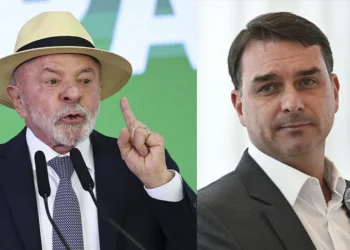 Bolsonaro Gains Key Endorsement Ahead of Brazil Runoff
 Trader Wins Unfair Dismissal Case After Overseas Work
 Navi Pillay Wins Nobel Peace Prize for Justice
 Trump’s Russian Diesel Deal Sparks Ukraine Fury
 US Execution Livestream Plan Sparks Global Outrage
 Controversial Vaccine Trial Approved in Guinea-Bissau
 France Faces Debt Crisis as Protests and Markets Clash
 Premier League Faces a Crisis of Trust After City Verdict
 Delhi Detains Protest Leaders as Youth Rally Escalates
 Trump Names Katie Zachariah as Next White House Press Secretary
 Farage Rejects Claims Reform Would Let Troops Shoot Migrants
 UK Urges Interpol to Reject Argentina’s Falklands Arrest Requests
 Judge Blocks Trump White House Media Ban
 Trump Warns Alaska Voters Over Rival Dan Sullivans