Published: 24 October 2026. The English Chronicle Desk. The English Chronicle Online
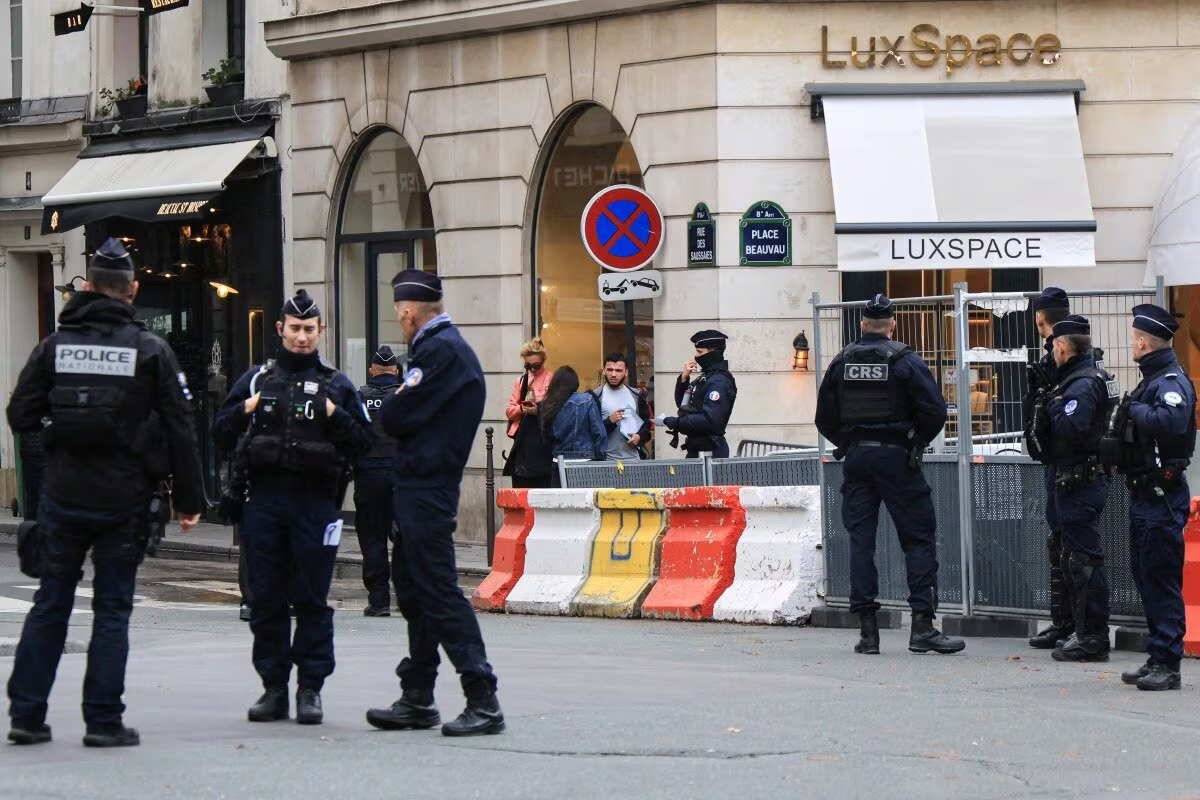
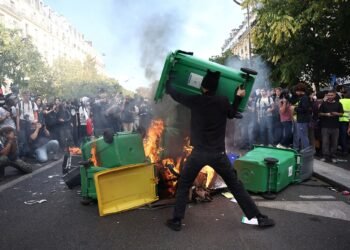
France is preparing to deploy approximately 70,000 police officers and security personnel across the country on Saturday as the government attempts to prevent further civil unrest following some of the worst street violence witnessed in recent years. The extensive security operation comes after demonstrations over the rising cost of living descended into clashes, vandalism and widespread looting in several major cities last weekend, raising concerns about public safety and the country’s political stability ahead of next year’s presidential election.
Interior Minister Laurent Nuñez announced the security arrangements on Friday, warning that authorities would respond firmly to any violence during the planned demonstrations. The operation will involve additional police personnel, elite security units normally deployed in counter-terrorism operations and hostage-rescue situations, water cannon, armoured vehicles, mounted police, helicopters and drones. Officials are seeking to prevent peaceful demonstrations from being exploited by groups intent on confrontation, destruction and attacks on businesses or public institutions.
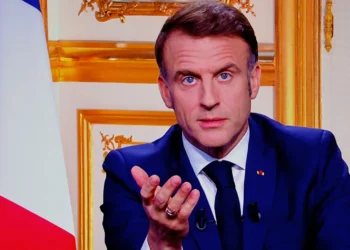
Speaking after a meeting of senior ministers and officials chaired by President Emmanuel Macron, Nuñez said the authorities were not preparing for an ordinary, peaceful gathering. He warned that the security forces would show no tolerance towards violent conduct and would act decisively against rioters and looters. The interior minister also pointed to calls for violence circulating on social media, which he attributed to groups described by the government as belonging to the ultra-left.

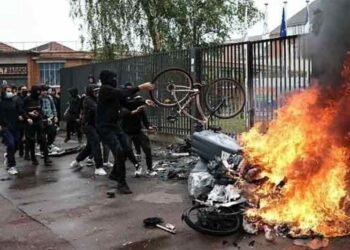
The deployment represents a significant escalation in France’s efforts to restore order after the previous weekend’s unrest exposed the difficulties facing the government. Although many demonstrations began peacefully, groups of determined rioters reportedly took advantage of the gatherings to attack property, loot commercial premises and confront security forces. Paris, Marseille, Lyon and several other cities experienced serious disorder, while a fire at the town hall in Limoges caused extensive damage and left part of the historic building destroyed.
The scale of the violence has placed the government under considerable pressure. Officials have acknowledged that they lost control during parts of Saturday’s disturbances, prompting questions about the effectiveness of existing security arrangements and the state’s ability to protect communities during periods of widespread public anger.
Authorities are now attempting to prevent a repeat of those scenes while managing the competing demands of public safety, freedom of assembly and the right to protest. The challenge is particularly sensitive because the demonstrations are connected to broader concerns about living costs, public services, housing affordability and government spending cuts. These issues have fuelled discontent among sections of the population already struggling with financial pressures and uncertainty about their economic future.
The expected security operation has also affected cultural life and commercial activity, particularly in Paris. Several prominent museums and cultural institutions, including the Louvre, the Musée d’Orsay, the Picasso Museum and the Grand Palais, announced that they would close on Saturday amid concerns about possible unrest. The closures are expected to disrupt visitors, tourism-related businesses and cultural programmes in a city internationally recognised for its museums, galleries and historic attractions.
Art Basel, one of the world’s most prestigious contemporary art fairs, opened to the public on Friday. However, organisers cancelled the weekend programme, limiting the event’s public opening to a single day because of concerns about the security situation. The decision highlights the wider economic consequences of the unrest, as cultural events depend on the confidence of visitors, exhibitors, staff and businesses operating in surrounding areas.
Shopkeepers have also taken precautionary measures. In Paris, particularly around Place de la République, where disturbances occurred last weekend, businesses have boarded up windows and entrances to protect their premises from potential looting. Banks and other commercial establishments have installed wooden panels as a precaution against damage.
Similar concerns have emerged in Lyon, where closed shops and boarded-up storefronts have reflected the lingering effects of recent demonstrations. For small business owners, the threat of renewed violence presents a serious financial risk. Repair costs, lost sales and interruptions to normal operations can place additional pressure on traders who may already be facing rising operating expenses.
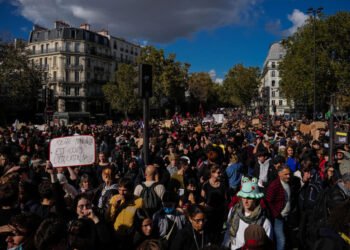
Restrictions on demonstrations have become another major point of controversy. Several French cities have prohibited rallies in particular locations or required organisers to change their planned routes to protect public buildings, commercial districts and other sensitive areas. Authorities in Lyon and some other large cities have restricted access to central areas, while Paris has authorised a trade union march along a limited route between Place de la Bastille and Place de la Nation in the eastern part of the capital.
Requests for demonstrations in Paris by France’s main student union, UNEF, and the Yellow Vests movement were refused. The Yellow Vests, whose nationwide protests shook the country in 2018, have planned hundreds of smaller events across France. UNEF has also indicated that its demonstrations would proceed despite the restrictions. The student union’s recent mobilisation has been linked to concerns about teacher shortages and deteriorating school facilities.
The government’s approach has drawn criticism from trade unions and opposition politicians, who argue that restricting demonstrations risks deepening public frustration rather than resolving it. Marylise Léon, secretary-general of the CFDT trade union federation, accused Macron of abusing his authority and warned that preventing people from gathering could be counterproductive when many citizens are demanding that their concerns be heard.
The left-wing political party La France Insoumise, led by Jean-Luc Mélenchon, also condemned the restrictions, arguing that the measures threatened democratic freedoms and could generate further disorder. The dispute has placed the government in a difficult position: officials must protect residents and businesses, but excessive restrictions could intensify criticism from people who believe peaceful protest is an essential democratic right.
The political consequences are becoming increasingly significant as France approaches the presidential election expected next spring. Macron and his government are facing growing pressure to demonstrate that they can restore public order while responding to the social and economic grievances driving the demonstrations. The unrest has also created opportunities for opposition parties to challenge the government’s handling of the crisis.
Marine Le Pen, the far-right National Rally leader and a prominent contender in the upcoming presidential race, is scheduled to host her party’s congress in Orléans. The gathering is expected to attract thousands of supporters, while left-wing and anti-racist opponents may also mobilise. The prospect of rival political groups assembling during a period of heightened tension adds another layer of complexity to the authorities’ security preparations.
Justice Minister Gérald Darmanin said that 217 people had been jailed since Saturday, approximately half of whom were first-time offenders. The figures illustrate the legal consequences of the unrest and the government’s determination to pursue those accused of serious offences. On Thursday, Macron called for the utmost severity against acts of criminality, blaming organised groups for much of the looting and accusing ultra-left elements of contributing to the most serious violence.
However, the unrest is not confined to France. Demonstrations linked to similar social and economic grievances are expected in several European countries over the weekend. Planned protests include gatherings in Milan, Rome and Turin in Italy; Vienna in Austria; Madrid, Barcelona and other Spanish cities; Lisbon and Porto in Portugal; Dublin in Ireland; and Tirana in Albania. The planned events reflect a wider wave of dissatisfaction concerning public services, housing costs, government spending decisions and the rising cost of everyday necessities.
Further concerns emerged on Friday after a shooting in Trappes, west of Paris, left one person dead and four others injured, including a 12-year-old girl. Police said the attack could have been racially motivated, although the circumstances and motive remained under investigation. The incident added to an already tense security environment and renewed concerns about violence and community relations.

As Saturday’s demonstrations approach, heavy rain and strong winds forecast in parts of France could affect turnout. Nevertheless, the authorities are preparing for a range of possible scenarios, from peaceful marches to renewed confrontations. The government has made clear that preventing further destruction is its immediate priority, while protest organisers and political opponents continue to challenge restrictions on public gatherings.
France now faces a delicate test of its ability to maintain public order without deepening the divisions behind the unrest. The deployment of tens of thousands of security personnel may deter violence, but the longer-term challenge extends beyond policing. Addressing concerns about living costs, housing, education, public services and economic insecurity will remain essential if the government hopes to rebuild public confidence. Saturday’s developments could therefore have consequences not only for public safety but also for the country’s political debate in the months leading up to the presidential election.
Related News:
 Masked Protesters Bring Dover Port Traffic to Standstill
 King Refers Jamaica Slavery Petition to Privy Council
 Elif Eralp Emerges as Berlin’s Next Political Force
 Three Die in Channel Crossing Attempt Near France
 French Student Protests Escalate Into Violent Clashes
 French School Protests Escalate as 400 Schools Close
 France Promises 3,000 Teachers as Student Protests Grow
 Macron Condemns Violence as France Faces 2,400 Arrests
 Milan Luxury Stores Shut as Italy Plans Troop Deployment
 Second world war veterans honoured as King leads Remembrance Sunday
 NHS Safety Fears as Nurses Cover Doctor Gaps
 Ceasefire Standoff Deepens in Ukraine War
 France Faces Record Presidential Crowded Race Amid Far-Right Surge
 Irish Gangland Figure Fails in Dublin Election Bid
 Farage and Reform UK Reshape British Politics
 Starmer Leadership Under Pressure After Setbacks
 Deadly Russian Air Raids Strike Across Ukraine
 UK Nations Brace for Potential Breakup Amid Reform Surge
 Dreyfus Statue Finally Gets Permanent Paris Home
 Ukraine Villagers Demand Answers After Deadly Arms Depot Strike
 British Man Faces Deportation Threat in Sweden
 Green Leader Targets Starmer’s Former Seat
 Bayeux Tapestry Revives Franco-British Ties
 UN expert urges UK to rethink Israel policy
 Ministers Condemn Far-Right Unrest in Portsmouth
 British widow says deportation from Sweden feels like a death sentence
 Europe’s democracies face a growing far-right threat
 Miliband Rejects Chief Rabbi’s West Bank Warning
 Patriot Platform Raises Concern Across Britain
 Mahmood Warns Far Right Over Asylum Protests
 Lib Dems Prepare for Election Amid Reform Challenge
 Briton Faces Cyprus Court Over Son’s Fatal Fall
 UK Reviews Hague Child Abduction Cases Involving Abuse
 Far-Right Activist Slashes Dinghy in Channel
 Greece Pushes for Parthenon Marbles Reunification
 Far-Right Activist Arrested After Channel Dinghy Incident
 Portadown protest ends after tense Orange Order standoff
 Madrid Tent Camp Grows as Spain Housing Crisis Deepens
 Burnham Opens Door to Possible UK Return to EU
 Drumcree Talks Falter as Legal Challenge Deepens
 UK-France Returns Deal Faces Expiry as Talks Stall
 Green Party faces dispute over Zionism motion
 Hundreds of UK prisoners released early amid overcrowding
 Drumcree Talks End Without Agreement Ahead of Appeal
 Bosnia’s Young People Look Beyond Election Hope
 Latin America women fear rollback of rights
 Spain Sets Snap Election as Housing Crisis Deepens
 Gosport Protesters Clash With Police Over Migrant Rescue
 Former German Intelligence Chief Arrested Over Espionage
 Holborn and St Pancras Vote Tests Labour and Greens
 Luton Residents Reject Claims of ‘No-Go Zones’
 France Urges UK to Consider Returning to EU
 French Student Protests Grow Despite Government Pledge
 Labour Wins Key London By-election as Greens Fall Short
 EU Divisions Deepen Over Israel Policy
 Burnham Rises as Farage and Polanski Face Setbacks
 Labour Beats Greens in Crucial London By-election
 Navi Pillay Wins Nobel Peace Prize for Justice
 Jewish Greens Leader Calls for Polanski to Quit
 France Faces Debt Crisis as Protests and Markets Clash
 UK Gaza Refugee Route Criticised Over False Hope Claims
 Recruitment Boss Accused of Leading Doxxing Campaign
 French Students Protest Poor Conditions in Paris Suburbs
 UK Greens Face Crisis Over Zionism and Extremism Row
 Greta Thunberg Backs French Students in School Protests
 England and Wales Begin Second Wave of Early Prison Releases
 Farage Rejects Claims Reform Would Let Troops Shoot Migrants
 French Police Face Scrutiny Over Injured Teenagers
 Trump Slams Ukraine Strikes as Russia Ceasefire Collapses
 Jenrick Defends Farage Amid Fresh Reform Racism Claims
 Marseille Activist Defies France’s Powerful Drug Gangs
 Zelenskyy Accuses US of Delaying Ukraine Missile Supplies
 Zelenskyy Says US Failed to Warn Kyiv of Russian Strikes
 Helen Haines Loses Both Legs After Alleged Attack
 Jess Phillips Urges Supreme Court to Reverse Abuse Ruling
 French Fast-Track Courts Face Backlash Over Riot Cases
 Milan Braces for Unrest as Debate Intensifies Over Lost Generation
 England and Norway Fans Turn Miami Into World Cup Carnival
 London Facial Recognition Trial Ends With False Alert
 Badenoch Raises Prospect of 2027 UK Election