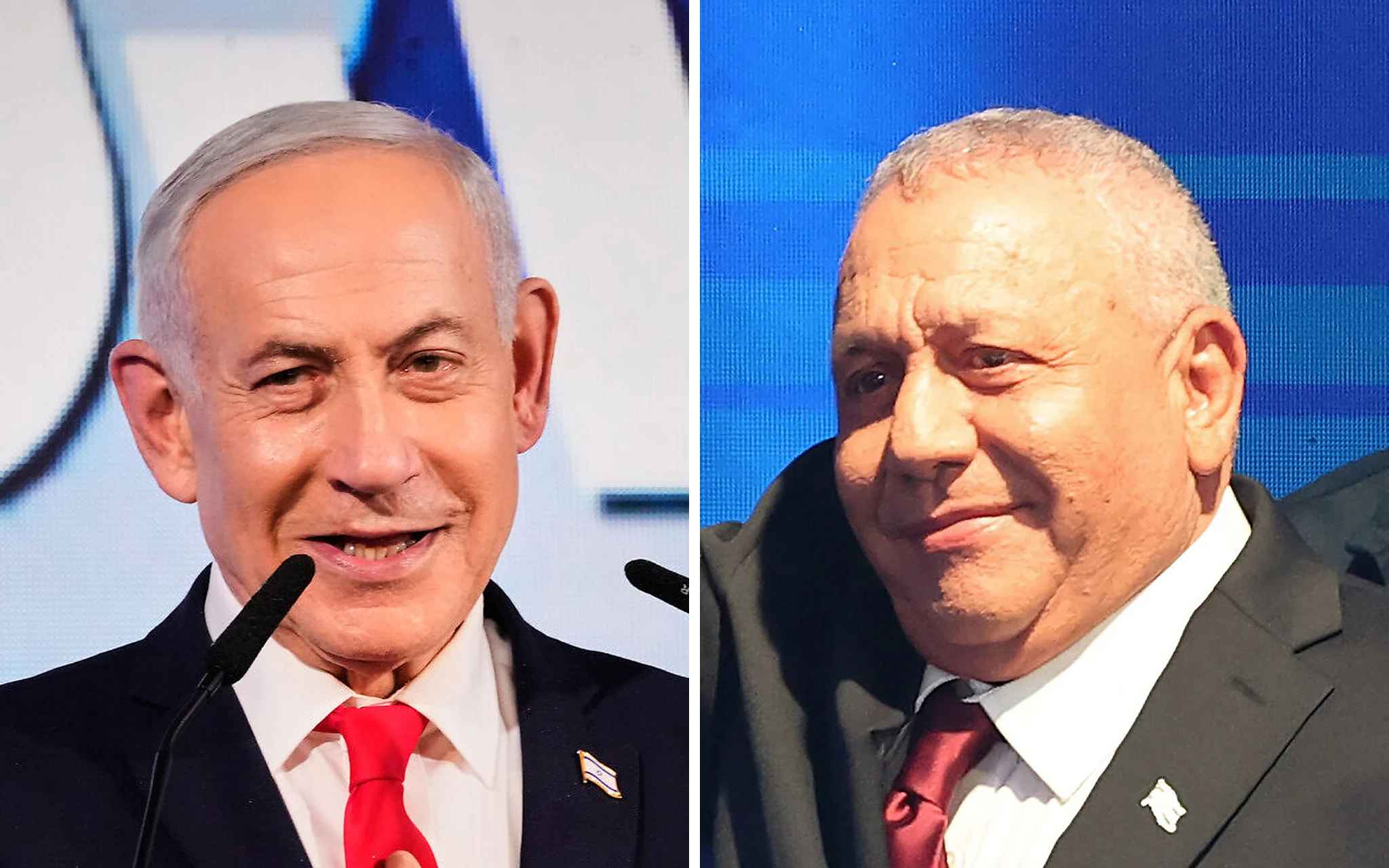
Israel’s newly elected parliament is preparing for a crucial political confrontation that could determine whether Prime Minister Benjamin Netanyahu remains in power or faces the formation of an alternative government. As the new Knesset is sworn in, opposition parties are seeking control of the speaker’s position, a powerful parliamentary role that could influence the pace and direction of efforts to remove Netanyahu from office.
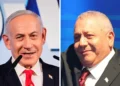
The political struggle comes at a time when opposition leader Gadi Eisenkot has received a mandate to attempt to form a coalition government. However, despite the opposition bloc holding a majority of seats in the 120-member parliament, deep disagreements over the participation of Palestinian-led parties and other political priorities have made negotiations difficult.

The election of a new Knesset speaker is therefore emerging as an immediate strategic priority. The speaker controls the legislature’s agenda and can influence how quickly parliamentary business proceeds, making the position particularly important during a period of political uncertainty. The office is currently held by Amir Ohana, a close ally of Netanyahu, and opposition politicians believe replacing him could prevent the outgoing prime minister from using parliamentary procedures to obstruct their efforts.
Israeli media have reported that Eisenkot, a former military chief who is now leading the attempt to establish a new government, could personally become the candidate for speaker. If he chooses not to take the position, opposition parties have agreed that a representative from his Yashar party will be nominated.
The opposition bloc controls 67 of the Knesset’s 120 seats, giving it sufficient numbers to elect a speaker if its members remain united. This majority could provide the first practical opportunity for Netanyahu’s opponents to take control of an important state institution, even before they resolve their disagreements over the formation of a government.
However, the parliamentary transition is taking place amid warnings of possible disruption and violence. More than 160 former senior security officials, including individuals who previously held leading positions in the military, intelligence services and police, have raised concerns about threats from rightwing activists opposed to replacing the speaker.
In a letter addressed to serving security chiefs, a group of retired commanders operating under the name Democracy’s Protective Wall warned that activists could attempt to prevent members of parliament and their families from entering the Knesset during the swearing-in ceremony.
The letter alleged that individuals opposed to the proposed change in parliamentary leadership were planning to gather outside the building and encourage thousands of supporters to join them. The former officials urged security authorities to take the warnings seriously and ensure that elected representatives could enter parliament safely.
The possibility of confrontation has added urgency to an already tense political situation. The Knesset is not only beginning a new parliamentary term but also becoming the centre of a wider struggle over the country’s political direction. Any attempt to disrupt the swearing-in or prevent lawmakers from carrying out their duties could further deepen divisions within Israeli society.
Although the opposition parties share the objective of removing Netanyahu, their ability to form a stable government remains uncertain. The 67-seat bloc includes Jewish-Israeli opposition parties as well as Palestinian-led political parties that collectively hold 19 seats. Palestinian citizens of Israel account for approximately one-fifth of the country’s population, and their representation has become a decisive factor in the latest political contest.
The increased participation of Palestinian voters in the election has strengthened the parliamentary position of their political representatives. Without their support, the opposition bloc would have fewer seats than Netanyahu’s weakened coalition, making it difficult to establish an alternative government.
Yet several Jewish-Israeli opposition parties have ruled out joining a coalition that includes Palestinian-led parties. Some have also rejected the possibility of supporting a minority government that depends on their backing. These commitments have created a major obstacle for Eisenkot, who must find a way to bring together political groups with sharply different positions.
The disagreement has also triggered public protests across Israel. Demonstrators have urged Jewish-Israeli opposition parties to prioritise replacing Netanyahu rather than maintaining political commitments that exclude Palestinian-led parties from government. Their argument is that the immediate political objective should be ending Netanyahu’s leadership, even if that requires compromises that were previously considered unacceptable.
Eisenkot has promised to work towards a national emergency government and has suggested that achieving such an arrangement may require unconventional political decisions. His comments indicate that he understands the difficulty of building a coalition from parties that have different ideological positions, security priorities and approaches to the Palestinian political question.
He has also warned that political leaders may need to abandon some of their election promises to achieve a broader agreement. Eisenkot argued that no party would be able to implement every commitment made during the campaign and that compromise would be necessary. He described the ability to make difficult decisions and establish priorities as an essential part of political leadership.
His remarks suggest that the negotiations may involve significant concessions, particularly over the participation of Palestinian-led parties and the military conscription debate. However, securing agreement among all opposition factions remains a complicated task.
Another possible route to government formation is being pursued by Avigdor Lieberman, a rightwing opposition leader who has been exploring cooperation with ultra-Orthodox Jewish parties. These groups have traditionally supported Netanyahu, but tensions have developed over his failure to secure legislation providing broad exemptions from military service for members of their communities.
Lieberman has campaigned for universal military conscription, a position that places him at odds with the ultra-Orthodox parties. Nevertheless, his apparent willingness to negotiate over the issue has raised the possibility of a political arrangement that could bypass the Palestinian-led parties.
Such an alliance would create its own difficulties. The ultra-Orthodox parties have longstanding political relationships with Netanyahu, while Lieberman has frequently taken a hardline position against their demands. The prospect of cooperation has therefore surprised sections of the ultra-Orthodox political community.
The negotiations are particularly sensitive because Netanyahu has a long record of political manoeuvring and has previously survived difficult parliamentary situations by persuading political allies and individual lawmakers to change sides. His opponents fear that giving him additional time could allow him to undermine a fragile agreement before it becomes a functioning government.
For this reason, the timing of the speaker election could be just as important as the eventual coalition agreement. Even if Eisenkot succeeds in negotiating a government, he may delay formally announcing it until Ohana has been replaced. Opposition politicians are concerned that the current speaker could use his authority to delay parliamentary procedures and give Netanyahu an opportunity to influence undecided lawmakers.
Under the parliamentary arrangements, Ohana could potentially delay the swearing-in of a new government for up to a week. Opposition leaders believe that even a relatively short delay could create political opportunities for Netanyahu, who may attempt to attract defectors and weaken the proposed coalition.
If Eisenkot fails to form a government, the mandate could pass to another political leader. Should subsequent attempts also fail, Israel could be forced to hold another election. During such a period of uncertainty, Netanyahu and his far-right allies would remain in office as a caretaker government.
That possibility could work in Netanyahu’s favour. Although he has called on opposition politicians to join him in a unity government, an extended political deadlock followed by another election could provide him with an opportunity to return to a stronger position.
The outcome would depend not only on the number of parliamentary seats but also on the ability of opposition leaders to maintain discipline and overcome ideological disagreements. Their immediate success in replacing the Knesset speaker could give them greater control over the parliamentary process, but it would not automatically resolve the deeper political divisions preventing government formation.
Gideon Rahat, chair of political science at the Hebrew University of Jerusalem, has argued that establishing an alternative government could make it more difficult for Netanyahu to regain power through political manoeuvring. Even a minority government would have the advantage of exercising executive authority once it was established, despite facing challenges in passing legislation and implementing its programme.

The coming days will therefore be critical for Israel’s political future. The new Knesset’s leadership decision could determine whether the opposition gains an immediate advantage or whether Netanyahu retains influence over the parliamentary process while negotiations continue.
For Eisenkot and the parties seeking political change, the challenge is to turn their numerical majority into a workable governing arrangement. Their ability to agree on the role of Palestinian-led parties, military conscription and other contentious issues will determine whether the current opportunity becomes a lasting political transition or another period of uncertainty.
Related News:
 Israel Accused of Undermining Palestinian Life
 Saudi Pact Raises Risk of Pakistan Entering War
 Tanker Attacked Near Qatar as Hormuz Tensions Escalate
 Israel Promotes Film Challenging Controversial Gaza Documentary
 Delhi Braces for Youth Protests Over Voter Roll Dispute
 India’s Voter Roll Crisis Sparks Nationwide Protests
 Gadi Eisenkot: Israel’s Anti-Netanyahu Challenger
 Bedouin Women Drive Historic Arab Election Gains
 Arab Coalition Sees Historic Chance to Oust Netanyahu
 Iran Crisis Tests Trump’s Global Leadership
 Cartel crackdown raises fears of fresh violence
 US states redraw maps after voting rights ruling
 Former ICC prosecutor condemns US sanctions
 Houthis Strike Saudi Arabia as Middle East Tensions Rise
 Israeli Strike in Southern Lebanon Kills Seven
 Five Years of Taliban Rule Leave Afghanistan in Crisis
 Trump Calls Iran War ‘Small Potatoes’ Despite US Deaths
 Miliband Rejects Chief Rabbi’s West Bank Warning
 Saudi Arabia Shuts Oil Pipeline After Drone Attack
 Nearly 50,000 Flee as Houthis Advance in Yemen
 South Korea Rules Out Military Role in Iran War
 Trump Media Ban Triggers First Amendment Clash
 US Networks Suspend Trump White House Pool Coverage
 Japan PM Backs International Criminal Court
 Irish PM Backs Coach in Israel Football Dispute
 UK Pauses Chagos Deal Amid US Opposition
 Saudi intercepts Houthi missiles as oil fears grow
 Republican Senator Questions Trump Ad Spending
 Trump Ads Trigger Fight Over Taxpayer Money
 Drumcree Talks Falter as Legal Challenge Deepens
 UK-France Returns Deal Faces Expiry as Talks Stall
 New Maps Reveal Gaza’s Vast Destruction
 Germany Pledges €1bn Military Aid to Ukraine
 Latin America women fear rollback of rights
 Israel Marks Three Years Since October 7 Attack
 Trump Says He Deserves Nobel Peace Prize
 Sri Lanka Ex-First Lady Arrested Over Donation Probe
 India’s Youth Movement Alleges Mass Detentions Before Protest
 Gaza War Deepens India’s Strategic Ties With Israel
 Turkey Rules Out Troops in Saudi Arabia’s Houthi Conflict
 Pakistan Lawyers Back PTI Long March and Demands
 Trump Rules Out Iran Attack Before US Elections
 Delhi Tightens Security Ahead of Election Protest
 Controversial Vaccine Trial Approved in Guinea-Bissau
 Trump Attacks Norway After Nobel Peace Prize Snub
 Delhi Detains Protest Leaders as Youth Rally Escalates
 PTI Announces Swabi Rally Ahead of Long March Plans
 Riyadh Airport Hit Again as Yemen Conflict Escalates
 Brazil Court Scandal Threatens Lula as Bolsonaros Rise
 Ohio Airports Become Key Hubs for ICE Deportation Flights
 Farage Rejects Claims Reform Would Let Troops Shoot Migrants
 UK Urges Interpol to Reject Argentina’s Falklands Arrest Requests
 Ukrainian Soldier Faces Trial Over Nord Stream Blast
 Judge Blocks Trump White House Media Ban
 Serbia Leader Linked to Controversial Trump Tower Plan
 Saudi Arabia Faces Outcry Over Execution of Former Minor
 Suu Kyi Appears in Rare Photos After Royal Gift
 Zelenskyy Accuses US of Delaying Ukraine Missile Supplies
 Fifth Foreign Firm Withdraws From Jerusalem Cable Car Plan
 Massive Student-Led Movement Marches in Belgrade Ahead of Serbian Vote
 Netanyahu Faces Defining Election Test as Israel Divides
 Xi Jinping Tightens China’s Anti-Corruption Campaign
 Ukraine Peace Talks Set to Resume in November
 Serbia’s Student Victory Sparks a ‘Smell of Freedom’
 Trump’s Midterm Campaign Faces Racism and Political Backlash
 China Expels Record 33 Officials in Xi Jinping Purge
 UAE Nominee Faces Backlash Over Sudan War Role
 Global Crises Test Diplomacy as Trump’s Policies Face Scrutiny
 US Strikes Iran Island as Vance Signals Hope for Peace
 Paraguay President Impeached and Arrested After Banking Crisis
 Qatar Pushes Iran Deal to Reopen Strait of Hormuz
 Stephen Miller’s Rise Puts Hardline Views at Centre of Power
 US Pushes for Final Russia-Ukraine Peace Deal
 Trump Defends Hegseth as Impeachment Push Intensifies
 Injured Mojtaba Khamenei Elevated as Iran Leader
 Maldives Cave Diving Tragedy Raises Safety Alarm
 Badenoch Raises Prospect of 2027 UK Election
 Yemen government launches offensive against Houthis
 Trump Again Demands Peltola Prosecution as Alaska Race Escalates
 Hegseth Faces Growing Pressure After GOP Election Defeat