A candidate representing One Nation in Victoria has apologised after a series of offensive social media posts from more than a decade ago resurfaced, drawing criticism over racist, Islamophobic, sexist and homophobic language. Chris Moore, the party’s candidate for the Greenvale electorate on Melbourne’s north-western fringe, acknowledged that the comments were inappropriate but said they did not reflect the person he is today. Despite the controversy, One Nation Victoria has not withdrawn its endorsement of Moore, raising questions about the party’s candidate selection procedures and its response to discriminatory conduct among its political representatives.
The posts, which appeared on Moore’s personal Facebook account between 2010 and 2012, included derogatory references to people of Indian background, women wearing burqas, refugees and lesbians. Some of the comments used offensive language to describe ethnic and religious communities, while others contained sexist remarks about women and crude references to sexual orientation. Their resurfacing has placed the candidate under scrutiny as he prepares to contest a state parliamentary seat in an electorate with a diverse population.

In a statement, Moore described the posts as thoughtless comments that he had shared when he was younger and communicating among close friends. He said they did not represent his current views or character. Moore added that his attention was now focused on representing the people of Greenvale and providing them with a strong voice in the Victorian Parliament.
However, the nature and number of the posts have intensified questions about whether a political candidate’s previous public statements should be considered relevant to their suitability for elected office. While Moore has apologised, critics argue that the comments raise concerns about his understanding of the communities he hopes to represent and whether his political party has adequately assessed his background.
One of the posts, shared in 2012, showed a woman and a child wearing burqas standing between two large plastic rubbish bags. Moore accompanied the image with a caption inviting viewers to identify the difference between the people and the rubbish. The comparison was widely regarded as demeaning towards Muslim women and children, using religious clothing as the basis for a degrading joke.
Other posts targeted former Australian prime minister Julia Gillard. Moore shared an image featuring Gillard alongside a character from the television programme Home and Away. The accompanying captions included sexually degrading language directed at the former prime minister. The material has renewed attention to the sexist abuse frequently directed at women in public life, particularly those who hold senior political positions.
Moore also made repeated derogatory references to Australians of Indian background. In one post, he acknowledged that he should stop shouting an offensive racial slur at his television because Indian people lived next door. In another, he described employing people he referred to using the same slur to wash his car and made a disparaging remark about refugees.
The comments were not limited to racial or religious groups. Moore also posted a question mocking the domestic responsibilities of lesbian couples. In another message, he complained about the way a gay cleaner at his workplace looked at him. Together, the posts reveal a pattern of language targeting people on the basis of ethnicity, religion, gender and sexual orientation.
The controversy has attracted criticism from political opponents, particularly because Greenvale is home to communities with varied cultural and religious backgrounds. The electorate has a significant Islamic and West Asian population and is among the Victorian constituencies with a high proportion of residents born in the Middle East. Its demographic profile makes the candidate’s previous comments especially relevant to the debate about representation, inclusion and political responsibility.
Greenvale is currently held by Labor’s Iwan Walters, who also serves as a parliamentary secretary for multicultural affairs. The seat has a Labor margin of 7.1 percentage points, although the previous election saw a swing of almost 15 per cent against Labor on a two-party-preferred basis. Those figures suggest that the electorate has experienced considerable political movement, making the contest important for the parties seeking to strengthen their position in Victoria.
A Labor spokesperson described Moore’s historical posts as reprehensible and called on One Nation to withdraw its endorsement. The spokesperson also urged the Liberal Party not to give preferences to the candidate, arguing that racist, Islamophobic and sexist comments had no place in public life.
The criticism places pressure on One Nation to explain why Moore remains its candidate despite the resurfaced material. The party has faced similar controversies involving other Victorian candidates in recent days, with two candidates having their endorsements withdrawn over offensive or inappropriate social media content.
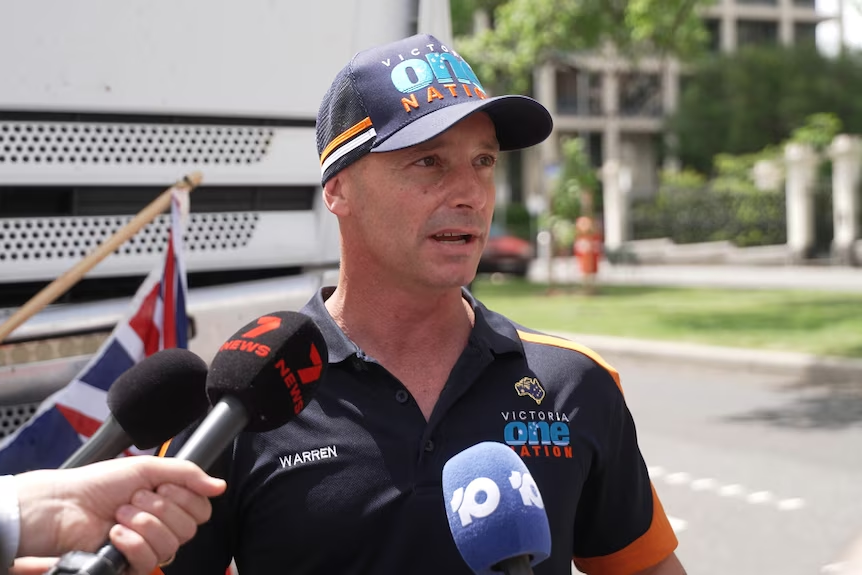
On Tuesday, One Nation Victoria disendorsed its candidate for Preston, Franco Guardiani, after comments on his private social media account came to light. The posts reportedly included praise for Adolf Hitler, whom Guardiani described as the greatest of all time, alongside an inflammatory claim concerning Islam and child abuse. The party’s Victorian leader, Warren Pickering, said Guardiani was disendorsed after the comments were confirmed.
Pickering said the party was appalled by the remarks, particularly at a time when Jewish Australians were experiencing what he described as unprecedented persecution. Guardiani expressed disappointment over the decision to remove him as a candidate but said he understood the party’s position.
One Nation also withdrew its endorsement of Matthew Collins, who had been selected to contest the seat of Melbourne. Collins faced criticism over now-deleted social media comments concerning sexual consent and pornographic jokes. He apologised for the remarks after they became public.
The separate controversies have raised questions about the consistency of the party’s disciplinary decisions. While Guardiani and Collins were removed as candidates, Moore has retained his endorsement despite acknowledging that his own historical posts were inappropriate. The different outcomes have prompted scrutiny of the standards used by the party when deciding whether a candidate can continue representing it.
The incidents have also placed the party’s candidate vetting procedures under examination. It remains unclear how the social media histories of the three candidates were not identified or adequately addressed before their selection. One Nation has previously said it has invested time and financial resources in strengthening its screening process, suggesting that candidate background checks are an important part of its efforts to improve internal standards.
In Victoria, candidates seeking to represent One Nation are required to provide their personal social media accounts for examination. They are also interviewed by a three-member selection panel, which includes Pickering and two other party officials. The process is intended to assess candidates before they receive formal endorsement.
The emergence of controversial posts after candidates have been selected raises questions about the effectiveness of those checks. Social media accounts can contain years of public statements, photographs and interactions that may become politically significant long after they were originally published. Political parties therefore face the challenge of assessing not only a candidate’s current positions but also their historical public conduct.
The issue is particularly important in elections where candidates seek support from communities with different cultural, religious and social backgrounds. Political representatives are expected to engage with voters respectfully, even when they hold different views on public policy or social issues. Comments that demean particular groups can undermine public confidence and create concerns about whether those communities will receive fair and respectful representation.
Moore’s apology may help explain his position, but it has not ended the political debate surrounding his candidacy. His decision to describe the remarks as products of his younger years does not remove the questions facing One Nation over its selection process or its response to offensive conduct. The party must also contend with the possibility that voters will assess the controversy when deciding whether to support its candidate.

For the moment, Moore remains the endorsed One Nation candidate for Greenvale. The party has not announced a decision to remove him, despite the criticism from Labor and the wider scrutiny surrounding its recent candidate controversies. As the Victorian election campaign develops, attention is likely to remain on how political parties vet their representatives, respond to discriminatory statements and demonstrate accountability to the communities they seek to serve.
The controversy has therefore become more than a dispute over old social media posts. It has raised broader questions about political standards, candidate responsibility and the treatment of minority communities in public debate. Whether Moore’s apology will satisfy voters remains uncertain, but the episode has placed One Nation’s candidate selection procedures firmly under the spotlight.
Related News:
 Taylor Faces Backlash Over Response to Haines Attack
 McKenzie Warns MP Safety Fears Could Weaken Democracy
 Is America Ready for an AOC Presidential Run?
 Five Years of Taliban Rule Leave Afghanistan in Crisis
 Lib Dems Prepare for Election Amid Reform Challenge
 Elif Eralp Emerges as Berlin’s Next Political Force
 Drumcree Talks Falter as Legal Challenge Deepens
 UK-France Returns Deal Faces Expiry as Talks Stall
 Green Party faces dispute over Zionism motion
 Latin America women fear rollback of rights
 NSW Police Bid Delays Inquiry Into Sydney Protest
 India’s Youth Movement Alleges Mass Detentions Before Protest
 Gaza War Deepens India’s Strategic Ties With Israel
 Bolsonaro Gains Key Endorsement Ahead of Brazil Runoff
 Controversial Vaccine Trial Approved in Guinea-Bissau
 Trump Attacks Norway After Nobel Peace Prize Snub
 Delhi Braces for Youth Protests Over Voter Roll Dispute
 Trump Names Katie Zacharia as Next White House Spokesperson
 Australian Advocates Seek Subsidised Drugs for PMOS
 UK Gaza Refugee Route Criticised Over False Hope Claims
 PTI Announces Swabi Rally Ahead of Long March Plans
 French Students Protest Poor Conditions in Paris Suburbs
 UK Greens Face Crisis Over Zionism and Extremism Row
 Greta Thunberg Backs French Students in School Protests
 Millions Face Tougher Medicaid Rules From January
 Ohio Airports Become Key Hubs for ICE Deportation Flights
 Farage Rejects Claims Reform Would Let Troops Shoot Migrants
 Camera Discovery Triggers Navy Ship Investigation
 Gadi Eisenkot: Israel’s Anti-Netanyahu Challenger
 One Nation Pledges $2,000 Baby Subsidy in Victoria
 Cormann Warns Australia Against Populist Migration Caps
 Helen Haines Loses Both Legs After Alleged Attack
 Greens Face Leadership Test as Jordon Steele-John Misconduct Claims Leave Party in Limbo
 Serbia’s Student Victory Sparks a ‘Smell of Freedom’
 Trump’s Midterm Campaign Faces Racism and Political Backlash
 Campbell Urges Australia to Defend Democratic Politics
 King Charles Faces Calls for Slavery Reparations Talks
 Spain Mourns 68 Dead After High-Speed Train Crash
 Obama Mocks Trump at Georgia Rally for Democrats
 Novaya Gazeta to Close After Russian Government Pressure
 Bedouin Women Drive Historic Arab Election Gains
 Australia Faces Growing Scrutiny Over Paraquat Risks
 Alan Jones Trial Paused for Melbourne Cup Viewing
 ANC Faces Voter Backlash in South African Elections
 Exiled Journalists Defy Putin’s Growing Media Crackdown
 Inquiry Calls for Australia to Scrap AUKUS Submarine Deal
 Hanson Takes Racial Discrimination Case to High Court
 Stephen Miller’s Rise Puts Hardline Views at Centre of Power
 Victorian Labor Faces Election Crisis as Poll Slumps to 18%
 US ‘Narco Boat’ Strikes Draw Global Outcry
 Farage and Reform UK Reshape British Politics
 Starmer Leadership Under Pressure After Setbacks
 Ghent Professors Questioned Cofnas Appointment
 RAF Barnham Protests Fuel Tensions in Norfolk Town
 Ukraine Villagers Demand Answers After Deadly Arms Depot Strike
 Trump Calls Iran War ‘Small Potatoes’ Despite US Deaths
 Turkey LGBTQ Crackdown Expands With New Arrests
 US Networks Suspend Trump White House Pool Coverage
 Democrat Says ICE Restricted Detention Camp Oversight
 Republican Senator Questions Trump Ad Spending
 Free Speech Emerges as Key UK Election Issue
 Madrid Tent Camp Grows as Spain Housing Crisis Deepens
 Burnham Opens Door to Possible UK Return to EU
 Badenoch Raises Prospect of 2027 UK Election
 French School Protests Escalate as 400 Schools Close
 Families Await USS Abraham Lincoln Homecoming
 Trump Says He Deserves Nobel Peace Prize
 Hanson Attacks Taylor as Australian Conservatives Clash
 Trump Names Katie Zachariah as Next White House Press Secretary
 Elizabeth Struhs Inquest Examines Child Safety Failures
 Brazil Court Scandal Threatens Lula as Bolsonaros Rise
 India’s Voter Roll Crisis Sparks Nationwide Protests
 Zelenskyy Says US Failed to Warn Kyiv of Russian Strikes
 Lula Supporters Make Final Push Ahead of Brazil Runoff
 Xi Jinping Tightens China’s Anti-Corruption Campaign
 Trump’s Global Policies Put Republicans at Risk
King Charles Faces Reparations Protests at Antigua Summit
 Australia Raises Interest Rates to 18-Year High
 Canada Joins Boycott of Russian Ice Hockey Teams
 Labor Minister Defends Chalmers Amid Budget Tensions