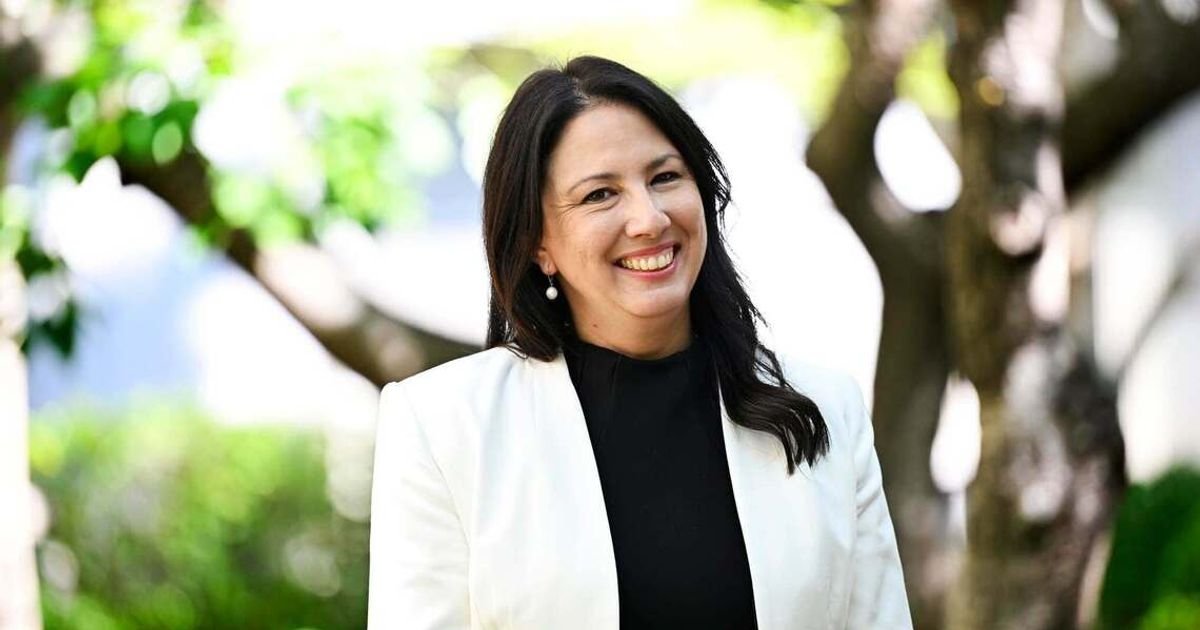
Australia’s opposition politics has been thrown into fresh uncertainty after South Australian Liberal senator Leah Blyth defected to Pauline Hanson’s One Nation, delivering a significant setback to the Liberal Party and intensifying questions about the future of the conservative political movement. Her decision, announced on the final day of parliament, caught former colleagues by surprise and prompted accusations that she had abandoned the party for personal political reasons.
Blyth, who previously served as a shadow assistant minister on opposition leader Angus Taylor’s frontbench, said she no longer believed the Liberal Party was capable of effectively challenging the Labor government led by Prime Minister Anthony Albanese. In announcing her departure, she argued that the party had lost the confidence of voters who wanted a stronger alternative to the government.
The senator described Australia as a country worth fighting for and said she wanted future generations to grow up proud of their nation, with opportunities to build better lives. She praised One Nation for being willing to confront difficult national issues and described it as the only party with sufficiently bold ideas to change the country’s direction.

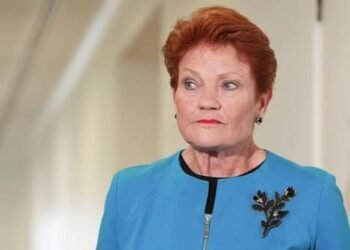
Her move represents a notable development for One Nation, which has been seeking to expand its political influence and attract voters dissatisfied with the established parties. The party, led by Pauline Hanson, has increasingly positioned itself as an alternative for Australians who believe the Liberal and National parties have moved away from their expectations on immigration, national identity, economic management and conservative policies.
However, Blyth’s decision has also raised questions about how closely she understands the party she has joined. During her public comments, she acknowledged that she was not completely familiar with all of One Nation’s policies. The admission attracted attention because she had presented her move as a decision based on political principles and policy alignment.
Blyth identified several disagreements with the Liberal Party as reasons for her departure. Among them were the party’s approach to climate policy, its decision to abandon its net-zero emissions target while remaining within the Paris climate agreement, and its position on digital duty of care.
She also criticised the Coalition’s support for legislation concerning Australia’s defence capabilities and the protection of military bases. The legislation, which passed through parliament with limited scrutiny, has attracted criticism over the extent of powers it could grant the government and the lack of detailed parliamentary debate.
Blyth argued that legislation involving significant government powers should receive thorough examination rather than being pushed through without sufficient discussion. She presented the issue as an example of the political compromises that had weakened her confidence in the Liberal Party.
However, her criticism created an awkward moment when she was reminded that One Nation had also supported the same legislation. Blyth said she had not paid attention to which other lawmakers had voted in favour of the bill and quickly ended the press conference after the inconsistency was highlighted.
The controversy has complicated her attempt to present the defection as a straightforward move based on policy principles. It has also given former colleagues an opportunity to question whether her decision reflects a genuine ideological shift or a calculation about her political future.
Blyth entered the Senate in 2025 after being selected by the South Australian Liberal Party to replace former cabinet minister Simon Birmingham. She was not elected to the position in her own right. Before joining federal politics, she served as the state president of the Liberal Party in South Australia and had been associated with its conservative faction.
Her political position within the party had reportedly become increasingly uncertain. She was replaced as state president by conservative powerbroker Alex Antic, with whom she had previously been politically aligned. The two were understood to have experienced a falling-out, adding to speculation about Blyth’s future within the organisation.
The senator is due to face re-election at the next federal poll and had reportedly been expected to lose her favourable position on the Liberal Senate ticket. Such a development could have made it more difficult for her to retain her parliamentary seat under the Liberal banner.
Although Blyth did not directly identify her electoral prospects as a reason for leaving, the timing of her announcement has attracted scrutiny. She made the move on the final day of parliament and did not inform several Coalition colleagues beforehand. When asked why she had kept the decision from them, she indicated that she was no longer concerned about the Liberal Party because, in her words, that chapter of her political life was over.
Pauline Hanson welcomed Blyth into One Nation, describing her arrival as an opportunity to strengthen the party’s growing support in South Australia. The move could provide One Nation with additional parliamentary visibility and a more direct connection to the established Liberal political network.
For the Liberal Party, however, the defection comes at a difficult moment. The opposition has been struggling to establish a clear political identity and present a united challenge to the Albanese government. Blyth’s departure adds to concerns about internal disagreements and the ability of the Coalition to retain voters who favour a more uncompromising conservative platform.
Nationals leader Matt Canavan strongly criticised the decision, describing it as disappointing and suggesting that One Nation was becoming more interested in attracting politicians from other parties than in changing government policy. He said the pattern of defections risked creating the impression that the party was focused on political recruitment rather than developing a coherent alternative programme.
Canavan also questioned Blyth’s claim that her principles were more closely aligned with One Nation. He pointed to her previous support for net-zero policies and her position on hate-speech legislation, arguing that her political record did not demonstrate a consistent shift towards the positions now associated with her new party.
He said the decision appeared to reflect self-interest, adding that he had received no warning from Blyth despite believing they had maintained a friendly relationship. His comments reflected the frustration among Coalition figures who felt the senator had made a major political decision without giving her former colleagues an opportunity to discuss the situation.
Liberal deputy leader Jane Hume also described the departure as disappointing. However, she sought to minimise Blyth’s influence within the parliamentary party, saying the senator had not been a major contributor to its internal activities.
The criticism from Coalition leaders highlights the growing tension between established conservative parties and One Nation. While the Liberals and Nationals have traditionally competed for voters across much of the right of Australian politics, One Nation’s increasing appeal has created another challenge for the Coalition as it attempts to rebuild its support.
One Nation deputy leader Barnaby Joyce rejected the suggestion that Blyth should be condemned for changing parties. He argued that politicians should not be treated as traitors simply because they move towards a different political organisation, particularly when a significant number of voters are making similar choices.
Responding to Canavan’s criticism, Joyce asked whether the growing number of Australians turning towards One Nation should also be labelled turncoats. He questioned why politicians should be expected to remain loyal to established parties when voters themselves were reconsidering their political allegiances.
Joyce said voters were following their political logic and seeking greater representation for conservative ideas. He suggested that the movement towards One Nation reflected dissatisfaction with the existing political choices available to Australians rather than merely a series of individual defections.
His comments point to a wider debate over the changing character of Australia’s conservative politics. One Nation has sought to benefit from concerns among voters who believe mainstream parties have become too cautious or have compromised too much on important issues. The party’s ability to attract established politicians could strengthen its public profile, although its long-term influence will depend on whether it can turn growing interest into sustained electoral support.
For the Liberal Party, the immediate challenge is to prevent further departures and reassure voters that it remains a credible conservative alternative. The party must also address disagreements over climate policy, national security, immigration and other issues that have contributed to divisions within its ranks.

Blyth’s defection does not, by itself, determine the future of the Australian opposition. Nevertheless, it exposes the pressure facing traditional conservative parties as One Nation attempts to expand its influence. The reaction from Canavan and Joyce demonstrates that the dispute is not simply about one senator changing parties; it is also about competing interpretations of political loyalty, ideological consistency and the direction of Australia’s right-wing politics.
As the next federal election approaches, the Liberal Party and One Nation will face the challenge of persuading Australians that their respective political programmes offer the most credible response to the country’s concerns. Whether Blyth’s move encourages further defections or remains an isolated development could become an important indicator of how significantly the conservative political landscape is changing.
Related News:
 Taylor Faces Backlash Over Response to Haines Attack
 McKenzie Warns MP Safety Fears Could Weaken Democracy
 One Nation Candidate Apologises for Offensive Posts
 Alex Greenwich Withdraws Support for Fred Nile State Funeral
 Is America Ready for an AOC Presidential Run?
 Five Years of Taliban Rule Leave Afghanistan in Crisis
 Lib Dems Prepare for Election Amid Reform Challenge
 Elif Eralp Emerges as Berlin’s Next Political Force
 Drumcree Talks Falter as Legal Challenge Deepens
 UK-France Returns Deal Faces Expiry as Talks Stall
 Green Party faces dispute over Zionism motion
 Latin America women fear rollback of rights
 NSW Police Bid Delays Inquiry Into Sydney Protest
 India’s Youth Movement Alleges Mass Detentions Before Protest
 Gaza War Deepens India’s Strategic Ties With Israel
 Bolsonaro Gains Key Endorsement Ahead of Brazil Runoff
 Controversial Vaccine Trial Approved in Guinea-Bissau
 Trump Attacks Norway After Nobel Peace Prize Snub
 Delhi Braces for Youth Protests Over Voter Roll Dispute
 Trump Names Katie Zacharia as Next White House Spokesperson
 Australian Advocates Seek Subsidised Drugs for PMOS
 UK Gaza Refugee Route Criticised Over False Hope Claims
 PTI Announces Swabi Rally Ahead of Long March Plans
 French Students Protest Poor Conditions in Paris Suburbs
 UK Greens Face Crisis Over Zionism and Extremism Row
 Greta Thunberg Backs French Students in School Protests
 Millions Face Tougher Medicaid Rules From January
 Ohio Airports Become Key Hubs for ICE Deportation Flights
 Farage Rejects Claims Reform Would Let Troops Shoot Migrants
 Camera Discovery Triggers Navy Ship Investigation
 Gadi Eisenkot: Israel’s Anti-Netanyahu Challenger
 One Nation Pledges $2,000 Baby Subsidy in Victoria
 Cormann Warns Australia Against Populist Migration Caps
 Helen Haines Loses Both Legs After Alleged Attack
 Greens Face Leadership Test as Jordon Steele-John Misconduct Claims Leave Party in Limbo
 Serbia’s Student Victory Sparks a ‘Smell of Freedom’
 Trump’s Midterm Campaign Faces Racism and Political Backlash
 Campbell Urges Australia to Defend Democratic Politics
 King Charles Faces Calls for Slavery Reparations Talks
 Spain Mourns 68 Dead After High-Speed Train Crash
 Obama Mocks Trump at Georgia Rally for Democrats
 Novaya Gazeta to Close After Russian Government Pressure
 Bedouin Women Drive Historic Arab Election Gains
 Australia Faces Growing Scrutiny Over Paraquat Risks
 Alan Jones Trial Paused for Melbourne Cup Viewing
 ANC Faces Voter Backlash in South African Elections
 Exiled Journalists Defy Putin’s Growing Media Crackdown
 Inquiry Calls for Australia to Scrap AUKUS Submarine Deal
 Hanson Takes Racial Discrimination Case to High Court
 Stephen Miller’s Rise Puts Hardline Views at Centre of Power
 Victorian Labor Faces Election Crisis as Poll Slumps to 18%
 Teenager Found Alive After Six Days Lost in Australian Bush
 Teenager Survives Six Nights Alone in Australian Wilderness
 Eisenkot Accuses Netanyahu of Racist Anti-Arab Campaign
 Helen Haines Leaves Hospital After Double Amputation
 Spain Election Could Bring Far Right Back to Government
 Australia’s Election Funding Changes Face Fresh Backlash
 Twin Baby’s Death Raises Questions Over Home Birth Risks
 NSW Liberal Exodus Deepens as Mark Speakman Quits
 South Korea Orders Island Residents to Take Shelter
 Malaysia to Deport Thousands to Genocide-Hit Myanmar
 India Blocks Cockroach Movement Leader From UK Flight
 UN Tribunal Questions Evidence Behind Gaza Aid Staff Sacking
 Farage and Reform UK Reshape British Politics
 Ghent Professors Questioned Cofnas Appointment
 Ukraine Villagers Demand Answers After Deadly Arms Depot Strike
 Trump Calls Iran War ‘Small Potatoes’ Despite US Deaths
 Turkey LGBTQ Crackdown Expands With New Arrests
 Democrat Says ICE Restricted Detention Camp Oversight
 Republican Senator Questions Trump Ad Spending
 Madrid Tent Camp Grows as Spain Housing Crisis Deepens
 Badenoch Raises Prospect of 2027 UK Election
 Trump Names Katie Zachariah as Next White House Press Secretary
 Elizabeth Struhs Inquest Examines Child Safety Failures
 India’s Voter Roll Crisis Sparks Nationwide Protests
 Lula Supporters Make Final Push Ahead of Brazil Runoff
 Xi Jinping Tightens China’s Anti-Corruption Campaign
 Labor Minister Defends Chalmers Amid Budget Tensions
 Zelenskyy Sees Peace Opportunity as US Envoys Meet Putin
 Iran Death Row Boxer Wins Prestigious Human Rights Award