Friday, October 9, 2026
  • About Us
  • Advertise
  • Privacy & Policy
  • Team
  • Contact
The English Chronicle
Advertisement
  • Home
  • Business & Economy
  • Politics
  • Entertainment
  • Sports
  • Science & Technology
  • UK News
  • World News
  • Health
No Result
View All Result
  • Home
  • Business & Economy
  • Politics
  • Entertainment
  • Sports
  • Science & Technology
  • UK News
  • World News
  • Health
No Result
View All Result
The English Chronicle
No Result
View All Result

Trump Rules Out Iran Attack Before US Elections

2 hours ago
in Asia Pacific, Latest, Middle East, Politics, US News, War and Conflict, World News
Trump Rules Out Iran Attack Before US Elections
0
SHARES
5
VIEWS
Share on FacebookShare on Twitter

Published: 09 October 2026. The English Chronicle Desk. The English Chronicle Online

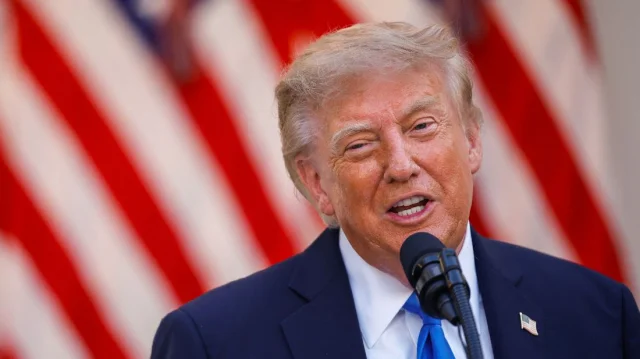
US President Donald Trump has said Washington is engaged in productive discussions with Iran and indicated that the United States will not launch an attack against Tehran before the country’s midterm elections on 3 November. The remarks have added a new dimension to an already tense confrontation between Washington and Tehran, with both sides continuing to signal that diplomacy remains possible while preparing for the prospect of a prolonged conflict.

Trump’s comments came as his administration attempted to present the latest diplomatic contacts with Iran as meaningful progress. The US president’s suggestion that military action would not take place before the elections could provide temporary reassurance to markets and governments concerned that tensions could rapidly escalate into a wider regional conflict.

However, the situation remains uncertain. Iran has continued to express deep scepticism about Washington’s approach, while officials in Tehran have warned that a lasting settlement will be difficult if the United States maintains what they describe as unilateral policies.

New review urges UK to repatriate Shamima Begum, others from Syria

US Defence Secretary Pete Hegseth said Washington does not seek to build a new state in Iran or seize Iranian territory. His remarks appeared intended to clarify the administration’s strategic objectives at a time when speculation over possible US military action has intensified.

The distinction is significant because concerns about a potential American military campaign have extended beyond the immediate dispute between Washington and Tehran. Any direct conflict could affect energy supplies, shipping routes and security throughout the Middle East, particularly because of the strategic importance of the Strait of Hormuz.

Iranian officials have simultaneously sought to demonstrate that the country is prepared for a prolonged confrontation if diplomacy fails. Iranian state media reported that President Masoud Pezeshkian told Russian President Vladimir Putin on Thursday that an end to the conflict would not be possible in the near future if the United States continued pursuing what Tehran considers a unilateral policy.

The conversation with Putin reflects Iran’s broader effort to maintain close diplomatic relationships with countries that can provide political and economic support as tensions with Washington continue. Russia remains an important partner for Tehran, and communication between the Iranian and Russian leaderships has taken on added significance as the possibility of further confrontation with the United States remains unresolved.

Iranian Foreign Minister Abbas Araqchi also indicated that Tehran had received a response from Washington regarding Iran’s proposals. He said Iranian officials would study the American response before providing their own answer within the coming days.

That exchange could become an important test of whether the latest diplomatic efforts can produce a framework for reducing tensions. Both governments have strong incentives to avoid an uncontrolled escalation, but their positions remain separated by major disagreements over security, sovereignty and the broader direction of US-Iran relations.

Trump’s decision to rule out an attack before the US elections also places the issue within a highly sensitive domestic political context. The midterm elections on 3 November will determine control of Congress and could significantly influence the political environment surrounding the administration.

Military action against Iran before voting could have major political consequences. It could shift public attention towards national security and foreign policy, while also exposing the administration to criticism over the potential human, financial and strategic costs of another major military confrontation in the Middle East.

By publicly stating that an attack will not occur before the elections, Trump has created a temporary boundary around the immediate military risk. Yet his comments do not necessarily indicate that the possibility of force has been removed from the broader US strategy. Instead, they suggest that diplomacy is currently being given greater space while the administration continues assessing its options.

For Tehran, the challenge is equally complicated. Iranian leaders have to demonstrate that they can defend national interests without unnecessarily provoking a conflict that could carry enormous economic and security consequences. At the same time, accepting terms viewed domestically as a concession to Washington could create political difficulties for the Iranian government.

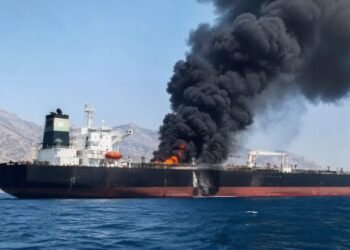
The situation has also been complicated by reports of a major explosion in the Strait of Hormuz. Iranian media reported the incident, although the available information did not immediately establish its cause or wider implications. The waterway is one of the world’s most strategically important maritime routes, making any significant security incident there particularly sensitive.

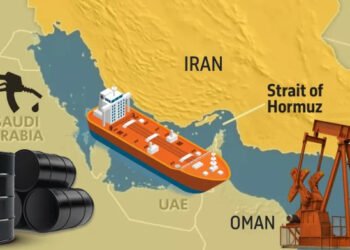
The Strait of Hormuz connects the Persian Gulf with the Gulf of Oman and is vital to global energy markets. A serious disruption in the waterway could affect oil and gas shipments and create economic consequences far beyond the Middle East. As a result, developments around the strait are being closely watched by governments, energy companies and international markets.

The latest diplomatic exchanges therefore come at a moment when the cost of miscalculation is exceptionally high. A limited incident could potentially trigger a wider confrontation if either side concludes that the other is preparing for military escalation.

Trump’s assertion that Washington will not attack Iran before the elections may therefore offer a short-term opportunity for diplomacy. The coming days could determine whether the two sides can convert their current exchanges into substantive negotiations capable of addressing the issues driving the confrontation.

Iran’s response to the latest American communication will be particularly important. Araqchi’s indication that Tehran intends to review Washington’s position before responding suggests that Iranian officials are not immediately rejecting the diplomatic channel.

At the same time, Pezeshkian’s warning to Putin demonstrates that Tehran remains prepared for a long confrontation if it believes Washington is unwilling to change course. That combination of diplomacy and military preparedness has defined much of the recent relationship between the two countries.

For Washington, the central challenge will be maintaining diplomatic momentum while preventing developments on the ground from undermining negotiations. For Tehran, the challenge will be determining whether engagement with the United States can produce meaningful guarantees without compromising its strategic interests.

The next several weeks could therefore prove decisive. With the US midterm elections approaching, Trump’s pledge not to attack Iran before the vote provides a temporary window for diplomacy. Whether that window produces a lasting reduction in tensions or merely delays a more serious confrontation will depend on the responses of both governments and their ability to manage events that could quickly move beyond diplomatic control.

For now, the emphasis appears to be on negotiations rather than military action. Yet the sharply different statements coming from Washington and Tehran show that the underlying dispute remains unresolved. The possibility of dialogue may have increased, but so too has the importance of ensuring that political calculations, regional incidents and mutual distrust do not push the two countries towards a conflict neither side ultimately wants.

Related News:

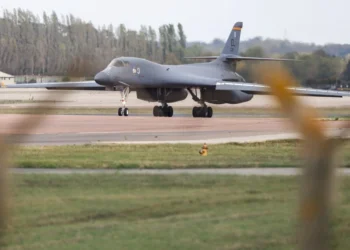
Houthis Strike Saudi Arabia as Middle East Tensions RiseHouthis Strike Saudi Arabia as Middle East Tensions Rise Tanker Attacked Near Qatar as Hormuz Tensions EscalateTanker Attacked Near Qatar as Hormuz Tensions Escalate UK Prepares Aircraft Carrier for Middle East CrisisUK Prepares Aircraft Carrier for Middle East Crisis Trump Calls Strait of Hormuz ‘American Territory’Trump Calls Strait of Hormuz ‘American Territory’ Trump Faces Iran War Crisis Before Midterm VoteTrump Faces Iran War Crisis Before Midterm Vote Saudi Pact Raises Risk of Pakistan Entering WarSaudi Pact Raises Risk of Pakistan Entering War Netanyahu faces protests and pressure at UNNetanyahu faces protests and pressure at UN Trump Asked Xi About Buying US WeaponsTrump Asked Xi About Buying US Weapons New Maps Reveal Gaza’s Vast DestructionNew Maps Reveal Gaza’s Vast Destruction US Sends Third Carrier to Middle EastUS Sends Third Carrier to Middle East Vance Demands Iran Cut Nuclear EnrichmentVance Demands Iran Cut Nuclear Enrichment Israel Marks Three Years Since October 7 AttackIsrael Marks Three Years Since October 7 Attack Israel Promotes Film Challenging Controversial Gaza DocumentaryIsrael Promotes Film Challenging Controversial Gaza Documentary Thousands Protest Iran Strikes Outside US Embassy LondonThousands Protest Iran Strikes Outside US Embassy London US Bombers Arrive at RAF Base Amid Rising Iran Tensions Published: 08 March 2026. The English Chronicle Desk. The English Chronicle Online. Four United States strategic bombers have arrived at a Royal Air Force base in Britain as tensions with Iran escalate across the Middle East. The deployment signals growing military coordination between Washington and London during a rapidly developing regional conflict. British defence officials confirmed the aircraft will conduct defensive missions aimed at preventing Iranian missile attacks across the region. The move follows warnings from American leaders that military strikes against Iranian targets may intensify significantly in the coming days. The aircraft involved in the deployment are B-1 Lancer bombers, large supersonic aircraft designed for long-range strike missions. Each bomber measures approximately forty-five metres in length and can carry up to twenty-four cruise missiles. Their arrival at RAF Fairford in Gloucestershire occurred over two days during the weekend. One aircraft landed on Friday evening while three additional bombers arrived on Saturday morning. British officials confirmed that the deployment followed approval from Prime Minister Keir Starmer earlier this week. According to the Ministry of Defence, the aircraft will carry out what officials describe as specific defensive operations. These missions are intended to prevent Iran from launching missiles toward allied countries across the Middle East. Defence officials emphasised that the operations focus on protection rather than expanded offensive campaigns. However, the arrival of such powerful aircraft demonstrates the seriousness of the current security situation. Military planners expect the bombers to remain ready for action as tensions continue rising throughout the region. The deployment also reflects growing warnings from Washington about an escalation of military activity. American defence leaders recently announced that operations against Iranian targets could increase rapidly. Officials in the United States said additional aircraft, fighter squadrons, and defensive capabilities would soon be deployed. These preparations suggest that military pressure on Iran may intensify within a short period. The arrival of bombers in Britain forms part of that broader strategic preparation. Britain’s Chief of the Defence Staff, Admiral Sir Richard Knighton, confirmed that operational missions may begin soon. Speaking about the situation, Knighton said the United States could launch missions from RAF Fairford within days. Military personnel at the base have already begun preparing logistical support and operational planning. Aircraft crews are expected to coordinate closely with American and British defence authorities. Such preparations highlight the strategic role Britain plays within wider allied security operations. The decision to permit American operations from British bases followed intense discussions inside the British government. Prime Minister Starmer authorised defensive military action from RAF Fairford and the Diego Garcia base. Diego Garcia lies in the Indian Ocean and remains one of the most strategically important military facilities. Both locations provide critical support for long-range aircraft operating across the Middle East. Their use allows allied forces to respond quickly to developing threats within the region. On Saturday afternoon, the Ministry of Defence released a formal update outlining the current military activity. The statement confirmed that American forces had already begun limited operations using British facilities. Officials stressed that the missions focus on preventing Iranian missile launches threatening regional security. According to defence leaders, these operations are designed to protect British personnel and allied civilians living nearby. The statement emphasised that Britain remains committed to safeguarding its national security interests abroad. In addition to the bomber deployment, Britain has dispatched further military resources toward the Middle East. Defence officials confirmed that a Merlin helicopter is travelling toward the region to assist operations. The aircraft is widely known for its anti-submarine capabilities and advanced surveillance technology. Military planners say it will help monitor potential maritime threats and gather intelligence. Such surveillance missions play an important role in maintaining early warning systems during regional conflicts. The arrival of the bombers occurred shortly after comments from United States Defence Secretary Pete Hegseth. Earlier in the week, Hegseth warned that American military strikes could soon increase dramatically. He said the Pentagon was preparing more fighter squadrons, stronger defensive capabilities, and additional bomber missions. His remarks reflected Washington’s determination to respond strongly to Iranian military actions. Analysts believe the expanding deployments aim to deter further escalation from Tehran. Meanwhile, the political atmosphere surrounding the conflict remains tense both internationally and within Britain itself. On Friday, United States President Donald Trump demanded Iran’s unconditional surrender. His statement followed reports that Israeli warplanes carried out bombing raids against targets in Tehran and Beirut. At the same time, Iran reportedly launched a new wave of retaliatory missile strikes toward Israel and several Gulf states. These developments have intensified fears of a broader regional confrontation. Prime Minister Starmer has faced political pressure regarding his cautious approach to the conflict. Earlier in the crisis he blocked proposals allowing immediate offensive strikes from British territory. Instead, he approved only defensive operations intended to prevent missile launches. The decision aimed to balance security cooperation with caution about deeper military involvement. Nevertheless, the policy has sparked criticism from both domestic opponents and international observers. Donald Trump publicly criticised Starmer’s hesitation earlier this week during comments shared online. The American president compared the British leader unfavourably with wartime prime minister Winston Churchill. Trump suggested that Britain had delayed offering meaningful support during the conflict’s early stages. Despite that criticism, British officials insist the alliance between both nations remains strong. Defence cooperation continues through intelligence sharing, logistics support, and joint military planning. Reports have also emerged about discussions held during a confidential meeting of the National Security Council. According to several media outlets, some cabinet ministers initially questioned the decision to allow American operations. Figures including Yvette Cooper, Shabana Mahmood, Ed Miliband, and Rachel Reeves were reportedly cautious about the proposal. These concerns reflected wider political anxiety about becoming involved in another Middle Eastern conflict. Government sources later insisted that all ministers ultimately supported the agreed national position. Starmer rejected claims that divisions existed inside his cabinet over the policy decision. He said every minister involved in the National Security Council backed the final strategy. According to the prime minister, careful consideration of all options was necessary before making such a significant choice. He also emphasised that Britain’s primary goal remains protecting its citizens and allies. The government continues monitoring developments closely as the crisis evolves. London’s mayor, Sadiq Khan, also commented publicly on the growing tensions in the Middle East. Khan supported the prime minister’s decision to resist pressure for immediate offensive action. He warned that military interventions lacking international consensus could produce dangerous consequences. According to Khan, lasting peace requires diplomatic strategy rather than unilateral military escalation. His remarks reflected the cautious tone adopted by several political leaders within Britain. Diplomatic activity has also continued alongside the military preparations. Prime Minister Starmer recently held a conversation with Saudi Arabia’s Crown Prince Mohammed bin Salman. During that discussion, Starmer emphasised Britain’s willingness to support regional allies if necessary. The United Kingdom also remains committed to protecting British citizens living in the Gulf region. Such diplomatic contacts aim to reassure partners while avoiding further escalation. Recent developments have also highlighted concerns about regional security vulnerabilities. Earlier this week a drone evaded detection and struck RAF Akrotiri in Cyprus. The incident raised questions about air defence capabilities protecting key military installations. Some Gulf governments criticised Britain for failing to respond more rapidly to regional threats. These criticisms added further pressure on the British government during an already tense diplomatic period. Military planners are also preparing to deploy additional naval forces toward the eastern Mediterranean. The air defence destroyer HMS Dragon is expected to sail within the coming week. Defence officials say preparations require time because the ship may remain deployed for several months. Equipping the vessel for extended operations ensures greater operational readiness once it reaches the region. Allied countries including France and Greece have already dispatched military resources to defend Cyprus. Political debate within Britain has intensified as opposition parties challenge the government’s approach. Conservative leader Kemi Badenoch criticised Starmer during her party’s spring conference in Harrogate. She argued the government appeared hesitant during a moment of international crisis. Badenoch claimed Britain is already involved in the conflict whether ministers acknowledge that reality or not. Her remarks reflected growing pressure on the government from opposition politicians. Badenoch also suggested that the prime minister seemed reluctant to support allies decisively. She argued that hesitation could weaken Britain’s influence in global security partnerships. The Conservative leader insisted that strong leadership requires clear decisions during international crises. Her comments sparked heated debate among political commentators and defence analysts. Government ministers strongly rejected the accusations during subsequent interviews. Defence Secretary John Healey criticised Badenoch’s earlier remarks about British military readiness. She had suggested that British aircraft had been waiting without taking necessary action. Healey described the comment as disrespectful toward members of the armed forces. According to the defence secretary, British personnel work continuously to protect national and allied security interests. He urged political leaders to recognise the professionalism of military service members. Former Conservative foreign policy figures have defended Badenoch’s criticism of the government. Andrew Mitchell argued she raised legitimate concerns about slow decision-making during crises. He said the debate highlights broader questions about Britain’s role in global security. These political disagreements demonstrate how the Middle East conflict continues influencing domestic debate. Analysts believe such discussions will intensify if the conflict expands further. Meanwhile, efforts continue to assist British citizens affected by the growing regional instability. A second government-chartered evacuation flight arrived at Gatwick Airport on Saturday evening. The aircraft carried Britons who had been stranded in Oman as tensions escalated. Officials say evacuation operations will continue while conditions remain uncertain. Authorities remain focused on ensuring the safety of citizens living across the wider Gulf region. Those returning on the latest flight joined thousands of Britons who already left the region. Approximately six thousand five hundred people have returned from the United Arab Emirates since fighting intensified. The government continues monitoring travel conditions and advising citizens about potential risks. Diplomatic missions across the region remain prepared to assist additional evacuations if necessary. Such efforts underline the growing international impact of the conflict. As the crisis continues unfolding, military deployments and diplomatic discussions remain closely connected. The arrival of American bombers in Britain illustrates the strategic cooperation between both nations. At the same time, political debates reveal the complexity of balancing alliance commitments with caution. For now, defence leaders continue preparing for possible escalation while urging restraint. The coming days may prove critical for determining whether tensions rise further or begin to ease.US Bombers Arrive at RAF Base Amid Rising Iran Tensions Trump likens US Navy actions to ‘pirates’Trump likens US Navy actions to ‘pirates’ Middle East Crisis Escalates as Oil Routes Shake MarketsMiddle East Crisis Escalates as Oil Routes Shake Markets Tensions Emerge in Netanyahu-Trump AllianceTensions Emerge in Netanyahu-Trump Alliance US Awaits Iran Reply on New Ceasefire ProposalUS Awaits Iran Reply on New Ceasefire Proposal Hormuz Talks Near Critical StageHormuz Talks Near Critical Stage Former ICC prosecutor condemns US sanctionsFormer ICC prosecutor condemns US sanctions Trump Claims Iran Peace Deal Near CompletionTrump Claims Iran Peace Deal Near Completion Millions Gather for Khamenei’s Six-Day State FuneralMillions Gather for Khamenei’s Six-Day State Funeral Taliban global ties grow as rights fears mountTaliban global ties grow as rights fears mount Israeli Strike in Southern Lebanon Kills SevenIsraeli Strike in Southern Lebanon Kills Seven Trump dismisses concerns over 250-day carrier deploymentTrump dismisses concerns over 250-day carrier deployment Trump Calls Iran War ‘Small Potatoes’ Despite US DeathsTrump Calls Iran War ‘Small Potatoes’ Despite US Deaths North Korea Expands Uranium Facility at YongbyonNorth Korea Expands Uranium Facility at Yongbyon Saudi Arabia Shuts Oil Pipeline After Drone AttackSaudi Arabia Shuts Oil Pipeline After Drone Attack Nearly 50,000 Flee as Houthis Advance in YemenNearly 50,000 Flee as Houthis Advance in Yemen South Korea Rules Out Military Role in Iran WarSouth Korea Rules Out Military Role in Iran War Middle powers seek new alliances amid Trump eraMiddle powers seek new alliances amid Trump era Xi urges Trump to avoid US-China military conflictXi urges Trump to avoid US-China military conflict Saudi intercepts Houthi missiles as oil fears growSaudi intercepts Houthi missiles as oil fears grow Iran Awaits Trump Response on Seven-Day Hormuz PlanIran Awaits Trump Response on Seven-Day Hormuz Plan South Korea-Ukraine Row Erupts Over North Korean POWsSouth Korea-Ukraine Row Erupts Over North Korean POWs Yemen government launches offensive against HouthisYemen government launches offensive against Houthis Germany Pledges €1bn Military Aid to UkraineGermany Pledges €1bn Military Aid to Ukraine Japan PM condemns alleged killing by US MarineJapan PM condemns alleged killing by US Marine Trump Comments on Iran Strike Draw US BacklashTrump Comments on Iran Strike Draw US Backlash Canadian Veterans Condemn Trump Allies’ Military RemarksCanadian Veterans Condemn Trump Allies’ Military Remarks Israeli Settlers Assault Palestinian PhotographerIsraeli Settlers Assault Palestinian Photographer Three Years On, October 7 Survivors Face Lasting TraumaThree Years On, October 7 Survivors Face Lasting Trauma Yemen Conflict Escalates as Houthis Expand Their FrontYemen Conflict Escalates as Houthis Expand Their Front Turkey Rules Out Troops in Saudi Arabia’s Houthi ConflictTurkey Rules Out Troops in Saudi Arabia’s Houthi Conflict Thousands Protest ICE Operations in Nationwide US Day of ActionThousands Protest ICE Operations in Nationwide US Day of Action Epstein Files Reveal Trump Officials’ Emails with FinancierEpstein Files Reveal Trump Officials’ Emails with Financier Ukraine war briefing: Zelenskyy offers help to Saudi Crown prince on combatting Iranian dronesUkraine war briefing: Zelenskyy offers help to Saudi Crown prince on combatting Iranian drones Iran defianceIran Defiance Grows Amid US-Israel War Pressure Mojtaba KhameneiInjured Mojtaba Khamenei Elevated as Iran Leader UK Stands Firm on Falklands Amid US RiftUK Stands Firm on Falklands Amid US Rift Trump orders US troop pullout from GermanyTrump orders US troop pullout from Germany Trump approval plunges amid Iran war fearsTrump approval plunges amid Iran war fears Ohio’s Battle for Trust: Democrats Vying to Flip the Buckeye StateOhio’s Battle for Trust: Democrats Vying to Flip the Buckeye State US ‘Narco Boat’ Strikes Draw Global OutcryUS ‘Narco Boat’ Strikes Draw Global Outcry Afghan Families Left in Limbo Face Risk of DeportationAfghan Families Left in Limbo Face Risk of Deportation Trump Announces 3-Day Russia–Ukraine Ceasefire DealTrump Announces 3-Day Russia–Ukraine Ceasefire Deal Discontent grows around Putin amid war strainDiscontent grows around Putin amid war strain House Curbs Trump’s War Powers in Rare RebellionHouse Curbs Trump’s War Powers in Rare Rebellion Former Diplomats Urge UK and France to Act on PalestineFormer Diplomats Urge UK and France to Act on Palestine Trump Hardens Canada Trade Stance as Talks StallTrump Hardens Canada Trade Stance as Talks Stall Israel Accused of Undermining Palestinian LifeIsrael Accused of Undermining Palestinian Life US Networks Suspend Trump White House Pool CoverageUS Networks Suspend Trump White House Pool Coverage Japan PM Backs International Criminal CourtJapan PM Backs International Criminal Court Trump gives Xi red-carpet welcome as trade truce extendsTrump gives Xi red-carpet welcome as trade truce extends Lula accuses Trump of seeking control over BrazilLula accuses Trump of seeking control over Brazil Republican Senator Questions Trump Ad SpendingRepublican Senator Questions Trump Ad Spending South Korea demands apology over DMZ mine blastSouth Korea demands apology over DMZ mine blast Pilot and Passengers Help Save Flydubai FlightPilot and Passengers Help Save Flydubai Flight Brazil Election Draws Religion Into Final CampaignBrazil Election Draws Religion Into Final Campaign Lula Warns of Bolsonaro Family Return as Brazil VotesLula Warns of Bolsonaro Family Return as Brazil Votes Families Await USS Abraham Lincoln HomecomingFamilies Await USS Abraham Lincoln Homecoming US bombers leave RAF Fairford after terror threatUS bombers leave RAF Fairford after terror threat Quebec separatists return to power without majorityQuebec separatists return to power without majority Iran Nobel Laureate Reveals Prison Torture and FearsIran Nobel Laureate Reveals Prison Torture and Fears Argentina Protesters Resist Milei’s Land Sale DriveArgentina Protesters Resist Milei’s Land Sale Drive Okinawa US Troops Face Curfew After Murder CaseOkinawa US Troops Face Curfew After Murder Case South Korea Probes Fuel Shipments to RussiaSouth Korea Probes Fuel Shipments to Russia Trump Says He Deserves Nobel Peace PrizeTrump Says He Deserves Nobel Peace Prize Houthi Missile Claim Sparks Riyadh Airport DisruptionHouthi Missile Claim Sparks Riyadh Airport Disruption

















STAY CONNECTED

  • 6k Fans
  • 450 Followers
  • 600 Subscribers

MOST POPULAR

Labour Wins Key London By-election as Greens Fall Short

Labour Wins Key London By-election as Greens Fall Short

6 hours ago
Japan’s Princess Aiko Fuels Debate Over Royal Succession

Japan’s Princess Aiko Fuels Debate Over Royal Succession

6 hours ago
UK Water Firms Earn Millions From Industrial Wastewater

UK Water Firms Earn Millions From Industrial Wastewater

5 hours ago
Labour Beats Greens in Crucial London By-election

Labour Beats Greens in Crucial London By-election

52 minutes ago
Burnham Rises as Farage and Polanski Face Setbacks

Burnham Rises as Farage and Polanski Face Setbacks

1 hour ago
Tom Watson Warns Against ‘Mob Rule’ in UK Contracts

Tom Watson Warns Against ‘Mob Rule’ in UK Contracts

2 hours ago
Load More

About Us

The English Chronicle

The English Chronicle is your trusted source for accurate, timely, and unbiased news. Based in the heart of the digital age, our mission is to deliver well-researched journalism that informs, engages, and empowers readers across the globe.

Address:-
UK Address: Harbour House, Cold Harbour Lane, Rainham, London Borough of Havering, United Kingdom. RM13 9YB

Browse by Category

  • Africa
  • Agriculture
  • Ai and Innovation
  • Animal Rights
  • Animals
  • Arts And Culture
  • Asia Pacific
  • Australia News
  • Books & Literature
  • Business & Economy
  • Canada News
  • Child Health
  • Child Safety
  • Climate Change
  • Companies
  • Cricket
  • Crime
  • Defence And Military
  • Economics
  • Education
  • Energy
  • Entertainment
  • Environment
  • Europe
  • Fashion
  • FIFA
  • Finance
  • Food
  • Football
  • Health
  • History
  • Human Rights
  • Infrastructure
  • innovation
  • International
  • Investigative Stories
  • Ireland
  • Latest
  • Law
  • Life & Society
  • Maritime
  • Market
  • Media
  • Medical Innovation
  • Middle East
  • Music
  • National Security
  • Natural Disaster
  • Opinion
  • Politics
  • Post
  • Premier League
  • Public Safety
  • Real Estate and Property
  • Religion
  • Retail
  • Retail
  • Royal Family
  • Science & Technology
  • Scotland and Highlands
  • South Asia
  • Space
  • Sports
  • Tech News
  • Tennis
  • Tourism and Economy
  • Transport
  • Travel
  • TV & Film
  • UEFA
  • UK News
  • US News
  • Violence
  • War and Conflict
  • Weather
  • Wild Life
  • World News
Jewish Greens Leader Calls for Polanski to Quit

Jewish Greens Leader Calls for Polanski to Quit

7 minutes ago
Navi Pillay Wins Nobel Peace Prize for Justice

Navi Pillay Wins Nobel Peace Prize for Justice

20 minutes ago
Labour MP Urges Billions for Affordable Homes

Labour MP Urges Billions for Affordable Homes

41 minutes ago
Labour Beats Greens in Crucial London By-election

Labour Beats Greens in Crucial London By-election

52 minutes ago
  • About Us
  • Advertise
  • Privacy & Policy
  • Team
  • Contact

© 2025 The English Chronicle.

No Result
View All Result
  • Home
  • Business & Economy
  • Politics
  • Entertainment
  • Sports
  • Science & Technology

© 2025 The English Chronicle.