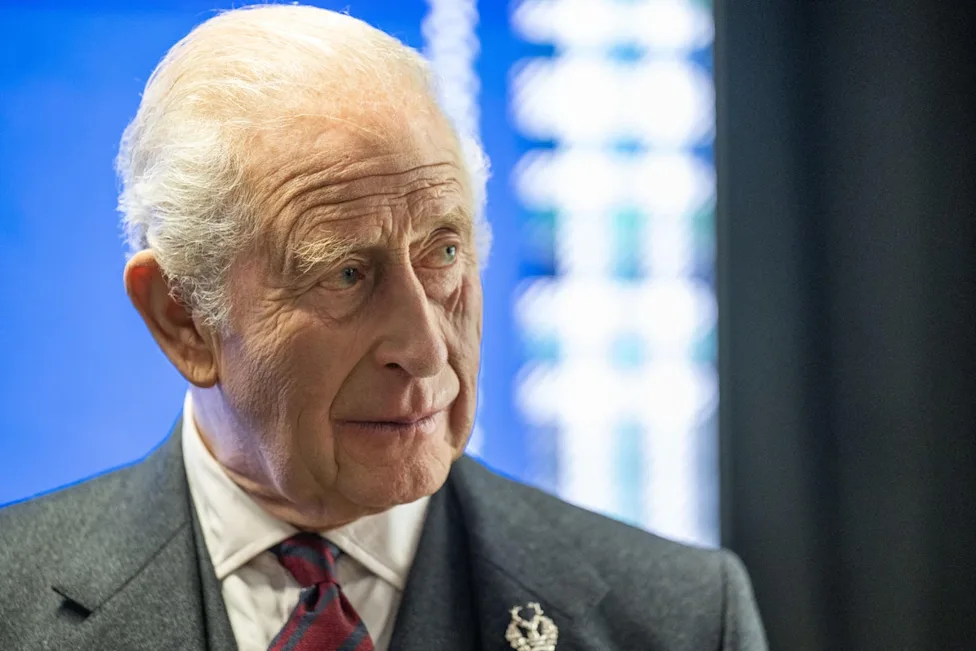
The nine-day tour, which includes visits to the Bahamas, Guyana, Antigua and Barbuda, and participation in the Commonwealth Heads of Government Meeting, comes at a sensitive moment for the royal family. Across the Caribbean, political leaders, historians and reparations campaigners are demanding more than expressions of regret, arguing that the historical consequences of slavery and colonialism require meaningful acknowledgement and action.
Activists have warned that the king’s visit could accelerate efforts to remove him as head of state in countries where debates about republicanism and national independence remain unresolved. They argue that the monarchy must confront its historical connections to slavery if it hopes to maintain credibility and public support throughout the region.

Patrick Vernon, a cultural historian and UK representative of the Global Jamaica Diaspora Council, described the visit as a defining moment for the Commonwealth and the monarchy’s future standing in the Caribbean.
He warned that the stakes were exceptionally high, suggesting that the organisation faced a historic crossroads over its ability to address one of the most painful chapters in the relationship between Britain and its former colonies.
Charles is expected to deliver three major speeches during the tour. However, the British government has advised against a formal apology for Britain’s role in the transatlantic slave trade and has ruled out paying reparations. The position has frustrated campaigners who believe that expressions of sorrow, however significant, cannot substitute for an explicit acknowledgement of responsibility.
The planned visit is also expected to attract demonstrations calling for an apology, reparatory justice and a reassessment of the monarchy’s place in Caribbean society.
The controversy recalls the 2022 Caribbean tour by the then Prince and Princess of Wales, which generated criticism after photographs showed the couple greeting Jamaican children through a wire fence. The images became a powerful symbol for critics who argued that royal visits had failed to recognise the changing expectations of people in former British colonies.
Four years later, campaigners say the political and cultural landscape has changed considerably. Discussions about slavery, colonialism and reparations have gained international prominence, while several Caribbean nations continue to examine whether constitutional arrangements inherited from British rule remain appropriate for their modern democracies.
The central demand from campaigners is that the monarchy move beyond language expressing sorrow and acknowledge the historical responsibility associated with slavery and colonial exploitation.
Bell Ribeiro-Addy, a Labour MP who chairs the All-Party Parliamentary Group for Afrikan Reparations, said the royal family and British government had not adequately responded to the growing international demand for meaningful action.
She argued that repeated expressions of regret, sorrow and recognition of past atrocities were insufficient when communities continued to call for a more substantial reckoning with the consequences of slavery.
Ribeiro-Addy warned that the king should recognise that the persistence of these demands reflects dissatisfaction with the steps taken so far. She also suggested that the monarchy’s relationship with the Commonwealth could be placed under greater strain if its leadership failed to respond to the concerns of member states.
The Commonwealth brings together countries with different political systems, histories and relationships with Britain. Although membership does not require countries to retain the British monarch as head of state, the institution’s historical connections to the former British Empire remain significant in debates about its identity and future.
For campaigners, the issue is therefore not simply whether Charles will express regret during a royal speech. It is whether the monarchy will support a process that allows Caribbean communities to investigate historical injustices, discuss their continuing effects and consider possible forms of redress.
Professor Robert Beckford, a theologian at the University of Wolverhampton, said the king’s credibility as a Commonwealth leader depended partly on his ability to demonstrate empathy with Caribbean history.
Beckford suggested that a national truth and reconciliation commission could offer a constructive way forward. Such a process could examine Britain’s involvement in slavery and colonialism, investigate how these systems operated and encourage a wider public understanding of their consequences.
Rather than treating the subject as a matter of ceremonial regret, a commission could provide a framework for sustained historical examination and public discussion. It could also help establish a basis for conversations about reparations without requiring the king to determine the outcome of those discussions himself.
Supporters of this approach believe that a formal process could help bridge the gap between calls for accountability and the British government’s resistance to financial compensation.
Political leaders across the region have made clear that slavery reparations are an increasingly important issue in relations with Britain.
Guyana’s president, Irfaan Ali, has indicated that he wants progress towards reparations during the king’s visit, beginning with an apology. His position reflects broader regional concerns that historical injustice cannot be adequately addressed without an open discussion about responsibility and possible remedies.
The Caribbean Community, commonly known as CARICOM, has long supported calls for reparatory justice through its reparations commission. The commission argues that the historical consequences of slavery and colonialism deserve sustained international attention and a serious response from the countries and institutions involved.
Professor Sir Hilary Beckles, who chairs the CARICOM Reparations Commission, has emphasised the importance of the issue for Caribbean representatives and others involved in the wider global African movement.
Although reparations do not appear as a formal agenda item at the Commonwealth leaders’ meeting associated with the visit, campaigners expect the subject to feature prominently in discussions surrounding the king’s presence in the region.
The absence of a formal agenda item has raised questions about whether the summit will provide a meaningful opportunity for Caribbean leaders to press their demands directly.
For many advocates, the visit represents a rare opportunity to bring historical grievances into the centre of diplomatic discussions. They argue that the Commonwealth’s relevance depends partly on its willingness to address difficult questions about the legacy of the empire rather than allowing those questions to remain unresolved.
The debate has also gained momentum internationally. A United Nations resolution tabled by Ghana has characterised the transatlantic slave trade as the gravest crime against humanity and called for reparatory justice. The development has strengthened campaigners’ arguments that the issue should be treated as an international concern rather than a bilateral disagreement between Britain and Caribbean countries.
Another significant development is Jamaica’s slavery reparations petition to the king, which is due to be heard by the UK-based Privy Council in March 2027, according to the reported timetable. The case has drawn attention to the legal and constitutional questions surrounding historical claims and the responsibilities of institutions connected to Britain’s colonial past.
Together, these developments demonstrate how reparations have moved further into international political and legal debate, creating additional pressure on governments and institutions to explain their positions.
Demonstrations are expected during Charles’s visit, particularly in the Bahamas, where campaigners intend to use the occasion to renew demands for an apology and reparations.
High Priest Richmond McKinney, a Rastafarian leader involved in organising a protest, said he had participated in demonstrations against Queen Elizabeth II during the 1980s. For him and other activists, the continued demand for freedom, redemption and reparatory justice reflects a struggle that has extended across generations.
McKinney argued that expressions of regret were not enough and insisted that the Crown should issue a full apology for slavery.
The planned demonstrations are intended not only to draw the king’s attention to the demands of campaigners but also to encourage more Bahamians to question the country’s relationship with the monarchy.
Dr Niambi Hall Campbell-Dean, a chair of the relevant committee, questioned the value of spending substantial public resources to host a royal visit without securing meaningful progress on the historical issues being raised.
Her concerns reflect a wider debate about the purpose of royal tours in countries where the monarchy’s symbolic role is increasingly contested. For critics, visits involving formal ceremonies and diplomatic engagements risk appearing disconnected from the experiences of communities whose ancestors suffered under slavery and colonial rule.
Campaigners say the king has an opportunity to use the tour to demonstrate that the monarchy understands the depth of these concerns. They argue that an apology could provide an important starting point for broader discussions about historical responsibility, education, economic inequality and reparations.
The Netherlands has also become a reference point in the debate. Ribeiro-Addy noted that the Dutch king had apologised for his country’s historical involvement in slavery, arguing that such an acknowledgement had not caused the country’s political system to collapse.
For those advocating an apology from Charles, the comparison demonstrates that acknowledging historical wrongdoing does not necessarily threaten the stability of a modern state or monarchy.
The debate over slavery and reparations has implications extending beyond the royal family’s immediate public standing. It also raises questions about the future of the Commonwealth and the organisation’s ability to maintain meaningful relationships with member countries whose histories are inseparable from British imperial expansion.
Some Caribbean nations have already become republics while retaining Commonwealth membership. Barbados, for example, removed the British monarch as its head of state in 2021, a development that strengthened regional discussions about constitutional independence and the legacy of colonial rule.
Other countries continue to debate whether they should follow a similar path. Campaigners argue that the king’s response to slavery could influence these discussions by shaping perceptions of whether the monarchy is willing to confront its past.
However, the relationship between reparations and republicanism is complex. Decisions about constitutional change involve national political processes, public opinion and questions about governance that extend beyond the issue of slavery alone.
Nevertheless, activists believe that failing to address reparations could deepen existing dissatisfaction and weaken the monarchy’s moral authority in countries where historical accountability remains a pressing concern.
A successful tour, according to campaigners, would involve more than speeches acknowledging past suffering. It would create an opening for sustained dialogue about what should happen next, including whether a truth and reconciliation process could be established and how reparations proposals might be considered.
The British government, meanwhile, faces the challenge of balancing its position against financial compensation with growing calls for historical accountability. Its decision not to support a formal apology has already placed the royal visit under scrutiny before the king has begun his programme.
As Charles prepares to meet Caribbean leaders, the expectations surrounding the tour are therefore considerable. The visit could provide an opportunity to strengthen diplomatic relationships, demonstrate respect for Caribbean history and open discussions that have remained unresolved for generations.

It could also intensify calls for constitutional change if campaigners conclude that the monarchy is unwilling to respond meaningfully.
Ultimately, the future of the Commonwealth will depend on more than ceremonial visits or carefully worded statements. Its credibility will be tested by whether its members can engage honestly with their shared history while developing relationships based on mutual respect and equality.
For campaigners demanding a full apology for slavery, the message is clear: expressions of regret are no longer enough. They want recognition, dialogue and a credible path towards reparatory justice. The response to those demands may become one of the defining tests of King Charles’s leadership in the Caribbean.
Related News:
 King Refers Jamaica Slavery Petition to Privy Council
 Dreyfus Statue Finally Gets Permanent Paris Home
 Masked Protesters Bring Dover Port Traffic to Standstill
 UN expert urges UK to rethink Israel policy
 Miliband Rejects Chief Rabbi’s West Bank Warning
 Royal Crown Branded Enslaved Africans in Britain’s Slave Trade
 Three Die in Channel Crossing Attempt Near France
 Latin America women fear rollback of rights
 Navi Pillay Wins Nobel Peace Prize for Justice
 Zelenskyy Says US Failed to Warn Kyiv of Russian Strikes
 France to Deploy 70,000 Police Amid Unrest Fears
 Emails Show Epstein Funded Mandelson’s Husband After Jail
 NHS Safety Fears as Nurses Cover Doctor Gaps
 Charles Faces Trump Test in High-Stakes US Visit
 UK may ban protests amid rising antisemitism fears
 Victim says non-custodial rape sentence ‘rock in my face’
 Farage and Reform UK Reshape British Politics
 Starmer Leadership Under Pressure After Setbacks
 Ukraine Creates Long-Range Strike Command
 Israeli Strike in Southern Lebanon Kills Seven
 Five Years of Taliban Rule Leave Afghanistan in Crisis
 Ukraine Villagers Demand Answers After Deadly Arms Depot Strike
 Green Leader Targets Starmer’s Former Seat
 Daughter Finds Bones in Parents’ Burned-Out Car
 Patriot Platform Raises Concern Across Britain
 Israel Accused of Undermining Palestinian Life
 Gaza Strike Kills Child and Paramedic
 Texas Transfers Raise Fears for Migrant Children
 Mahmood Warns Far Right Over Asylum Protests
 South Africa’s Femicide Crisis Deepens
 Lib Dems Prepare for Election Amid Reform Challenge
 Briton Faces Cyprus Court Over Son’s Fatal Fall
 UK Reviews Hague Child Abduction Cases Involving Abuse
 Japan PM Backs International Criminal Court
 Elif Eralp Emerges as Berlin’s Next Political Force
 Far-Right Activist Arrested After Channel Dinghy Incident
 Portadown protest ends after tense Orange Order standoff
 Fayed Survivors Demand Inquiry Into Medical Regulator
 Pelicot Trial Play Comes to London for One Night
 French Student Protests Escalate Into Violent Clashes
 Burnham Opens Door to Possible UK Return to EU
 Drumcree Talks Falter as Legal Challenge Deepens
 UK-France Returns Deal Faces Expiry as Talks Stall
 Green Party faces dispute over Zionism motion
 Hundreds of UK prisoners released early amid overcrowding
 Drumcree Talks End Without Agreement Ahead of Appeal
 Almost Half of Fayed Accusers May Be Trafficking Victims
 French School Protests Escalate as 400 Schools Close
 Gosport Protesters Clash With Police Over Migrant Rescue
 Palace Rejects Funding Andrew’s Police Legal Challenge
 Iran Nobel Laureate Reveals Prison Torture and Fears
 Police accused of failing abuse victims
 Luton Residents Reject Claims of ‘No-Go Zones’
 South Sudan Trauma Wards Struggle as Fighting Intensifies
 Israel Promotes Film Challenging Controversial Gaza Documentary
 Labour Wins Key London By-election as Greens Fall Short
 EU Divisions Deepen Over Israel Policy
 Burnham Rises as Farage and Polanski Face Setbacks
 Labour Beats Greens in Crucial London By-election
 US Execution Livestream Plan Sparks Global Outrage
 Three Convicted in Mexico Surfing Trip Murders
 UK Gaza Refugee Route Criticised Over False Hope Claims
 Recruitment Boss Accused of Leading Doxxing Campaign
 UK Greens Face Crisis Over Zionism and Extremism Row
 Church of England Reparations Fund Faces Growing Backlash
 England and Wales Begin Second Wave of Early Prison Releases
 Farage Rejects Claims Reform Would Let Troops Shoot Migrants
 UK Bill Faces Warning Over Fayed Trafficking Victims
 Jenrick Defends Farage Amid Fresh Reform Racism Claims
 Macron Condemns Violence as France Faces 2,400 Arrests
 Marseille Activist Defies France’s Powerful Drug Gangs
 Milan Luxury Stores Shut as Italy Plans Troop Deployment
 Suu Kyi Appears in Rare Photos After Royal Gift
 Zelenskyy Accuses US of Delaying Ukraine Missile Supplies
 Helen Haines Loses Both Legs After Alleged Attack
 Russia Strikes Kyiv After Agreeing to Resume Peace Talks
 UK Aid Set to Fall Short of Reduced 2027 Target
 Serbia’s Student Victory Sparks a ‘Smell of Freedom’
 Trump’s Midterm Campaign Faces Racism and Political Backlash
 Albanese Vows Swift Action on MP Safety Threats