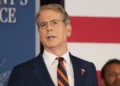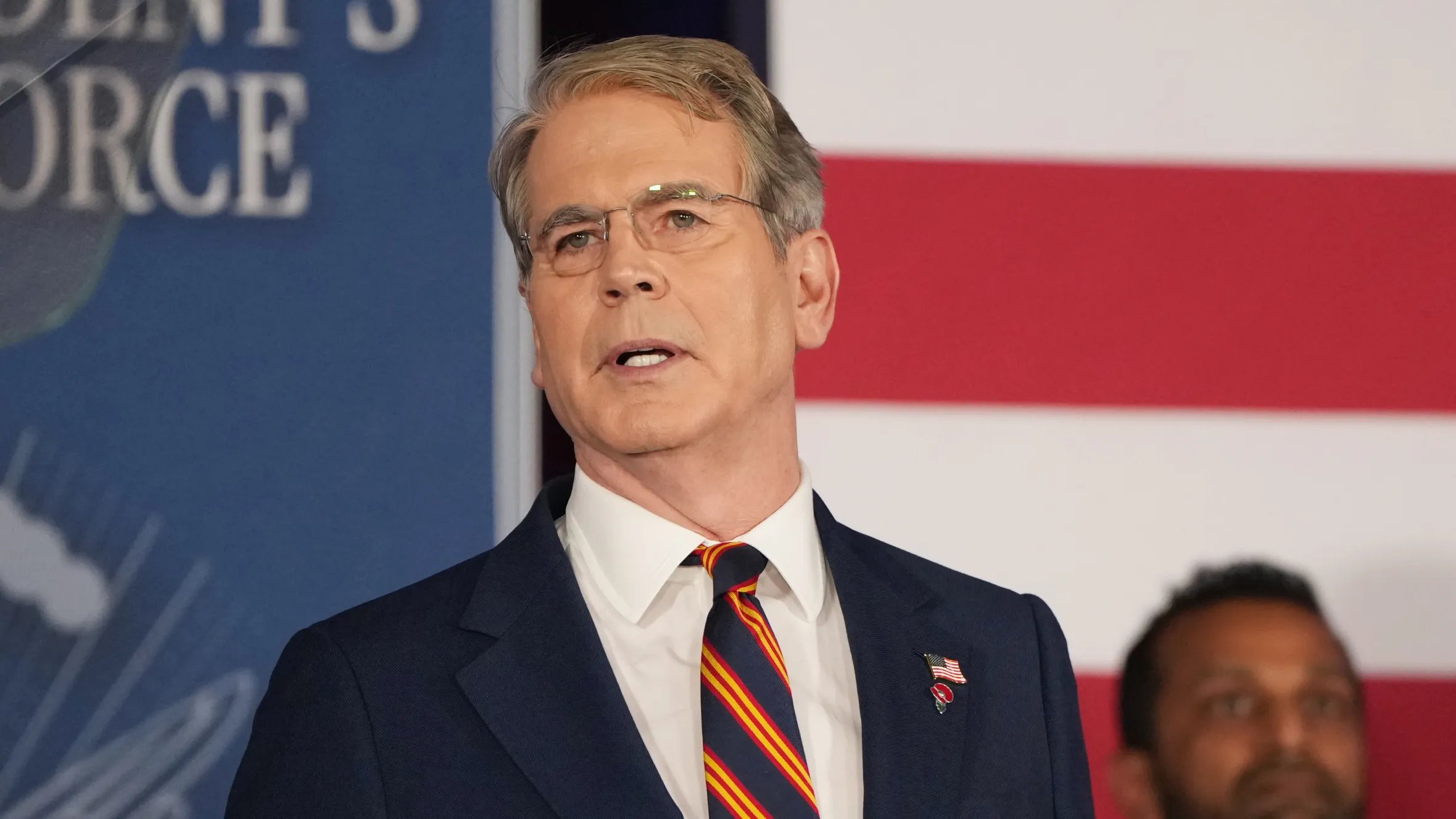
US Treasury Secretary Scott Bessent has reportedly relocated from his residence in the Washington area to a military base following intelligence concerns about a potential Iranian threat to his life. The reported move has raised fresh security concerns within the administration of President Donald Trump, as tensions between Washington and Tehran continue amid an escalating Middle East conflict and an increasingly aggressive campaign of economic pressure against the Iranian government.
According to a report published by the New York Times on Tuesday, Bessent moved to a military installation after US authorities received information about threats directed against him. The report, citing three people familiar with the matter, indicated that Iranian efforts to target current and former American officials had intensified in recent months. However, the precise nature and severity of the threats against the Treasury secretary remained unclear.
Bessent has become one of the most influential figures in Washington’s economic strategy against Iran. Since the beginning of the Middle East war, he has played a central role in developing and implementing financial measures designed to weaken Tehran’s economic capabilities. His approach has focused on restricting Iran’s access to international financial networks, reducing its ability to generate revenue and increasing pressure on institutions and individuals connected to the Iranian government.

The Treasury secretary has repeatedly advocated a policy of economic pressure against the Islamic Republic, describing the administration’s strategy as a campaign of economic asphyxiation. Through an expanding network of sanctions and financial restrictions, Washington has sought to limit Iran’s capacity to finance its activities and reduce the resources available to its government.
The reported threat against Bessent highlights the potential personal security consequences facing senior American officials involved in the confrontation with Tehran. While economic sanctions are generally implemented through government departments and financial institutions, officials responsible for designing and enforcing them can become prominent targets during periods of international conflict.
The development also comes amid broader warnings from American intelligence agencies about Iran’s alleged efforts to target US citizens both inside the Middle East and internationally.
Jay Clayton, the US national intelligence chief, said last month that Tehran had substantially increased its efforts to target Americans in the region and beyond. His warning reportedly included concerns about attempts to threaten current and former American government officials.
According to the New York Times report, intelligence assessments suggested that Iranian plotting against American officials had reached a more advanced stage. The information was attributed to anonymous sources familiar with the security situation, although the report did not establish the specific operational details of the alleged activities.
The reported relocation of Bessent is therefore being viewed as part of a wider reassessment of security arrangements for senior members of the Trump administration. Officials holding influential positions in national security, foreign policy and economic decision-making may face additional risks when their actions directly affect the interests of countries involved in international conflicts.
Bessent’s position is particularly significant because the US Treasury Department has become a central instrument of Washington’s pressure campaign against Iran. The department oversees financial sanctions, monitors international transactions and works with foreign governments and financial institutions to restrict access to resources that Washington considers connected to prohibited activities.
The economic campaign has sought to place sustained pressure on Iran without relying exclusively on direct military operations. By targeting financial channels and economic resources, the Trump administration has attempted to weaken Tehran’s ability to maintain its military and strategic activities.
However, such measures have also contributed to the political and diplomatic tensions surrounding the conflict. Iran has repeatedly opposed American sanctions, describing them as economic coercion and an attack on its national interests. Washington, meanwhile, maintains that financial restrictions are necessary to protect American interests and increase pressure on the Iranian leadership.
The security concerns surrounding Bessent have emerged alongside a series of precautionary measures involving American diplomatic and military facilities across the Middle East and Europe.
Last month, Washington ordered non-essential personnel at the US embassy in Saudi Arabia, along with their family members, to leave the country. The decision followed increased attacks by Houthi fighters backed by Tehran, raising concerns about the safety of American diplomatic personnel and the possibility of further regional escalation.
The withdrawal of non-essential embassy staff reflected the administration’s assessment that the security environment had become increasingly dangerous. Diplomatic facilities and personnel can face heightened risks during regional conflicts, particularly when armed groups target locations associated with countries involved in military or economic confrontations.
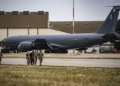
American military installations have also reportedly adjusted their security arrangements. In recent weeks, the US military removed some aircraft from two British airbases amid reported threats linked to Iran. The movements included aircraft based at Royal Air Force facilities, according to reports published earlier this week.
The reported relocation of aircraft from RAF Mildenhall and another British base has added another dimension to concerns about the potential geographical reach of the conflict. Although the precise reasons and operational details surrounding individual aircraft movements have not been fully established, the developments suggest that American military planners are considering security risks beyond the immediate Middle East region.
The situation has also raised questions about the protection of US personnel and infrastructure at locations traditionally regarded as relatively secure. Military bases, diplomatic missions and government officials may require additional protection when intelligence agencies identify potential threats involving foreign governments or affiliated armed groups.
Despite the growing security concerns, diplomatic efforts to end the conflict appear to be gaining momentum. American officials have indicated that economic pressure could play a central role in achieving Washington’s objectives while reducing the need for additional military action.
US Secretary of State Marco Rubio said on Tuesday that the American campaign to squeeze Iran’s economy had made further attacks unnecessary. His remarks suggested that the administration believes its financial pressure strategy could help achieve its objectives without expanding direct military operations.
Rubio’s comments come at a sensitive moment, as Washington faces the challenge of balancing military preparedness, economic pressure and diplomatic negotiations. The administration must also consider the potential consequences of further escalation, particularly if attacks against American personnel or interests increase.
The reported threats against Bessent could complicate this delicate balance. If senior officials become direct targets of foreign intelligence or armed networks, the consequences may extend beyond individual security arrangements and influence broader government decision-making.
For the Treasury secretary, the reported relocation represents a significant personal security measure linked to his role in one of the administration’s most consequential foreign policy initiatives. His involvement in the sanctions campaign has made him a prominent figure in Washington’s efforts to weaken Iran’s economic position.
At the same time, the situation illustrates how modern international conflicts increasingly extend beyond conventional battlefields. Economic sanctions, financial restrictions, intelligence operations, diplomatic pressure and threats against government officials have become interconnected elements of geopolitical competition.
The United States now faces the challenge of protecting its senior officials and overseas personnel while maintaining pressure on Tehran and pursuing diplomatic opportunities. Any further deterioration in relations could increase the risks for American citizens, diplomatic missions and military facilities in several countries.

For the moment, the exact nature of the reported threats against Bessent remains uncertain, and the available information does not establish whether a specific attack was planned or imminent. Nevertheless, his reported move to a military base underscores the seriousness with which American authorities are treating the intelligence concerns.
As diplomatic discussions continue, Washington will have to determine whether its economic campaign can deliver political results without triggering further confrontation. The coming weeks may prove important in establishing whether financial pressure and negotiations can reduce tensions or whether security concerns will continue to shape the relationship between the United States and Iran.
Related News:
 Qatar Pushes Iran Deal to Reopen Strait of Hormuz
 Tanker Attacked Near Qatar as Hormuz Tensions Escalate
 US Strikes Iran Island as Vance Signals Hope for Peace
 UK Prepares Aircraft Carrier for Middle East Crisis
 Houthis Strike Saudi Arabia as Middle East Tensions Rise
 Trump Calls Strait of Hormuz ‘American Territory’
 Trump Faces Iran War Crisis Before Midterm Vote
 Trump Calls Iran War ‘Small Potatoes’ Despite US Deaths
 Trump Pledges $5,000 if Republicans Win Midterms
 Netanyahu faces protests and pressure at UN
 Saudi intercepts Houthi missiles as oil fears grow
 Vance Demands Iran Cut Nuclear Enrichment
 Trump Rules Out Iran Attack Before US Elections
 Brazil Court Scandal Threatens Lula as Bolsonaros Rise
 Trump Rallies GOP as Senate Democrats Boost Key Races
 Trump Halts New Russia Sanctions Amid Ukraine Rift
 Trump Fears Shock Democratic Senate Win in Kansas
 Gulf States Push Multi-Part Deal to Avert US-Iran War
 Fed Expected to Hold Rates Steady Ahead of US Midterms
 Global Crises Test Diplomacy as Trump’s Policies Face Scrutiny
 G20 Photo Cancelled as Russia Deepens Western Rift
 Paraguay President Quits After Major Bank Collapse
 Paraguay President Impeached and Arrested After Banking Crisis
 Thousands Protest Iran Strikes Outside US Embassy London
 US Bombers Arrive at RAF Base Amid Rising Iran Tensions
 Trump approval plunges amid Iran war fears
 Trump Threatens UN Budget Cuts as US Pushes ‘Trade Over Aid’ Agenda
 Middle East Crisis Escalates as Oil Routes Shake Markets
 Tensions Emerge in Netanyahu-Trump Alliance
 US Awaits Iran Reply on New Ceasefire Proposal
 Hormuz Talks Near Critical Stage
 Reeves Fights to Keep Treasury Role Amid Labour Turmoil
 Former ICC prosecutor condemns US sanctions
 Trump Claims Iran Peace Deal Near Completion
 Trump Refuses to Sign Housing Bill, But Law Takes Effect
 Trump Hardens Canada Trade Stance as Talks Stall
 Saudi Arabia Shuts Oil Pipeline After Drone Attack
 Saudi Pact Raises Risk of Pakistan Entering War
 Macron and Carney deepen France-Canada ties
 Trump Eyes Major Belarus Fertiliser Deal Amid Canada Trade Dispute
 Tony Blair Calls for Britain to Rejoin EU Within a Decade
 Xi urges Trump to avoid US-China military conflict
 Lula accuses Trump of seeking control over Brazil
 New Maps Reveal Gaza’s Vast Destruction
 US Sends Third Carrier to Middle East
 Trump Comments on Iran Strike Draw US Backlash
 Canadian Veterans Condemn Trump Allies’ Military Remarks
 Israeli Settlers Assault Palestinian Photographer
 EU-China Talks Target Surge in Hybrid Car Imports
 Three Years On, October 7 Survivors Face Lasting Trauma
 Israel Marks Three Years Since October 7 Attack
 Oil Shock Sends Markets Lower as Middle East Risks Grow
 Israel Promotes Film Challenging Controversial Gaza Documentary
 US Senate Debates Turn Bitter as Midterms Near
 Turkey Rules Out Troops in Saudi Arabia’s Houthi Conflict
 Trump’s Russian Diesel Deal Sparks Ukraine Fury
 France Faces Debt Crisis as Protests and Markets Clash
 Riyadh Airport Hit Again as Yemen Conflict Escalates
 Millions Face Tougher Medicaid Rules From January
 Trump Targets Arizona and Montana Amid GOP Election Worries
 Brazil Cuts Working Week to 40 Hours in Lula Election Boost
 Serbia Leader Linked to Controversial Trump Tower Plan
 Trump Slams Ukraine Strikes as Russia Ceasefire Collapses
Trump Falsely Questions Ossoff’s Election Legitimacy
 Meta Faces Election Bias Claims Ahead of Brazil Runoff
 Palestinian Parties Gain Power in Israel’s Election
 Trump’s Global Policies Put Republicans at Risk
 Haley Stevens Backs Republican Rival in Michigan Senate Race
 US Midterms Put Trump’s Presidency to the Test
 Australia Raises Interest Rates to 18-Year High
 James Talarico Makes History with Texas Senate Victory
 South Korea Plans Expanded Naval Operations Near Hormuz
 Zelenskyy Seeks Urgent Help as Russia Hits Ukraine’s Power Grid
 Democrats Expand House Majority in Major Midterm Victory
 Trump’s Midterm Defeat Puts Maga’s Future in Doubt
 Pope Leo Rebukes Milei Over Argentina’s Austerity Policies
 Labor Minister Defends Chalmers Amid Budget Tensions
 Nvidia and Jensen Huang Face Shareholder Lawsuit
 US Pushes for Final Russia-Ukraine Peace Deal
 US Moves Aircraft From UK Base Amid Iran Threat