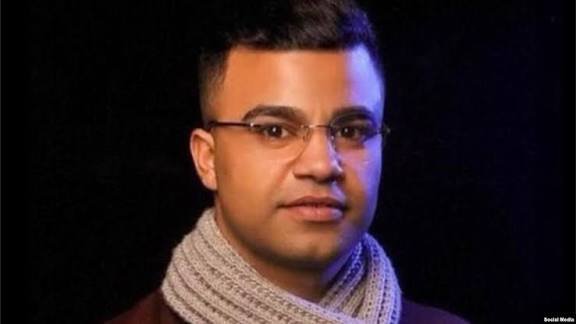
An Iranian boxing champion facing the threat of execution has vowed never to surrender to oppression after receiving an international human rights award in recognition of his courage and continued resistance against political persecution. Mohammad Javad Vafaei Sani, a 31-year-old athlete and political prisoner, received the prestigious Magnitsky Award for Outstanding Human Rights Activism while remaining behind bars in Iran, where he has been sentenced to death three times.
His recognition has renewed international attention on the treatment of political prisoners in Iran and raised further concerns about the growing number of athletes facing execution following anti-government protests. In a written message delivered from Vakilabad prison in the north-eastern Iranian city of Mashhad, Vafaei Sani dedicated the award to people who have suffered imprisonment, torture and death sentences for demanding political freedom.

The award ceremony took place in London on Thursday night, bringing renewed attention to a case that has become an important symbol of concerns over human rights and judicial fairness in Iran. Unable to attend the event because of his imprisonment, Vafaei Sani sent a message expressing his determination to continue resisting what he described as oppression and humiliation.
He said he accepted the recognition on behalf of those who had been punished for aspiring to a free Iran, including people who had been imprisoned, tortured, threatened or sentenced to death. He also dedicated the award to fellow activists and a generation of Iranians who, he said, were paying for their pursuit of freedom with their lives.
In one of the strongest passages of his message, the boxer declared that he and his fellow prisoners would never surrender to pressure from the authorities. He said the government demanded repentance, televised confessions and submission, but insisted that their response would remain unchanged: they would not surrender or accept humiliation.
Vafaei Sani’s case has attracted international concern because of the severity of the charges against him and the repeated imposition of the death penalty. A former Iranian boxing champion and coach, he was arrested in 2020 following his participation in nationwide demonstrations that took place in November 2019. Those protests were driven by public anger over rising fuel prices and developed into a wider movement expressing dissatisfaction with the country’s political and economic conditions.
Iranian authorities accused him of supporting the People’s Mojahedin Organization of Iran, commonly known as the MEK, an opposition organisation that has long been regarded as hostile by the Islamic Republic. He was subsequently convicted of the charge of “corruption on Earth”, a broad offence under Iranian law that can carry the death penalty.
His legal proceedings have repeatedly drawn criticism from international human rights organisations. Amnesty International has described his trial as grossly unfair and raised concerns about the treatment he experienced during detention. According to human rights advocates, Vafaei Sani has been subjected to torture and spent extended periods in solitary confinement since his arrest.
His death sentence was imposed for a third time in September 2024. Iran’s Supreme Court subsequently upheld the sentence on 4 October 2025, leaving him facing the possibility of execution despite continuing international appeals for his release.
Human rights organisations and legal experts have argued that his conviction and punishment require urgent reconsideration. They have called on Iranian authorities to annul the death sentence, guarantee his safety and ensure that any legal proceedings meet internationally recognised standards of fairness.
The Magnitsky Award has added another dimension to the campaign surrounding his case. Named after Russian lawyer Sergei Magnitsky, who died in police custody after exposing alleged government corruption, the awards recognise individuals who have demonstrated exceptional commitment to human rights and accountability.
The awards were established in 2015 and have since recognised journalists, politicians, activists and other individuals working to expose abuses and defend fundamental freedoms.
Sir William Browder, head of the Magnitsky Justice Foundation and chairman of the awards committee, said Vafaei Sani’s situation represented the wider difficulties faced by Iranians who challenge the country’s political establishment. He emphasised that the boxer was still alive and argued that international attention could make it more difficult for authorities to carry out an execution without scrutiny.
Browder’s comments reflected a central concern among human rights campaigners: that sustained international attention can provide a degree of protection to prisoners whose cases might otherwise receive limited public scrutiny. The award is therefore not simply recognition of Vafaei Sani’s personal courage but also an effort to keep his situation visible to governments, international organisations and the wider public.
The concerns extend far beyond one prisoner. According to figures published by the Hengaw Organisation for Human Rights, at least 710 people had been executed in Iran since the beginning of 2026 by the time of its latest reporting in November. The organisation said the total included 79 political and religious prisoners.
The organisation has also documented a growing number of death sentences involving people detained following protests in January. Its October report identified at least 106 death sentences against individuals arrested in connection with those demonstrations, with 35 of the prisoners reportedly already executed.
Vakilabad prison, where Vafaei Sani is being held, has become a particular focus of concern. Human rights monitors have reported that five people connected to the protests have been executed there, while another 15 prisoners are facing death sentences.
The situation has also raised alarm among international sports organisations and advocates who believe athletes should not face capital punishment because of their political activities or participation in peaceful demonstrations.
Zohreh Abdollahkhani, founder of Human Rights for Sport, has warned that the situation facing Iranian athletes is extremely serious. She said seven athletes were currently at risk of execution, including Vafaei Sani.
The deaths of several Iranian sports figures have intensified those fears. Mountaineer Ali-Sina Mostafavi was executed on 14 October after being convicted in connection with anti-government protests. His execution followed the killing of taekwondo athlete Siavash Jamshidi Kheirabadi earlier that month. Mixed martial arts fighter Gholamreza Khani Shakarab was also hanged in May.
These cases have raised questions about the vulnerability of professional athletes and other public figures who become involved in political movements. Sportspeople often enjoy considerable recognition within their communities, and their public influence can make their political positions particularly sensitive for authorities.
Abdollahkhani said Vafaei Sani’s international recognition had generated widespread encouragement among people in Iran. She noted that individuals with different political opinions were expressing support for him because they wanted his case to receive attention and opposed the use of execution as a response to political dissent.
The growing support across political divisions is particularly significant in a country where opposition movements have often struggled to maintain unity. Campaigners believe that opposition to capital punishment can create common ground among people who otherwise disagree about Iran’s political future.
In his award message, Vafaei Sani also outlined the kind of country he hopes to see. He expressed support for a free and democratic Iran where citizens can choose their representatives through genuine elections, women and men enjoy equal rights, and discrimination based on ethnicity, religion or personal beliefs has no place.
He also called for an end to the imprisonment and execution of people because of their political opposition. His message presented the struggle for freedom as a broader demand for equality, dignity and fundamental human rights rather than simply an individual political campaign.
The international response to his award comes amid continuing debate over Iran’s use of capital punishment, the treatment of political detainees and the rights of individuals involved in anti-government movements. Human rights organisations have repeatedly called for greater transparency in judicial proceedings and an end to executions following trials that fail to meet international standards.
For Vafaei Sani, however, the immediate concern remains his survival. Despite years of imprisonment, repeated death sentences and allegations of mistreatment, his message from Vakilabad prison suggests that he has not abandoned his determination.

He concluded by reaffirming his commitment to his beliefs and declaring that he would not bow before oppression until the Iranian people were free.
His award has brought international recognition to his struggle, but it has also highlighted the urgent need for action to protect prisoners facing execution. As campaigners continue to demand justice, the boxer’s future remains uncertain, with his case serving as a stark reminder of the human cost of political repression and the importance of international attention in defending fundamental freedoms.
Related News:
 Israel Promotes Film Challenging Controversial Gaza Documentary
 Zelenskyy Says US Failed to Warn Kyiv of Russian Strikes
 Dreyfus Statue Finally Gets Permanent Paris Home
 Israeli Strike in Southern Lebanon Kills Seven
 Five Years of Taliban Rule Leave Afghanistan in Crisis
 Miliband Rejects Chief Rabbi’s West Bank Warning
 Israel Accused of Undermining Palestinian Life
 Gaza Strike Kills Child and Paramedic
 Saudi Pact Raises Risk of Pakistan Entering War
 Japan PM Backs International Criminal Court
 King Refers Jamaica Slavery Petition to Privy Council
 Yemen fighting forces children out of school and into work
 New Maps Reveal Gaza’s Vast Destruction
 Latin America women fear rollback of rights
 Iran Nobel Laureate Reveals Prison Torture and Fears
 Turkey Rules Out Troops in Saudi Arabia’s Houthi Conflict
 Navi Pillay Wins Nobel Peace Prize for Justice
 Zelenskyy Accuses US of Delaying Ukraine Missile Supplies
 Netanyahu Faces Defining Election Test as Israel Divides
 King Charles Faces Caribbean Slavery Apology Demands
 UAE Nominee Faces Backlash Over Sudan War Role
 Gaza Floods Leave Thousands Homeless as Tents Await Entry
 China Fireworks Factory Blast Kills 21 in Hunan
 China mine blast death toll rises to 90
 Former ICC prosecutor condemns US sanctions
 Ukraine Creates Long-Range Strike Command
 Houthis Strike Saudi Arabia as Middle East Tensions Rise
 Ukraine Villagers Demand Answers After Deadly Arms Depot Strike
 Masked Protesters Bring Dover Port Traffic to Standstill
 UN expert urges UK to rethink Israel policy
 Susan Sarandon Says Palestine Stand Costs Roles
 Saudi Arabia Shuts Oil Pipeline After Drone Attack
 Nearly 50,000 Flee as Houthis Advance in Yemen
 Yemen War Displaces 125,000 as Fighting Intensifies
 South Korea Rules Out Military Role in Iran War
 Texas Transfers Raise Fears for Migrant Children
 South Africa’s Femicide Crisis Deepens
 Irish PM Backs Coach in Israel Football Dispute
 Ukraine and Russia Escalate Long-Range Drone War
 Saudi intercepts Houthi missiles as oil fears grow
 Three Die in Channel Crossing Attempt Near France
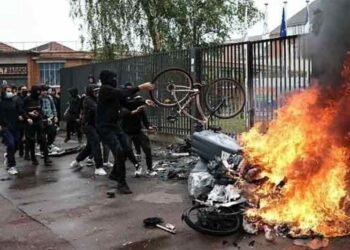 French Student Protests Escalate Into Violent Clashes
 Israel-bound Plane Lands in Saudi Arabia After Cockpit Fight
 Pilot Recalls Fight to Save Flydubai Passengers
 French School Protests Escalate as 400 Schools Close
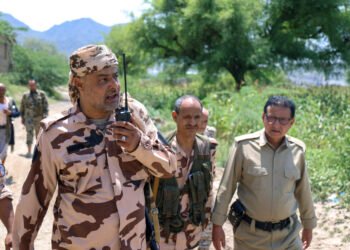 Yemen government launches offensive against Houthis
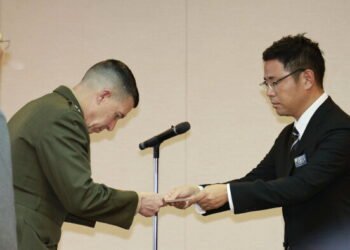 Japan PM condemns alleged killing by US Marine
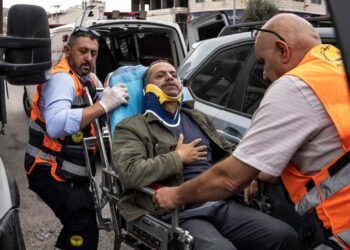 Israeli Settlers Assault Palestinian Photographer
 Israel Marks Three Years Since October 7 Attack
 Tanker Attacked Near Qatar as Hormuz Tensions Escalate
 South Sudan Trauma Wards Struggle as Fighting Intensifies
 USS Lincoln Ends Record 265-Day Deployment
 India’s Youth Movement Alleges Mass Detentions Before Protest
 Gaza War Deepens India’s Strategic Ties With Israel
 Trump Rules Out Iran Attack Before US Elections
 EU Divisions Deepen Over Israel Policy
 US Execution Livestream Plan Sparks Global Outrage
 Three Convicted in Mexico Surfing Trip Murders
 Delhi Detains Protest Leaders as Youth Rally Escalates
 Riyadh Airport Hit Again as Yemen Conflict Escalates
 Iranian Woman Faces Death Sentence Over Social Media Post
 Gadi Eisenkot: Israel’s Anti-Netanyahu Challenger
 Saudi Arabia Faces Outcry Over Execution of Former Minor
 Macron Condemns Violence as France Faces 2,400 Arrests
 Milan Luxury Stores Shut as Italy Plans Troop Deployment
 Suu Kyi Appears in Rare Photos After Royal Gift
 Fifth Foreign Firm Withdraws From Jerusalem Cable Car Plan
 Helen Haines Loses Both Legs After Alleged Attack
 Russia Strikes Kyiv After Agreeing to Resume Peace Talks
 Serbia’s Student Victory Sparks a ‘Smell of Freedom’
 Trump’s Midterm Campaign Faces Racism and Political Backlash
 Albanese Vows Swift Action on MP Safety Threats
 Bedouin Women Drive Historic Arab Election Gains
 US Strikes Iran Island as Vance Signals Hope for Peace
 Australia Reviews UK Visa Rules Amid Worker Influx
 Canada Joins Boycott of Russian Ice Hockey Teams
 Qatar Pushes Iran Deal to Reopen Strait of Hormuz
 Knesset Speaker Race Could Decide Netanyahu’s Future
 Ukraine Captures First Indonesian Fighter in Russian Army
 Afghan Women Denied Care as Male Doctors Face Ban