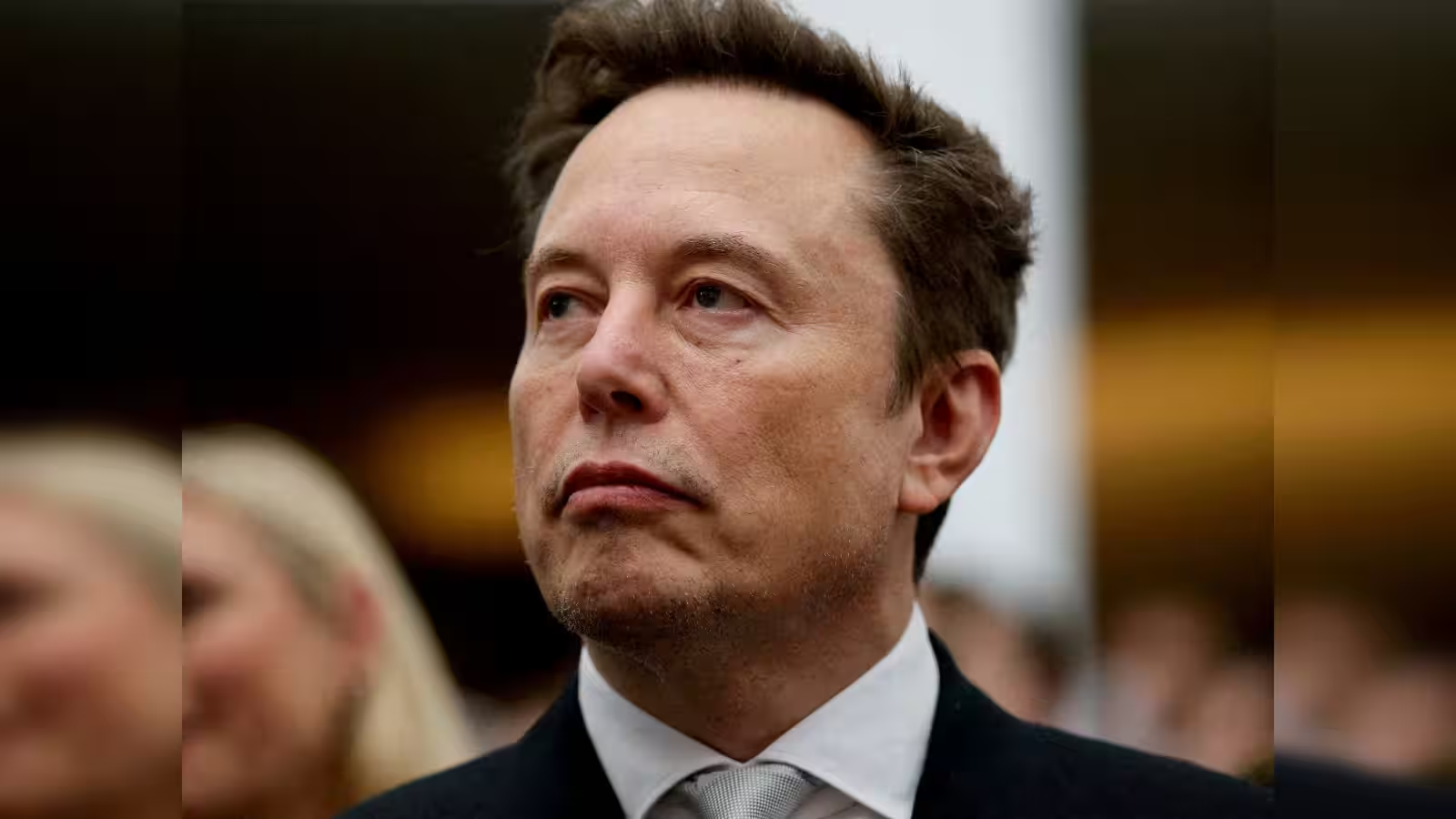
Elon Musk has sought to distance himself from Donald Trump’s Make America Great Again (MAGA) movement, declaring that he is not a MAGA supporter despite his previous close political alliance with the US president. The billionaire entrepreneur has also admitted that he regrets spending enormous sums of money to support Republican candidates in the 2026 US midterm elections, acknowledging that his unprecedented political investment failed to deliver the results he had expected.
Speaking at the New York Times DealBook Summit on Wednesday, Musk said he did not consider himself a MAGA supporter and rejected the idea that he blindly followed the Republican Party’s political positions. His comments represent a notable shift in tone from a businessman who, over the past two years, became one of the most influential financial and public supporters of Trump and his political movement.

Musk participated in the summit through a video call from China, where he was accompanying Trump on his diplomatic and business visit to Asia alongside several other prominent American business leaders. During an approximately 45-minute conversation with Andrew Ross Sorkin, a New York Times columnist, Musk discussed American politics, the Republican Party, his relationship with Trump, artificial intelligence, international conflicts and his recent political spending.
Asked directly whether he identified with the MAGA movement, Musk responded that he did not. He explained that he was uncertain about the precise meaning of MAGA but argued that if the movement represented unquestioning loyalty to a particular set of Republican policies, he certainly did not subscribe to that approach.
The statement attracted considerable attention because it appeared to contradict Musk’s earlier public identification with the movement. During a Trump campaign rally at Madison Square Garden in New York in October 2024, Musk had enthusiastically declared himself not only a MAGA supporter but also a supporter of what he described as dark, gothic MAGA. His appearance at the rally and repeated public endorsements of Trump helped establish him as one of the most prominent figures in the Republican campaign.
However, Musk’s latest remarks suggest that his relationship with the movement may be more complicated than his previous public statements indicated. Although he has not announced a complete withdrawal from Republican politics, his comments demonstrate a willingness to distinguish his personal political views from the party’s broader agenda.
During the interview, Musk also suggested that American politics could benefit from a situation in which neither major political party exercised complete control over Washington. He expressed support for the idea of divided government, arguing that both Republicans and Democrats had positive and negative aspects. Such an arrangement, he suggested, could encourage political balance and prevent either party from exercising excessive authority.
His remarks came against the backdrop of a disappointing performance by Republican candidates in the 2026 midterm elections. Musk had invested nearly $500 million in supporting Republican candidates and political organisations during the election cycle, making his financial involvement one of the most extraordinary examples of personal political spending in modern American electoral history.
Despite the enormous investment, many of the candidates backed by Musk failed to secure victories. The results raised questions about the effectiveness of his political strategy and whether financial resources alone could significantly influence voters’ decisions. Musk acknowledged the failure during the DealBook discussion and admitted that he felt foolish about spending such a substantial amount of money.
He indicated that if he had the opportunity to reconsider his decisions, he would have spent considerably less. According to Musk, the election results demonstrated that American elections were not determined simply by the amount of money candidates or their supporters could invest.
His admission represents a significant moment for a billionaire who had increasingly used his wealth, public influence and social media platform to shape political debates. Musk’s spending during the midterms followed his substantial financial contribution to Trump’s successful 2024 presidential campaign, for which he donated at least $250 million of his personal wealth.
The scale of his involvement made him a central figure in Republican fundraising and campaigning. His political influence also extended beyond financial support, as he frequently used his social media platform, X, to comment on political developments, criticise Democratic leaders and promote conservative candidates and positions.
Musk’s relationship with Trump became particularly prominent after the Republican leader returned to the White House in January 2025. He was appointed to lead the Department of Government Efficiency, commonly known as DOGE, an initiative designed to reduce federal government spending, restructure government operations and cut what the administration considered unnecessary bureaucracy.
Musk spent approximately 180 days leading the initiative, becoming one of the most visible and influential figures within Trump’s administration. He frequently appeared alongside the president in the Oval Office and attended cabinet meetings, attracting considerable media attention.
His public appearances often featured MAGA-themed clothing and hats carrying slogans supporting Trump. On several occasions, he wore merchandise displaying messages such as Make America Great Again and Trump Was Right About Everything, reinforcing the impression that he had become closely associated with the president’s political identity.
However, the relationship eventually deteriorated following disagreements over government policy and spending priorities. The disagreement developed into a highly public confrontation, with both men exchanging criticism and accusations through public statements and social media.
The dispute reached an extraordinary level in June 2025 when Musk made a controversial post on X claiming that Trump appeared in the files associated with convicted sex offender Jeffrey Epstein. Musk suggested that the alleged connection explained why the documents had not been made public. The accusation generated significant political controversy and further damaged the relationship between the two powerful figures.
Although their confrontation raised questions about the future of their political alliance, the two men eventually reconciled. Their subsequent rapprochement demonstrated that personal disagreements had not necessarily ended their broader political and business connections.
Beyond American politics, Musk also used the DealBook interview to discuss several international and technological issues. He criticised Ukrainian President Volodymyr Zelenskyy, accusing him of providing misleading information regarding restrictions on Ukraine’s access to Starshield, a satellite communications system developed by SpaceX for government and military purposes.
The satellite technology has become an important element in discussions about modern warfare, communications security and international support for Ukraine. Musk’s comments once again highlighted the complicated relationship between private technology companies and governments involved in international conflicts.
He also discussed developments in the artificial intelligence industry, including his interactions with Anthropic, one of the major companies working on advanced AI systems. Musk had previously expressed negative views about the company, but his assessment appeared to have softened after meeting members of its team.
Explaining his decision to enter into a computing-power rental arrangement with Anthropic, Musk said he had met several people associated with the organisation before proceeding with the agreement. He described the individuals he encountered as principled, diligent and concerned about the future of technology.
He added that nobody he had met at Anthropic had triggered what he described as his evil detector. The comment suggested that, despite his earlier criticism, he had developed a more positive impression of the company’s employees and their approach to artificial intelligence.
Musk also praised Jensen Huang, the former chief executive of Nvidia, although the interview did not provide extensive details about the circumstances surrounding the leadership reference.
The discussion comes at a particularly important time for Musk, whose business interests extend across electric vehicles, space exploration, satellite communications and artificial intelligence. His companies, including Tesla and SpaceX, operate in sectors that are significantly influenced by government regulations, public investment, international trade policies and diplomatic relationships.
His political activities have therefore attracted attention not only because of his personal wealth but also because of the potential relationship between corporate interests and political power.
Musk’s decision to acknowledge the failure of his midterm spending and publicly distance himself from MAGA raises questions about how actively he intends to participate in future Republican campaigns. It also highlights the difficulties wealthy individuals can face when attempting to translate financial influence into electoral success.
For Trump and the Republican Party, Musk remains a significant figure because of his financial resources, technological influence and enormous social media following. Nevertheless, his latest comments suggest that he may prefer to maintain greater independence rather than remain closely identified with a single political movement.

Whether this represents a lasting change in his political outlook or simply a response to disappointing election results remains uncertain. What is clear is that Musk, who once presented himself as an enthusiastic supporter of Trump’s political movement, is now publicly emphasising that his views are not defined by unquestioning loyalty to the Republican Party.
His admission that he would have spent less money on the midterm elections also offers a rare insight into the limitations of political spending, even when backed by one of the world’s wealthiest individuals. As American political divisions continue to shape the country’s domestic and international direction, Musk’s evolving position could become an important factor in the relationship between business leaders, political parties and the future of Republican politics.
Related News:
 Xi urges Trump to avoid US-China military conflict
 Meta Faces Election Bias Claims Ahead of Brazil Runoff
 Nvidia Scandal Fuels US-China Security Crisis
 Trump approval plunges amid Iran war fears
 Trump Threatens UN Budget Cuts as US Pushes ‘Trade Over Aid’ Agenda
 US Awaits Iran Reply on New Ceasefire Proposal
 Hormuz Talks Near Critical Stage
 Trump announces major US oil deal with Venezuela
 Trump Hardens Canada Trade Stance as Talks Stall
 Trump Calls Iran War ‘Small Potatoes’ Despite US Deaths
 Trump Pledges $5,000 if Republicans Win Midterms
 Macron and Carney deepen France-Canada ties
 Trump Eyes Major Belarus Fertiliser Deal Amid Canada Trade Dispute
 AI Takes Centre Stage in Trump-Xi Talks
 Trump gives Xi red-carpet welcome as trade truce extends
 Lula accuses Trump of seeking control over Brazil
 AI Deepfakes Put New Pressure on Election Trust
 Trump Ads Trigger Fight Over Taxpayer Money
 Trump Immigration Policy Faces New Legal Tests
 Tanker Attacked Near Qatar as Hormuz Tensions Escalate
 Brown Targets Ohio Data Centers in Senate Comeback
 Trump’s Russian Diesel Deal Sparks Ukraine Fury
 Brazil Court Scandal Threatens Lula as Bolsonaros Rise
 Millions Face Tougher Medicaid Rules From January
 Trump Targets Arizona and Montana Amid GOP Election Worries
 Brazil Cuts Working Week to 40 Hours in Lula Election Boost
 Trump Rallies GOP as Senate Democrats Boost Key Races
 Serbia Leader Linked to Controversial Trump Tower Plan
 Trump Halts New Russia Sanctions Amid Ukraine Rift
Trump Falsely Questions Ossoff’s Election Legitimacy
 Trump Fears Shock Democratic Senate Win in Kansas
 US Bans BYD Vehicles at Japan Military Base
 Fed Expected to Hold Rates Steady Ahead of US Midterms
 Trump’s Global Policies Put Republicans at Risk
 Global Crises Test Diplomacy as Trump’s Policies Face Scrutiny
 G20 Photo Cancelled as Russia Deepens Western Rift
 Haley Stevens Backs Republican Rival in Michigan Senate Race
 US Midterms Put Trump’s Presidency to the Test
 US Strikes Iran Island as Vance Signals Hope for Peace
 Democrats Seize Senate Control in Major Trump Setback
 Democrats Retake US House in Major Trump Backlash
 James Talarico Makes History with Texas Senate Victory
 Elon Musk’s $446m Midterm Gamble Ends in Defeat
 Big Tech Faces a New Political Reckoning in America
 Paraguay President Quits After Major Bank Collapse
 Zelenskyy Seeks Urgent Help as Russia Hits Ukraine’s Power Grid
 Democrats Expand House Majority in Major Midterm Victory
 Australia Faces Political Risks After US Midterm Shift
 Paraguay President Impeached and Arrested After Banking Crisis
 Qatar Pushes Iran Deal to Reopen Strait of Hormuz
 Trump’s Midterm Defeat Puts Maga’s Future in Doubt
 Pope Leo Rebukes Milei Over Argentina’s Austerity Policies
 Nvidia and Jensen Huang Face Shareholder Lawsuit
 US Treasury Chief Moves to Military Base Over Iran Threat
 Elon Musk Leads 165,000 Calls to Reinstate Nvidia CEO
 Trump Defends Lutnick Amid Nvidia Chip Export Controversy
 Mary Peltola’s Alaska Win Gives Democrats 56 Senate Seats
 Rubio Rejects Links Between US Tech Outages
 Canada Passes Carney’s First Budget in Tight Parliamentary Vote
 Trump Fed bid heads to Supreme Court
 UK Stands Firm on Falklands Amid US Rift
 Oil Prices Surge Above $120 Amid Iran Blockade Fears
 Trump orders US troop pullout from Germany
 Kevin Warsh sworn in as Fed chair amid economic backlash
 Houthis Strike Saudi Arabia as Middle East Tensions Rise
 Tom Watson Takes Senior Role at Palantir
 US Networks Suspend Trump White House Pool Coverage
 Republican Senator Questions Trump Ad Spending
 Lula Warns of Bolsonaro Family Return as Brazil Votes
 Quebec separatists return to power without majority
 South Korea Probes Fuel Shipments to Russia
 Trump Says He Deserves Nobel Peace Prize
 Trump Rules Out Iran Attack Before US Elections
 Trump Names Katie Zachariah as Next White House Press Secretary
 Lula Supporters Make Final Push Ahead of Brazil Runoff
 Flávio Bolsonaro Reportedly Leaves Brazil After Election Defeat
 Hegseth Faces Growing Pressure After GOP Election Defeat
 Trump-Backed Republicans Suffer Major Midterm Defeats
 Labor Minister Defends Chalmers Amid Budget Tensions
 Pentagon Claims Victory as Hegseth Impeachment Bid Stalls