Published: 12 October 2026. The English Chronicle Desk. The English Chronicle Online
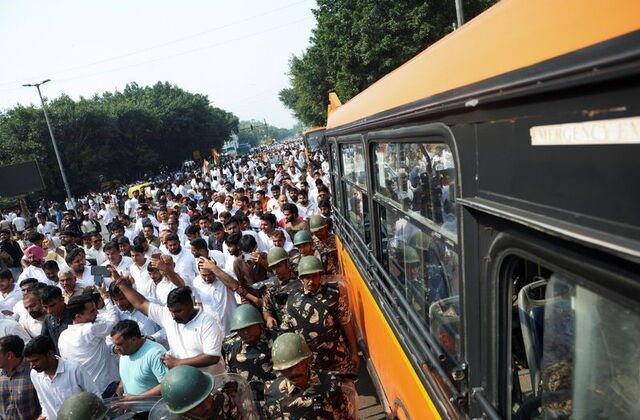
Authorities in India’s capital, New Delhi, closed six metro stations and announced extensive traffic restrictions on Monday as opposition parties prepared to march towards the Supreme Court over a controversial revision of electoral voter lists. The measures came amid days of demonstrations, mass detentions and growing political tensions surrounding allegations that millions of eligible voters may have been removed from electoral records.
The planned march represents another significant development in a dispute that has placed India’s election administration under intense scrutiny. Opposition parties, civil society groups and supporters of the emerging Cockroach Janta Party (CJP) youth movement have been demanding the resignation of Chief Election Commissioner Gyanesh Kumar, accusing the Election Commission of overseeing a process that could undermine the fairness of elections. The commission and the governing Bharatiya Janata Party (BJP), led by Prime Minister Narendra Modi, have rejected allegations of political bias.
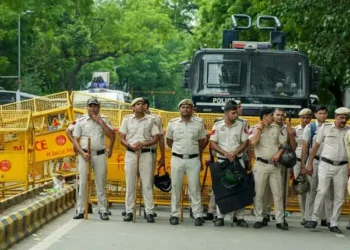
Delhi Police said six metro stations would remain closed for security reasons as authorities prepared for the demonstrations. Traffic restrictions and diversions were also planned at 20 locations across the capital, potentially affecting commuters, businesses and people travelling through central Delhi. The precautions reflected official concerns about maintaining public order as protesters sought to bring their demands directly to the country’s highest judicial institution.

The controversy centres on a voter verification exercise that began last year and has resulted in more than 130 million names being removed from electoral lists, according to figures cited in reports on the revision. The total exceeds the population of Japan and has raised questions about the scale, accuracy and consequences of the process in the world’s most populous country.
The reported deletions include approximately 30 million people who could not be traced during verification, 28 million who had died and 63 million who had relocated. Although electoral registers require regular updates to remove deceased individuals and account for changes of residence, the scale of the revisions has prompted demands for greater transparency about the methods used and the safeguards available to people whose names have been removed.
Opposition parties argue that the exercise risks disenfranchising eligible citizens, particularly vulnerable communities that may face difficulties producing documents, responding to verification requests or completing re-registration procedures. They have also alleged that Muslim voters and other minority groups could be disproportionately affected because they are less likely, in the opposition’s assessment, to support the BJP. Both the election authorities and the governing party reject claims that the revisions were designed to benefit particular political interests.
The Election Commission has maintained that it does not favour any political party and has said voters whose names were wrongly deleted can apply to be registered again. However, opposition leaders contend that the availability of re-enrolment procedures does not fully address their concerns about people who may discover their exclusion only when attempting to vote. The dispute has consequently expanded from a technical question about electoral records into a broader argument over democratic participation and institutional accountability.
The main opposition Congress party has announced plans to march to the Supreme Court and submit a memorandum to the Chief Justice of India. The party wants an end to what it describes as vote theft and is demanding Kumar’s resignation. Congress leaders have framed the protest as a defence of constitutional rights and the principle that every eligible citizen should have an equal opportunity to participate in elections.
Congress leader Rahul Gandhi called on young people, opposition parties and civil society organisations to join the march. In a public statement, he appealed to those who believe in democracy and support India’s Constitution to stand together in opposition to the voter-list revision.
The planned approach to the Supreme Court encountered a procedural obstacle after Chief Justice Surya Kant declined a request for a meeting. According to a Congress source, the Chief Justice explained in an email that Gandhi and the congressional delegation should pursue the matter through established legal procedures because the issue was already before the court.
The response highlights the distinction between political demonstrations and judicial proceedings. While opposition parties are seeking public attention and political accountability, the Supreme Court must consider matters brought before it through the appropriate legal channels. The court’s handling of the dispute could become important in determining what remedies, if any, are available to voters who believe they have been incorrectly removed from electoral registers.
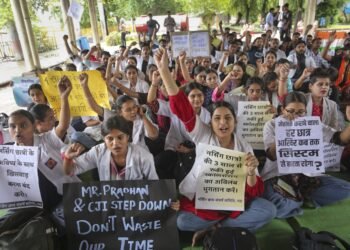
The demonstrations have also exposed growing tensions between the authorities and the Cockroach Janta Party, whose supporters have participated in protests alongside opposition groups. Police detained thousands of demonstrators in Delhi over the weekend, including CJP leaders, as security personnel moved to prevent protesters from entering restricted areas of central Delhi.
The detentions followed efforts by supporters of the youth movement to organise demonstrations against the election commissioner. Thousands of security personnel were deployed as police restricted access to key locations. Images of officers detaining demonstrators circulated widely, reinforcing concerns among opposition supporters about the handling of public dissent.
Separately, CJP representatives said their leaders would meet Delhi Police to demand a date for a peaceful protest. The party warned that it could announce another demonstration if authorities failed to provide a date within 24 hours. The demand suggests that the confrontation could continue even after the immediate restrictions imposed for Monday’s planned march.
The youth movement has developed into a broader political force by mobilising support around issues extending beyond electoral reform. Its activities in recent months have included protests concerning government school infrastructure, employment opportunities and public accountability. These issues have helped it attract younger supporters who are concerned about economic prospects, access to public services and the responsiveness of political institutions.
The movement’s growing visibility presents a challenge for the established political landscape, particularly as opposition parties seek to coordinate their campaigns against Modi’s government. The BJP has held power nationally for more than a decade, and the emergence of new protest movements could influence how political dissatisfaction is organised and expressed. Nevertheless, the movement’s longer-term electoral impact remains uncertain.
The latest demonstrations were preceded by reporting from the Indian Express newspaper, which said Kumar’s two deputies had raised concerns internally about aspects of the voter-list revision, registration procedures and digital systems. The report intensified questions about how the exercise had been designed, how officials handled disputed cases and whether adequate safeguards were in place to prevent eligible voters from being excluded.
Such concerns are especially significant in a country where elections involve enormous administrative challenges. India’s electorate is spread across cities, villages, remote regions and communities with widely varying access to official documentation and digital services. Maintaining accurate electoral records is essential, but the process must also ensure that administrative errors do not prevent eligible citizens from exercising their constitutional rights.
For people whose names disappear from voter lists, the consequences can extend beyond inconvenience. Correcting an error may require additional paperwork, travel, time away from work and repeated contact with officials. These burdens can fall particularly heavily on people with limited resources, those who have moved frequently and citizens who have difficulty navigating administrative procedures.
At the same time, accurate voter registers are important for protecting electoral integrity. Authorities must identify duplicate entries, remove records of deceased voters and update information when people relocate. The central question is whether these objectives can be achieved through transparent procedures that provide reliable notice, accessible appeals and effective remedies for those affected by mistakes.
The Election Commission’s position is that the revision is an administrative exercise and that people wrongly removed can seek re-enrolment. Opposition parties, however, argue that the scale of the deletions and concerns about the verification process require more extensive scrutiny. Independent examination of the procedures, supporting records and available appeals could help establish the extent of any errors and whether particular groups have faced disproportionate difficulties.
The Supreme Court now occupies a significant position in the dispute because the issue is already being considered through judicial proceedings. Any eventual legal response could influence how election authorities manage voter verification, communicate changes to citizens and resolve disputes over registration. Until the legal process produces further clarity, the controversy is likely to remain a source of political tension.
Monday’s security measures demonstrate how a dispute over electoral administration can spill into everyday life in the capital. Metro closures and traffic diversions can disrupt commuters and businesses, while repeated detentions risk deepening mistrust between protesters and the authorities. The situation also presents a challenge for police, who must maintain public safety while respecting citizens’ rights to peaceful assembly.
The broader stakes extend well beyond a single march or the fate of one election official. India’s democratic system depends on public confidence that elections are administered fairly, that eligible citizens can register and vote, and that complaints are addressed through transparent and credible institutions. Allegations of mass disenfranchisement, even when disputed, can weaken that confidence if they are not examined convincingly.

As opposition parties prepare to continue their campaign and the youth movement presses for permission to demonstrate, the immediate question is whether the dispute can be addressed through lawful protest, transparent administrative action and judicial review. The authorities face pressure to maintain order, while political leaders and election officials must respond to concerns about voter access without allowing unverified allegations to replace evidence.
The coming days could prove important in determining whether the confrontation escalates or moves towards a more formal resolution. For millions of citizens whose names have reportedly been removed from electoral records, the most consequential outcome will be whether the system provides a clear, accessible and reliable way to establish their eligibility and restore their right to vote. Ultimately, the credibility of India’s electoral process will depend not only on maintaining accurate lists but also on ensuring that no eligible citizen is unfairly denied a voice in the country’s democracy.
Related News:
 Delhi Braces for Youth Protests Over Voter Roll Dispute
 Delhi Detains Protest Leaders as Youth Rally Escalates
 Delhi Freezes Promotion of Police Officer After Allegations
 Sri Lanka Ex-First Lady Arrested Over Donation Probe
 India’s Youth Movement Alleges Mass Detentions Before Protest
 Pakistan Lawyers Back PTI Long March and Demands
 Delhi Tightens Security Ahead of Election Protest
 PTI Announces Swabi Rally Ahead of Long March Plans
 Judge Blocks Trump Bid for Arizona Voter Data
 US Court Weighs Fate of TPS for Migrants
 UK may ban protests amid rising antisemitism fears
 Immigration Judges Fear Pressure in Trump Era
 Trump’s Revenge Drive Deepens GOP Divide
 Le Pen’s Popularity Holds Despite Conviction
 Trump Orders Signs Criticising Smithsonian Museum
 Pradhan Resigns Amid Protests
 Five Years of Taliban Rule Leave Afghanistan in Crisis
 Nepal Flood Survivors Face Unimaginable Loss
 Nepal Tunnel Rescue Offers Hope Amid Flood Devastation
 Armed Suspect Attacks Ohio Governor Candidate
 Ministers Condemn Far-Right Unrest in Portsmouth
 Patriot Platform Raises Concern Across Britain
 Reform UK Receives Record £36m Donation From Crypto Billionaire
 Election Candidate Abuse Raises Alarm in England
 Texas Transfers Raise Fears for Migrant Children
 Memphis Questions National Guard Crime Surge
 Mahmood Warns Far Right Over Asylum Protests
 Disabled Travellers Seek Fairer UK Care Rules
 Saudi Pact Raises Risk of Pakistan Entering War
 China’s MeToo Movement Finds New Ways to Survive
 Trump and Mamdani Hold Cordial Gracie Mansion Meeting
 UK Reviews Hague Child Abduction Cases Involving Abuse
 Democrat Says ICE Restricted Detention Camp Oversight
 Japan PM Backs International Criminal Court
 King Refers Jamaica Slavery Petition to Privy Council
 Judge orders Trump to restore access for three media outlets
 Far-Right Activist Arrested After Channel Dinghy Incident
 Nepal PM calls deadly flood a global climate warning
 Portadown protest ends after tense Orange Order standoff
 Trump Asked Xi About Buying US Weapons
 Free Speech Emerges as Key UK Election Issue
 South Korea-Ukraine Row Erupts Over North Korean POWs
 French Student Protests Escalate Into Violent Clashes
 Israel-bound Plane Lands in Saudi Arabia After Cockpit Fight
 Burnham Opens Door to Possible UK Return to EU
 Drumcree Talks Falter as Legal Challenge Deepens
 UK-France Returns Deal Faces Expiry as Talks Stall
 Hundreds of UK prisoners released early amid overcrowding
 Drumcree Talks End Without Agreement Ahead of Appeal
 Pilot Recalls Fight to Save Flydubai Passengers
 Badenoch Raises Prospect of 2027 UK Election
 French School Protests Escalate as 400 Schools Close
 Latin America women fear rollback of rights
 Pacific Climate Summit Draws Limited Global Leaders
 Gosport Protesters Clash With Police Over Migrant Rescue
 Tanker Attacked Near Qatar as Hormuz Tensions Escalate
 Botstein Quits Bard Amid Epstein Investigation Calls
 NSW Police Bid Delays Inquiry Into Sydney Protest
 ICE Agent Shoots Man in New York as Child Escapes Harm
 US Senate Debates Turn Bitter as Midterms Near
 Gaza War Deepens India’s Strategic Ties With Israel
 Turkey Rules Out Troops in Saudi Arabia’s Houthi Conflict
 South Africa Withdraws Directive on Asylum Applications
 Navi Pillay Wins Nobel Peace Prize for Justice
 US Execution Livestream Plan Sparks Global Outrage
 Controversial Vaccine Trial Approved in Guinea-Bissau
 Trump Attacks Norway After Nobel Peace Prize Snub
 Recruitment Boss Accused of Leading Doxxing Campaign
 Australia grants Asio powers to designate hate groups under new laws
 Partial US Government Shutdown Hits Homeland Security Funding
 Unions Warn Labour Over Zero-Hours Contract Reforms
 Trump gives $45,000 holiday gifts to White House aides
 Republican Senator Questions Trump Ad Spending
 London Facial Recognition Trial Ends With False Alert
 UK University Strikes Spread as Financial Pressure Grows
 US Sends Third Carrier to Middle East
 Yemen government launches offensive against Houthis
 Palace Rejects Funding Andrew’s Police Legal Challenge
 South Korea Probes Fuel Shipments to Russia
 Trump Names Katie Zachariah as Next White House Press Secretary