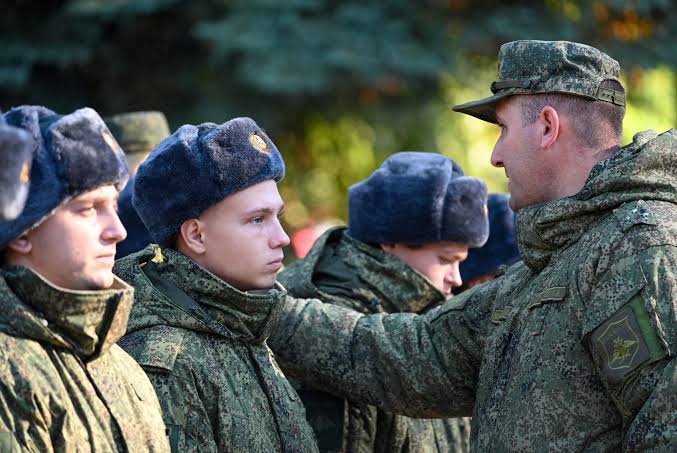
Ukraine has announced the capture of its first Indonesian prisoner of war, raising fresh concerns about Russia’s growing recruitment of foreign nationals to strengthen its military campaign against Ukraine. The development comes amid reports that hundreds of Indonesian citizens have been recruited to serve in Russian military operations during the first nine months of 2026, highlighting the increasing international dimension of a conflict that has continued for more than four years.
The captured individual, a 49-year-old man from Indonesia’s Java island, was reportedly deployed to Ukraine’s southeastern Zaporizhzhia region to participate in a Russian military assault. According to Ukraine’s state-backed surrender assistance initiative, known as I Want to Live, the man eventually reached territory controlled by Ukrainian forces after his military group came under attack by Ukrainian drones. He was subsequently taken into custody by Ukrainian troops and registered as a prisoner of war.

The case has attracted attention because it represents the first publicly reported capture of an Indonesian national fighting alongside Russian forces in the ongoing conflict. It also comes at a time when Ukraine is increasingly reporting the presence of foreign nationals among Russian military personnel deployed to frontline positions.
Information released by the I Want to Live project suggests that Russia’s recruitment activities in Indonesia have expanded significantly this year. According to the initiative, approximately 283 Indonesian citizens were recruited to fight for Russia during the first nine months of 2026. The figure represents a substantial increase compared with the previous three years, when recruitment from Indonesia reportedly involved no more than 10 individuals.
The reported increase has raised questions about the methods being used to attract foreign nationals into Russia’s military establishment, particularly individuals who may have limited knowledge of the realities of the war. While some foreign recruits may voluntarily enter into military agreements, concerns have increasingly emerged over deceptive employment offers, misleading recruitment campaigns and possible human trafficking networks.
The Russian government has previously sought foreign nationals to support its military operations in Ukraine. As the conflict continues to place considerable demands on Russia’s military resources, reports have emerged of recruitment activities targeting individuals across Asia, Africa and other regions.
Several African countries have become particularly concerned about the growing number of their citizens travelling to Russia and subsequently appearing on the Ukrainian battlefield. In February 2026, Kenyan intelligence services reportedly disclosed that more than 1,000 Kenyans had been recruited or lured into fighting for Russia. The findings raised serious concerns in Nairobi about the circumstances under which citizens were being recruited and the risks they faced after arriving in Russia.
Similar concerns have been reported in Uganda, South Africa and other African countries, where families and authorities have increasingly questioned the circumstances surrounding the involvement of their nationals in the war. Reports have suggested that some individuals were attracted by promises of well-paid employment, professional opportunities and attractive financial benefits before discovering that their assignments involved military service.
The Indonesian case has added another dimension to these concerns, particularly because Jakarta has begun raising the issue directly with Moscow.
Earlier this month, Indonesia urged the Russian government to take immediate measures to ensure that none of its citizens were recruited into the Russian armed forces or placed in other military-related positions through recruitment channels operating in the country.
Indonesian Foreign Ministry spokesperson Yvonne Mewengkang confirmed that the government had formally communicated its concerns to Moscow. She emphasised that Indonesia wanted assurances that its nationals would not be recruited into the Russian military through any available channel.
Mewengkang said the Indonesian government had asked Russia to take all necessary steps to prevent Indonesians from being recruited into its military or employed in military-related positions within Russia.
Her remarks reflected Jakarta’s growing concern about the possibility that Indonesian citizens were being targeted through recruitment practices that could amount to human trafficking. The government has particular concerns about individuals who may have travelled abroad believing they had secured legitimate employment but subsequently found themselves facing pressure to participate in military activities.
The concerns became more serious following reports in October that an Indonesian national serving with the Russian military had died. Although the circumstances surrounding the reported death were not fully detailed, the incident intensified calls for stronger protection of Indonesian citizens working overseas.
Shortly after the diplomatic concerns were raised, Indonesian police announced that they had identified a human trafficking syndicate suspected of targeting Indonesian nationals through online recruitment activities.
According to police findings, the suspected network used social media platforms and messaging applications to advertise employment opportunities in Russia. The advertisements reportedly offered attractive salaries and positions in logistics, border security and defence construction.
These opportunities appeared to provide applicants with access to legitimate overseas employment, particularly for individuals seeking better financial prospects. However, investigators said that after some applicants travelled to Russia, they were directed to sign contracts that required them to serve as mercenaries.
Police also indicated that some of the recruited individuals were subsequently deployed to conflict zones, placing them in situations involving serious risks to their safety and freedom.
The allegations have highlighted the growing role of digital recruitment networks in facilitating the movement of foreign nationals into conflict environments. Social media platforms and messaging applications can allow recruiters to approach potential candidates directly, distribute employment advertisements and establish contact with individuals who may be unfamiliar with international military recruitment practices.
For people facing unemployment or financial difficulties, promises of substantial salaries and overseas employment can be particularly attractive. However, the difference between advertised employment and the actual responsibilities imposed after arrival can expose vulnerable individuals to exploitation.
The Indonesian authorities’ investigation therefore extends beyond the immediate question of military recruitment. It also raises broader concerns about cross-border human trafficking, online deception and the protection of citizens seeking employment abroad.
The Russian embassy in Jakarta had not immediately responded to questions concerning the reported recruitment activities at the time of the announcement. Moscow has previously relied on foreign nationals to supplement its military personnel, although the specific circumstances surrounding individual recruitment cases can differ considerably.
Meanwhile, Ukraine has continued encouraging Russian soldiers and foreign nationals serving in Russian military units to surrender rather than continue fighting.
The I Want to Live initiative, established in September 2022, was created under Ukraine’s Coordination Headquarters for the Treatment of Prisoners of War, with support from the Ukrainian Defence Ministry and Defence Intelligence Directorate.
The programme provides a communication channel through which active-duty Russian soldiers and foreign nationals recruited into the Russian military can seek information about surrendering and leaving the battlefield. Its stated purpose is to facilitate safe surrender and provide a pathway out of combat operations.
The initiative has also become an important source of information for Ukraine regarding foreign nationals participating in Russian military operations. By identifying captured foreign fighters and documenting their recruitment experiences, Ukrainian authorities have sought to draw international attention to the growing involvement of overseas recruits.
The capture of the Indonesian national could consequently have implications beyond the individual prisoner-of-war case. It may increase pressure on Indonesian authorities to investigate recruitment networks, strengthen monitoring of overseas employment advertisements and cooperate with international partners to prevent citizens from being drawn into foreign military operations.
For Indonesia, the issue also presents a diplomatic challenge. The country must balance its relations with Russia against its responsibility to protect citizens who may be exposed to exploitation or recruited into a war in which Indonesia is not a direct participant.
The broader situation demonstrates how the consequences of the Russia-Ukraine war are increasingly reaching countries far beyond Europe. Foreign recruitment, suspected trafficking networks and deceptive employment opportunities have created new challenges for governments seeking to protect their nationals from involvement in the conflict.

As Ukraine continues to identify foreign fighters among Russian military personnel, concerns are likely to grow over the recruitment methods used to attract people from developing countries. The Indonesian case serves as another warning about the dangers facing individuals who accept overseas employment without fully understanding the nature of the work they are being asked to perform.
The circumstances surrounding the 49-year-old Indonesian prisoner’s recruitment and deployment may also provide further insight into how foreign nationals are being drawn into Russia’s military operations. For Jakarta, ensuring that vulnerable citizens are not exploited or sent to the battlefield under misleading employment arrangements has become an increasingly urgent priority.
Related News:
 Israeli Strike in Southern Lebanon Kills Seven
 Israel Promotes Film Challenging Controversial Gaza Documentary
 Cartel crackdown raises fears of fresh violence
 US ‘Narco Boat’ Strikes Draw Global Outcry
 Five Years of Taliban Rule Leave Afghanistan in Crisis
 Ukraine Villagers Demand Answers After Deadly Arms Depot Strike
 Israel Accused of Undermining Palestinian Life
 Yemen War Displaces 125,000 as Fighting Intensifies
 Japan PM Backs International Criminal Court
 Ukraine and Russia Escalate Long-Range Drone War
 Germany Pledges €1bn Military Aid to Ukraine
 Latin America women fear rollback of rights
 Japan PM condemns alleged killing by US Marine
 Former German Intelligence Chief Arrested Over Espionage
 Sri Lanka Ex-First Lady Arrested Over Donation Probe
 India’s Youth Movement Alleges Mass Detentions Before Protest
 Gaza War Deepens India’s Strategic Ties With Israel
 Delhi Tightens Security Ahead of Election Protest
 Delhi Braces for Youth Protests Over Voter Roll Dispute
 PTI Announces Swabi Rally Ahead of Long March Plans
 India’s Voter Roll Crisis Sparks Nationwide Protests
 Gadi Eisenkot: Israel’s Anti-Netanyahu Challenger
 Zelenskyy Accuses US of Delaying Ukraine Missile Supplies
 Zelenskyy Says US Failed to Warn Kyiv of Russian Strikes
 Xi Jinping Tightens China’s Anti-Corruption Campaign
 Ukraine Peace Talks Set to Resume in November
 Serbia’s Student Victory Sparks a ‘Smell of Freedom’
 Trump’s Midterm Campaign Faces Racism and Political Backlash
 China Expels Record 33 Officials in Xi Jinping Purge
 UAE Nominee Faces Backlash Over Sudan War Role
 Bedouin Women Drive Historic Arab Election Gains
 Paraguay President Impeached and Arrested After Banking Crisis
 US Pushes for Final Russia-Ukraine Peace Deal
 Orbán’s Brother Detained in Smuggling Probe
 Knesset Speaker Race Could Decide Netanyahu’s Future
 Greene Pushes Epstein Files Amid Trump Fallout
 Venezuela Threatens Nobel Winner Machado with Fugitive Status
 Ben Roberts-Smith Denies War Crime Allegations in First Statement
 China Fireworks Factory Blast Kills 21 in Hunan
 US Awaits Iran Reply on New Ceasefire Proposal
 Maldives Cave Diving Tragedy Raises Safety Alarm
 Discontent grows around Putin amid war strain
 New Footage Revives Peter Falconio Mystery
 Ukraine Creates Long-Range Strike Command
 Houthis Strike Saudi Arabia as Middle East Tensions Rise
 Trump Calls Iran War ‘Small Potatoes’ Despite US Deaths
 Europe’s democracies face a growing far-right threat
 Saudi Arabia Shuts Oil Pipeline After Drone Attack
 Royal Crown Branded Enslaved Africans in Britain’s Slave Trade
 Fugitive Developer Rants at NSW Corruption Inquiry
 Lib Dems Prepare for Election Amid Reform Challenge
 US Networks Suspend Trump White House Pool Coverage
 Democrat Says ICE Restricted Detention Camp Oversight
 UK Plans New Centre to Counter Information Warfare
 Xi urges Trump to avoid US-China military conflict
 Lula accuses Trump of seeking control over Brazil
 Republican Senator Questions Trump Ad Spending
 New Maps Reveal Gaza’s Vast Destruction
 French School Protests Escalate as 400 Schools Close
 Iran Nobel Laureate Reveals Prison Torture and Fears
 Okinawa US Troops Face Curfew After Murder Case
 Israel Marks Three Years Since October 7 Attack
 South Korea Probes Fuel Shipments to Russia
 Royal Navy Sailor Charged With Alleged Spying
 Trump Says He Deserves Nobel Peace Prize
 Houthi Missile Claim Sparks Riyadh Airport Disruption
 Trump Rules Out Iran Attack Before US Elections
 Trump’s Russian Diesel Deal Sparks Ukraine Fury
 French Students Protest Poor Conditions in Paris Suburbs
 Brazil Court Scandal Threatens Lula as Bolsonaros Rise
 Greta Thunberg Backs French Students in School Protests
 Iranian Woman Faces Death Sentence Over Social Media Post
 Ukrainian Soldier Faces Trial Over Nord Stream Blast
 Serbia Leader Linked to Controversial Trump Tower Plan
 Japan’s Takaichi Faces a Crucial Second Year in Power
 Flávio Bolsonaro Reportedly Leaves Brazil After Election Defeat
 Trump’s Global Policies Put Republicans at Risk
 Global Crises Test Diplomacy as Trump’s Policies Face Scrutiny
 Alan Jones Trial Paused for Melbourne Cup Viewing
 ANC Faces Voter Backlash in South African Elections