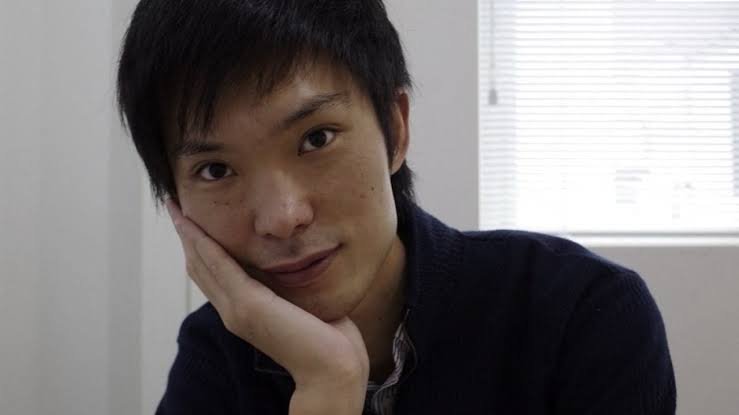
The wife of a Japanese journalist detained in Russia on suspicion of espionage has made an emotional appeal for his immediate release, describing the suffering experienced by their family as they struggle with uncertainty over his future. Nozomi Imai said she and her husband’s parents were living through unbearable anxiety since Russian authorities arrested him more than a month ago. Her appeal has brought renewed attention to the case of Yuki Imai, a 34-year-old reporter whose detention has further strained already fragile relations between Japan and Russia.
Yuki Imai, who works for the Japanese newspaper Hokkaido Shimbun, was arrested in mid-October while preparing to return to Japan after completing a two-year assignment in the Russian city of Yuzhno-Sakhalinsk on Sakhalin Island. The island, located in Russia’s Far East, has considerable strategic importance because of its geographical position near Japan and its proximity to disputed territories in the North Pacific.

Russian authorities accused Imai of conducting espionage activities while working on the island. According to allegations made by the Russian security services, he had collected information concerning Russia’s defence capabilities with the intention of transferring it to Japanese intelligence. However, both his employer and the Japanese government have firmly rejected the accusations, maintaining that his activities were part of ordinary journalistic work.
The arrest has become a sensitive diplomatic issue between Tokyo and Moscow, particularly as relations between the two countries have deteriorated over several political and territorial disagreements. Japan has repeatedly expressed concern about the treatment of its detained citizen and called on Russian authorities to release him.
In a statement distributed to media organisations through the Hokkaido Shimbun, Nozomi Imai described the emotional impact of her husband’s detention on their family. The statement was published in Japanese, English and Russian to communicate the family’s concerns to audiences both inside and outside Japan.
She said that since her husband’s arrest, she and his parents had spent every day worrying about his safety and future. Recalling the moment she watched television footage showing Russian authorities taking him into custody, she described an overwhelming sense of shock and emotional pain.
Seeing her husband with his arms restrained behind his back was particularly distressing. She also remembered noticing the souvenirs inside his suitcase, including presents he had intended to bring home for his family. Those ordinary personal belongings became painful reminders of a homecoming that never happened.
Nozomi said the experience left her unable to sleep and struggling to accept the reality of the situation. Even when morning arrived after watching the footage, she said she could hardly believe that her husband had actually been taken away.
The family’s suffering has been made more difficult by the fact that Imai has spent much of his daughter’s early childhood away from home because of his professional assignment in Russia. Their daughter was born during his posting and is now 21 months old. According to his wife, he had been eagerly anticipating the opportunity to return home and spend more time with her.
One of his most anticipated plans was to collect his daughter from daycare on the very day he returned to Japan. The simple family moment had become something he repeatedly spoke about with excitement. Instead, his detention has prevented him from reuniting with his young child and resuming ordinary family life.
In her appeal, Nozomi emphasised that her husband was much more than a journalist facing allegations. He was also a son, husband and father whose absence had left an enormous emotional gap in the lives of those closest to him. She urged Russian authorities to recognise the family’s suffering and allow him to return home.
The Japanese government has also intensified diplomatic efforts to secure Imai’s release. Prime Minister Sanae Takaichi reportedly raised the matter during her meeting with Russian President Vladimir Putin at the Asia-Pacific Economic Cooperation summit in China last week. She requested that Moscow release the detained journalist, demonstrating the importance Tokyo attaches to protecting its citizens abroad.
Japan’s ambassador to Russia, Akira Muto, visited Imai at the Lefortovo detention centre in Moscow this week. Following the meeting, the ambassador said the journalist appeared to be in good health. Japanese diplomatic officials had also been permitted to visit him towards the end of October.
However, access to Imai has remained limited. Japanese diplomats have reportedly been allowed to meet him only twice since his arrest, although he has held several meetings with lawyers appointed by his newspaper. The restricted access has added to concerns among his family and colleagues about his legal situation and the uncertainty surrounding the investigation.
The Hokkaido Shimbun has consistently defended its reporter, rejecting suggestions that he was engaged in intelligence gathering on behalf of the Japanese government. The newspaper said Imai had been carrying out routine journalistic activities on Sakhalin and stressed that its reporting operations were not conducted under government instructions.
Prime Minister Takaichi has also directly rejected the espionage allegations. Shortly after the arrest, she told reporters that there was no truth to the suggestion that Imai had been spying. She emphasised that protecting Japanese citizens was particularly important under the circumstances and promised that her government would continue working to address the situation.
The case has emerged against the backdrop of rapidly deteriorating relations between Japan and Russia. One of the longstanding sources of tension is the territorial dispute over four islands in the Kuril chain, known in Japan as the Northern Territories. Russia has administered the islands since the final days of the Second World War, while Japan continues to claim sovereignty over them.
The islands are strategically important because of their location between the Sea of Okhotsk and the Pacific Ocean. The closest disputed territory lies less than four kilometres from Japan’s northern island of Hokkaido. Despite decades of diplomatic discussions, the disagreement has prevented the two countries from fully resolving their postwar territorial issues.
Relations have become even more difficult following Japan’s support for international sanctions imposed on Russia after its full-scale invasion of Ukraine in February 2022. Tokyo has joined other Western-aligned governments in criticising Moscow’s military actions and introducing economic restrictions. Russia has responded with growing hostility towards Japan’s position.
Against this background, concerns have emerged that the detention of Imai could become part of the wider political confrontation between the two governments. Some observers fear that Moscow may use the case to send a message to Tokyo over its support for Ukraine and its participation in international sanctions.
Russia’s Federal Security Service, which is investigating the journalist, has not issued any detailed public statement since announcing his arrest. The lack of additional information has left significant questions unanswered about the allegations, the evidence supporting them and the possible legal consequences.
According to Japan’s Kyodo news agency, Imai’s current detention period is scheduled to expire on 12 December. However, Russian authorities could seek an extension, potentially prolonging the uncertainty surrounding his case.
Imai’s personal background has also attracted attention in Japan. His grandfather was born on Sakhalin, giving him a family connection to the island where he was assigned as a journalist. The Hokkaido Shimbun described him as someone who admired Russian culture and had worked to encourage communication and understanding between ordinary people in Japan and Russia.
His interest in Russian society extended beyond professional reporting. He reportedly hosted Russian visitors at his home in Nemuro, a city in Japan’s Hokkaido region. These activities reflected his interest in cultural exchange and maintaining personal connections between communities separated by political disagreements.
Nozomi also recalled that she and her husband had first met as students through their shared interest in Russian films and literature. Their relationship developed around a mutual appreciation of Russian culture, making the circumstances of his detention particularly painful for the family.
His elderly parents are also struggling with the situation. According to Nozomi, they are deeply worried that they may never see their only son again during their lifetime. Their anxiety reflects the wider emotional consequences of prolonged detention, particularly when family members have limited information about the legal process and the possibility of reunion.

The case has consequently developed beyond an individual legal dispute into a sensitive issue involving press freedom, diplomatic relations and the protection of foreign journalists. International attention is likely to remain focused on whether Russian authorities will provide transparent information about the accusations and ensure that Imai receives appropriate legal protections.
For his wife and young daughter, however, the central concern remains deeply personal. They want the opportunity to reunite with a husband and father whose return home was supposed to mark the beginning of a new chapter in their family life. As diplomatic efforts continue and the detention deadline approaches, Nozomi’s appeal reflects the hopes of a family waiting for answers, reassurance and, ultimately, his safe return to Japan.
Related News:
 Israeli Strike in Southern Lebanon Kills Seven
 Israel Promotes Film Challenging Controversial Gaza Documentary
 Ukraine Captures First Indonesian Fighter in Russian Army
 Zelenskyy Warns Starshield Curbs Weaken Ukraine Defences
 Bangladesh Violence Escalates Ahead of Hasina’s Return
 Malaysia to Deport Thousands to Genocide-Hit Myanmar
 Cartel crackdown raises fears of fresh violence
 US ‘Narco Boat’ Strikes Draw Global Outcry
 Five Years of Taliban Rule Leave Afghanistan in Crisis
 Ukraine Villagers Demand Answers After Deadly Arms Depot Strike
 Israel Accused of Undermining Palestinian Life
 Yemen War Displaces 125,000 as Fighting Intensifies
 Japan PM Backs International Criminal Court
 Ukraine and Russia Escalate Long-Range Drone War
 Germany Pledges €1bn Military Aid to Ukraine
 Latin America women fear rollback of rights
 Japan PM condemns alleged killing by US Marine
 Former German Intelligence Chief Arrested Over Espionage
 Sri Lanka Ex-First Lady Arrested Over Donation Probe
 India’s Youth Movement Alleges Mass Detentions Before Protest
 Gaza War Deepens India’s Strategic Ties With Israel
 Delhi Tightens Security Ahead of Election Protest
 Delhi Braces for Youth Protests Over Voter Roll Dispute
 PTI Announces Swabi Rally Ahead of Long March Plans
 India’s Voter Roll Crisis Sparks Nationwide Protests
 Gadi Eisenkot: Israel’s Anti-Netanyahu Challenger
 Zelenskyy Accuses US of Delaying Ukraine Missile Supplies
 Zelenskyy Says US Failed to Warn Kyiv of Russian Strikes
 Xi Jinping Tightens China’s Anti-Corruption Campaign
 Ukraine Peace Talks Set to Resume in November
 Serbia’s Student Victory Sparks a ‘Smell of Freedom’
 Trump’s Midterm Campaign Faces Racism and Political Backlash
 China Expels Record 33 Officials in Xi Jinping Purge
 UAE Nominee Faces Backlash Over Sudan War Role
 Bedouin Women Drive Historic Arab Election Gains
 Paraguay President Impeached and Arrested After Banking Crisis
 US Pushes for Final Russia-Ukraine Peace Deal
 Orbán’s Brother Detained in Smuggling Probe
 Knesset Speaker Race Could Decide Netanyahu’s Future
 Iran Death Row Boxer Wins Prestigious Human Rights Award
 US Indictment Reveals New Links in RAF Fairford Case
 Eisenkot Accuses Netanyahu of Racist Anti-Arab Campaign
 Trump, Xi and Putin Face Fears of a New Yalta
 Gaza Faces a Toxic Environmental Crisis for Generations
 Indonesia Factory Fire Kills 24, Dozens Missing
 South Korea Orders Island Residents to Take Shelter
 India Blocks Cockroach Movement Leader From UK Flight
 China Probes Shanghai Chief in Xi Jinping’s Latest Purge
 UN Tribunal Questions Evidence Behind Gaza Aid Staff Sacking
 Greene Pushes Epstein Files Amid Trump Fallout
 Venezuela Threatens Nobel Winner Machado with Fugitive Status
 Ben Roberts-Smith Denies War Crime Allegations in First Statement
 Maldives Cave Diving Tragedy Raises Safety Alarm
 Discontent grows around Putin amid war strain
 New Footage Revives Peter Falconio Mystery
 Houthis Strike Saudi Arabia as Middle East Tensions Rise
 Trump Calls Iran War ‘Small Potatoes’ Despite US Deaths
 Royal Crown Branded Enslaved Africans in Britain’s Slave Trade
 US Networks Suspend Trump White House Pool Coverage
 Democrat Says ICE Restricted Detention Camp Oversight
 Xi urges Trump to avoid US-China military conflict
 Republican Senator Questions Trump Ad Spending
 French School Protests Escalate as 400 Schools Close
 Okinawa US Troops Face Curfew After Murder Case
 Israel Marks Three Years Since October 7 Attack
 South Korea Probes Fuel Shipments to Russia
 Trump Says He Deserves Nobel Peace Prize
 Houthi Missile Claim Sparks Riyadh Airport Disruption
 Trump Rules Out Iran Attack Before US Elections
 Trump’s Russian Diesel Deal Sparks Ukraine Fury
 Brazil Court Scandal Threatens Lula as Bolsonaros Rise
 Iranian Woman Faces Death Sentence Over Social Media Post
 Flávio Bolsonaro Reportedly Leaves Brazil After Election Defeat
 Trump’s Global Policies Put Republicans at Risk
 Alan Jones Trial Paused for Melbourne Cup Viewing
Zelenskyy Sees Peace Opportunity as US Envoys Meet Putin
 Teenager Found Alive After Six Days Lost in Australian Bush
 Drone Warfare Fuels a Deadly Civilian Crisis in Sudan
 Canada May Turn to Chinese Automakers if US Talks Fail
 Colombia President Joins Supermarket Hostage Crisis