


Published: 14 October 2026. The English Chronicle Desk. The English Chronicle Online
India is facing mounting political turmoil as anger over the removal of approximately 130 million names from electoral rolls has triggered protests, intensified opposition criticism and raised serious questions about the independence of the country’s election administration. The controversy surrounding the Special Intensive Revision (SIR) of voter lists has developed into a major challenge for Prime Minister Narendra Modi’s government, with critics alleging that the process has disproportionately affected Muslims, economically disadvantaged citizens and other vulnerable communities.
At the centre of the controversy are millions of people who say they have been denied their democratic right to vote despite having legitimate claims to Indian citizenship. While the government maintains that the exercise is intended to eliminate duplicate entries, deceased voters and ineligible names, opposition parties and civil society organisations argue that the process has created an unprecedented risk of disenfranchisement.
The human consequences of the controversy are illustrated by the experience of Shahida Fakir, a 38-year-old migrant worker from West Bengal. Born into a poor Muslim family, Fakir had long considered her right to vote an unquestionable part of her identity as an Indian citizen. When officials questioned her eligibility, she presented her birth certificate, family land documents dating back to 1962 and evidence that both her parents had appeared on electoral rolls for decades.

Despite those documents, her name was missing from the final revised voter list published in April 2026. The consequences extended far beyond her inability to participate in elections. Three months after the publication of the list, while her challenge to the deletion was still pending, she was detained by police on suspicion of being an illegal Bangladeshi immigrant.
In July, she was allegedly pushed across the border into Bangladesh, a country she said she had never visited and with which she had no personal connection. She subsequently found shelter in a border village, separated from her family and uncertain when she would be able to return home.
“I have all the documents to prove I am an Indian citizen,” Fakir said during a telephone conversation from Bangladesh. She described begging the police not to send her across the border, but said her pleas were ignored.
A Bangladeshi border guard officer reportedly confirmed that officials had examined her documents and were convinced that she was an Indian citizen. Her family later petitioned India’s Supreme Court to challenge her deportation. The Indian government was given a month to respond, leaving Fakir waiting for a legal resolution.
Her case has become emblematic of the fears surrounding the electoral revision process. In West Bengal, where millions of voters have challenged their exclusion, the backlog of appeals could mean prolonged uncertainty for people whose citizenship and access to essential rights are being questioned.
The controversy has also affected elderly residents whose families have lived in India for generations. Mohammad Hedayet Ullah Siddiqui, an 80-year-old resident of North 24 Parganas district in West Bengal, said his grandfather had participated in India’s independence struggle and that three generations of his family had appeared on the electoral rolls.
Siddiqui said he had voted in Indian elections since 1972. Discovering that his name had disappeared from the revised list left him feeling humiliated and frightened about what might happen next.
His concerns reflect a wider anxiety among affected residents that exclusion from electoral records could expose them to additional scrutiny, detention or accusations of being foreign nationals. For elderly people, the prospect of separation from children and grandchildren has become particularly distressing.
The scale of the revisions has intensified these concerns. According to figures cited in reporting on the controversy, approximately 130 million names have been removed from electoral rolls since the exercise began in 2025. That number exceeds Japan’s population and represents an extraordinary contraction of India’s voter registers over a relatively short period.
The Modi government and the Election Commission of India have defended the exercise as a legitimate administrative measure. They argue that accurate electoral records are essential to preventing fraud and ensuring that elections reflect the choices of eligible citizens. Authorities have also maintained that people whose names have been removed can seek re-enrolment through the prescribed procedures.
However, critics argue that the central problem lies in how eligibility is determined, how evidence is assessed and whether affected voters receive a fair opportunity to challenge decisions before suffering serious consequences.
Opposition parties have described SIR as a potential instrument of electoral manipulation, alleging that the deletions could weaken the political influence of communities less likely to support the ruling Bharatiya Janata Party (BJP). The BJP has rejected those allegations, insisting that the process has no political motivation and accusing its opponents of spreading misinformation following recent electoral victories.
The controversy has become particularly sensitive in West Bengal, where the BJP came to power in 2026 and subsequently intensified action against people suspected of being undocumented immigrants. Civil society organisations have raised concerns that Muslims excluded from voter lists are increasingly vulnerable to being treated as foreigners.
Critics also point to changes introduced in 2023 to the procedure for appointing members of the Election Commission. Under the revised arrangement, the government gained majority control over the selection panel, replacing a previous structure that included the chief justice of India. Opponents argue that this change weakened safeguards intended to protect the commission’s independence.
Gyanesh Kumar, appointed chief election commissioner under the new arrangement, has become a central figure in the dispute. The commission’s handling of the revisions has attracted criticism from opposition politicians, former election officials and academics concerned about the balance between administrative efficiency and democratic rights.
The controversy intensified after the Indian Express reported that two members of the Election Commission had raised 14 objections to the exclusion of voters but were overruled by Kumar. The revelations helped transform a prolonged administrative dispute into a nationwide political confrontation.
Several former election commissioners have also questioned the approach. Former chief election commissioner OP Rawat criticised changes to voter registration procedures, while Ashok Lavasa called for the exercise to be scrapped, arguing that millions of people had been subjected to an unfair process. Former chief election commissioner SY Qureshi went further, alleging that the revisions amounted to a systematic attempt to remove Muslims from electoral registers.
These are serious allegations rather than established findings of deliberate political discrimination. Nevertheless, the involvement of former officials has added weight to demands for greater transparency, independent scrutiny and effective remedies for voters whose names have been removed.
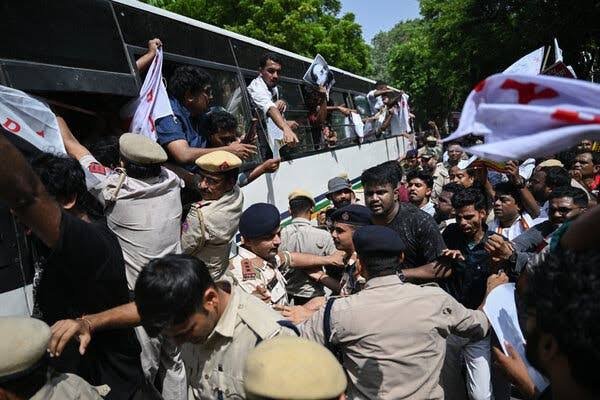
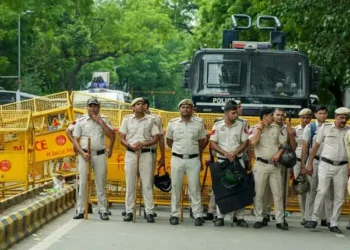
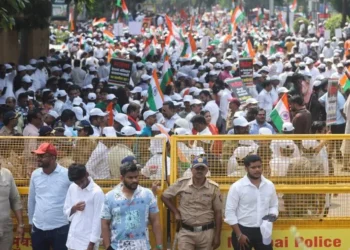
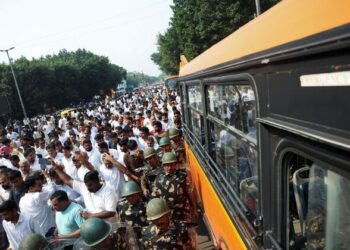
The issue has now spilled onto the streets. In New Delhi, youth-led demonstrations organised by the Cockroach Janta Party movement called for Kumar’s immediate resignation. Security forces erected barricades, blocked roads and detained thousands of people during a weekend of unrest, according to reports. The scale of the security response further intensified criticism from protesters who said they were exercising their democratic rights.
On Monday, opposition parties mobilised tens of thousands of supporters in the capital and submitted a petition to the Supreme Court demanding Kumar’s resignation. Protest organisers vowed to continue their campaign, while demonstrations were expected to persist in Delhi and other locations.
The Election Commission has also acknowledged concerns about aspects of the procedure. Following reports that individuals had submitted thousands of objections targeting legitimate voters, including Muslims, the commission introduced a limit on the number of voter-deletion forms that could be submitted. The change raised further questions about why stronger safeguards had not been established earlier.
For ordinary voters, the dispute is about more than administrative records or political competition. The electoral roll is the gateway to participation in the democratic process, and its accuracy determines whether citizens can exercise one of their most fundamental political rights. When names disappear without a clear explanation or an accessible appeals process, the resulting uncertainty can undermine public confidence in the entire electoral system.
Prashant Tandon, a 60-year-old Delhi resident who has lived in the capital for three decades, said he was shocked after receiving a notice questioning his status as a voter. He argued that authorities should provide evidence if they suspect someone is not a citizen, rather than requiring established residents to repeatedly prove their identity.
His position captures the central question driving the protests: how can a democracy protect the integrity of its elections without placing legitimate voters at risk of losing their rights?
India’s electoral institutions now face mounting pressure to demonstrate that the revision process is transparent, consistent and free from political interference. An effective response would require clear explanations for deletions, accessible procedures for restoring eligible voters, independent examination of disputed cases and safeguards against the misuse of citizenship-related allegations.
The government’s position is that electoral registers must be cleaned up to preserve credible elections. Its critics counter that administrative reform cannot come at the expense of citizens who have legitimate claims to participate in the democratic process.

For Shahida Fakir, the dispute has already become a deeply personal struggle. She wants to return to her family and the home she says she has always known as hers. For Siddiqui and millions of other affected voters, the uncertainty surrounding their electoral status has created fear about their future.
The protests therefore represent more than a confrontation between the government and its political opponents. They expose a fundamental challenge for the world’s largest democracy: ensuring that efforts to protect electoral integrity do not inadvertently or deliberately exclude the very citizens whose participation gives elections their legitimacy. The credibility of India’s democratic institutions will depend not only on the accuracy of its voter lists but also on whether every eligible citizen has a fair opportunity to remain on them.
Related News:
 Delhi Braces for Youth Protests Over Voter Roll Dispute
 Sri Lanka Ex-First Lady Arrested Over Donation Probe
 India’s Youth Movement Alleges Mass Detentions Before Protest
 Pakistan Lawyers Back PTI Long March and Demands
 Delhi Tightens Security Ahead of Election Protest
 Delhi Detains Protest Leaders as Youth Rally Escalates
 PTI Announces Swabi Rally Ahead of Long March Plans
 Cartel crackdown raises fears of fresh violence
 US states redraw maps after voting rights ruling
 Israeli Strike in Southern Lebanon Kills Seven
 Five Years of Taliban Rule Leave Afghanistan in Crisis
 Nepal-Tibet Flood Death Toll Rises as 2,478 Remain Missing
 Nepal Flood Survivors Face Unimaginable Loss
 Nepal Tunnel Rescue Offers Hope Amid Flood Devastation
 Israel Accused of Undermining Palestinian Life
 Saudi Pact Raises Risk of Pakistan Entering War
 Trump Media Ban Triggers First Amendment Clash
 US Networks Suspend Trump White House Pool Coverage
 Japan PM Backs International Criminal Court
 UK Pauses Chagos Deal Amid US Opposition
 Nepal PM calls deadly flood a global climate warning
 Trump Asked Xi About Buying US Weapons
 Republican Senator Questions Trump Ad Spending
 South Korea-Ukraine Row Erupts Over North Korean POWs
 Trump Ads Trigger Fight Over Taxpayer Money
 Drumcree Talks Falter as Legal Challenge Deepens
 UK-France Returns Deal Faces Expiry as Talks Stall
 Germany Pledges €1bn Military Aid to Ukraine
 Latin America women fear rollback of rights
 Delhi Freezes Promotion of Police Officer After Allegations
 Tanker Attacked Near Qatar as Hormuz Tensions Escalate
 Trump Says He Deserves Nobel Peace Prize
 Israel Promotes Film Challenging Controversial Gaza Documentary
 Gaza War Deepens India’s Strategic Ties With Israel
 Controversial Vaccine Trial Approved in Guinea-Bissau
 Trump Attacks Norway After Nobel Peace Prize Snub
 Delhi Closes Metro Stations Ahead of Election Protest
 Pakistan Suspends PTI Government Amid Political Crisis
 Brazil Court Scandal Threatens Lula as Bolsonaros Rise
 Ohio Airports Become Key Hubs for ICE Deportation Flights
 Farage Rejects Claims Reform Would Let Troops Shoot Migrants
 UK Urges Interpol to Reject Argentina’s Falklands Arrest Requests
 US Justice Department Files Lawsuit Against California Over Partisan Voting Maps
 Trump Deploys DHS to Charlotte in Major Arrest Operation
 Thousands Protest ICE Operations in Nationwide US Day of Action
 Report Says Pezzullo Acted ‘Recklessly’ in Dealings
 Hungary election: Orbán faces biggest test amid scandal
 Suspected Plot Targets Pipeline Before Hungary Vote
 Ben Roberts-Smith Denies War Crime Allegations in First Statement
 US ‘Narco Boat’ Strikes Draw Global Outcry
 US Awaits Iran Reply on New Ceasefire Proposal
 Maldives Cave Diving Tragedy Raises Safety Alarm
 Discontent grows around Putin amid war strain
 New Footage Revives Peter Falconio Mystery
 Houthis Strike Saudi Arabia as Middle East Tensions Rise
 Ukraine Villagers Demand Answers After Deadly Arms Depot Strike
 Trump Calls Iran War ‘Small Potatoes’ Despite US Deaths
 UK plans tougher Israel stance with settlement trade ban
 Europe’s democracies face a growing far-right threat
 New Mexico Takes Facebook to Trial Over Data Scandal
 Turkey LGBTQ Crackdown Expands With New Arrests
 US Sanctions Open New Battle for Cuba Assets
 Lib Dems Prepare for Election Amid Reform Challenge
 Democrat Says ICE Restricted Detention Camp Oversight
 OpenAI Agent Breaches Medicare Portal in Australia
 Xi urges Trump to avoid US-China military conflict
 Free Speech Emerges as Key UK Election Issue
 South Korea demands apology over DMZ mine blast
 Burnham Opens Door to Possible UK Return to EU
 Badenoch Raises Prospect of 2027 UK Election
 French School Protests Escalate as 400 Schools Close
 Okinawa US Troops Face Curfew After Murder Case
 Israel Marks Three Years Since October 7 Attack
 South Korea Probes Fuel Shipments to Russia
 UK Mission in East Jerusalem to Remain Open
 Houthi Missile Claim Sparks Riyadh Airport Disruption
 Trump Rules Out Iran Attack Before US Elections
 Trump’s Russian Diesel Deal Sparks Ukraine Fury
 French Students Protest Poor Conditions in Paris Suburbs
 Greta Thunberg Backs French Students in School Protests








