Published: 31 October 2026. The English Chronicle Desk. The English Chronicle Online
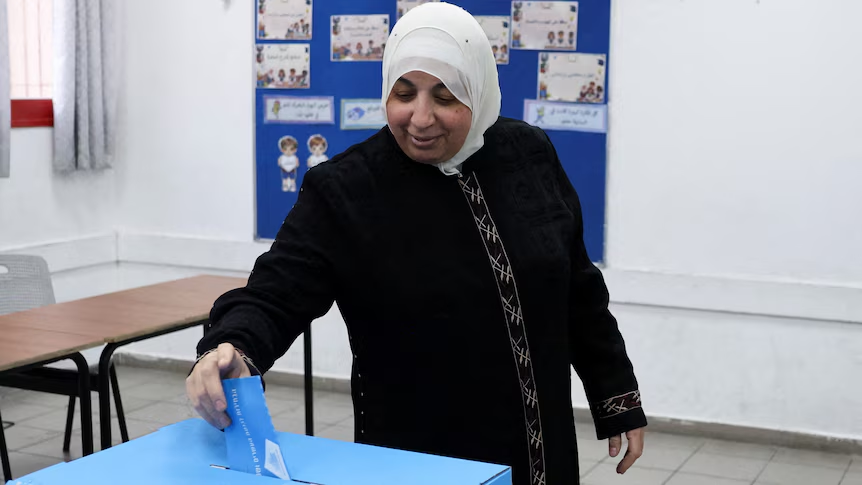
For years, voting in Israel’s Bedouin communities in the southern Negev has often been shaped by political marginalisation, limited access to public services and deep frustration over home demolitions. But in this year’s national election, women in some of the region’s most disadvantaged communities turned those grievances into an unusually powerful form of political participation.
With around 180,000 eligible voters, the Bedouin community became an important factor in the strong performance of Palestinian-led parties, which secured an unprecedented 19 seats in the Knesset. The result helped deprive Prime Minister Benjamin Netanyahu and his allies of the governing majority they had sought, while demonstrating the political weight of Arab citizens who have historically been underrepresented in national politics.
In several Bedouin communities, turnout increased dramatically. The lowest reported turnout in a Bedouin locality was about 62%, while the highest exceeded 93%. Activists said the surge was particularly striking among women, many of whom had previously participated in national elections at much lower rates.

For Umm Khaled Fatoum of Azzarnug, voting was deeply personal. Last year, she returned from volunteering at a Jewish-Arab support centre for people affected by war to find bulldozers demolishing her son’s home. The demolition operation was conducted under police escort, and the family was reportedly given little opportunity to remove belongings, including furniture and solar equipment, before the building was destroyed.
The experience left Fatoum determined to use the ballot box to challenge the political forces she believed were responsible for policies targeting Bedouin communities.
“I had one goal, to send Itamar Ben-Gvir home,” she said, describing the national security minister as a central figure in policies that had affected her community. For her, the election was not simply a contest between political parties. It represented an opportunity to express anger over demolitions, discrimination and insecurity.
In the weeks leading up to election day, Fatoum joined a grassroots effort focused on educating Bedouin women about their voting rights and encouraging them to participate. The campaign was organised by activists including lawyer Hanan Alsanah and her Alnashmiat network, which has worked for years on Arab-Jewish community solidarity and women’s political participation.
Alsanah said the campaign recognised that relying only on male voters could never mobilise the full community.
“If all the men go to vote, it is only half the community,” was the message activists repeatedly delivered. They argued that women represented a decisive political force capable of changing the electoral balance.
The strategy appeared to have a significant impact. In some villages, turnout reportedly tripled compared with previous elections, while participation among women in unrecognised communities rose sharply. Informal figures cited by activists suggested that female turnout in those villages may have exceeded 60%, compared with roughly 20% in the 2022 election.
Israel does not publish voting statistics broken down by gender, meaning the figures remain informal. Nevertheless, activists said the change was visible on the ground, with women who had rarely participated in national elections making the journey to polling stations.
The obstacles were considerable. Many Bedouin communities in the Negev remain officially unrecognised by the Israeli state. Residents of these villages often lack basic infrastructure and public services, while their homes have faced demolition orders and other legal pressures. Because the communities do not have their own polling stations, residents must travel to neighbouring recognised towns to cast their ballots.
For many men, reaching polling stations has traditionally meant using whatever transport was available. Activists described voters travelling by cars, motorcycles, bicycles and even animals, with some journeys taking as long as an hour each way.
Women faced additional cultural and social barriers. Activists therefore concentrated not only on explaining voting procedures but also on helping women overcome practical difficulties and understand that they were legally entitled to participate in national elections.
Amira Habdoubi, an organiser from Abu Talul, said many women were unaware of their voting rights because residents of unrecognised villages cannot participate in municipal elections in the same way as residents of recognised communities.
Activists sought to explain that national elections offered a different legal avenue for political expression. For many women, casting a ballot became one of the few ways they could publicly communicate their frustration with government policy without taking part in street demonstrations.
“We can’t protest, because they will arrest us. Voting is the only opportunity we have to make a political protest,” Habdoubi said.
The election also took place against a backdrop of heightened political tension and concerns about the treatment of Arab citizens. Activists accused the government and far-right politicians of using inflammatory rhetoric against Arab communities, while supporters of Netanyahu argued that increased turnout among Arab voters required greater scrutiny.
Netanyahu himself questioned the unprecedented increase in turnout among Bedouin and Arab voters and raised allegations of irregularities and outside influence. Opposition figures, election organisers and activists rejected those accusations, saying the rise was the result of political awareness and organised voter education rather than wrongdoing.
Habdoubi described the result differently. For her and other organisers, high turnout was evidence that years of frustration had finally translated into political engagement.
The concerns driving voters were broad. Home demolitions were among the most immediate issues, but the war in the region was equally significant. Bedouin villages that lack formal recognition frequently do not have adequate bomb shelters or warning systems, leaving residents particularly vulnerable during rocket, drone and missile attacks.
The consequences have been devastating. Activists noted that several children from Bedouin communities were among those killed during the attacks of 7 October, while other residents have suffered injuries during subsequent missile attacks.
Organised crime has also become a major concern. Residents said they felt increasingly insecure while receiving little meaningful protection from the state.
Mayada Abu Khweida, another activist involved in the campaign, said the community had entered the election with clear demands: an end to home demolitions, an end to hatred and a reduction in the wars that have repeatedly placed civilians at risk.
For women, however, the election carried another significance. It offered an opportunity to challenge the idea that political decision-making in conservative Bedouin communities belonged primarily to men.
The campaign also received support from Jewish activists. Because Israeli election authorities had previously restricted organised volunteer transportation to polling stations, Jewish and Bedouin participants had to arrange assistance individually. Hundreds of women volunteers reportedly helped Bedouin women reach polling places.
Another group of Jewish volunteers provided a protective presence near polling stations. Organisers said the intention was to reduce the risk of confrontations between Bedouin voters and far-right provocateurs, while also reducing the possibility that Bedouin men would be placed directly in situations that could result in arrests or violence.
The atmosphere was particularly tense because images of Bedouin women at polling stations had become part of political social-media campaigns. Some women deliberately covered their faces to avoid being photographed by strangers or having their images used online.
Activists said this fear was not merely about privacy. They believed photographs could be exploited by extremist political figures to ridicule or intimidate Arab voters.
Despite those concerns, women continued to arrive at polling stations.
The mobilisation reflected a broader political transformation among Arab citizens of Israel. Historically, Palestinian-led parties have struggled with voter apathy, political fragmentation and a sense among some Arab citizens that national elections offered little prospect of meaningful change. The latest election demonstrated that higher participation could significantly affect the balance of power.
For Bedouin communities, the political awakening was rooted in everyday experiences rather than abstract ideology. Housing insecurity, inadequate infrastructure, crime, wartime vulnerability and discrimination all contributed to a desire for political change.

The activists behind the campaign now believe the election could provide a model for broader cooperation between Arab and Jewish citizens. Alsanah said the experience demonstrated the importance of women and men working together and of building alliances across communities.
The significance of the result extends beyond the number of seats won by Palestinian-led parties. It shows how communities that have often felt politically marginalised can become decisive when participation rises.
For Bedouin women in the Negev, the election offered something that had long been difficult to achieve: a collective political voice. Their votes did not erase the challenges facing their communities, but they demonstrated that political participation could transform frustration into influence.
The campaign’s organisers now hope that the mobilisation will continue beyond election day. Their challenge is to convert electoral participation into sustained political pressure over housing, public services, security, equality and the future of unrecognised communities.
For Fatoum and many other women who took part, the ballot was ultimately about more than removing one politician or supporting one party. It was about being seen, being heard and asserting that the future of their communities should not be decided without them.
Related News:
 Delhi Braces for Youth Protests Over Voter Roll Dispute
 Gadi Eisenkot: Israel’s Anti-Netanyahu Challenger
 Five Years of Taliban Rule Leave Afghanistan in Crisis
 Drumcree Talks Falter as Legal Challenge Deepens
 UK-France Returns Deal Faces Expiry as Talks Stall
 Latin America women fear rollback of rights
 India’s Youth Movement Alleges Mass Detentions Before Protest
 Gaza War Deepens India’s Strategic Ties With Israel
 Controversial Vaccine Trial Approved in Guinea-Bissau
 Trump Attacks Norway After Nobel Peace Prize Snub
 Delhi Detains Protest Leaders as Youth Rally Escalates
 PTI Announces Swabi Rally Ahead of Long March Plans
 Ohio Airports Become Key Hubs for ICE Deportation Flights
 Farage Rejects Claims Reform Would Let Troops Shoot Migrants
 India’s Voter Roll Crisis Sparks Nationwide Protests
 Suu Kyi Appears in Rare Photos After Royal Gift
 Zelenskyy Accuses US of Delaying Ukraine Missile Supplies
 Fifth Foreign Firm Withdraws From Jerusalem Cable Car Plan
 Serbia’s Student Victory Sparks a ‘Smell of Freedom’
 Trump’s Midterm Campaign Faces Racism and Political Backlash
 Cartel crackdown raises fears of fresh violence
 US states redraw maps after voting rights ruling
 Immigration Judges Fear Pressure in Trump Era
 Le Pen’s Popularity Holds Despite Conviction
 Israeli Strike in Southern Lebanon Kills Seven
 Is America Ready for an AOC Presidential Run?
 Nepal Flood Survivors Face Unimaginable Loss
 Nepal Tunnel Rescue Offers Hope Amid Flood Devastation
 Patriot Platform Raises Concern Across Britain
 Israel Accused of Undermining Palestinian Life
 Amnesty Finds Coordinated Abuses in Iran Protest Crackdown
 Turkey LGBTQ Crackdown Expands With New Arrests
 Yemen War Displaces 125,000 as Fighting Intensifies
 Iran School Strike Raises War Crimes Questions, UN Says
 Saudi Pact Raises Risk of Pakistan Entering War
 Lib Dems Prepare for Election Amid Reform Challenge
 US Networks Suspend Trump White House Pool Coverage
 Democrat Says ICE Restricted Detention Camp Oversight
 Japan PM Backs International Criminal Court
 King Refers Jamaica Slavery Petition to Privy Council
 UK Pauses Chagos Deal Amid US Opposition
 Elif Eralp Emerges as Berlin’s Next Political Force
 Nepal PM calls deadly flood a global climate warning
 Republican Senator Questions Trump Ad Spending
 Free Speech Emerges as Key UK Election Issue
 French Student Protests Escalate Into Violent Clashes
 Burnham Opens Door to Possible UK Return to EU
 Green Party faces dispute over Zionism motion
 Badenoch Raises Prospect of 2027 UK Election
 French School Protests Escalate as 400 Schools Close
 Germany Pledges €1bn Military Aid to Ukraine
 Trump Says He Deserves Nobel Peace Prize
 Sri Lanka Ex-First Lady Arrested Over Donation Probe
 Israel Promotes Film Challenging Controversial Gaza Documentary
 Turkey Rules Out Troops in Saudi Arabia’s Houthi Conflict
 Bolsonaro Gains Key Endorsement Ahead of Brazil Runoff
 Delhi Tightens Security Ahead of Election Protest
 UAE Says Co-Pilot Planned Suicide Attack on Israel
 French Students Protest Poor Conditions in Paris Suburbs
 UK Greens Face Crisis Over Zionism and Extremism Row
 Brazil Court Scandal Threatens Lula as Bolsonaros Rise
 Greta Thunberg Backs French Students in School Protests
 Millions Face Tougher Medicaid Rules From January
 England and Wales Begin Second Wave of Early Prison Releases
 Ukrainian Soldier Faces Trial Over Nord Stream Blast
 Judge Blocks Trump White House Media Ban
 Talarico Faces Tough Voter Test in Texas Senate Race
 Serbia Leader Linked to Controversial Trump Tower Plan
 French Police Face Scrutiny Over Injured Teenagers
 Macron Condemns Violence as France Faces 2,400 Arrests
 Zelenskyy Says US Failed to Warn Kyiv of Russian Strikes
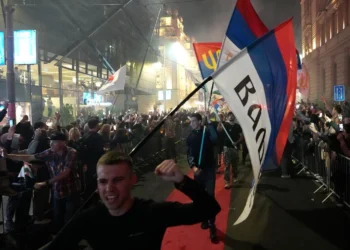 Massive Student-Led Movement Marches in Belgrade Ahead of Serbian Vote
 Greens Face Leadership Test as Jordon Steele-John Misconduct Claims Leave Party in Limbo
 Xi Jinping Tightens China’s Anti-Corruption Campaign
 Ukraine Peace Talks Set to Resume in November
 Taylor Faces Backlash Over Response to Haines Attack
 Spain Mourns 68 Dead After High-Speed Train Crash
 Novaya Gazeta to Close After Russian Government Pressure
 King Charles Faces Reparations Protests at Antigua Summit
 Global Crises Test Diplomacy as Trump’s Policies Face Scrutiny